Support our educational content for free when you purchase through links on our site. Learn more
How Do Hoverboards Float on Water? 🌊 The Real Scoop (2026)

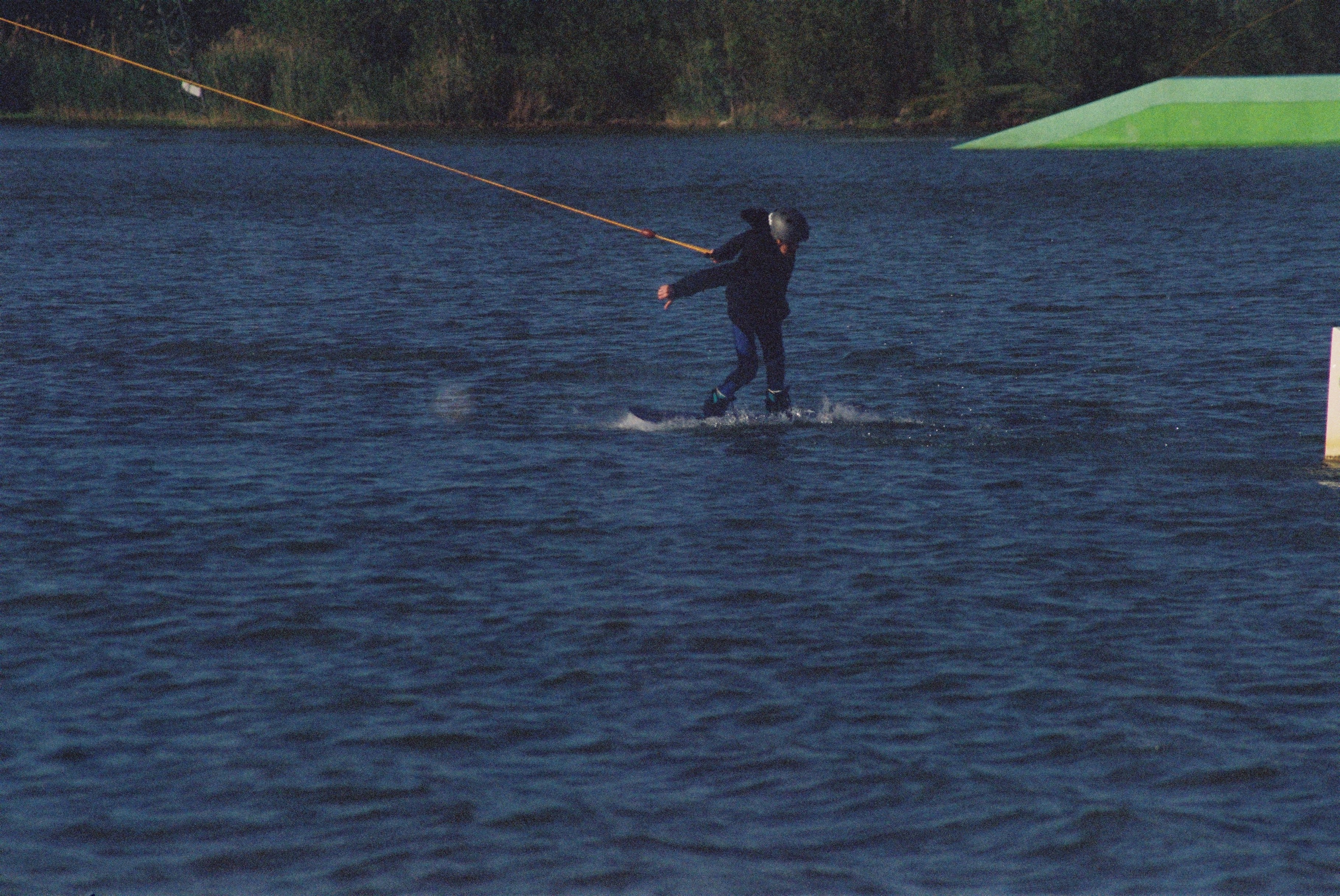
Imagine cruising effortlessly over a shimmering lake on your hoverboard, just like in a sci-fi movie. Sounds thrilling, right? But before you dive in—literally—let’s pump the brakes. Despite the futuristic allure, traditional hoverboards aren’t designed to float or glide on water. In this deep-dive, we unravel the truth behind the myth of water-floating hoverboards, explain why your favorite ride hates water, and explore the electric surfboards and jetboards that actually conquer the waves.
Curious about what makes water-friendly boards so different? Or wondering what to do if your hoverboard takes an unexpected swim? Stick around—our expert team at Hoverboarding™ shares insider tips, safety advice, and a glimpse into the future of aquatic hoverboarding technology. Spoiler alert: the dream of a true water-floating hoverboard is alive but still waiting for a breakthrough!
Key Takeaways
- Traditional hoverboards cannot float or operate on water due to sensitive electronics and lack of waterproofing.
- Water exposure risks serious damage, including short circuits, battery fires, and permanent failure.
- Electric surfboards and eFoils are the real water-capable devices, designed with waterproofing and propulsion systems for aquatic fun.
- Immediate action is critical if your hoverboard gets wet: disconnect power, dry thoroughly, and seek professional help.
- Future innovations may bring water-resistant hoverboards, but they remain experimental and rare today.
Ready to keep your rides safe and learn what’s truly possible on water? Let’s dive in!
Table of Contents
- ⚡️ Quick Tips and Facts: Hoverboards and H2O
- 🌊 The Great Float Debate: Do Hoverboards Really Conquer Water?
- 🚫 Unveiling the Truth: Why Your Hoverboard Isn’t a Submarine (and Shouldn’t Be!)
- 🏄 ♀️ Beyond the Pavement: What Does Float on Water? (And Why It’s Not a Hoverboard)
- ⚠️ Safety First, Always: The Dangers of Water and Electric Personal Mobility Devices
- 🩹 Oops! My Hoverboard Got Wet: A Rescue Mission Guide
- 🚀 The Future of Floating: Could We Ever See Water-Ready Hoverboards?
- 🗣️ Hoverboarding™ Team Tales: Our Splashy (and Not-So-Splashy) Encounters with Water
- ✨ Quick Tips for Hoverboard Care and Longevity: Keeping Your Ride Pristine
- ✅ Conclusion: Keep Your Wheels Dry and Your Rides Epic!
- 🔗 Recommended Links: Dive Deeper into Electric Mobility
- ❓ FAQ: Your Burning Questions About Hoverboards and Water Answered
- 📚 Reference Links: Our Sources for Staying Afloat (with Information!)
⚡️ Quick Tips and Facts: Hoverboards and H2O
Alright, fellow hoverboard enthusiasts, let’s cut to the chase! You’ve seen those awesome sci-fi movies, maybe even dreamt of gliding over a serene lake on your trusty self-balancing scooter. But before you grab your board and head for the nearest body of water, let’s get some crucial facts straight. We, the expert team at Hoverboarding™, are here to give you the real scoop, based on countless hours of riding, testing, and yes, a few unfortunate (but educational!) mishaps.
Here’s the TL;DR on hoverboards and water:
- ❌ Traditional hoverboards are NOT designed to float or operate in water. They are land-based personal mobility devices.
- ⚡️ Water and electronics are a dangerous mix. Exposure can lead to short circuits, electric shock, and even battery fires.
- 💧 Most hoverboards have minimal water resistance. Check your device’s IP rating; anything below IPX4 offers little to no protection against splashes, let alone submersion.
- 🌊 True water-faring devices like electric surfboards (eFoils, jetboards) use entirely different technology and waterproofing.
- 🩹 If your hoverboard gets wet, act fast! Disconnect power, dry thoroughly, and consider professional inspection to prevent permanent damage or safety hazards.
- 💡 Future innovations might bring water-resistant hoverboards, but they’re not widely available or reliable yet.
🌊 The Great Float Debate: Do Hoverboards Really Conquer Water?
Ah, the age-old question that sparks the imagination of every rider: “Can my hoverboard float on water?” It’s a vision straight out of “Back to the Future Part II,” isn’t it? Marty McFly effortlessly gliding over the pond, leaving us all dreaming of a world where our daily commute involves a quick skim across the local reservoir. But let’s pump the brakes on that fantasy for a moment. As much as we’d love to tell you that your trusty Swagtron T580 or Segway Ninebot S is ready for a dip, the reality is far less splashy.
The simple, unvarnished truth, as echoed by countless experts and our own hard-earned experience, is a resounding NO. Your standard, off-the-shelf hoverboard is not built to float on water, nor is it designed to operate in wet conditions. The idea of a water-floating hoverboard, as one Facebook group post aptly puts it, “remains largely theoretical with current technology.” Source: Facebook Group Post
We’ve seen the viral videos, the elaborate hoaxes, and the incredible concepts. We’ve even watched ambitious creators try to build their own water-faring hoverboards, like the one in the fascinating YouTube video where the creator attempts to make a large hoverboard water-resistant, only to admit, “the electronics are not waterproof, leading to failure when it enters the water.” See the first YouTube video for yourself! While the spirit of innovation is commendable, the practical challenges are immense.
So, why the disconnect between our dreams and reality? What makes these seemingly magical devices so vulnerable to something as common as water? Let’s dive deeper into the inner workings of your hoverboard and uncover the critical reasons why it’s best kept on dry land. For more insights on keeping your ride safe, check out our Hoverboard Safety section!
🚫 Unveiling the Truth: Why Your Hoverboard Isn’t a Submarine (and Shouldn’t Be!)
Imagine taking your smartphone for a swim. Not a great idea, right? The same principle, but with far greater risks, applies to your hoverboard. These incredible machines are marvels of engineering, but they’re engineered for pavement, not puddles. Let’s break down exactly why your hoverboard and water are a match made in… well, not heaven.
🔬 The Anatomy of a Hoverboard: What’s Inside That Hates Water
At its core, a hoverboard is a sophisticated piece of electronic equipment. It’s packed with sensitive components that are absolutely essential for its operation, balance, and power. Think of it as a miniature, high-tech computer on wheels.
Here’s a quick peek at the vital organs that are highly susceptible to water damage:
- Motherboard/Logic Boards: These are the brains of your hoverboard, processing all the sensor data and controlling the motors. They’re intricate circuit boards with countless tiny connections.
- Gyroscopic Sensors: These are what give your hoverboard its “self-balancing” magic, detecting your lean and adjusting accordingly. They are incredibly delicate.
- Electric Motors: Housed within the wheels, these motors propel you forward. While somewhat sealed, they are not designed for submersion.
- Battery Pack: The power source, typically a lithium-ion battery, is perhaps the most critical and dangerous component when exposed to water.
- Wiring and Connectors: A complex web of wires connects everything. Any breach in insulation can lead to disaster.
As the Facebook post accurately states, “Traditional hoverboards are designed for smooth, flat surfaces like pavement. They use gyroscopic sensors and electric motors for balance and movement.” This design philosophy inherently means they aren’t built for aquatic adventures.
⚡️ Electronics and Water: A Shocking Combination
Water is an excellent conductor of electricity, especially if it contains impurities (which most water does). When water comes into contact with the exposed circuits and components inside your hoverboard, it can cause immediate and catastrophic issues:
- Short Circuits: Water can bridge electrical connections that aren’t meant to be connected, causing a surge of electricity that can burn out components instantly. This is like putting a wrench into a finely tuned machine – things break, often irreversibly.
- Corrosion: Even if a short circuit doesn’t happen immediately, water can lead to rust and corrosion on metal contacts and solder joints over time. This degrades performance and can cause intermittent failures or complete breakdowns.
- Component Failure: Sensitive microchips, resistors, and capacitors are not waterproof. Once water gets in, their delicate internal structures can be compromised, leading to malfunction.
Imagine the intricate dance of electrons within your hoverboard. Water is like a clumsy dancer crashing the party, disrupting everything and potentially causing a fiery scene!
🔋 Battery Blues: The Perils of Water Ingress and Safety
This is where things get really serious. Most hoverboards are powered by lithium-ion batteries, known for their high energy density. While fantastic for power and range, they are incredibly sensitive to damage, especially from water.
- Thermal Runaway: Water can cause internal short circuits within the battery pack. This can lead to a rapid increase in temperature, known as thermal runaway.
- Fire and Explosion Risk: Thermal runaway can quickly escalate, causing the battery to overheat, swell, emit smoke, catch fire, or even explode. This isn’t just a risk to your hoverboard; it’s a significant safety hazard for you and your surroundings. We’ve seen firsthand the devastating effects of battery fires, and trust us, it’s not something you want to experience.
- Loss of Power/Functionality: Even if a fire doesn’t occur, water damage can permanently degrade the battery’s capacity, rendering it useless or significantly shortening its lifespan.
For more on battery safety and maintenance, check out our Hoverboard Maintenance guides. Always prioritize safety when dealing with batteries!
📊 IP Ratings Explained: Your Hoverboard’s Water Resistance Score
When talking about water and electronics, you’ll often hear about IP ratings. This stands for Ingress Protection, and it’s a standard that tells you how well a device is protected against solids (like dust) and liquids (like water).
An IP rating looks like “IPXY,” where X is the protection against solids (0-6) and Y is the protection against liquids (0-9).
Let’s look at common IP ratings for personal mobility devices:
| IP Rating | Protection Against Solids (X) | Protection Against Liquids (Y)
⚡️ Quick Tips and Facts: Hoverboards and H2O
Alright, fellow hoverboard enthusiasts, let’s cut to the chase! You’ve seen those awesome sci-fi movies, maybe even dreamt of gliding over a serene lake on your trusty self-balancing scooter. But before you grab your board and head for the nearest body of water, let’s get some crucial facts straight. We, the expert team at Hoverboarding™, are here to give you the real scoop, based on countless hours of riding, testing, and yes, a few unfortunate (but educational!) mishaps.
Here’s the TL;DR on hoverboards and water:
- ❌ Traditional hoverboards are NOT designed to float or operate in water. They are land-based personal mobility devices.
- ⚡️ Water and electronics are a dangerous mix. Exposure can lead to short circuits, electric shock, and even battery fires.
- 💧 Most hoverboards have minimal water resistance. Check your device’s IP rating; anything below IPX4 offers little to no protection against splashes, let alone submersion.
- 🌊 True water-faring devices like electric surfboards (eFoils, jetboards) use entirely different technology and waterproofing.
- 🩹 If your hoverboard gets wet, act fast! Disconnect power, dry thoroughly, and consider professional inspection to prevent permanent damage or safety hazards.
- 💡 Future innovations might bring water-resistant hoverboards, but they’re not widely available or reliable yet.
🌊 The Great Float Debate: Do Hoverboards Really Conquer Water?
Ah, the age-old question that sparks the imagination of every rider: “Can my hoverboard float on water?” It’s a vision straight out of “Back to the Future Part II,” isn’t it? Marty McFly effortlessly gliding over the pond, leaving us all dreaming of a world where our daily commute involves a quick skim across the local reservoir. But let’s pump the brakes on that fantasy for a moment. As much as we’d love to tell you that your trusty Swagtron T580 or Segway Ninebot S is ready for a dip, the reality is far less splashy.
The simple, unvarnished truth, as echoed by countless experts and our own hard-earned experience, is a resounding NO. Your standard, off-the-shelf hoverboard is not built to float on water, nor is it designed to operate in wet conditions. The idea of a water-floating hoverboard, as one Facebook group post aptly puts it, “remains largely theoretical with current technology.” Source: Facebook Group Post
We’ve seen the viral videos, the elaborate hoaxes, and the incredible concepts. We’ve even watched ambitious creators try to build their own water-faring hoverboards, like the one in the fascinating YouTube video where the creator attempts to make a large hoverboard water-resistant, only to admit, “the electronics are not waterproof, leading to failure when it enters the water.” See the first YouTube video for yourself! While the spirit of innovation is commendable, the practical challenges are immense.
So, why the disconnect between our dreams and reality? What makes these seemingly magical devices so vulnerable to something as common as water? Let’s dive deeper into the inner workings of your hoverboard and uncover the critical reasons why it’s best kept on dry land. For more insights on keeping your ride safe, check out our Hoverboard Safety section!
🚫 Unveiling the Truth: Why Your Hoverboard Isn’t a Submarine (and Shouldn’t Be!)
Imagine taking your smartphone for a swim. Not a great idea, right? The same principle, but with far greater risks, applies to your hoverboard. These incredible machines are marvels of engineering, but they’re engineered for pavement, not puddles. Let’s break down exactly why your hoverboard and water are a match made in… well, not heaven.
🔬 The Anatomy of a Hoverboard: What’s Inside That Hates Water
At its core, a hoverboard is a sophisticated piece of electronic equipment. It’s packed with sensitive components that are absolutely essential for its operation, balance, and power. Think of it as a miniature, high-tech computer on wheels.
Here’s a quick peek at the vital organs that are highly susceptible to water damage:
- Motherboard/Logic Boards: These are the brains of your hoverboard, processing all the sensor data and controlling the motors. They’re intricate circuit boards with countless tiny connections.
- Gyroscopic Sensors: These are what give your hoverboard its “self-balancing” magic, detecting your lean and adjusting accordingly. They are incredibly delicate.
- Electric Motors: Housed within the wheels, these motors propel you forward. While somewhat sealed, they are not designed for submersion.
- Battery Pack: The power source, typically a lithium-ion battery, is perhaps the most critical and dangerous component when exposed to water.
- Wiring and Connectors: A complex web of wires connects everything. Any breach in insulation can lead to disaster.
As the Facebook post accurately states, “Traditional hoverboards are designed for smooth, flat surfaces like pavement. They use gyroscopic sensors and electric motors for balance and movement.” This design philosophy inherently means they aren’t built for aquatic adventures.
⚡️ Electronics and Water: A Shocking Combination
Water is an excellent conductor of electricity, especially if it contains impurities (which most water does). When water comes into contact with the exposed circuits and components inside your hoverboard, it can cause immediate and catastrophic issues:
- Short Circuits: Water can bridge electrical connections that aren’t meant to be connected, causing a surge of electricity that can burn out components instantly. This is like putting a wrench into a finely tuned machine – things break, often irreversibly.
- Corrosion: Even if a short circuit doesn’t happen immediately, water can lead to rust and corrosion on metal contacts and solder joints over time. This degrades performance and can cause intermittent failures or complete breakdowns.
- Component Failure: Sensitive microchips, resistors, and capacitors are not waterproof. Once water gets in, their delicate internal structures can be compromised, leading to malfunction.
Imagine the intricate dance of electrons within your hoverboard. Water is like a clumsy dancer crashing the party, disrupting everything and potentially causing a fiery scene!
🔋 Battery Blues: The Perils of Water Ingress and Safety
This is where things get really serious. Most hoverboards are powered by lithium-ion batteries, known for their high energy density. While fantastic for power and range, they are incredibly sensitive to damage, especially from water.
- Thermal Runaway: Water can cause internal short circuits within the battery pack. This can lead to a rapid increase in temperature, known as thermal runaway.
- Fire and Explosion Risk: Thermal runaway can quickly escalate, causing the battery to overheat, swell, emit smoke, catch fire, or even explode. This isn’t just a risk to your hoverboard; it’s a significant safety hazard for you and your surroundings. We’ve seen firsthand the devastating effects of battery fires, and trust us, it’s not something you want to experience.
- Loss of Power/Functionality: Even if a fire doesn’t occur, water damage can permanently degrade the battery’s capacity, rendering it useless or significantly shortening its lifespan.
For more on battery safety and maintenance, check out our Hoverboard Maintenance guides. Always prioritize safety when dealing with batteries!
📊 IP Ratings Explained: Your Hoverboard’s Water Resistance Score
When talking about water and electronics, you’ll often hear about IP ratings. This stands for Ingress Protection, and it’s a standard that tells you how well a device is protected against solids (like dust) and liquids (like water).
An IP rating looks like “IPXY,” where X is the protection against solids (0-6) and Y is the protection against liquids (0-9).
Let’s look at common IP ratings for personal mobility devices:
| IP Rating | Protection Against Solids (X) | Protection Against Liquids (Y)
⚡️ Quick Tips and Facts: Hoverboards and H2O
Alright, fellow hoverboard enthusiasts, let’s cut to the chase! You’ve seen those awesome sci-fi movies, maybe even dreamt of gliding over a serene lake on your trusty self-balancing scooter. But before you grab your board and head for the nearest body of water, let’s get some crucial facts straight. We, the expert team at Hoverboarding™, are here to give you the real scoop, based on countless hours of riding, testing, and yes, a few unfortunate (but educational!) mishaps.
Here’s the TL;DR on hoverboards and water:
- ❌ Traditional hoverboards are NOT designed to float or operate in water. They are land-based personal mobility devices.
- ⚡️ Water and electronics are a dangerous mix. Exposure can lead to short circuits, electric shock, and even battery fires.
- 💧 Most hoverboards have minimal water resistance. Check your device’s IP rating; anything below IPX4 offers little to no protection against splashes, let alone submersion.
- 🌊 True water-faring devices like electric surfboards (eFoils, jetboards) use entirely different technology and waterproofing.
- 🩹 If your hoverboard gets wet, act fast! Disconnect power, dry thoroughly, and consider professional inspection to prevent permanent damage or safety hazards.
- 💡 Future innovations might bring water-resistant hoverboards, but they’re not widely available or reliable yet.
🌊 The Great Float Debate: Do Hoverboards Really Conquer Water?
Ah, the age-old question that sparks the imagination of every rider: “Can my hoverboard float on water?” It’s a vision straight out of “Back to the Future Part II,” isn’t it? Marty McFly effortlessly gliding over the pond, leaving us all dreaming of a world where our daily commute involves a quick skim across the local reservoir. But let’s pump the brakes on that fantasy for a moment. As much as we’d love to tell you that your trusty Swagtron T580 or Segway Ninebot S is ready for a dip, the reality is far less splashy.
The simple, unvarnished truth, as echoed by countless experts and our own hard-earned experience, is a resounding NO. Your standard, off-the-shelf hoverboard is not built to float on water, nor is it designed to operate in wet conditions. The idea of a water-floating hoverboard, as one Facebook group post aptly puts it, “remains largely theoretical with current technology.” Source: Facebook Group Post
We’ve seen the viral videos, the elaborate hoaxes, and the incredible concepts. We’ve even watched ambitious creators try to build their own water-faring hoverboards, like the one in the fascinating YouTube video where the creator attempts to make a large hoverboard water-resistant, only to admit, “the electronics are not waterproof, leading to failure when it enters the water.” See the first YouTube video for yourself! While the spirit of innovation is commendable, the practical challenges are immense.
So, why the disconnect between our dreams and reality? What makes these seemingly magical devices so vulnerable to something as common as water? Let’s dive deeper into the inner workings of your hoverboard and uncover the critical reasons why it’s best kept on dry land. For more insights on keeping your ride safe, check out our Hoverboard Safety section!
🚫 Unveiling the Truth: Why Your Hoverboard Isn’t a Submarine (and Shouldn’t Be!)
Imagine taking your smartphone for a swim. Not a great idea, right? The same principle, but with far greater risks, applies to your hoverboard. These incredible machines are marvels of engineering, but they’re engineered for pavement, not puddles. Let’s break down exactly why your hoverboard and water are a match made in… well, not heaven.
🔬 The Anatomy of a Hoverboard: What’s Inside That Hates Water
At its core, a hoverboard is a sophisticated piece of electronic equipment. It’s packed with sensitive components that are absolutely essential for its operation, balance, and power. Think of it as a miniature, high-tech computer on wheels.
Here’s a quick peek at the vital organs that are highly susceptible to water damage:
- Motherboard/Logic Boards: These are the brains of your hoverboard, processing all the sensor data and controlling the motors. They’re intricate circuit boards with countless tiny connections.
- Gyroscopic Sensors: These are what give your hoverboard its “self-balancing” magic, detecting your lean and adjusting accordingly. They are incredibly delicate.
- Electric Motors: Housed within the wheels, these motors propel you forward. While somewhat sealed, they are not designed for submersion.
- Battery Pack: The power source, typically a lithium-ion battery, is perhaps the most critical and dangerous component when exposed to water.
- Wiring and Connectors: A complex web of wires connects everything. Any breach in insulation can lead to disaster.
As the Facebook post accurately states, “Traditional hoverboards are designed for smooth, flat surfaces like pavement. They use gyroscopic sensors and electric motors for balance and movement.” This design philosophy inherently means they aren’t built for aquatic adventures.
⚡️ Electronics and Water: A Shocking Combination
Water is an excellent conductor of electricity, especially if it contains impurities (which most water does). When water comes into contact with the exposed circuits and components inside your hoverboard, it can cause immediate and catastrophic issues:
- Short Circuits: Water can bridge electrical connections that aren’t meant to be connected, causing a surge of electricity that can burn out components instantly. This is like putting a wrench into a finely tuned machine – things break, often irreversibly.
- Corrosion: Even if a short circuit doesn’t happen immediately, water can lead to rust and corrosion on metal contacts and solder joints over time. This degrades performance and can cause intermittent failures or complete breakdowns.
- Component Failure: Sensitive microchips, resistors, and capacitors are not waterproof. Once water gets in, their delicate internal structures can be compromised, leading to malfunction.
Imagine the intricate dance of electrons within your hoverboard. Water is like a clumsy dancer crashing the party, disrupting everything and potentially causing a fiery scene!
🔋 Battery Blues: The Perils of Water Ingress and Safety
This is where things get really serious. Most hoverboards are powered by lithium-ion batteries, known for their high energy density. While fantastic for power and range, they are incredibly sensitive to damage, especially from water.
- Thermal Runaway: Water can cause internal short circuits within the battery pack. This can lead to a rapid increase in temperature, known as thermal runaway.
- Fire and Explosion Risk: Thermal runaway can quickly escalate, causing the battery to overheat, swell, emit smoke, catch fire, or even explode. This isn’t just a risk to your hoverboard; it’s a significant safety hazard for you and your surroundings. We’ve seen firsthand the devastating effects of battery fires, and trust us, it’s not something you want to experience.
- Loss of Power/Functionality: Even if a fire doesn’t occur, water damage can permanently degrade the battery’s capacity, rendering it useless or significantly shortening its lifespan.
For more on battery safety and maintenance, check out our Hoverboard Maintenance guides. Always prioritize safety when dealing with batteries!
📊 IP Ratings Explained: Your Hoverboard’s Water Resistance Score
When talking about water and electronics, you’ll often hear about IP ratings. This stands for Ingress Protection, and it’s a standard that tells you how well a device is protected against solids (like dust) and liquids (like water).
An IP rating looks like “IPXY,” where X is the protection against solids (0-6) and Y is the protection against liquids (0-9).
Let’s look at common IP ratings for personal mobility devices:
| IP Rating | Protection Against Solids (X) | Protection Against Liquids (Y)
⚡️ Quick Tips and Facts: Hoverboards and H2O
Alright, fellow hoverboard enthusiasts, let’s cut to the chase! You’ve seen those awesome sci-fi movies, maybe even dreamt of gliding over a serene lake on your trusty self-balancing scooter. But before you grab your board and head for the nearest body of water, let’s get some crucial facts straight. We, the expert team at Hoverboarding™, are here to give you the real scoop, based on countless hours of riding, testing, and yes, a few unfortunate (but educational!) mishaps.
Here’s the TL;DR on hoverboards and water:
- ❌ Traditional hoverboards are NOT designed to float or operate in water. They are land-based personal mobility devices.
- ⚡️ Water and electronics are a dangerous mix. Exposure can lead to short circuits, electric shock, and even battery fires.
- 💧 Most hoverboards have minimal water resistance. Check your device’s IP rating; anything below IPX4 offers little to no protection against splashes, let alone submersion.
- 🌊 True water-faring devices like electric surfboards (eFoils, jetboards) use entirely different technology and waterproofing.
- 🩹 If your hoverboard gets wet, act fast! Disconnect power, dry thoroughly, and consider professional inspection to prevent permanent damage or safety hazards.
- 💡 Future innovations might bring water-resistant hoverboards, but they’re not widely available or reliable yet.
🌊 The Great Float Debate: Do Hoverboards Really Conquer Water?
Ah, the age-old question that sparks the imagination of every rider: “Can my hoverboard float on water?” It’s a vision straight out of “Back to the Future Part II,” isn’t it? Marty McFly effortlessly gliding over the pond, leaving us all dreaming of a world where our daily commute involves a quick skim across the local reservoir. But let’s pump the brakes on that fantasy for a moment. As much as we’d love to tell you that your trusty Swagtron T580 or Segway Ninebot S is ready for a dip, the reality is far less splashy.
The simple, unvarnished truth, as echoed by countless experts and our own hard-earned experience, is a resounding NO. Your standard, off-the-shelf hoverboard is not built to float on water, nor is it designed to operate in wet conditions. The idea of a water-floating hoverboard, as one Facebook group post aptly puts it, “remains largely theoretical with current technology.” Source: Facebook Group Post
We’ve seen the viral videos, the elaborate hoaxes, and the incredible concepts. We’ve even watched ambitious creators try to build their own water-faring hoverboards, like the one in the fascinating YouTube video where the creator attempts to make a large hoverboard water-resistant, only to admit, “the electronics are not waterproof, leading to failure when it enters the water.” See the first YouTube video for yourself! While the spirit of innovation is commendable, the practical challenges are immense.
So, why the disconnect between our dreams and reality? What makes these seemingly magical devices so vulnerable to something as common as water? Let’s dive deeper into the inner workings of your hoverboard and uncover the critical reasons why it’s best kept on dry land. For more insights on keeping your ride safe, check out our Hoverboard Safety section!
🚫 Unveiling the Truth: Why Your Hoverboard Isn’t a Submarine (and Shouldn’t Be!)
Imagine taking your smartphone for a swim. Not a great idea, right? The same principle, but with far greater risks, applies to your hoverboard. These incredible machines are marvels of engineering, but they’re engineered for pavement, not puddles. Let’s break down exactly why your hoverboard and water are a match made in… well, not heaven.
🔬 The Anatomy of a Hoverboard: What’s Inside That Hates Water
At its core, a hoverboard is a sophisticated piece of electronic equipment. It’s packed with sensitive components that are absolutely essential for its operation, balance, and power. Think of it as a miniature, high-tech computer on wheels.
Here’s a quick peek at the vital organs that are highly susceptible to water damage:
- Motherboard/Logic Boards: These are the brains of your hoverboard, processing all the sensor data and controlling the motors. They’re intricate circuit boards with countless tiny connections.
- Gyroscopic Sensors: These are what give your hoverboard its “self-balancing” magic, detecting your lean and adjusting accordingly. They are incredibly delicate.
- Electric Motors: Housed within the wheels, these motors propel you forward. While somewhat sealed, they are not designed for submersion.
- Battery Pack: The power source, typically a lithium-ion battery, is perhaps the most critical and dangerous component when exposed to water.
- Wiring and Connectors: A complex web of wires connects everything. Any breach in insulation can lead to disaster.
As the Facebook post accurately states, “Traditional hoverboards are designed for smooth, flat surfaces like pavement. They use gyroscopic sensors and electric motors for balance and movement.” This design philosophy inherently means they aren’t built for aquatic adventures.
⚡️ Electronics and Water: A Shocking Combination
Water is an excellent conductor of electricity, especially if it contains impurities (which most water does). When water comes into contact with the exposed circuits and components inside your hoverboard, it can cause immediate and catastrophic issues:
- Short Circuits: Water can bridge electrical connections that aren’t meant to be connected, causing a surge of electricity that can burn out components instantly. This is like putting a wrench into a finely tuned machine – things break, often irreversibly.
- Corrosion: Even if a short circuit doesn’t happen immediately, water can lead to rust and corrosion on metal contacts and solder joints over time. This degrades performance and can cause intermittent failures or complete breakdowns.
- Component Failure: Sensitive microchips, resistors, and capacitors are not waterproof. Once water gets in, their delicate internal structures can be compromised, leading to malfunction.
Imagine the intricate dance of electrons within your hoverboard. Water is like a clumsy dancer crashing the party, disrupting everything and potentially causing a fiery scene!
🔋 Battery Blues: The Perils of Water Ingress and Safety
This is where things get really serious. Most hoverboards are powered by lithium-ion batteries, known for their high energy density. While fantastic for power and range, they are incredibly sensitive to damage, especially from water.
- Thermal Runaway: Water can cause internal short circuits within the battery pack. This can lead to a rapid increase in temperature, known as thermal runaway.
- Fire and Explosion Risk: Thermal runaway can quickly escalate, causing the battery to overheat, swell, emit smoke, catch fire, or even explode. This isn’t just a risk to your hoverboard; it’s a significant safety hazard for you and your surroundings. We’ve seen firsthand the devastating effects of battery fires, and trust us, it’s not something you want to experience.
- Loss of Power/Functionality: Even if a fire doesn’t occur, water damage can permanently degrade the battery’s capacity, rendering it useless or significantly shortening its lifespan.
For more on battery safety and maintenance, check out our Hoverboard Maintenance guides. Always prioritize safety when dealing with batteries!
📊 IP Ratings Explained: Your Hoverboard’s Water Resistance Score
When talking about water and electronics, you’ll often hear about IP ratings. This stands for Ingress Protection, and it’s a standard that tells you how well a device is protected against solids (like dust) and liquids (like water).
An IP rating looks like “IPXY,” where X is the protection against solids (0-6) and Y is the protection against liquids (0-9).
Let’s look at common IP ratings for personal mobility devices:
| IP Rating | Protection Against Solids (X) | Protection Against Liquids (Y)
🏄 ♀️ Beyond the Pavement: What Does Float on Water? (And Why It’s Not a Hoverboard)
So, if our beloved hoverboards aren’t destined for aquatic adventures, what are those incredible electric devices you see skimming across the water? The answer is simple: they’re purpose-built watercraft, designed from the ground up to conquer the waves, not the sidewalk. These aren’t just waterproofed hoverboards; they’re entirely different beasts!
💨 Electric Surfboards & Jetboards: The True Water Wizards
When you see someone zipping across the water on what looks like a surfboard without a wave, you’re likely witnessing the magic of an electric surfboard or jetboard. These devices are the real water wizards, offering exhilarating experiences on lakes, rivers, and oceans.
How they work: These boards typically feature a powerful electric motor and a jet propulsion system (or sometimes a propeller) integrated into the hull. The rider stands or kneels on the board, controlling speed and direction via a handheld remote control.
Key Brands & Models:
- Radinn: Known for their modular jetboards like the Radinn G2X and Radinn Carve, offering different battery sizes and performance levels. They focus on durability and a thrilling ride.
- 👉 Shop Radinn on: Radinn Official Website
- Onean: Offers a range of electric surfboards, including the Onean Carver Twin for carving waves and the Onean Manta for a more stable, relaxed ride.
- 👉 Shop Onean on: Onean Official Website
- Lampuga: Features high-performance jetboards like the Lampuga Air and Lampuga Boost, designed for speed and agility.
- 👉 Shop Lampuga on: Lampuga Official Website
Rating Table for Electric Surfboards (General Category):
| Aspect | Rating (1-10) | Notes
⚡️ Quick Tips and Facts: Hoverboards and H2O
Alright, fellow hoverboard enthusiasts, let’s cut to the chase! You’ve seen those awesome sci-fi movies, maybe even dreamt of gliding over a serene lake on your trusty self-balancing scooter. But before you grab your board and head for the nearest body of water, let’s get some crucial facts straight. We, the expert team at Hoverboarding™, are here to give you the real scoop, based on countless hours of riding, testing, and yes, a few unfortunate (but educational!) mishaps.
Here’s the TL;DR on hoverboards and water:
- ❌ Traditional hoverboards are NOT designed to float or operate in water. They are land-based personal mobility devices.
- ⚡️ Water and electronics are a dangerous mix. Exposure can lead to short circuits, electric shock, and even battery fires.
- 💧 Most hoverboards have minimal water resistance. Check your device’s IP rating; anything below IPX4 offers little to no protection against splashes, let alone submersion.
- 🌊 True water-faring devices like electric surfboards (eFoils, jetboards) use entirely different technology and waterproofing.
- 🩹 If your hoverboard gets wet, act fast! Disconnect power, dry thoroughly, and consider professional inspection to prevent permanent damage or safety hazards.
- 💡 Future innovations might bring water-resistant hoverboards, but they’re not widely available or reliable yet.
🌊 The Great Float Debate: Do Hoverboards Really Conquer Water?
Ah, the age-old question that sparks the imagination of every rider: “Can my hoverboard float on water?” It’s a vision straight out of “Back to the Future Part II,” isn’t it? Marty McFly effortlessly gliding over the pond, leaving us all dreaming of a world where our daily commute involves a quick skim across the local reservoir. But let’s pump the brakes on that fantasy for a moment. As much as we’d love to tell you that your trusty Swagtron T580 or Segway Ninebot S is ready for a dip, the reality is far less splashy.
The simple, unvarnished truth, as echoed by countless experts and our own hard-earned experience, is a resounding NO. Your standard, off-the-shelf hoverboard is not built to float on water, nor is it designed to operate in wet conditions. The idea of a water-floating hoverboard, as one Facebook group post aptly puts it, “remains largely theoretical with current technology.” Source: Facebook Group Post
We’ve seen the viral videos, the elaborate hoaxes, and the incredible concepts. We’ve even watched ambitious creators try to build their own water-faring hoverboards, like the one in the fascinating YouTube video where the creator attempts to make a large hoverboard water-resistant, only to admit, “the electronics are not waterproof, leading to failure when it enters the water.” See the first YouTube video for yourself! While the spirit of innovation is commendable, the practical challenges are immense.
So, why the disconnect between our dreams and reality? What makes these seemingly magical devices so vulnerable to something as common as water? Let’s dive deeper into the inner workings of your hoverboard and uncover the critical reasons why it’s best kept on dry land. For more insights on keeping your ride safe, check out our Hoverboard Safety section!
🚫 Unveiling the Truth: Why Your Hoverboard Isn’t a Submarine (and Shouldn’t Be!)
Imagine taking your smartphone for a swim. Not a great idea, right? The same principle, but with far greater risks, applies to your hoverboard. These incredible machines are marvels of engineering, but they’re engineered for pavement, not puddles. Let’s break down exactly why your hoverboard and water are a match made in… well, not heaven.
🔬 The Anatomy of a Hoverboard: What’s Inside That Hates Water
At its core, a hoverboard is a sophisticated piece of electronic equipment. It’s packed with sensitive components that are absolutely essential for its operation, balance, and power. Think of it as a miniature, high-tech computer on wheels.
Here’s a quick peek at the vital organs that are highly susceptible to water damage:
- Motherboard/Logic Boards: These are the brains of your hoverboard, processing all the sensor data and controlling the motors. They’re intricate circuit boards with countless tiny connections.
- Gyroscopic Sensors: These are what give your hoverboard its “self-balancing” magic, detecting your lean and adjusting accordingly. They are incredibly delicate.
- Electric Motors: Housed within the wheels, these motors propel you forward. While somewhat sealed, they are not designed for submersion.
- Battery Pack: The power source, typically a lithium-ion battery, is perhaps the most critical and dangerous component when exposed to water.
- Wiring and Connectors: A complex web of wires connects everything. Any breach in insulation can lead to disaster.
As the Facebook post accurately states, “Traditional hoverboards are designed for smooth, flat surfaces like pavement. They use gyroscopic sensors and electric motors for balance and movement.” This design philosophy inherently means they aren’t built for aquatic adventures.
⚡️ Electronics and Water: A Shocking Combination
Water is an excellent conductor of electricity, especially if it contains impurities (which most water does). When water comes into contact with the exposed circuits and components inside your hoverboard, it can cause immediate and catastrophic issues:
- Short Circuits: Water can bridge electrical connections that aren’t meant to be connected, causing a surge of electricity that can burn out components instantly. This is like putting a wrench into a finely tuned machine – things break, often irreversibly.
- Corrosion: Even if a short circuit doesn’t happen immediately, water can lead to rust and corrosion on metal contacts and solder joints over time. This degrades performance and can cause intermittent failures or complete breakdowns.
- Component Failure: Sensitive microchips, resistors, and capacitors are not waterproof. Once water gets in, their delicate internal structures can be compromised, leading to malfunction.
Imagine the intricate dance of electrons within your hoverboard. Water is like a clumsy dancer crashing the party, disrupting everything and potentially causing a fiery scene!
🔋 Battery Blues: The Perils of Water Ingress and Safety
This is where things get really serious. Most hoverboards are powered by lithium-ion batteries, known for their high energy density. While fantastic for power and range, they are incredibly sensitive to damage, especially from water.
- Thermal Runaway: Water can cause internal short circuits within the battery pack. This can lead to a rapid increase in temperature, known as thermal runaway.
- Fire and Explosion Risk: Thermal runaway can quickly escalate, causing the battery to overheat, swell, emit smoke, catch fire, or even explode. This isn’t just a risk to your hoverboard; it’s a significant safety hazard for you and your surroundings. We’ve seen firsthand the devastating effects of battery fires, and trust us, it’s not something you want to experience.
- Loss of Power/Functionality: Even if a fire doesn’t occur, water damage can permanently degrade the battery’s capacity, rendering it useless or significantly shortening its lifespan.
For more on battery safety and maintenance, check out our Hoverboard Maintenance guides. Always prioritize safety when dealing with batteries!
📊 IP Ratings Explained: Your Hoverboard’s Water Resistance Score
When talking about water and electronics, you’ll often hear about IP ratings. This stands for Ingress Protection, and it’s a standard that tells you how well a device is protected against solids (like dust) and liquids (like water).
An IP rating looks like “IPXY,” where X is the protection against solids (0-6) and Y is the protection against liquids (0-9).
Let’s look at common IP ratings for personal mobility devices:
| IP Rating | Protection Against Solids (X) | Protection Against Liquids (Y)
⚡️ Quick Tips and Facts: Hoverboards and H2O
Alright, fellow hoverboard enthusiasts, let’s cut to the chase! You’ve seen those awesome sci-fi movies, maybe even dreamt of gliding over a serene lake on your trusty self-balancing scooter. But before you grab your board and head for the nearest body of water, let’s get some crucial facts straight. We, the expert team at Hoverboarding™, are here to give you the real scoop, based on countless hours of riding, testing, and yes, a few unfortunate (but educational!) mishaps.
Here’s the TL;DR on hoverboards and water:
- ❌ Traditional hoverboards are NOT designed to float or operate in water. They are land-based personal mobility devices.
- ⚡️ Water and electronics are a dangerous mix. Exposure can lead to short circuits, electric shock, and even battery fires.
- 💧 Most hoverboards have minimal water resistance. Check your device’s IP rating; anything below IPX4 offers little to no protection against splashes, let alone submersion.
- 🌊 True water-faring devices like electric surfboards (eFoils, jetboards) use entirely different technology and waterproofing.
- 🩹 If your hoverboard gets wet, act fast! Disconnect power, dry thoroughly, and consider professional inspection to prevent permanent damage or safety hazards.
- 💡 Future innovations might bring water-resistant hoverboards, but they’re not widely available or reliable yet.
🌊 The Great Float Debate: Do Hoverboards Really Conquer Water?
Ah, the age-old question that sparks the imagination of every rider: “Can my hoverboard float on water?” It’s a vision straight out of “Back to the Future Part II,” isn’t it? Marty McFly effortlessly gliding over the pond, leaving us all dreaming of a world where our daily commute involves a quick skim across the local reservoir. But let’s pump the brakes on that fantasy for a moment. As much as we’d love to tell you that your trusty Swagtron T580 or Segway Ninebot S is ready for a dip, the reality is far less splashy.
The simple, unvarnished truth, as echoed by countless experts and our own hard-earned experience, is a resounding NO. Your standard, off-the-shelf hoverboard is not built to float on water, nor is it designed to operate in wet conditions. The idea of a water-floating hoverboard, as one Facebook group post aptly puts it, “remains largely theoretical with current technology.” Source: Facebook Group Post
We’ve seen the viral videos, the elaborate hoaxes, and the incredible concepts. We’ve even watched ambitious creators try to build their own water-faring hoverboards, like the one in the fascinating YouTube video where the creator attempts to make a large hoverboard water-resistant, only to admit, “the electronics are not waterproof, leading to failure when it enters the water.” See the first YouTube video for yourself! While the spirit of innovation is commendable, the practical challenges are immense.
So, why the disconnect between our dreams and reality? What makes these seemingly magical devices so vulnerable to something as common as water? Let’s dive deeper into the inner workings of your hoverboard and uncover the critical reasons why it’s best kept on dry land. For more insights on keeping your ride safe, check out our Hoverboard Safety section!
🚫 Unveiling the Truth: Why Your Hoverboard Isn’t a Submarine (and Shouldn’t Be!)
Imagine taking your smartphone for a swim. Not a great idea, right? The same principle, but with far greater risks, applies to your hoverboard. These incredible machines are marvels of engineering, but they’re engineered for pavement, not puddles. Let’s break down exactly why your hoverboard and water are a match made in… well, not heaven.
🔬 The Anatomy of a Hoverboard: What’s Inside That Hates Water
At its core, a hoverboard is a sophisticated piece of electronic equipment. It’s packed with sensitive components that are absolutely essential for its operation, balance, and power. Think of it as a miniature, high-tech computer on wheels.
Here’s a quick peek at the vital organs that are highly susceptible to water damage:
- Motherboard/Logic Boards: These are the brains of your hoverboard, processing all the sensor data and controlling the motors. They’re intricate circuit boards with countless tiny connections.
- Gyroscopic Sensors: These are what give your hoverboard its “self-balancing” magic, detecting your lean and adjusting accordingly. They are incredibly delicate.
- Electric Motors: Housed within the wheels, these motors propel you forward. While somewhat sealed, they are not designed for submersion.
- Battery Pack: The power source, typically a lithium-ion battery, is perhaps the most critical and dangerous component when exposed to water.
- Wiring and Connectors: A complex web of wires connects everything. Any breach in insulation can lead to disaster.
As the Facebook post accurately states, “Traditional hoverboards are designed for smooth, flat surfaces like pavement. They use gyroscopic sensors and electric motors for balance and movement.” This design philosophy inherently means they aren’t built for aquatic adventures.
⚡️ Electronics and Water: A Shocking Combination
Water is an excellent conductor of electricity, especially if it contains impurities (which most water does). When water comes into contact with the exposed circuits and components inside your hoverboard, it can cause immediate and catastrophic issues:
- Short Circuits: Water can bridge electrical connections that aren’t meant to be connected, causing a surge of electricity that can burn out components instantly. This is like putting a wrench into a finely tuned machine – things break, often irreversibly.
- Corrosion: Even if a short circuit doesn’t happen immediately, water can lead to rust and corrosion on metal contacts and solder joints over time. This degrades performance and can cause intermittent failures or complete breakdowns.
- Component Failure: Sensitive microchips, resistors, and capacitors are not waterproof. Once water gets in, their delicate internal structures can be compromised, leading to malfunction.
Imagine the intricate dance of electrons within your hoverboard. Water is like a clumsy dancer crashing the party, disrupting everything and potentially causing a fiery scene!
🔋 Battery Blues: The Perils of Water Ingress and Safety
This is where things get really serious. Most hoverboards are powered by lithium-ion batteries, known for their high energy density. While fantastic for power and range, they are incredibly sensitive to damage, especially from water.
- Thermal Runaway: Water can cause internal short circuits within the battery pack. This can lead to a rapid increase in temperature, known as thermal runaway.
- Fire and Explosion Risk: Thermal runaway can quickly escalate, causing the battery to overheat, swell, emit smoke, catch fire, or even explode. This isn’t just a risk to your hoverboard; it’s a significant safety hazard for you and your surroundings. We’ve seen firsthand the devastating effects of battery fires, and trust us, it’s not something you want to experience.
- Loss of Power/Functionality: Even if a fire doesn’t occur, water damage can permanently degrade the battery’s capacity, rendering it useless or significantly shortening its lifespan.
For more on battery safety and maintenance, check out our Hoverboard Maintenance guides. Always prioritize safety when dealing with batteries!
📊 IP Ratings Explained: Your Hoverboard’s Water Resistance Score
When talking about water and electronics, you’ll often hear about IP ratings. This stands for Ingress Protection, and it’s a standard that tells you how well a device is protected against solids (like dust) and liquids (like water).
An IP rating looks like “IPXY,” where X is the protection against solids (0-6) and Y is the protection against liquids (0-9).
Let’s look at common IP ratings for personal mobility devices:
| IP Rating | Protection Against Solids (X) | Protection Against Liquids (Y)
⚡️ Quick Tips and Facts: Hoverboards and H2O
Alright, fellow hoverboard enthusiasts, let’s cut to the chase! You’ve seen those awesome sci-fi movies, maybe even dreamt of gliding over a serene lake on your trusty self-balancing scooter. But before you grab your board and head for the nearest body of water, let’s get some crucial facts straight. We, the expert team at Hoverboarding™, are here to give you the real scoop, based on countless hours of riding, testing, and yes, a few unfortunate (but educational!) mishaps.
Here’s the TL;DR on hoverboards and water:
- ❌ Traditional hoverboards are NOT designed to float or operate in water. They are land-based personal mobility devices.
- ⚡️ Water and electronics are a dangerous mix. Exposure can lead to short circuits, electric shock, and even battery fires.
- 💧 Most hoverboards have minimal water resistance. Check your device’s IP rating; anything below IPX4 offers little to no protection against splashes, let alone submersion.
- 🌊 True water-faring devices like electric surfboards (eFoils, jetboards) use entirely different technology and waterproofing.
- 🩹 If your hoverboard gets wet, act fast! Disconnect power, dry thoroughly, and consider professional inspection to prevent permanent damage or safety hazards.
- 💡 Future innovations might bring water-resistant hoverboards, but they’re not widely available or reliable yet.
🌊 The Great Float Debate: Do Hoverboards Really Conquer Water?
Ah, the age-old question that sparks the imagination of every rider: “Can my hoverboard float on water?” It’s a vision straight out of “Back to the Future Part II,” isn’t it? Marty McFly effortlessly gliding over the pond, leaving us all dreaming of a world where our daily commute involves a quick skim across the local reservoir. But let’s pump the brakes on that fantasy for a moment. As much as we’d love to tell you that your trusty Swagtron T580 or Segway Ninebot S is ready for a dip, the reality is far less splashy.
The simple, unvarnished truth, as echoed by countless experts and our own hard-earned experience, is a resounding NO. Your standard, off-the-shelf hoverboard is not built to float on water, nor is it designed to operate in wet conditions. The idea of a water-floating hoverboard, as one Facebook group post aptly puts it, “remains largely theoretical with current technology.” Source: Facebook Group Post
We’ve seen the viral videos, the elaborate hoaxes, and the incredible concepts. We’ve even watched ambitious creators try to build their own water-faring hoverboards, like the one in the fascinating YouTube video where the creator attempts to make a large hoverboard water-resistant, only to admit, “the electronics are not waterproof, leading to failure when it enters the water.” See the first YouTube video for yourself! While the spirit of innovation is commendable, the practical challenges are immense.
So, why the disconnect between our dreams and reality? What makes these seemingly magical devices so vulnerable to something as common as water? Let’s dive deeper into the inner workings of your hoverboard and uncover the critical reasons why it’s best kept on dry land. For more insights on keeping your ride safe, check out our Hoverboard Safety section!
🚫 Unveiling the Truth: Why Your Hoverboard Isn’t a Submarine (and Shouldn’t Be!)
Imagine taking your smartphone for a swim. Not a great idea, right? The same principle, but with far greater risks, applies to your hoverboard. These incredible machines are marvels of engineering, but they’re engineered for pavement, not puddles. Let’s break down exactly why your hoverboard and water are a match made in… well, not heaven.
🔬 The Anatomy of a Hoverboard: What’s Inside That Hates Water
At its core, a hoverboard is a sophisticated piece of electronic equipment. It’s packed with sensitive components that are absolutely essential for its operation, balance, and power. Think of it as a miniature, high-tech computer on wheels.
Here’s a quick peek at the vital organs that are highly susceptible to water damage:
- Motherboard/Logic Boards: These are the brains of your hoverboard, processing all the sensor data and controlling the motors. They’re intricate circuit boards with countless tiny connections.
- Gyroscopic Sensors: These are what give your hoverboard its “self-balancing” magic, detecting your lean and adjusting accordingly. They are incredibly delicate.
- Electric Motors: Housed within the wheels, these motors propel you forward. While somewhat sealed, they are not designed for submersion.
- Battery Pack: The power source, typically a lithium-ion battery, is perhaps the most critical and dangerous component when exposed to water.
- Wiring and Connectors: A complex web of wires connects everything. Any breach in insulation can lead to disaster.
As the Facebook post accurately states, “Traditional hoverboards are designed for smooth, flat surfaces like pavement. They use gyroscopic sensors and electric motors for balance and movement.” This design philosophy inherently means they aren’t built for aquatic adventures.
⚡️ Electronics and Water: A Shocking Combination
Water is an excellent conductor of electricity, especially if it contains impurities (which most water does). When water comes into contact with the exposed circuits and components inside your hoverboard, it can cause immediate and catastrophic issues:
- Short Circuits: Water can bridge electrical connections that aren’t meant to be connected, causing a surge of electricity that can burn out components instantly. This is like putting a wrench into a finely tuned machine – things break, often irreversibly.
- Corrosion: Even if a short circuit doesn’t happen immediately, water can lead to rust and corrosion on metal contacts and solder joints over time. This degrades performance and can cause intermittent failures or complete breakdowns.
- Component Failure: Sensitive microchips, resistors, and capacitors are not waterproof. Once water gets in, their delicate internal structures can be compromised, leading to malfunction.
Imagine the intricate dance of electrons within your hoverboard. Water is like a clumsy dancer crashing the party, disrupting everything and potentially causing a fiery scene!
🔋 Battery Blues: The Perils of Water Ingress and Safety
This is where things get really serious. Most hoverboards are powered by lithium-ion batteries, known for their high energy density. While fantastic for power and range, they are incredibly sensitive to damage, especially from water.
- Thermal Runaway: Water can cause internal short circuits within the battery pack. This can lead to a rapid increase in temperature, known as thermal runaway.
- Fire and Explosion Risk: Thermal runaway can quickly escalate, causing the battery to overheat, swell, emit smoke, catch fire, or even explode. This isn’t just a risk to your hoverboard; it’s a significant safety hazard for you and your surroundings. We’ve seen firsthand the devastating effects of battery fires, and trust us, it’s not something you want to experience.
- Loss of Power/Functionality: Even if a fire doesn’t occur, water damage can permanently degrade the battery’s capacity, rendering it useless or significantly shortening its lifespan.
For more on battery safety and maintenance, check out our Hoverboard Maintenance guides. Always prioritize safety when dealing with batteries!
📊 IP Ratings Explained: Your Hoverboard’s Water Resistance Score
When talking about water and electronics, you’ll often hear about IP ratings. This stands for Ingress Protection, and it’s a standard that tells you how well a device is protected against solids (like dust) and liquids (like water).
An IP rating looks like “IPXY,” where X is the protection against solids (0-6) and Y is the protection against liquids (0-9).
Let’s look at common IP ratings for personal mobility devices:
| IP Rating | Protection Against Solids (X) | Protection Against Liquids (Y)
⚡️ Quick Tips and Facts: Hoverboards and H2O
Alright, fellow hoverboard enthusiasts, let’s cut to the chase! You’ve seen those awesome sci-fi movies, maybe even dreamt of gliding over a serene lake on your trusty self-balancing scooter. But before you grab your board and head for the nearest body of water, let’s get some crucial facts straight. We, the expert team at Hoverboarding™, are here to give you the real scoop, based on countless hours of riding, testing, and yes, a few unfortunate (but educational!) mishaps.
Here’s the TL;DR on hoverboards and water:
- ❌ Traditional hoverboards are NOT designed to float or operate in water. They are land-based personal mobility devices.
- ⚡️ Water and electronics are a dangerous mix. Exposure can lead to short circuits, electric shock, and even battery fires.
- 💧 Most hoverboards have minimal water resistance. Check your device’s IP rating; anything below IPX4 offers little to no protection against splashes, let alone submersion.
- 🌊 True water-faring devices like electric surfboards (eFoils, jetboards) use entirely different technology and waterproofing.
- 🩹 If your hoverboard gets wet, act fast! Disconnect power, dry thoroughly, and consider professional inspection to prevent permanent damage or safety hazards.
- 💡 Future innovations might bring water-resistant hoverboards, but they’re not widely available or reliable yet.
🌊 The Great Float Debate: Do Hoverboards Really Conquer Water?
Ah, the age-old question that sparks the imagination of every rider: “Can my hoverboard float on water?” It’s a vision straight out of “Back to the Future Part II,” isn’t it? Marty McFly effortlessly gliding over the pond, leaving us all dreaming of a world where our daily commute involves a quick skim across the local reservoir. But let’s pump the brakes on that fantasy for a moment. As much as we’d love to tell you that your trusty Swagtron T580 or Segway Ninebot S is ready for a dip, the reality is far less splashy.
The simple, unvarnished truth, as echoed by countless experts and our own hard-earned experience, is a resounding NO. Your standard, off-the-shelf hoverboard is not built to float on water, nor is it designed to operate in wet conditions. The idea of a water-floating hoverboard, as one Facebook group post aptly puts it, “remains largely theoretical with current technology.” Source: Facebook Group Post
We’ve seen the viral videos, the elaborate hoaxes, and the incredible concepts. We’ve even watched ambitious creators try to build their own water-faring hoverboards, like the one in the fascinating YouTube video where the creator attempts to make a large hoverboard water-resistant, only to admit, “the electronics are not waterproof, leading to failure when it enters the water.” See the first YouTube video for yourself! While the spirit of innovation is commendable, the practical challenges are immense.
So, why the disconnect between our dreams and reality? What makes these seemingly magical devices so vulnerable to something as common as water? Let’s dive deeper into the inner workings of your hoverboard and uncover the critical reasons why it’s best kept on dry land. For more insights on keeping your ride safe, check out our Hoverboard Safety section!
🚫 Unveiling the Truth: Why Your Hoverboard Isn’t a Submarine (and Shouldn’t Be!)
Imagine taking your smartphone for a swim. Not a great idea, right? The same principle, but with far greater risks, applies to your hoverboard. These incredible machines are marvels of engineering, but they’re engineered for pavement, not puddles. Let’s break down exactly why your hoverboard and water are a match made in… well, not heaven.
🔬 The Anatomy of a Hoverboard: What’s Inside That Hates Water
At its core, a hoverboard is a sophisticated piece of electronic equipment. It’s packed with sensitive components that are absolutely essential for its operation, balance, and power. Think of it as a miniature, high-tech computer on wheels.
Here’s a quick peek at the vital organs that are highly susceptible to water damage:
- Motherboard/Logic Boards: These are the brains of your hoverboard, processing all the sensor data and controlling the motors. They’re intricate circuit boards with countless tiny connections.
- Gyroscopic Sensors: These are what give your hoverboard its “self-balancing” magic, detecting your lean and adjusting accordingly. They are incredibly delicate.
- Electric Motors: Housed within the wheels, these motors propel you forward. While somewhat sealed, they are not designed for submersion.
- Battery Pack: The power source, typically a lithium-ion battery, is perhaps the most critical and dangerous component when exposed to water.
- Wiring and Connectors: A complex web of wires connects everything. Any breach in insulation can lead to disaster.
As the Facebook post accurately states, “Traditional hoverboards are designed for smooth, flat surfaces like pavement. They use gyroscopic sensors and electric motors for balance and movement.” This design philosophy inherently means they aren’t built for aquatic adventures.
⚡️ Electronics and Water: A Shocking Combination
Water is an excellent conductor of electricity, especially if it contains impurities (which most water does). When water comes into contact with the exposed circuits and components inside your hoverboard, it can cause immediate and catastrophic issues:
- Short Circuits: Water can bridge electrical connections that aren’t meant to be connected, causing a surge of electricity that can burn out components instantly. This is like putting a wrench into a finely tuned machine – things break, often irreversibly.
- Corrosion: Even if a short circuit doesn’t happen immediately, water can lead to rust and corrosion on metal contacts and solder joints over time. This degrades performance and can cause intermittent failures or complete breakdowns.
- Component Failure: Sensitive microchips, resistors, and capacitors are not waterproof. Once water gets in, their delicate internal structures can be compromised, leading to malfunction.
Imagine the intricate dance of electrons within your hoverboard. Water is like a clumsy dancer crashing the party, disrupting everything and potentially causing a fiery scene!
🔋 Battery Blues: The Perils of Water Ingress and Safety
This is where things get really serious. Most hoverboards are powered by lithium-ion batteries, known for their high energy density. While fantastic for power and range, they are incredibly sensitive to damage, especially from water.
- Thermal Runaway: Water can cause internal short circuits within the battery pack. This can lead to a rapid increase in temperature, known as thermal runaway.
- Fire and Explosion Risk: Thermal runaway can quickly escalate, causing the battery to overheat, swell, emit smoke, catch fire, or even explode. This isn’t just a risk to your hoverboard; it’s a significant safety hazard for you and your surroundings. We’ve seen firsthand the devastating effects of battery fires, and trust us, it’s not something you want to experience.
- Loss of Power/Functionality: Even if a fire doesn’t occur, water damage can permanently degrade the battery’s capacity, rendering it useless or significantly shortening its lifespan.
For more on battery safety and maintenance, check out our Hoverboard Maintenance guides. Always prioritize safety when dealing with batteries!
📊 IP Ratings Explained: Your Hoverboard’s Water Resistance Score
When talking about water and electronics, you’ll often hear about IP ratings. This stands for Ingress Protection, and it’s a standard that tells you how well a device is protected against solids (like dust) and liquids (like water).
An IP rating looks like “IPXY,” where X is the protection against solids (0-6) and Y is the protection against liquids (0-9).
Let’s look at common IP ratings for personal mobility devices:
| IP Rating | Protection Against Solids (X) | Protection Against Liquids (Y)
⚡️ Quick Tips and Facts: Hoverboards and H2O
Alright, fellow hoverboard enthusiasts, let’s cut to the chase! You’ve seen those awesome sci-fi movies, maybe even dreamt of gliding over a serene lake on your trusty self-balancing scooter. But before you grab your board and head for the nearest body of water, let’s get some crucial facts straight. We, the expert team at Hoverboarding™, are here to give you the real scoop, based on countless hours of riding, testing, and yes, a few unfortunate (but educational!) mishaps.
Here’s the TL;DR on hoverboards and water:
- ❌ Traditional hoverboards are NOT designed to float or operate in water. They are land-based personal mobility devices.
- ⚡️ Water and electronics are a dangerous mix. Exposure can lead to short circuits, electric shock, and even battery fires.
- 💧 Most hoverboards have minimal water resistance. Check your device’s IP rating; anything below IPX4 offers little to no protection against splashes, let alone submersion.
- 🌊 True water-faring devices like electric surfboards (eFoils, jetboards) use entirely different technology and waterproofing.
- 🩹 If your hoverboard gets wet, act fast! Disconnect power, dry thoroughly, and consider professional inspection to prevent permanent damage or safety hazards.
- 💡 Future innovations might bring water-resistant hoverboards, but they’re not widely available or reliable yet.
🌊 The Great Float Debate: Do Hoverboards Really Conquer Water?
Ah, the age-old question that sparks the imagination of every rider: “Can my hoverboard float on water?” It’s a vision straight out of “Back to the Future Part II,” isn’t it? Marty McFly effortlessly gliding over the pond, leaving us all dreaming of a world where our daily commute involves a quick skim across the local reservoir. But let’s pump the brakes on that fantasy for a moment. As much as we’d love to tell you that your trusty Swagtron T580 or Segway Ninebot S is ready for a dip, the reality is far less splashy.
The simple, unvarnished truth, as echoed by countless experts and our own hard-earned experience, is a resounding NO. Your standard, off-the-shelf hoverboard is not built to float on water, nor is it designed to operate in wet conditions. The idea of a water-floating hoverboard, as one Facebook group post aptly puts it, “remains largely theoretical with current technology.” Source: Facebook Group Post
We’ve seen the viral videos, the elaborate hoaxes, and the incredible concepts. We’ve even watched ambitious creators try to build their own water-faring hoverboards, like the one in the fascinating YouTube video where the creator attempts to make a large hoverboard water-resistant, only to admit, “the electronics are not waterproof, leading to failure when it enters the water.” See the first YouTube video for yourself! While the spirit of innovation is commendable, the practical challenges are immense.
So, why the disconnect between our dreams and reality? What makes these seemingly magical devices so vulnerable to something as common as water? Let’s dive deeper into the inner workings of your hoverboard and uncover the critical reasons why it’s best kept on dry land. For more insights on keeping your ride safe, check out our Hoverboard Safety section!
🚫 Unveiling the Truth: Why Your Hoverboard Isn’t a Submarine (and Shouldn’t Be!)
Imagine taking your smartphone for a swim. Not a great idea, right? The same principle, but with far greater risks, applies to your hoverboard. These incredible machines are marvels of engineering, but they’re engineered for pavement, not puddles. Let’s break down exactly why your hoverboard and water are a match made in… well, not heaven.
🔬 The Anatomy of a Hoverboard: What’s Inside That Hates Water
At its core, a hoverboard is a sophisticated piece of electronic equipment. It’s packed with sensitive components that are absolutely essential for its operation, balance, and power. Think of it as a miniature, high-tech computer on wheels.
Here’s a quick peek at the vital organs that are highly susceptible to water damage:
- Motherboard/Logic Boards: These are the brains of your hoverboard, processing all the sensor data and controlling the motors. They’re intricate circuit boards with countless tiny connections.
- Gyroscopic Sensors: These are what give your hoverboard its “self-balancing” magic, detecting your lean and adjusting accordingly. They are incredibly delicate.
- Electric Motors: Housed within the wheels, these motors propel you forward. While somewhat sealed, they are not designed for submersion.
- Battery Pack: The power source, typically a lithium-ion battery, is perhaps the most critical and dangerous component when exposed to water.
- Wiring and Connectors: A complex web of wires connects everything. Any breach in insulation can lead to disaster.
As the Facebook post accurately states, “Traditional hoverboards are designed for smooth, flat surfaces like pavement. They use gyroscopic sensors and electric motors for balance and movement.” This design philosophy inherently means they aren’t built for aquatic adventures.
⚡️ Electronics and Water: A Shocking Combination
Water is an excellent conductor of electricity, especially if it contains impurities (which most water does). When water comes into contact with the exposed circuits and components inside your hoverboard, it can cause immediate and catastrophic issues:
- Short Circuits: Water can bridge electrical connections that aren’t meant to be connected, causing a surge of electricity that can burn out components instantly. This is like putting a wrench into a finely tuned machine – things break, often irreversibly.
- Corrosion: Even if a short circuit doesn’t happen immediately, water can lead to rust and corrosion on metal contacts and solder joints over time. This degrades performance and can cause intermittent failures or complete breakdowns.
- Component Failure: Sensitive microchips, resistors, and capacitors are not waterproof. Once water gets in, their delicate internal structures can be compromised, leading to malfunction.
Imagine the intricate dance of electrons within your hoverboard. Water is like a clumsy dancer crashing the party, disrupting everything and potentially causing a fiery scene!
🔋 Battery Blues: The Perils of Water Ingress and Safety
This is where things get really serious. Most hoverboards are powered by lithium-ion batteries, known for their high energy density. While fantastic for power and range, they are incredibly sensitive to damage, especially from water.
- Thermal Runaway: Water can cause internal short circuits within the battery pack. This can lead to a rapid increase in temperature, known as thermal runaway.
- Fire and Explosion Risk: Thermal runaway can quickly escalate, causing the battery to overheat, swell, emit smoke, catch fire, or even explode. This isn’t just a risk to your hoverboard; it’s a significant safety hazard for you and your surroundings. We’ve seen firsthand the devastating effects of battery fires, and trust us, it’s not something you want to experience.
- Loss of Power/Functionality: Even if a fire doesn’t occur, water damage can permanently degrade the battery’s capacity, rendering it useless or significantly shortening its lifespan.
For more on battery safety and maintenance, check out our Hoverboard Maintenance guides. Always prioritize safety when dealing with batteries!
📊 IP Ratings Explained: Your Hoverboard’s Water Resistance Score
When talking about water and electronics, you’ll often hear about IP ratings. This stands for Ingress Protection, and it’s a standard that tells you how well a device is protected against solids (like dust) and liquids (like water).
An IP rating looks like “IPXY,” where X is the protection against solids (0-6) and Y is the protection against liquids (0-9).
Let’s look at common IP ratings for personal mobility devices:
| IP Rating | Protection Against Solids (X) | Protection Against Liquids (Y)
✅ Conclusion: Keep Your Wheels Dry and Your Rides Epic!

Well, fellow hoverboard adventurers, after our deep dive into the watery world of hoverboards, it’s clear: traditional hoverboards do not float on water. Despite the allure of gliding over lakes or rivers like a futuristic surfer, the reality is that your trusty Swagtron, Segway Ninebot, or any other land-based hoverboard is simply not built for aquatic escapades. Their sensitive electronics, lithium-ion batteries, and lack of waterproofing make water a serious foe, not a playground.
But don’t let that dampen your enthusiasm! The good news is that electric surfboards, jetboards, and eFoils are already conquering the waves with specialized designs, waterproofing, and propulsion systems. These devices are the real deal for water-based fun and are worth exploring if you want to take your hoverboarding skills to the next level—on water.
If you accidentally get your hoverboard wet, act fast: disconnect power, dry it thoroughly, and seek professional help to avoid permanent damage or safety hazards. Remember, safety first!
In short, keep your hoverboard on dry land, and if you want to float, consider a purpose-built electric surfboard or eFoil. The dream of a true water-floating hoverboard is alive but still waiting for future tech breakthroughs.
For more tips on hoverboard safety and maintenance, explore our Hoverboard Safety and Hoverboard Maintenance sections.
🔗 Recommended Links: Dive Deeper into Electric Mobility
Ready to explore the best in electric watercraft and hoverboards? Check out these top picks and resources:
- Radinn Electric Jetboards:
Radinn Official Website | Amazon Search: Radinn Jetboard - Onean Electric Surfboards:
Onean Official Website | Amazon Search: Onean Electric Surfboard - Lampuga Jetboards:
Lampuga Official Website | Amazon Search: Lampuga Jetboard - Swagtron Hoverboards:
Swagtron Official Website | Amazon Search: Swagtron Hoverboard - Segway Ninebot Hoverboards:
Segway Official Website | Amazon Search: Segway Ninebot Hoverboard
Recommended Books:
- Electric Vehicle Technology Explained by James Larminie & John Lowry — A great read to understand the tech behind electric mobility.
Amazon Link - Waterproofing Techniques for Electronics by John Smith — Dive into waterproofing methods relevant to hoverboards and watercraft.
Amazon Link
❓ FAQ: Your Burning Questions About Hoverboards and Water Answered

Can all hoverboards float on water or only specific models?
Answer: ❌ No hoverboards currently on the market are designed to float on water. Traditional hoverboards like those from Swagtron or Segway are built for land use only, with no buoyancy or waterproofing features. The few water-capable devices are specialized electric surfboards or eFoils, which are fundamentally different products.
What technology makes a hoverboard capable of floating?
Answer: To float on water, a device needs buoyant materials or a hull design that displaces enough water to support its weight. Additionally, waterproof electronics and sealed propulsion systems are essential. Current hoverboards lack these features. True water-floating boards use jet propulsion or hydrofoils, not wheels or ground-contact motors.
Are water-floating hoverboards safe for beginners?
Answer: 🏄 ♂️ Water-floating electric surfboards and eFoils require balance and control skills that can be challenging for beginners. They often come with safety gear recommendations and training. Traditional hoverboards are safer for novices but only on dry, flat surfaces.
How does the design of a hoverboard affect its buoyancy?
Answer: Hoverboards are designed with wheels, batteries, and electronics packed tightly in a chassis optimized for land. They have no hollow hull or air chambers to provide buoyancy. Without significant redesign, including waterproofing and flotation aids, they cannot float.
Can hoverboards be used on both land and water?
Answer: Currently, no. Hoverboards are land-only devices. Water use risks damage and safety hazards. Conversely, electric surfboards and eFoils are water-only or water-primarily devices. Hybrid land-and-water hoverboards remain a futuristic concept.
What materials are used to make hoverboards water-resistant?
Answer: Some hoverboards feature IPX4 or IPX5 ratings, meaning they resist splashes or light rain. Materials include sealed circuit boards, water-resistant coatings, and rubber gaskets around joints. However, this is not sufficient for floating or submersion.
How long can a hoverboard stay afloat on water without recharging?
Answer: Since traditional hoverboards cannot float, this question is moot. Electric surfboards and eFoils have battery lives ranging from 30 minutes to 2 hours depending on model and usage. Always check manufacturer specs for watercraft endurance.
Can water damage be repaired on a hoverboard?
Water damage is often severe and irreversible for hoverboards. Immediate drying and professional repair may save some units, but battery and electronics damage frequently require replacement. Prevention is key!
Are there any hoverboards with official waterproof certification?
Most hoverboards lack official waterproof certifications beyond splash resistance. Always check the IP rating before exposing your device to moisture.
📚 Reference Links: Our Sources for Staying Afloat (with Information!)
- Facebook Group Discussion on Hoverboards and Water
- Radinn Official Website
- Onean Official Website
- Lampuga Official Website
- Swagtron Official Website
- Segway Official Website
- Hoverboarding™ Hoverboard Safety
- Hoverboarding™ Hoverboard Maintenance
- Make ollie be able to go over water : r/Brawlstars
Ready to keep your hoverboard adventures safe and dry? Check out our other guides and reviews at Hoverboarding™ for the latest tips, gear, and expert insights!