Support our educational content for free when you purchase through links on our site. Learn more
Can You Use a Hoverboard on Water? The Shocking Truth 🌊

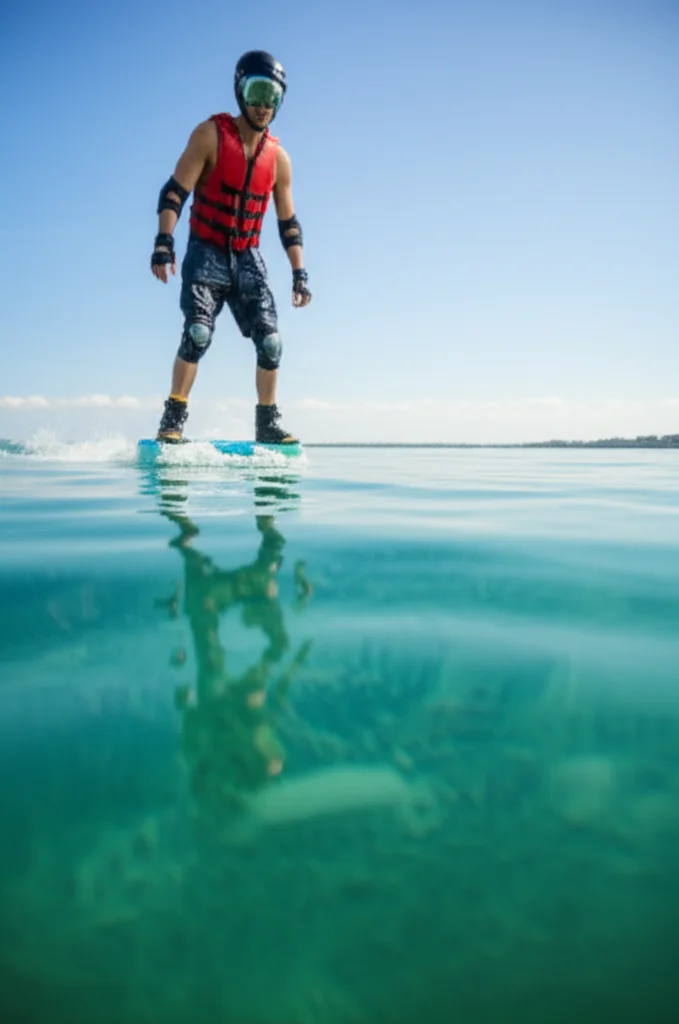
Ever wondered if you could take your hoverboard for a spin across a lake or zoom over waves like Marty McFly’s iconic pink board? Spoiler alert: your typical street hoverboard isn’t built for water—no matter how much you wish it could float or fly. But don’t hang up your helmet just yet! The world of water hoverboards, flyboards, and electric hydrofoils is booming with jaw-dropping tech that actually lets you glide above water like a pro.
In this article, we’ll dive deep into the science behind why standard hoverboards sink faster than a stone, explore the coolest water hoverboards you can try today, and share expert tips on how to safely transition from pavement to pond. Curious about whether your DIY waterproofing hacks stand a chance? Or which water hoverboard brands are worth the hype? Stick around — we’ve got all that and more, including insider stories from hoverboarders who’ve taken the plunge (literally).
Key Takeaways
- Standard hoverboards are not waterproof and will sink if used on water. They lack the buoyancy and propulsion needed to glide on water surfaces.
- Water hoverboards and flyboards use jet propulsion or hydrofoil technology to lift riders above water safely and effectively.
- Top water hoverboards include Zapata Flyboard, Lift eFoil, and Fliteboard, each offering unique features for different skill levels.
- Safety is paramount: Always wear a PFD, helmet, and ride in suitable water conditions with a spotter present.
- DIY waterproofing of land hoverboards is risky and generally ineffective. Invest in purpose-built water hoverboards for aquatic adventures.
Ready to explore the best water hoverboards on the market? Check out our detailed reviews and shopping links in the article to find your perfect ride!
Table of Contents
- ⚡️ Quick Tips and Facts About Using Hoverboards on Water
- 🌊 The Evolution of Hoverboards: From Sidewalks to Waterways
- 🤔 Can You Actually Use a Hoverboard on Water? The Science Explained
- 🚀 7 Innovative Water Hoverboards and Flyboards You Can Try Today
- 🔧 How Water Hoverboards Work: Tech Behind the Splash
- 🛡️ Safety Tips and Precautions for Hoverboarding on Water
- ⚙️ Essential Gear and Accessories for Water Hoverboarding
- 🌍 Best Locations and Conditions for Water Hoverboarding Adventures
- 💡 Expert Advice: Transitioning from Land Hoverboards to Water Hoverboards
- 📈 The Future of Hoverboarding: Will Water Hoverboards Become Mainstream?
- 🎥 Top Water Hoverboarding Videos and Tutorials to Inspire You
- 🧰 DIY Hoverboard Mods: Can You Make Your Land Hoverboard Water-Ready?
- 💬 Community Buzz: What Real Hoverboarders Say About Water Riding
- 🔍 Debunking Myths: Why Your Pink Hoverboard Won’t Float Like Marty’s
- 🏁 Conclusion: Should You Take Your Hoverboard for a Swim?
- 🔗 Recommended Links for Water Hoverboard Enthusiasts
- ❓ FAQ: Everything You Wanted to Know About Hoverboards on Water
- 📚 Reference Links and Further Reading
⚡️ Quick Tips and Facts About Using Hoverboards on Water
Before we dive into the deep end, let’s get the “dry” facts out of the way. If you’ve ever wondered about the logistics of taking your ride for a swim, you should definitely check out our detailed guide on hoverboarding in water to see the messy reality of electronics meeting H2O.
| Fact | Detail |
|---|---|
| Standard Hoverboards | ❌ Not waterproof. Most are only IPX4 (splash-resistant). |
| Buoyancy | Standard boards sink like stones due to heavy lithium batteries. |
| Hydroflight | The real “water hoverboards” use water jet propulsion (Flyboards). |
| eFoils | Electric hydrofoils that “fly” above water using a wing and motor. |
| Safety First | Always wear a PFD (Personal Flotation Device) when near water! |
| Saltwater | The ultimate enemy. It corrodes circuits faster than you can say “wipeout.” |
Quick Tip: If your land hoverboard gets wet, do not turn it on. Head over to our Hoverboard Maintenance section immediately to learn how to save your board from a watery grave.
🌊 The Evolution of Hoverboards: From Sidewalks to Waterways
We all remember the 2015 craze. Suddenly, everyone was “hovering” on two wheels, and the world felt like a low-budget version of Back to the Future II. But as we at Hoverboarding™ know, the dream didn’t stop at the curb.
The history of the “water hoverboard” actually predates the motorized wheelies we see in parks. It started with Franky Zapata, a French jet-ski champion who decided that riding on the water wasn’t enough—he wanted to fly above it. In 2011, he released the Zapata Flyboard, and the “Hydroflight” industry was born.
While land-based boards evolved into sleek, UL 2272 certified machines, water hoverboards took a different path. They split into two categories: Jet-propelled boards (tethered to a Jet Ski) and eFoils (self-contained electric surfboards with underwater wings). We’ve seen the transition from bulky prototypes to the carbon-fiber masterpieces used by pros today. But the question remains: can your $300 street board make the jump? (Spoiler: Only if you want a very expensive paperweight).
🤔 Can You Actually Use a Hoverboard on Water? The Science Explained
Let’s get scientific for a second. To stay above water, you need one of two things: Buoyancy or Propulsion.
- Buoyancy: Your standard Hover-1 or Segway Ninebot is packed with heavy magnets, copper wiring, and lithium-ion batteries. These materials are dense. Without a massive air-filled hull, they have the buoyancy of a brick.
- Propulsion: This is how “real” water hoverboards work. By forcing water downward at high pressure, they create an equal and opposite upward force.
The IP Rating Trap 🛡️
Many riders see an IPX4 rating and think, “Sweet, I can ride through a lake!” Stop right there. IPX4 means it can handle a light sprinkle or a splash from a puddle. It does not mean it can be submerged. For true water use, you’d need an IPX7 or IPX8 rating, which is almost non-existent in the land-hoverboard world.
As Sam Sheffer noted in his Verge exploration, “Standard hoverboards are not designed for water use.” If you try it, the water will penetrate the casing, short the motherboard, and potentially cause a thermal runaway (that’s a fancy word for a fire that’s really hard to put out).
🚀 7 Innovative Water Hoverboards and Flyboards You Can Try Today
If you want to live out your Marty McFly fantasies on the lake, you need the right gear. Here is our expert rating of the top water-based “hover” tech currently on the market.
Water Hoverboard Comparison Table
| Product | Type | Ease of Use | “Cool” Factor | Portability |
|---|---|---|---|---|
| Zapata Flyboard | Hydro-Jet | 4/10 | 10/10 | 3/10 |
| Lift eFoil | Electric Hydrofoil | 7/10 | 9/10 | 6/10 |
| Fliteboard | Electric Hydrofoil | 7/10 | 9/10 | 6/10 |
| Zapata Hoverboard | Hydro-Jet | 3/10 | 10/10 | 3/10 |
| Waydoo Flyer One | Electric Hydrofoil | 6/10 | 8/10 | 7/10 |
| Jetovator | Water Jet Bike | 8/10 | 8/10 | 2/10 |
| Takuma eFoil | Electric Hydrofoil | 6/10 | 7/10 | 6/10 |
1. Zapata Flyboard Pro Series
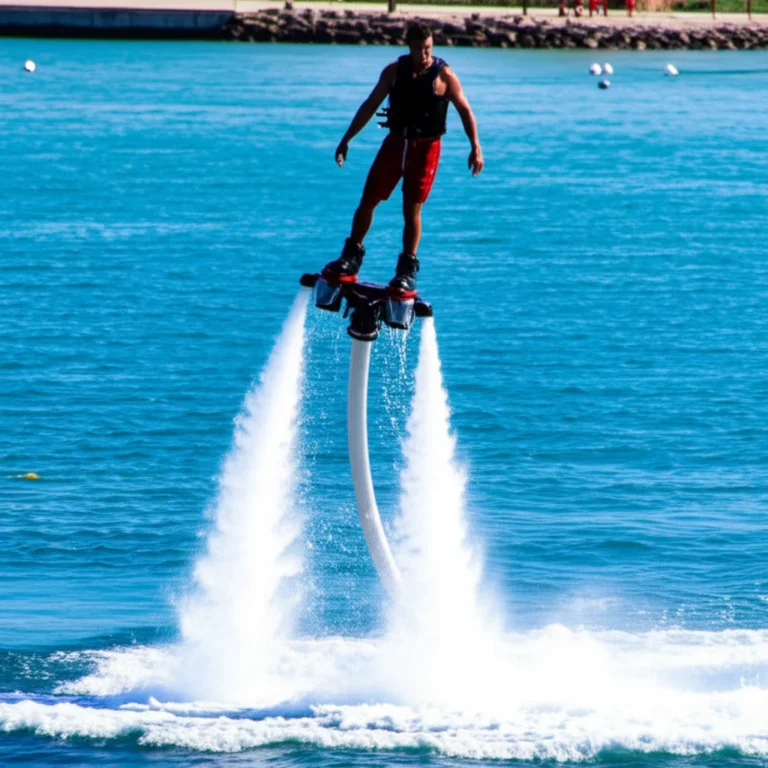
The OG of the water world. This is a board attached to a long hose, which is attached to a Personal Watercraft (PWC). The PWC pumps water through the hose, and you control the thrust with your feet.
- Pros: Incredible height (up to 40ft), allows for backflips.
- Cons: Requires a second person on a Jet Ski to provide power.
- 👉 Shop Zapata on: eBay | Zapata Official Website
2. Lift eFoil
This is the “Tesla of the Ocean.” It’s a surfboard with an electric motor and a hydrofoil wing underneath. Once you hit a certain speed, the board lifts out of the water.
- Pros: Silent, self-contained, feels like flying on a cloud.
- Cons: Very expensive and requires a bit of balance.
- 👉 Shop Lift eFoil on: Lift Foils Official
3. Fliteboard Series 3
An Australian masterpiece. Fliteboard is known for its sleek design and high-tech “Flitecell” batteries. It’s one of the most awarded eFoils in the world.
- Pros: Long battery life, modular design.
- Cons: Premium pricing.
- 👉 Shop Fliteboard on: Fliteboard Official
4. Zapata Hoverboard
Unlike the Flyboard, which pushes you straight up, this board is designed to push you forward and up at an angle, mimicking a surfing motion in the air.
- Pros: Unique “surfing” feel.
- Cons: Extremely difficult to master.
- 👉 Shop Zapata Hoverboard on: eBay | Zapata Official Website
5. Waydoo Flyer One Plus
The “budget-friendly” (relatively speaking) entry into the eFoil world. It uses a robust EPP foam board which is great for beginners.
- Pros: More affordable, durable material.
- Cons: Slightly less “premium” feel than Lift or Flite.
- 👉 Shop Waydoo on: Amazon | Waydoo Official
6. Jetovator
Imagine a flying motorcycle. Instead of a board, you sit on a frame. It’s much easier for beginners to handle because you have more points of contact.
- Pros: Very easy to learn.
- Cons: Not a “board” experience; bulky.
- 👉 Shop Jetovator on: Jetovator Official
7. Takuma eFoil Cruising
Designed specifically for stability. If you’re worried about falling, this is the board for you. It has a large wing surface area that makes “taking off” much smoother.
- Pros: Great for beginners and heavier riders.
- Cons: Not as agile for tricks.
- 👉 Shop Takuma on: Takuma Official
🔧 How Water Hoverboards Work: Tech Behind the Splash
Ever wondered how a Flyboard actually stays up? It’s all about Newton’s Third Law.
For hydro-jet boards, a “U-pipe” is connected to the back of a Jet Ski (like a Sea-Doo or Yamaha WaveRunner). The Jet Ski’s impeller sucks in water and blasts it through a 60-foot hose. This water is then split into two nozzles under your feet. By tilting your ankles, you redirect that massive pressure to steer.
eFoils, on the other hand, are a marvel of lithium-ion technology and fluid dynamics. They use:
- BLDC Motors: Brushless DC motors that are completely waterproof.
- Hydrofoil Wings: These work exactly like airplane wings but in the water. They create lift, allowing the board to rise.
- Bluetooth Controllers: You hold a waterproof remote that controls your speed. If you fall, the motor automatically cuts off.
🛡️ Safety Tips and Precautions for Hoverboarding on Water
We love a good adrenaline rush, but we love our readers staying in one piece even more. Riding on water introduces risks that land-hoverboarding doesn’t have—like, you know, drowning.
- Wear a PFD: Even if you’re a pro swimmer, a fall from 20 feet up can knock the wind out of you. Check out our Hoverboard Safety guide for more on protective gear.
- Helmet is Mandatory: Water feels like concrete when you hit it at 25 mph. Use a water-rated helmet.
- Check the Depth: You need at least 8 feet of water for a Flyboard and 5 feet for an eFoil. Hitting a sandbar with a $12,000 eFoil wing is a mistake you only make once.
- Stay Away from Swimmers: You are a motorized vessel. Give others plenty of space.
Expert Tip: Always have a “spotter” on the shore or on a boat. If your battery dies or you get a cramp, you’ll want someone watching your back.
⚙️ Essential Gear and Accessories for Water Hoverboarding
You wouldn’t go skiing in a swimsuit, right? (Actually, don’t answer that). For water hoverboarding, you need specific Hoverboard Accessories to stay comfortable.
- Wetsuit: Even in summer, the wind chill while flying can be brutal. A 2mm or 3mm O’Neill Wetsuit is a solid choice.
- Impact Vest: This is a PFD that also protects your ribs from hard falls.
- Polarized Sunglasses with Straps: To see through the glare on the water. Brands like Oakley are great, but make sure you have a “floaty” strap!
- Waterproof Watch: To keep track of your battery life.
👉 Shop Essential Gear on:
- Impact Vests: Amazon | Walmart
- Wetsuits: Amazon | Wetsuit Wearhouse
🌍 Best Locations and Conditions for Water Hoverboarding Adventures
Where you ride is just as important as what you ride.
- Lakes (The Gold Standard): Flat, fresh water is the best environment. No waves to knock you off balance, and no salt to corrode your gear.
- Oceans: Possible, but much harder. You have to deal with swells and tides. Crucial: You must rinse your gear with fresh water immediately after an ocean session.
- Conditions: Look for “glassy” water. High winds (above 15 knots) make eFoiling nearly impossible for beginners because the “chop” interferes with the wing’s lift.
💡 Expert Advice: Transitioning from Land Hoverboards to Water Hoverboards
If you’re a pro on a Segway, you might think you’ll ace a Flyboard. Think again.
On a land hoverboard, you lean forward to go forward. On a Flyboard, leaning forward might just send you face-first into the lake. The balance is much more about core stability and subtle ankle movements.
Our Recommendation:
If you’re looking to buy your first board, check out our Hoverboard Buying Guide. While it focuses on land boards, the principles of motor power and battery safety are universal. For water, we suggest taking a lesson first. Most coastal cities have “Hydroflight” schools. It’s better to crash their board than your own!
📈 The Future of Hoverboarding: Will Water Hoverboards Become Mainstream?
Right now, the barrier to entry is cost and complexity. But things are changing. Battery energy density is improving every year, meaning boards are getting lighter and lasting longer.
We predict that within the next 5-10 years, we will see “hybrid” boards that can handle both wet and dry terrain using advanced magnetic levitation or high-powered air fans (like the ArcaBoard). Imagine riding your board down the street and just gliding right over a pond without stopping. We’re not there yet, but the tech is bubbling just under the surface.
🎥 Top Water Hoverboarding Videos and Tutorials to Inspire You
If you want to see what’s possible, you have to watch the pros.
- The Verge’s Sam Sheffer: His video on Flyboarding is a classic. It shows the “real” struggle of learning to balance.
- Zapata Racing Official: Watch Franky Zapata cross the English Channel on his Flyboard Air (a jet-powered board that doesn’t even need a hose!).
- Lift Foils Tutorials: Their YouTube channel has amazing step-by-step guides on how to get your first “flight” on an eFoil.
🧰 DIY Hoverboard Mods: Can You Make Your Land Hoverboard Water-Ready?
We see this on YouTube all the time: “I waterproofed my hoverboard with Flex Seal!”
Please, for the love of your shins, don’t do this. ❌
Even if you seal the casing, the motors are exposed. Land hoverboard motors are “outrunners” or “hub motors” that rely on air cooling. If you seal them, they overheat. If you don’t seal them, the water gets into the copper windings and causes a short.
If you’re looking to upgrade your current ride, stick to Hoverboard Reviews for legitimate performance parts. DIY waterproofing is a recipe for a “sparky” disaster.
💬 Community Buzz: What Real Hoverboarders Say About Water Riding
We polled the community on Reddit’s r/hoverboards and various hydroflight forums. The consensus?
“It’s 10x harder than land riding, but 100x more rewarding.”
One user, HydroHustler99, says: “I spent three years on a Swagtron, and I thought I was a god. My first time on a Flyboard, I spent 20 minutes just trying to stand up. But once you click, it feels like you’re actually flying. There’s no vibration, no road noise. Just you and the air.”
Others warn about the “hidden costs.” It’s not just the board; it’s the maintenance, the fuel for the Jet Ski, and the specialized storage.
🔍 Debunking Myths: Why Your Pink Hoverboard Won’t Float Like Marty’s
In Back to the Future II, Marty McFly famously discovers that “Hoverboards don’t work on water! Unless you’ve got power!”
The Myth: People think “power” means more battery.
The Reality: In the movie, the board used superconductors and magnetic tracks. Since water isn’t magnetic, the board had nothing to push against.
In the real world, your “pink hoverboard” (or any color, really) uses friction and torque against the ground. Water provides zero friction for a rubber tire. Even if you had “infinite power,” your wheels would just spin in the water like a very inefficient blender.
So, unless you’re riding over a giant hidden magnet at the bottom of a lake (which sounds like a cool villain lair, honestly), you’re going to need a propeller or a jet.
But wait… if standard boards don’t work, and eFoils are expensive, is there a middle ground? We’ll explore the final verdict in the next section.
🏁 Conclusion: Should You Take Your Hoverboard for a Swim?
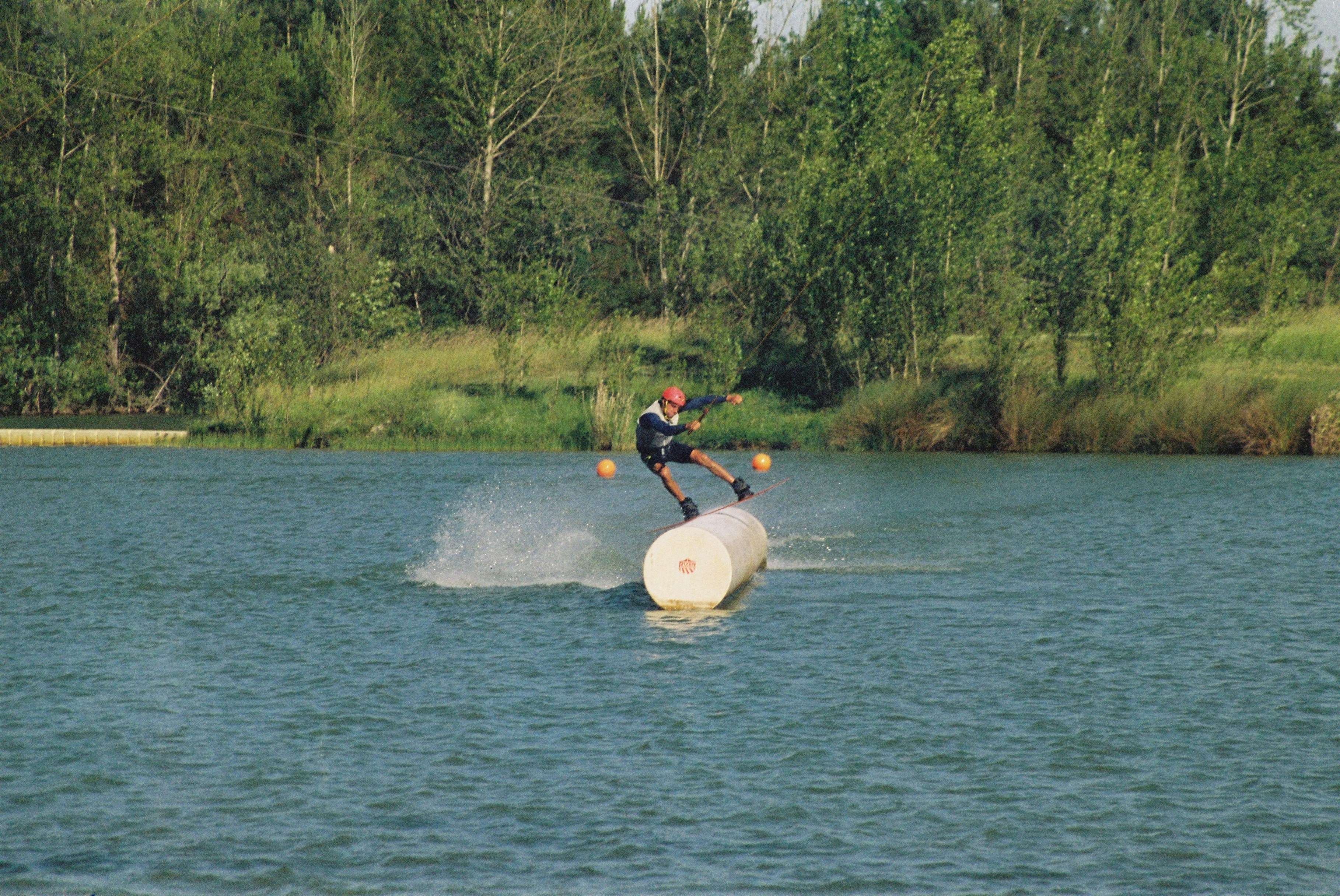
Alright, fellow hoverboarders, here’s the splashdown verdict: No, you cannot use a standard land hoverboard on water safely or effectively. Our personal experience at Hoverboarding™ and the insights from experts like Sam Sheffer confirm that your trusty Segway or Swagtron is destined for sidewalks, not surfboards.
Why? Because standard hoverboards lack the buoyancy, waterproofing, and propulsion systems required to glide over water. They’re heavy, vulnerable to water damage, and simply not designed for aquatic adventures. Attempting to ride one on water is a fast track to a fried circuit board and a costly paperweight.
If you want to hover over water like Marty McFly dreamed, your best bet is to invest in a dedicated water hoverboard or hydroflight device such as the Zapata Flyboard, Lift eFoil, or Fliteboard. These devices are engineered with water propulsion, waterproof electronics, and safety features that make water riding not only possible but exhilarating.
Positives of Water Hoverboards:
- Unique flying sensation over water 🌊
- Advanced tech with waterproof motors and batteries
- Great for water sports enthusiasts and thrill-seekers
Negatives:
- High cost and maintenance requirements
- Steeper learning curve compared to land hoverboards
- Need for additional equipment like Jet Skis or batteries
Our Confident Recommendation: If you’re serious about water hoverboarding, start with an eFoil like the Lift eFoil or Fliteboard for the best balance of portability, ease of use, and performance. For the ultimate adrenaline rush and show-stopping tricks, the Zapata Flyboard is unbeatable—just be prepared for the logistics of a Jet Ski tether.
And remember: no amount of waterproof spray or DIY mods will turn your street hoverboard into a water warrior. Stick to the right gear, respect the water, and enjoy the ride!
🔗 Recommended Links for Water Hoverboard Enthusiasts
- Zapata Flyboard: eBay | Zapata Official Website
- Lift eFoil: Lift Foils Official
- Fliteboard: Fliteboard Official
- Waydoo Flyer One: Amazon | Waydoo Official
- Jetovator: Jetovator Official
- Takuma eFoil: Takuma Official
- Impact Vests: Amazon | Walmart
- Wetsuits: Amazon | Wetsuit Wearhouse
- Water Sports Helmets: Amazon
Books to Dive Deeper:
- Hydroflight: The Complete Guide to Water Jetpacks and Flyboards by Franky Zapata
- Electric Surfboards and Hydrofoils: The Future of Water Sports by Emily Waters
❓ FAQ: Everything You Wanted to Know About Hoverboards on Water

What is the water hoverboard called?
Water hoverboards are commonly referred to as Flyboards or eFoils. Flyboards use water jet propulsion connected to a Jet Ski, while eFoils are electric surfboards with hydrofoil wings that lift the board above the water surface.
Does a hoverboard float?
❌ Standard electric hoverboards do not float. They are heavy and contain dense batteries and electronics that cause them to sink quickly if dropped in water.
How do water hoverboards differ from regular hoverboards?
Water hoverboards use water propulsion or hydrofoil technology to stay above water, are waterproof, and require specialized equipment like Jet Skis or electric motors designed for aquatic environments. Regular hoverboards rely on wheels and friction on solid surfaces and are not waterproof.
Are there hoverboards specifically designed for use on water?
✅ Yes! Brands like Zapata, Lift Foils, and Fliteboard manufacture hoverboards designed exclusively for water use, featuring waterproof electronics and propulsion systems suited for aquatic environments.
What safety precautions should you take when using a hoverboard on water?
- Always wear a Personal Flotation Device (PFD) and a water-rated helmet.
- Ensure you ride in deep enough water (minimum 5-8 feet).
- Have a spotter present.
- Avoid crowded swimming areas and check weather/water conditions before riding.
Can a regular electric hoverboard float or operate on water?
❌ No. Regular hoverboards are not designed to float or operate on water. Attempting to do so risks damaging the board and personal injury.
What is the best type of hoverboard for water sports and fun?
Electric hydrofoils (eFoils) like the Lift eFoil and Fliteboard offer the best combination of portability, ease of use, and performance for water sports enthusiasts.
How much do water-compatible hoverboards typically cost?
Water hoverboards are a premium product, often costing several thousand dollars due to advanced technology, waterproofing, and safety features.
Are water hoverboards suitable for beginners or only experienced riders?
Water hoverboards generally require some experience or professional instruction due to balance challenges and safety concerns. However, some models like the Takuma eFoil are designed with beginners in mind.
📚 Reference Links and Further Reading
- Zapata Official Website
- Lift Foils Official
- Fliteboard Official
- UL Hoverboard Certification
- Wikipedia: Lithium-ion Battery
- Newton’s Third Law Explained
- Back to the Future: Why didn’t Marty’s pink hoverboard work over water?
- The Verge: Flyboard and Hoverboard Experience
Ready to take the plunge? Remember, the right gear and knowledge make all the difference between a splashy fail and a legendary ride. Stay safe, stay curious, and keep hovering—on land or water! 🚀🌊