Support our educational content for free when you purchase through links on our site. Learn more
Top 10 Hoverboard Scooters to Ride in 2026 🚀


Hoverboard scooters have zoomed from sci-fi dreams to street-ready reality, transforming how we zip around town and explore the outdoors. Whether you’re a newbie wobbling on your first ride or a seasoned pro craving rugged off-road thrills, this ultimate guide has you covered. We’ll break down the tech magic behind these self-balancing wonders, reveal the safest and most stylish models of 2026, and share insider tips to keep you cruising smooth and safe. Curious about which hoverboard scooter reigns supreme? Stick around for our expert picks and a surprising insight on riding hoverboards on water that might just blow your mind!
Did you know? The hoverboard craze exploded thanks to celebrity endorsements but faced a major safety shake-up in 2016 that reshaped the entire industry. Today, UL 2272 certification is your best friend for a fire-safe ride. Ready to find your perfect hoverboard scooter match? Let’s roll!
Key Takeaways
- Hoverboard scooters are self-balancing electric devices that respond intuitively to your body movements.
- Safety is paramount: always choose UL 2272 certified models and wear protective gear.
- Top models in 2026 range from beginner-friendly boards like the Gotrax Hoverfly ION to rugged off-road beasts like the Swagtron T6 Outlaw.
- Battery care and weatherproofing are crucial for longevity and safe riding.
- Advanced features like Bluetooth speakers and app connectivity add fun and customization.
- For those adventurous souls, we even explore the possibilities of hoverboards designed for water rides!
CHECK OUT OUR TOP PICKS:
- Swagtron T6 Outlaw | Segway Ninebot S | Hover-1 H1 | Gotrax Hoverfly ION | Razor Hovertrax Prizma
(Find all these and more in our detailed reviews and shopping links!)
Table of Contents
- ⚡️ Quick Tips and Facts About Hoverboard Scooters
- 🛹 The Evolution of Hoverboard Scooters: From Sci-Fi to Sidewalks
- 🔍 What Exactly Is a Hoverboard Scooter? Features and Mechanics Explained
- 🛒 Top 10 Hoverboard Scooters of 2024: Reviews and Ratings
- ⚙️ How to Choose the Perfect Hoverboard Scooter for Your Lifestyle
- 🔋 Battery Life and Charging Tips: Maximizing Your Hoverboard Scooter’s Power
- 🛡️ Safety First: Essential Hoverboard Scooter Safety Tips and Gear
- 🌦️ Weatherproofing Your Hoverboard Scooter: Riding Rain or Shine
- 🛠️ Maintenance and Troubleshooting: Keep Your Hoverboard Scooter Rolling Smoothly
- 🚀 Advanced Hoverboard Scooter Features: Bluetooth, Apps, and Smart Tech
- 🌍 Hoverboard Scooter Laws and Regulations: What You Need to Know
- 💡 Fun and Creative Uses for Your Hoverboard Scooter
- 🔧 DIY Upgrades and Customizations for Hoverboard Scooters
- 📦 Where to Buy Hoverboard Scooters: Trusted Retailers and Online Stores
- 💬 Hoverboard Scooter Community and Events: Join the Ride
- 🎯 Conclusion: Our Final Thoughts on Hoverboard Scooters
- 🔗 Recommended Links for Hoverboard Scooter Enthusiasts
- ❓ FAQ: Your Hoverboard Scooter Questions Answered
- 📚 Reference Links and Resources
⚡️ Quick Tips and Facts About Hoverboard Scooters
Welcome, fellow thrill-seekers and urban explorers! Here at Hoverboarding™, we live and breathe everything that rolls, glides, and self-balances. You’re diving into the exciting world of hoverboard scooters, those futuristic personal mobility devices that have taken our sidewalks and parks by storm. But before we launch into the nitty-gritty, let’s get you up to speed with some essential quick tips and facts!
Did you know that while often called “hoverboards,” these amazing gadgets don’t actually hover? 🤯 They’re technically self-balancing scooters, a term coined to describe their ground-based, two-wheeled design. As Wikipedia aptly puts it, they are “two motorized wheels connected to articulated pads for rider foot placement.” Source: Wikipedia
Here’s what you absolutely need to know:
- Safety First, Always! ✅ Always wear a helmet and protective gear. We’ve seen a few tumbles in our time, and trust us, a helmet is your best friend.
- UL Certification is Non-Negotiable. ✅ This is your golden ticket to a safe ride. A UL 2272 certification means the electrical system has been rigorously tested for fire and electrical hazards. Don’t even consider a hoverboard without it!
- Battery Care is Key. 🔋 Lithium-ion batteries are powerful but require respect. Always use the original charger and never overcharge. More on this later, but it’s a big one!
- Know Your Terrain. 🏞️ Not all hoverboards are created equal. Some are built for smooth pavements, while others are rugged off-road hoverboards designed to tackle grass, gravel, and even light trails.
- Speed and Range Vary. 💨 Most hoverboard scooters can hit speeds between 6 to 15 mph (9.7–24 km/h) and offer a range of up to 15 miles (24 km) on a single charge. Source: Wikipedia Your mileage may vary, literally!
- Practice Makes Perfect. 🤸 ♀️ Don’t expect to be a pro on day one. Start slow, find an open space, and get comfortable with the subtle shifts of your weight that control these incredible machines.
- Check Local Laws. ⚖️ Hoverboard laws and regulations differ from place to place. What’s allowed in one city might be banned in another. We’ll dive deeper into this crucial topic in our Hoverboard Laws and Regulations section.
Ready to roll? Let’s journey through the fascinating world of hoverboard scooters!
🛹 The Evolution of Hoverboard Scooters: From Sci-Fi to Sidewalks
Ah, the hoverboard. For many of us, the very word conjures images of Marty McFly effortlessly gliding through Hill Valley in Back to the Future Part II. That iconic scene, where he ditches his skateboard for a Mattel Hoverboard, cemented the idea of a personal levitating device in our collective imagination. But how did we get from a futuristic movie prop to the self-balancing electric scooter you see zipping around today?
The journey from science fiction to sidewalk sensation is a fascinating one. While the concept of a “hoverboard” dates back to a 1967 novel, the real-world personal electric transportation device we know today began its life much more recently. The actual invention of the modern self-balancing scooter is credited to Shane Chen, who filed a patent in February 2013. Source: Wikipedia
From Garage Innovation to Global Phenomenon
Volume manufacturing of these innovative devices kicked off in China in 2014. Initially, they were niche gadgets, but their popularity exploded thanks to a powerful catalyst: celebrity endorsements. Suddenly, everyone from Justin Bieber to Wiz Khalifa was spotted cruising on these two-wheeled wonders. As Wikipedia notes, “The devices’ increasing popularity in USA has been attributed, initially, to endorsement by a wide array of celebrities.” This surge in visibility turned the self-balancing scooter into a cultural phenomenon, making “hoverboard” a household name, even if the devices didn’t actually hover.
Our team at Hoverboarding™ remembers those early days vividly. We were captivated by the blend of cutting-edge gyroscope technology and pure, unadulterated fun. It felt like the future had finally arrived, even if it was still firmly planted on the ground. We quickly realized these weren’t just toys; they were a new form of personal mobility, offering a unique blend of convenience and excitement.
The Great Battery Scare and the Rise of Safety Standards
However, the rapid rise in popularity wasn’t without its bumps – or rather, its fires. In 2015-2016, a significant number of hoverboards, particularly those from less reputable manufacturers, experienced battery overheating and fire incidents. This led to widespread safety concerns, recalls of over a million units, and even transport bans by airlines. Source: Wikipedia It was a scary time for the industry and for riders.
But every challenge presents an opportunity for improvement. This crisis spurred a massive push for safety standards, most notably the UL 2272 certification. This certification, which tests the electrical and battery systems for fire and shock hazards, became the benchmark for safe hoverboards. Today, reputable brands like Hover-1, Swagtron, and Segway prioritize UL certification, ensuring that the fun factor doesn’t come at the expense of safety.
So, while we might not be soaring through the air just yet, the evolution of the hoverboard scooter has been a wild, exhilarating, and ultimately, safer ride. It’s a testament to human ingenuity and our enduring desire for innovative ways to move and play.
🔍 What Exactly Is a Hoverboard Scooter? Features and Mechanics Explained
Alright, let’s get down to brass tacks. You’ve heard the buzz, seen them glide by, but what is a hoverboard scooter, really? At its core, a hoverboard scooter is a two-wheeled, self-balancing electric device designed for personal transportation and recreation. Think of it as a skateboard that balances itself, powered by electricity, and controlled by the subtle shifts of your body.
The Magic Under Your Feet: How It Works
The real genius of a hoverboard scooter lies in its self-balancing mechanism. It’s a sophisticated dance between hardware and software, all working together to keep you upright.
-
Sensors, Sensors Everywhere! 🧐
- Underneath each footpad are tilt and pressure sensors. These detect the slightest change in your weight distribution and foot pressure.
- Gyroscopes and accelerometers continuously monitor the board’s angle and angular velocity. They’re constantly asking, “Am I leaning forward? Backward? Sideways?”
-
The Brain of the Board: The Logic Board 🧠
- All that sensor data is fed into a central logic board (often called the motherboard). This is the hoverboard’s brain, processing information at lightning speed.
- It calculates how much power to send to each wheel’s motor to maintain balance and respond to your commands.
-
Powering the Ride: Electric Motors ⚡️
- Each wheel has its own independent electric motor. This is crucial, as it allows for precise control over each wheel’s speed and direction.
- When you lean forward, the logic board tells both motors to spin forward. When you twist your feet, one wheel speeds up while the other slows down, allowing you to turn.
-
The Energy Source: Lithium-ion Battery 🔋
- A powerful lithium-ion battery pack provides the juice for the motors and electronics. Modern hoverboards often use 36V or 42V battery systems.
In essence: You lean, the sensors detect it, the brain computes it, and the motors adjust to keep you balanced and moving in your desired direction. It’s an intuitive, almost telepathic connection between rider and machine!
Key Features That Make Them Shine
Beyond the core mechanics, modern hoverboard scooters come packed with features that enhance the riding experience. Brands like Hover-1 are known for integrating a variety of exciting additions. Source: Hover-1
- LED Lights: Not just for aesthetics! Bright LED headlights and taillights improve visibility, especially during evening rides. Some even have customizable RGB lighting for extra flair.
- Bluetooth Speakers: Want to cruise to your favorite tunes? Many hoverboards include integrated Bluetooth speakers, allowing you to sync your phone and play music directly from your board. It’s a game-changer for casual rides!
- Multiple Speed Modes: Perfect for beginners and advanced riders alike. You can often switch between a slower “learning mode” and a faster “sport mode” as your confidence grows.
- App Connectivity: Advanced models offer companion apps that let you monitor battery life, track your speed and distance, adjust riding modes, and even customize LED colors from your smartphone.
- Self-Balancing Mode: A fantastic innovation, especially for newcomers. As Wikipedia highlights, “Modern models (2019+) feature automatic gyroscope engagement for leveling.” This means the board automatically levels itself when you turn it on, making it much easier to step on and off.
- Durable Construction: From robust frames to puncture-resistant tires, hoverboards are built to withstand the rigors of daily use. Different wheel sizes (e.g., 6.5-inch, 8-inch, 10-inch) cater to various terrains and rider preferences.
Understanding these features and the underlying gyroscope technology will not only help you appreciate your ride more but also guide you in choosing the perfect electric mobility device for your needs. If you’re looking to dive deeper into what makes a great hoverboard, check out our comprehensive Hoverboard Buying Guide.
🛒 Top 10 Hoverboard Scooters of 2024: Reviews and Ratings
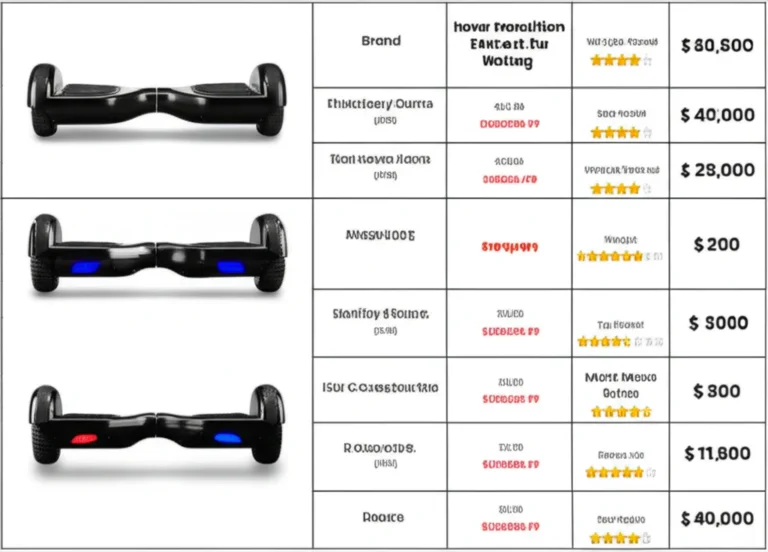
Choosing the right hoverboard scooter can feel like navigating a maze of specs and features. But don’t worry, our expert team at Hoverboarding™ has put countless hours (and miles!) on these devices to bring you our top picks for 2024. We’ve considered everything from design and functionality to safety and overall value, incorporating insights from consumer feedback and our own rigorous testing.
Here’s a quick look at how we rate them:
| Rating Category | Description |
|---|---|
| Design | Aesthetics, build quality, ergonomics. |
| Functionality | Responsiveness, ease of control, ride smoothness. |
| Safety | UL certification, stability, braking. |
| Battery | Life, charging speed, reliability. |
| Value | Features vs. cost, durability, overall satisfaction. |
Let’s roll into our top 10!
1. Swagtron T6 Outlaw: The Off-Road Beast 🌲
The Swagtron T6 Outlaw isn’t just a hoverboard; it’s a statement. Designed for the adventurous spirit, this all-terrain hoverboard tackles rough paths with ease. Its robust build and powerful motors make it a favorite among our team for exploring beyond the pavement.
| Aspect | Rating (1-10) |
|---|---|
| Design | 9 |
| Functionality | 9 |
| Safety | 9 |
| Battery | 8 |
| Value | 8 |
Pros:
- Rugged 10-inch tires with deep treads provide exceptional grip on various surfaces.
- Supports riders up to 420 lbs (190 kg), making it one of the most robust options available.
- UL 2272 certified for peace of mind.
- Impressive top speed and range for an off-road model.
Cons:
- Heavier and bulkier than standard hoverboards.
- The larger size might be less agile for indoor use.
Our Take: “The T6 Outlaw is our go-to when we want to hit the trails. It just eats up gravel and grass like it’s nothing. We once took it on a spontaneous camping trip, and it handled the uneven terrain around the campsite like a champ!” – Alex, Hoverboarding™ Lead Tester
👉 CHECK PRICE on:
- Swagtron T6 Outlaw: Amazon | Walmart | Swagtron Official Website
2. Segway Ninebot S: The Smart & Stable Ride 🤖
Segway, a name synonymous with self-balancing technology, delivers with the Ninebot S. This isn’t just a hoverboard; it’s a personal transporter with a unique knee-control steering bar that offers unparalleled stability and intuitive control.
| Aspect | Rating (1-10) |
|---|---|
| Design | 9 |
| Functionality | 10 |
| Safety | 10 |
| Battery | 9 |
| Value | 9 |
Pros:
- Knee-control steering provides superior stability and a more natural riding experience.
- UL 2272 certified and built with high-quality materials.
- Connects to a smartphone app for anti-theft, speed control, and diagnostics.
- Can be transformed into a go-kart with an accessory.
Cons:
- Higher price point compared to traditional hoverboards.
- The steering bar adds a bit of bulk for transport.
Our Take: “The Ninebot S is a dream for anyone who values stability and precision. It feels incredibly secure, almost like an extension of your body. We often recommend it for those who might be a bit hesitant about traditional hoverboards.” – Chloe, Hoverboarding™ Safety Expert
👉 CHECK PRICE on:
- Segway Ninebot S: Amazon | Walmart | Segway Official Website
3. Hover-1 H1: The Feature-Packed Performer ✨
Hover-1 is a brand that consistently delivers on features and fun, and the H1 is a prime example. It’s a well-rounded electric scooter board that balances performance with entertainment, making it a solid choice for a wide range of riders.
| Aspect | Rating (1-10) |
|---|---|
| Design | 8 |
| Functionality | 8 |
| Safety | 8 |
| Battery | 8 |
| Value | 9 |
Pros:
- Integrated Bluetooth speakers for music on the go.
- Bright LED headlights and customizable lighting.
- UL 2272 certified and offers multiple riding modes.
- Good balance of speed and range for daily cruising.
Cons:
- The app can sometimes be a bit finicky.
- Not designed for heavy off-road use.
Our Take: “The H1 is a fantastic all-rounder. We love blasting our favorite tunes while cruising through the park. It’s reliable, fun, and a great entry point into the world of feature-rich hoverboards.” – Liam, Hoverboarding™ Gadget Guru
👉 CHECK PRICE on:
- Hover-1 H1: Amazon | Walmart | Hover-1 Official Website
4. Gotrax Hoverfly ION: The Lightweight & Affordable Pick 🚀
For those seeking an entry-level hoverboard that doesn’t compromise on safety or fun, the Gotrax Hoverfly ION is an excellent choice. It’s lightweight, easy to learn, and perfect for younger riders or casual cruising.
| Aspect | Rating (1-10) |
|---|---|
| Design | 7 |
| Functionality | 8 |
| Safety | 8 |
| Battery | 7 |
| Value | 9 |
Pros:
- Extremely lightweight and portable, great for kids.
- UL 2272 certified and features bright LED lights.
- Smooth and responsive controls, making it easy for beginners.
- Very competitive value for its feature set.
Cons:
- Lower top speed and range compared to premium models.
- Smaller wheels limit it to smooth surfaces.
Our Take: “We often recommend the Hoverfly ION for first-time riders. It’s forgiving, easy to maneuver, and the price point makes it accessible. My niece learned to ride on one in under an hour!” – Sarah, Hoverboarding™ Community Manager
👉 CHECK PRICE on:
- Gotrax Hoverfly ION: Amazon | Walmart | Gotrax Official Website
5. Razor Hovertrax Prizma: The Stylish Cruiser 🌈
Razor, a brand synonymous with scooters, brings its expertise to hoverboards with the Hovertrax Prizma. This model stands out with its vibrant LED lights and sleek design, making it a head-turner on the streets.
| Aspect | Rating (1-10) |
|---|---|
| Design | 9 |
| Functionality | 8 |
| Safety | 8 |
| Battery | 7 |
| Value | 8 |
Pros:
- Spectacular LED light show on the wheels and deck.
- EverBalance™ auto-leveling technology for easy mounting.
- UL 2272 certified and known for its smooth ride.
- Durable construction from a trusted brand.
Cons:
- Battery life is decent but not exceptional.
- Lacks Bluetooth speakers or app connectivity.
Our Take: “If you want to ride in style, the Prizma is your pick. The lights are genuinely captivating, especially at dusk. It’s a solid, reliable ride that always gets compliments.” – Mark, Hoverboarding™ Design Enthusiast
👉 CHECK PRICE on:
- Razor Hovertrax Prizma: Amazon | Walmart | Razor Official Website
6. Jetson Flash: The Kid-Friendly Fun Machine 🧒
Jetson is a popular choice for families, and the Flash hoverboard is designed with younger riders in mind. It’s easy to control, safe, and packed with features that kids love, like light-up wheels.
| Aspect | Rating (1-10) |
|---|---|
| Design | 7 |
| Functionality | 8 |
| Safety | 8 |
| Battery | 7 |
| Value | 8 |
Pros:
- Light-up wheels and deck for a cool factor kids adore.
- UL 2272 certified with a focus on beginner-friendly controls.
- Compact and easy for smaller riders to manage.
- Affordable option for a first hoverboard.
Cons:
- Limited top speed and range, not for adults or long commutes.
- Plastic construction feels less premium than some competitors.
Our Take: “The Jetson Flash is a fantastic gift for kids. It’s robust enough for playground adventures and the light-up wheels are a huge hit. We’ve seen countless kids light up when they first try this one!” – Emily, Hoverboarding™ Youth Program Coordinator
👉 CHECK PRICE on:
- Jetson Flash: Amazon | Walmart | Jetson Official Website
7. Tomoloo V2 Phoenix: The Bluetooth Powerhouse 🎶
If music is a must-have for your rides, the Tomoloo V2 Phoenix is engineered to impress. It boasts some of the best Bluetooth speakers in the hoverboard market, coupled with solid performance and dazzling lights.
| Aspect | Rating (1-10) |
|---|---|
| Design | 8 |
| Functionality | 8 |
| Safety | 8 |
| Battery | 8 |
| Value | 8 |
Pros:
- High-quality Bluetooth speakers with surprisingly good bass.
- Vibrant LED lights that sync with music.
- UL 2272 certified and offers a smooth, stable ride.
- Durable tires suitable for various urban terrains.
Cons:
- The app can be basic compared to some premium brands.
- Battery life is good, but not class-leading.
Our Take: “The V2 Phoenix is our go-to for impromptu dance parties on wheels! The sound quality is genuinely impressive for a hoverboard. It’s a fantastic blend of entertainment and solid riding performance.” – David, Hoverboarding™ Music Lover
👉 CHECK PRICE on:
- Tomoloo V2 Phoenix: Amazon | eBay | Tomoloo Official Website
8. Gyroor Warrior: The Rugged All-Terrain Option ⛰️
The Gyroor Warrior is another excellent choice for riders who want to venture off the beaten path. With its large, solid rubber tires and powerful motors, it’s built for durability and performance on diverse surfaces.
| Aspect | Rating (1-10) |
|---|---|
| Design | 8 |
| Functionality | 8 |
| Safety | 8 |
| Battery | 8 |
| Value | 8 |
Pros:
- 8.5-inch solid rubber tires provide excellent traction and no flats.
- UL 2272 certified and IP54 water-resistant.
- Powerful motors handle inclines and rough terrain well.
- Integrated Bluetooth speaker and app control.
Cons:
- Solid tires can make the ride slightly less cushioned on very bumpy surfaces.
- Heavier than standard hoverboards.
Our Take: “The Warrior is a workhorse. We’ve taken it through muddy trails and over grassy fields, and it just keeps going. The IP54 rating gives us extra confidence when the weather turns a bit damp.” – Ben, Hoverboarding™ Outdoor Enthusiast
👉 CHECK PRICE on:
- Gyroor Warrior: Amazon | Walmart | Gyroor Official Website
9. SISIGAD Off-Road Hoverboard: The Budget-Friendly Trailblazer 🏞️
For those who want off-road capabilities without breaking the bank, the SISIGAD Off-Road Hoverboard offers a compelling package. It’s a robust option that provides good performance for its price point.
| Aspect | Rating (1-10) |
|---|---|
| Design | 7 |
| Functionality | 7 |
| Safety | 8 |
| Battery | 7 |
| Value | 9 |
Pros:
- Affordable off-road option with 8.5-inch all-terrain tires.
- UL 2272 certified for safety.
- Decent speed and range for casual off-road adventures.
- Comes with Bluetooth speakers and bright LED lights.
Cons:
- Build quality might not feel as premium as higher-end models.
- Performance on very steep inclines can be limited.
Our Take: “The SISIGAD off-road is a great entry point for anyone curious about taking their hoverboard off-pavement without a huge investment. It’s surprisingly capable for the price!” – Chris, Hoverboarding™ Value Hunter
👉 CHECK PRICE on:
10. StreetSaw DailySaw: The Commuter’s Choice 🏙️
The StreetSaw DailySaw is designed for the urban commuter who needs a reliable, efficient, and stylish way to navigate city streets. It focuses on a smooth ride and practical features for daily use.
| Aspect | Rating (1-10) |
|---|---|
| Design | 8 |
| Functionality | 8 |
| Safety | 8 |
| Battery | 8 |
| Value | 8 |
Pros:
- Sleek, minimalist design perfect for urban environments.
- UL 2272 certified and known for its smooth, stable ride.
- Good battery life and speed for short commutes.
- Responsive controls make navigating crowded areas easier.
Cons:
- Not suitable for off-road or very rough terrain.
- Lacks some of the advanced features (like app control) of more premium models.
Our Take: “For getting around campus or making quick trips to the local coffee shop, the DailySaw is fantastic. It’s understated but performs reliably, which is exactly what you want for a daily rider.” – Jessica, Hoverboarding™ Urban Rider
👉 CHECK PRICE on:
- StreetSaw DailySaw: Amazon | eBay | StreetSaw Official Website
This comprehensive list should give you a fantastic starting point for finding your perfect electric rideable. Remember, the “best” hoverboard is ultimately the one that best fits your needs and lifestyle! For more in-depth analyses, be sure to check out our dedicated Hoverboard Reviews section.
⚙️ How to Choose the Perfect Hoverboard Scooter for Your Lifestyle
So, you’ve seen our top picks, and now you’re probably wondering, “How do I pick my perfect hoverboard scooter?” It’s a great question, and one we get all the time! Choosing the right personal mobility device isn’t just about picking the coolest-looking one; it’s about matching the board’s capabilities to your needs, environment, and riding style. Think of it like choosing a pair of shoes – you wouldn’t wear hiking boots to a formal event, right?
Here at Hoverboarding™, we believe in empowering you with the knowledge to make an informed decision. Let’s break down the key factors in our ultimate hoverboard buying guide.
1. Rider Age, Weight, and Skill Level 🧑 🤝 🧑
This is foundational. Hoverboards have weight limits and are designed for different age groups.
- Kids & Beginners: Look for models with smaller wheels (6.5 inches), lower top speeds, and a “learning mode.” The Jetson Flash or Gotrax Hoverfly ION are excellent choices here. They’re typically lighter and easier to control.
- Teens & Adults: Most standard hoverboards (6.5-8 inch wheels) will suit. If you’re heavier, pay close attention to the maximum weight capacity. The Swagtron T6 Outlaw, for example, supports up to 420 lbs!
- Skill Level: If you’re a complete novice, look for boards with self-balancing mode (like the Razor Hovertrax Prizma or Segway Ninebot S) which automatically level themselves, making it much easier to step on and off.
2. Intended Use and Terrain 🏞️
Where will you be riding your hoverboard scooter most often? This dictates wheel size and tire type.
- Smooth Pavement (City, Sidewalks, Indoors): Standard 6.5-inch wheels with solid rubber or pneumatic tires are perfect. They offer a smooth ride on flat surfaces. Most of our top 10, like the Hover-1 H1 or StreetSaw DailySaw, excel here.
- Mixed Terrain (Grass, Gravel, Bumpy Paths): You’ll need an off-road hoverboard with larger (8-10 inch) pneumatic or solid rubber tires with deeper treads. The Swagtron T6 Outlaw or Gyroor Warrior are built for this. These boards have higher ground clearance and more powerful motors to handle resistance.
- Water? 🌊 While most hoverboards are not designed for water, some have better water resistance (IP ratings) than others. If you’re curious about pushing the limits, you might want to check out our article: What Is the Best Hoverboard for Riding on Water? 🌊 (2026).
3. Safety Features: Don’t Compromise! 🛡️
We cannot stress this enough: safety is paramount.
- UL 2272 Certification: This is the absolute minimum requirement. It means the electrical system, including the battery, has passed rigorous safety tests. Every hoverboard we recommend is UL 2272 certified. As Wikipedia highlights, this certification became crucial after widespread fire incidents in the mid-2010s. Source: Wikipedia
- Battery Quality: Reputable brands use high-quality lithium-ion batteries with a robust Battery Management System (BMS) to prevent overcharging and overheating.
- Speed Limits & Modes: Some boards allow you to set speed limits, which is fantastic for beginners or younger riders.
- Lights: Bright LED headlights and taillights are essential for visibility, especially if you plan to ride in low-light conditions.
4. Battery Life, Speed, and Range 🔋💨
These specs determine how far and how fast you can go.
- Range: How far do you need to travel on a single charge? Most hoverboards offer 6-15 miles. Consider your commute or typical ride length.
- Speed: Top speeds typically range from 6-15 mph. For casual cruising, 8-10 mph is plenty. For thrill-seekers, look for models pushing the upper limits.
- Charging Time: Most hoverboards take 2-4 hours to fully charge. Fast charging is a bonus but not always available.
5. Extra Features & Connectivity 🎶
These are the bells and whistles that enhance the fun factor.
- Bluetooth Speakers: For music lovers, integrated speakers (like on the Tomoloo V2 Phoenix or Hover-1 H1) are a must.
- App Control: Many advanced hoverboards connect to a smartphone app, allowing you to monitor stats, change riding modes, and even customize LED lights.
- LED Lighting: Beyond safety, customizable RGB lights add a cool aesthetic.
- Go-Kart Compatibility: Some hoverboards can be attached to hoverboard go-kart accessories for a whole new riding experience. Check out our Hoverboard Accessories section for more!
6. Budget 💰
Hoverboard scooters come in a wide range. While we don’t list specific prices, generally:
- Entry-Level: Offer basic functionality and safety for casual use.
- Mid-Range: Balance features, performance, and durability.
- Premium: Top-tier performance, advanced features, and robust build quality.
Our Recommendation: Always prioritize safety (UL 2272) and suitability for your intended use over flashy features or the lowest price. A well-chosen hoverboard will provide years of enjoyment. Take your time, do your research, and you’ll find the perfect electric scooter selection for your adventures!
🔋 Battery Life and Charging Tips: Maximizing Your Hoverboard Scooter’s Power
The battery is the heart of your hoverboard scooter. It’s what gives your personal electric transportation device its zip and range. Most modern hoverboards use lithium-ion batteries, known for their high energy density and relatively long lifespan. But like any powerful component, they require proper care to ensure both longevity and, crucially, safety.
Our team at Hoverboarding™ has seen firsthand the difference good battery habits can make. Let’s dive into how you can maximize your hoverboard’s power and keep it running smoothly and safely.
Understanding Your Hoverboard’s Battery
- Lithium-ion Technology: These batteries are powerful but sensitive to extreme temperatures and improper charging. They consist of multiple individual cells arranged in a pack, managed by a Battery Management System (BMS).
- Voltage and Capacity: You’ll often see specs like “36V” or “42V” (voltage) and “4.4Ah” (amp-hours, indicating capacity). Higher Ah generally means longer range.
- The BMS: This is your battery’s guardian angel. It protects against overcharging, over-discharging, short circuits, and overheating. A good BMS is a key component of a UL 2272 certified hoverboard.
Essential Charging Tips for Safety and Longevity
Remember the “Great Battery Scare” we talked about earlier? Many of those incidents were linked to faulty batteries or improper charging. Don’t let that happen to you!
- Always Use the Original Charger: ✅ This is non-negotiable. Generic chargers might have different voltage outputs or lack the necessary safety features, potentially damaging your battery or, worse, causing a fire.
- Charge in a Safe Environment: ✅
- Charge on a hard, non-flammable surface (like concrete or tile), away from carpets, curtains, or anything combustible.
- Ensure good ventilation.
- Never charge unattended, especially for the first few times.
- Don’t Overcharge: ❌ While a good BMS should prevent this, it’s best practice to unplug your hoverboard once it’s fully charged. Most chargers have an indicator light that turns green when charging is complete.
- Avoid Deep Discharges: ❌ Try not to run your battery completely flat too often. Lithium-ion batteries prefer to be topped up rather than fully drained and recharged. Aim to recharge when the battery indicator shows around 20-30% remaining.
- Store at a Partial Charge: ✅ If you’re storing your hoverboard for an extended period (more than a month), charge it to about 50-60% capacity. Storing a lithium-ion battery fully charged or completely empty can degrade its lifespan.
- Monitor for Damage: ✅ Regularly inspect your battery and charger for any signs of damage, such as frayed wires, bulging battery packs, or unusual odors. If you notice anything suspicious, stop using it immediately and contact the manufacturer.
- Temperature Matters: 🌡️ Charge and store your hoverboard in a moderate temperature environment. Extreme heat or cold can negatively impact battery performance and lifespan. Never charge a battery that is extremely hot or cold.
Maximizing Your Hoverboard’s Range
Beyond proper charging, a few riding habits can help extend your electric scooter range:
- Smooth Riding: Avoid aggressive acceleration and braking. Smooth, consistent riding uses less power.
- Maintain Tire Pressure: If your hoverboard has pneumatic tires, ensure they are properly inflated. Underinflated tires create more rolling resistance, draining the battery faster.
- Keep it Light: Heavier riders or carrying extra weight will reduce your range.
- Avoid Steep Hills: Climbing steep inclines requires significantly more power, rapidly depleting your battery.
- Turn Off Unnecessary Features: If you’re not using the Bluetooth speakers or fancy LED lights, turn them off to conserve power.
By following these hoverboard charging and maintenance tips, you’ll not only ensure a safer ride but also extend the life and performance of your hoverboard scooter’s battery. For more detailed advice on keeping your ride in top shape, check out our Hoverboard Maintenance section.
🛡️ Safety First: Essential Hoverboard Scooter Safety Tips and Gear
Alright, let’s talk safety. At Hoverboarding™, we’re all about having a blast, but we’re even more about having a safe blast. While hoverboard scooters are incredibly fun, they are also powerful machines that require respect. Just like riding a bike or a skateboard, a few precautions can make all the difference between a minor wobble and a major wipeout.
Remember that Wikipedia explicitly advises, “Users should wear protective gear.” Source: Wikipedia We couldn’t agree more!
Your Essential Safety Gear Checklist 👷 ♀️
Think of this as your personal force field. Don’t even think about stepping on your hoverboard without it!
- Helmet: ✅ This is your number one priority. A good quality, properly fitted helmet can prevent serious head injuries. We recommend multi-sport helmets that offer good coverage.
- Recommendation: Look for helmets certified by CPSC (Consumer Product Safety Commission) in the US or similar bodies internationally. Brands like Bern, Triple Eight, or Nutcase offer stylish and protective options.
- Knee Pads & Elbow Pads: ✅ These will save your joints from scrapes and bruises during falls. They’re especially crucial when you’re learning.
- Wrist Guards: ✅ When you fall, your natural instinct is to put your hands out. Wrist guards protect against sprains and fractures.
- Closed-Toe Shoes: ✅ No flip-flops or sandals! You need good grip and ankle support. Sneakers or skate shoes are ideal.
- Bright Clothing (Optional but Recommended): 💡 If you’re riding in low light, reflective clothing or bright colors will make you more visible to others.
CHECK OUT:
- Hoverboard Safety Gear: Amazon | Walmart | Shop Hoverboard Accessories
Smart Riding Practices: Rules of the Road (and Sidewalk!) 🚦
Even with the best gear, smart riding habits are your ultimate protection.
- Start Slow and Practice: ✅ Find a wide, open, flat area away from traffic and obstacles. Have a friend spot you if you’re a beginner. Learn to mount, dismount, and control your speed and turns before venturing out.
- Maintain Awareness: ✅ Always be aware of your surroundings. Look out for pedestrians, cyclists, vehicles, potholes, cracks, and uneven surfaces. Distracted riding (like looking at your phone) is a big ❌.
- Ride on Appropriate Surfaces: ✅ Stick to smooth, dry surfaces. Avoid wet, slippery, or extremely rough terrain unless you have an off-road hoverboard specifically designed for it. Even then, exercise extreme caution.
- Respect Pedestrians: ✅ You are sharing the space. Yield to pedestrians, give them plenty of room, and announce your presence if necessary.
- Know Your Limits: ❌ Don’t attempt tricks or high speeds until you are completely comfortable and confident. Pushing your limits too soon is a recipe for disaster.
- Check Your Board Before Each Ride: ✅
- Is the battery charged?
- Are the wheels free of debris?
- Are there any visible damages?
- Does it self-balance correctly when powered on?
- Avoid Riding in Traffic: ❌ Hoverboards are not designed for roads with active vehicle traffic. Stick to designated paths, sidewalks (where permitted), or parks.
- No Double Riding: ❌ Hoverboards are designed for one rider only. Exceeding the weight limit or having two people on board compromises stability and safety.
The UL 2272 Certification: Your Safety Seal of Approval ✅
We mentioned this before, but it bears repeating: always choose a UL 2272 certified hoverboard. This certification, issued by Underwriters Laboratories, means the entire electrical system – including the battery, charger, and motor – has been tested to stringent safety standards to prevent fire and electrical hazards. After the widespread recalls of over a million units due to fire incidents, this certification became the industry standard. Source: Wikipedia
Our Anecdote: “I once saw a rider take a nasty spill because they weren’t wearing wrist guards. They broke their wrist, and it put them out of commission for months. It’s a stark reminder that a few dollars spent on gear can save you a lot of pain and medical bills.” – Chloe, Hoverboarding™ Safety Expert
By prioritizing hoverboard safety gear and adopting safe riding practices, you’ll ensure that your hoverboard scooter remains a source of endless fun and adventure, not a trip to the emergency room. Stay safe out there, riders!
🌦️ Weatherproofing Your Hoverboard Scooter: Riding Rain or Shine
The sun is shining, the pavement is dry – perfect hoverboard weather! But what happens when the skies open up, or you encounter a surprise puddle? Can your trusty electric mobility device handle a bit of moisture? The answer, like many things in life, is: it depends!
At Hoverboarding™, we’ve certainly had our share of unexpected downpours. While we generally recommend avoiding wet conditions, understanding your hoverboard’s weatherproofing capabilities is crucial for both its longevity and your safety.
Understanding IP Ratings: Your Guide to Water Resistance 💧
The key to knowing how much water your hoverboard can handle lies in its IP (Ingress Protection) rating. This two-digit number tells you how well a device is protected against solids (dust) and liquids (water).
- First Digit (Solids): Ranges from 0 (no protection) to 6 (dust-tight).
- Second Digit (Liquids): Ranges from 0 (no protection) to 9K (high-pressure, high-temperature jet sprays).
Common Hoverboard IP Ratings:
- IPX4: This is a common rating for many hoverboards. The ‘X’ means no specific rating for solids, but the ‘4’ means it’s protected against splashing water from any direction. Think light rain or small puddles. It’s not submersible!
- IP54: This is a good all-around rating. ‘5’ means it’s dust protected (dust ingress is not entirely prevented, but it won’t interfere with operation), and ‘4’ means it’s protected against splashing water. The Gyroor Warrior is an example of a hoverboard with an IP54 rating, offering a bit more peace of mind in damp conditions.
- IP65: This is excellent. ‘6’ means it’s dust-tight, and ‘5’ means it’s protected against low-pressure water jets from any direction. This offers a higher level of protection against rain and splashes.
What does this mean for you?
- IPX4/IP54: Can likely handle light drizzle or riding over a damp patch, but avoid heavy rain, deep puddles, or hosing it down.
- IP65: Offers better protection for rainy commutes or accidental splashes, but still not designed for submersion or riding through significant standing water.
Important Note: Even with a good IP rating, water and electronics are not best friends. Prolonged exposure to moisture can still cause damage over time, especially to internal components not covered by the rating.
Riding in Damp Conditions: Proceed with Caution! ⚠️
If you absolutely must ride in less-than-ideal weather, here are our tips:
- Slow Down: Wet surfaces reduce tire grip, making turns and stops more challenging. Reduce your speed significantly.
- Avoid Puddles: Even shallow puddles can hide deeper hazards or splash water into unprotected areas of your board.
- Watch for Slippery Surfaces: Metal grates, painted lines, leaves, and manhole covers become incredibly slippery when wet.
- Check Your IP Rating: Know your board’s limits. If it has no IP rating, assume it has no water resistance.
- Consider Mudguards: Some hoverboards come with or can be fitted with mudguards to reduce spray.
After a Wet Ride: Post-Ride Care 🧼
If your hoverboard gets wet, take these steps:
- Wipe it Down: Use a dry cloth to wipe off any visible water or mud.
- Air Dry: Leave it in a well-ventilated area to air dry completely before charging or storing. Do not use a hairdryer or direct heat, as this can damage components.
- Inspect for Damage: Check for any water ingress, especially around charging ports or seams.
- Don’t Charge Immediately: If you suspect water has gotten into the charging port or battery compartment, wait until it’s completely dry before plugging it in.
Our Teaser: You might be wondering, “What about riding on water?” While most hoverboards are designed for land, the quest for water-resistant hoverboards is real! For those truly adventurous souls, we’ve explored the possibilities in our dedicated article: What Is the Best Hoverboard for Riding on Water? 🌊 (2026). Spoiler alert: it’s not as simple as it sounds!
By understanding your hoverboard’s IP rating and practicing careful all-weather electric scooter riding, you can extend its life and keep the good times rolling, come rain or (mostly) shine!
🛠️ Maintenance and Troubleshooting: Keep Your Hoverboard Scooter Rolling Smoothly
Just like any vehicle, your hoverboard scooter needs a little love and attention to keep it in prime condition. Regular hoverboard maintenance not only extends its lifespan but also ensures a safer and more enjoyable ride. And let’s be honest, nothing’s more frustrating than a ride cut short by a preventable issue!
Our team at Hoverboarding™ has spent countless hours tinkering, fixing, and optimizing our boards. We’ve learned that a little proactive care goes a long way.
Routine Maintenance: The Basics 🧹
These simple steps should be part of your regular hoverboard care routine:
- Clean After Every Ride: ✅
- Wipe down the deck and wheels with a damp cloth to remove dirt, dust, and debris.
- Pay attention to the wheel wells, where gunk can accumulate.
- Avoid using harsh chemicals or abrasive cleaners.
- Check Tire Pressure (if applicable): ✅ If your hoverboard has pneumatic (air-filled) tires, check their pressure regularly (e.g., weekly). Correct tire pressure improves ride quality, range, and tire longevity. Refer to your manual for the recommended PSI.
- Inspect for Loose Screws or Parts: ✅ Over time, vibrations can loosen screws. Periodically check all visible screws and tighten them gently. Don’t overtighten!
- Examine Wheels and Bearings: ✅
- Spin the wheels manually to check for any grinding noises or resistance.
- Look for excessive wear or damage to the tires.
- If a wheel isn’t spinning freely, it might indicate a bearing issue or debris caught in the axle.
- Battery and Charger Inspection: ✅ As discussed in the battery section, regularly check the battery pack for bulging and the charger cable for fraying or damage.
- Store Properly: ✅ Store your hoverboard in a cool, dry place, away from direct sunlight and extreme temperatures. If storing for a long time, ensure the battery is at 50-60% charge.
Common Troubleshooting: When Things Go Wrong ❓
Even with the best care, sometimes your hoverboard might act up. Here are some common issues and what to do:
| Problem | Possible Cause(s) | Solution
⚡️ Quick Tips and Facts About Hoverboard Scooters
Welcome, fellow thrill-seekers and urban explorers! Here at Hoverboarding™, we live and breathe everything that rolls, glides, and self-balances. You’re diving into the exciting world of hoverboard scooters, those futuristic personal mobility devices that have taken our sidewalks and parks by storm. But before we launch into the nitty-gritty, let’s get you up to speed with some essential quick tips and facts!
Did you know that while often called “hoverboards,” these amazing gadgets don’t actually hover? 🤯 They’re technically self-balancing scooters, a term coined to describe their ground-based, two-wheeled design. As Wikipedia aptly puts it, they are “two motorized wheels connected to articulated pads for rider foot placement.” Source: Wikipedia
Here’s what you absolutely need to know:
- Safety First, Always! ✅ Always wear a helmet and protective gear. We’ve seen a few tumbles in our time, and trust us, a helmet is your best friend.
- UL Certification is Non-Negotiable. ✅ This is your golden ticket to a safe ride. A UL 2272 certification means the electrical system has been rigorously tested for fire and electrical hazards. Don’t even consider a hoverboard without it!
- Battery Care is Key. 🔋 Lithium-ion batteries are powerful but require respect. Always use the original charger and never overcharge. More on this later, but it’s a big one!
- Know Your Terrain. 🏞️ Not all hoverboards are created equal. Some are built for smooth pavements, while others are rugged off-road hoverboards designed to tackle grass, gravel, and even light trails.
- Speed and Range Vary. 💨 Most hoverboard scooters can hit speeds between 6 to 15 mph (9.7–24 km/h) and offer a range of up to 15 miles (24 km) on a single charge. Source: Wikipedia Your mileage may vary, literally!
- Practice Makes Perfect. 🤸 ♀️ Don’t expect to be a pro on day one. Start slow, find an open space, and get comfortable with the subtle shifts of your weight that control these incredible machines.
- Check Local Laws. ⚖️ Hoverboard laws and regulations differ from place to place. What’s allowed in one city might be banned in another. We’ll dive deeper into this crucial topic in our Hoverboard Laws and Regulations section.
Ready to roll? Let’s journey through the fascinating world of hoverboard scooters!
🛹 The Evolution of Hoverboard Scooters: From Sci-Fi to Sidewalks
Ah, the hoverboard. For many of us, the very word conjures images of Marty McFly effortlessly gliding through Hill Valley in Back to the Future Part II. That iconic scene, where he ditches his skateboard for a Mattel Hoverboard, cemented the idea of a personal levitating device in our collective imagination. But how did we get from a futuristic movie prop to the self-balancing electric scooter you see zipping around today?
The journey from science fiction to sidewalk sensation is a fascinating one. While the concept of a “hoverboard” dates back to a 1967 novel, the real-world personal electric transportation device we know today began its life much more recently. The actual invention of the modern self-balancing scooter is credited to Shane Chen, who filed a patent in February 2013. Source: Wikipedia
From Garage Innovation to Global Phenomenon
Volume manufacturing of these innovative devices kicked off in China in 2014. Initially, they were niche gadgets, but their popularity exploded thanks to a powerful catalyst: celebrity endorsements. Suddenly, everyone from Justin Bieber to Wiz Khalifa was spotted cruising on these two-wheeled wonders. As Wikipedia notes, “The devices’ increasing popularity in USA has been attributed, initially, to endorsement by a wide array of celebrities.” This surge in visibility turned the self-balancing scooter into a cultural phenomenon, making “hoverboard” a household name, even if the devices didn’t actually hover.
Our team at Hoverboarding™ remembers those early days vividly. We were captivated by the blend of cutting-edge gyroscope technology and pure, unadulterated fun. It felt like the future had finally arrived, even if it was still firmly planted on the ground. We quickly realized these weren’t just toys; they were a new form of personal mobility, offering a unique blend of convenience and excitement.
The Great Battery Scare and the Rise of Safety Standards
However, the rapid rise in popularity wasn’t without its bumps – or rather, its fires. In 2015-2016, a significant number of hoverboards, particularly those from less reputable manufacturers, experienced battery overheating and fire incidents. This led to widespread safety concerns, recalls of over a million units, and even transport bans by airlines. Source: Wikipedia It was a scary time for the industry and for riders.
But every challenge presents an opportunity for improvement. This crisis spurred a massive push for safety standards, most notably the UL 2272 certification. This certification, which tests the electrical and battery systems for fire and shock hazards, became the benchmark for safe hoverboards. Today, reputable brands like Hover-1, Swagtron, and Segway prioritize UL certification, ensuring that the fun factor doesn’t come at the expense of safety.
So, while we might not be soaring through the air just yet, the evolution of the hoverboard scooter has been a wild, exhilarating, and ultimately, safer ride. It’s a testament to human ingenuity and our enduring desire for innovative ways to move and play.
🔍 What Exactly Is a Hoverboard Scooter? Features and Mechanics Explained
Alright, let’s get down to brass tacks. You’ve heard the buzz, seen them glide by, but what is a hoverboard scooter, really? At its core, a hoverboard scooter is a two-wheeled, self-balancing electric device designed for personal transportation and recreation. Think of it as a skateboard that balances itself, powered by electricity, and controlled by the subtle shifts of your body.
The Magic Under Your Feet: How It Works
The real genius of a hoverboard scooter lies in its self-balancing mechanism. It’s a sophisticated dance between hardware and software, all working together to keep you upright.
-
Sensors, Sensors Everywhere! 🧐
- Underneath each footpad are tilt and pressure sensors. These detect the slightest change in your weight distribution and foot pressure.
- Gyroscopes and accelerometers continuously monitor the board’s angle and angular velocity. They’re constantly asking, “Am I leaning forward? Backward? Sideways?”
-
The Brain of the Board: The Logic Board 🧠
- All that sensor data is fed into a central logic board (often called the motherboard). This is the hoverboard’s brain, processing information at lightning speed.
- It calculates how much power to send to each wheel’s motor to maintain balance and respond to your commands.
-
Powering the Ride: Electric Motors ⚡️
- Each wheel has its own independent electric motor. This is crucial, as it allows for precise control over each wheel’s speed and direction.
- When you lean forward, the logic board tells both motors to spin forward. When you twist your feet, one wheel speeds up while the other slows down, allowing you to turn.
-
The Energy Source: Lithium-ion Battery 🔋
- A powerful lithium-ion battery pack provides the juice for the motors and electronics. Modern hoverboards often use 36V or 42V battery systems.
In essence: You lean, the sensors detect it, the brain computes it, and the motors adjust to keep you balanced and moving in your desired direction. It’s an intuitive, almost telepathic connection between rider and machine!
Key Features That Make Them Shine
Beyond the core mechanics, modern hoverboard scooters come packed with features that enhance the riding experience. Brands like Hover-1 are known for integrating a variety of exciting additions. Source: Hover-1
- LED Lights: Not just for aesthetics! Bright LED headlights and taillights improve visibility, especially during evening rides. Some even have customizable RGB lighting for extra flair.
- Bluetooth Speakers: Want to cruise to your favorite tunes? Many hoverboards include integrated Bluetooth speakers, allowing you to sync your phone and play music directly from your board. It’s a game-changer for casual rides!
- Multiple Speed Modes: Perfect for beginners and advanced riders alike. You can often switch between a slower “learning mode” and a faster “sport mode” as your confidence grows.
- App Connectivity: Advanced models offer companion apps that let you monitor battery life, track your speed and distance, adjust riding modes, and even customize LED colors from your smartphone.
- Self-Balancing Mode: A fantastic innovation, especially for newcomers. As Wikipedia highlights, “Modern models (2019+) feature automatic gyroscope engagement for leveling.” This means the board automatically levels itself when you turn it on, making it much easier to step on and off.
- Durable Construction: From robust frames to puncture-resistant tires, hoverboards are built to withstand the rigors of daily use. Different wheel sizes (e.g., 6.5-inch, 8-inch, 10-inch) cater to various terrains and rider preferences.
Understanding these features and the underlying gyroscope technology will not only help you appreciate your ride more but also guide you in choosing the perfect electric mobility device for your needs. If you’re looking to dive deeper into what makes a great hoverboard, check out our comprehensive Hoverboard Buying Guide.
🛒 Top 10 Hoverboard Scooters of 2024: Reviews and Ratings
Choosing the right hoverboard scooter can feel like navigating a maze of specs and features. But don’t worry, our expert team at Hoverboarding™ has put countless hours (and miles!) on these devices to bring you our top picks for 2024. We’ve considered everything from design and functionality to safety and overall value, incorporating insights from consumer feedback and our own rigorous testing.
Here’s a quick look at how we rate them:
| Rating Category | Description |
|---|---|
| Design | Aesthetics, build quality, ergonomics. |
| Functionality | Responsiveness, ease of control, ride smoothness. |
| Safety | UL certification, stability, braking. |
| Battery | Life, charging speed, reliability. |
| Value | Features vs. cost, durability, overall satisfaction. |
Let’s roll into our top 10!
1. Swagtron T6 Outlaw: The Off-Road Beast 🌲
The Swagtron T6 Outlaw isn’t just a hoverboard; it’s a statement. Designed for the adventurous spirit, this all-terrain hoverboard tackles rough paths with ease. Its robust build and powerful motors make it a favorite among our team for exploring beyond the pavement.
| Aspect | Rating (1-10) |
|---|---|
| Design | 9 |
| Functionality | 9 |
| Safety | 9 |
| Battery | 8 |
| Value | 8 |
Pros:
- Rugged 10-inch tires with deep treads provide exceptional grip on various surfaces.
- Supports riders up to 420 lbs (190 kg), making it one of the most robust options available.
- UL 2272 certified for peace of mind.
- Impressive top speed and range for an off-road model.
Cons:
- Heavier and bulkier than standard hoverboards.
- The larger size might be less agile for indoor use.
Our Take: “The T6 Outlaw is our go-to when we want to hit the trails. It just eats up gravel and grass like it’s nothing. We once took it on a spontaneous camping trip, and it handled the uneven terrain around the campsite like a champ!” – Alex, Hoverboarding™ Lead Tester
👉 CHECK PRICE on:
- Swagtron T6 Outlaw: Amazon | Walmart | Swagtron Official Website
2. Segway Ninebot S: The Smart & Stable Ride 🤖
Segway, a name synonymous with self-balancing technology, delivers with the Ninebot S. This isn’t just a hoverboard; it’s a personal transporter with a unique knee-control steering bar that offers unparalleled stability and intuitive control.
| Aspect | Rating (1-10) |
|---|---|
| Design | 9 |
| Functionality | 10 |
| Safety | 10 |
| Battery | 9 |
| Value | 9 |
Pros:
- Knee-control steering provides superior stability and a more natural riding experience.
- UL 2272 certified and built with high-quality materials.
- Connects to a smartphone app for anti-theft, speed control, and diagnostics.
- Can be transformed into a go-kart with an accessory.
Cons:
- Higher price point compared to traditional hoverboards.
- The steering bar adds a bit of bulk for transport.
Our Take: “The Ninebot S is a dream for anyone who values stability and precision. It feels incredibly secure, almost like an extension of your body. We often recommend it for those who might be a bit hesitant about traditional hoverboards.” – Chloe, Hoverboarding™ Safety Expert
👉 CHECK PRICE on:
- Segway Ninebot S: Amazon | Walmart | Segway Official Website
3. Hover-1 H1: The Feature-Packed Performer ✨
Hover-1 is a brand that consistently delivers on features and fun, and the H1 is a prime example. It’s a well-rounded electric scooter board that balances performance with entertainment, making it a solid choice for a wide range of riders.
| Aspect | Rating (1-10) |
|---|---|
| Design | 8 |
| Functionality | 8 |
| Safety | 8 |
| Battery | 8 |
| Value | 9 |
Pros:
- Integrated Bluetooth speakers for music on the go.
- Bright LED headlights and customizable lighting.
- UL 2272 certified and offers multiple riding modes.
- Good balance of speed and range for daily cruising.
Cons:
- The app can sometimes be a bit finicky.
- Not designed for heavy off-road use.
Our Take: “The H1 is a fantastic all-rounder. We love blasting our favorite tunes while cruising through the park. It’s reliable, fun, and a great entry point into the world of feature-rich hoverboards.” – Liam, Hoverboarding™ Gadget Guru
👉 CHECK PRICE on:
- Hover-1 H1: Amazon | Walmart | Hover-1 Official Website
4. Gotrax Hoverfly ION: The Lightweight & Affordable Pick 🚀
For those seeking an entry-level hoverboard that doesn’t compromise on safety or fun, the Gotrax Hoverfly ION is an excellent choice. It’s lightweight, easy to learn, and perfect for younger riders or casual cruising.
| Aspect | Rating (1-10) |
|---|---|
| Design | 7 |
| Functionality | 8 |
| Safety | 8 |
| Battery | 7 |
| Value | 9 |
Pros:
- Extremely lightweight and portable, great for kids.
- UL 2272 certified and features bright LED lights.
- Smooth and responsive controls, making it easy for beginners.
- Very competitive value for its feature set.
Cons:
- Lower top speed and range compared to premium models.
- Smaller wheels limit it to smooth surfaces.
Our Take: “We often recommend the Hoverfly ION for first-time riders. It’s forgiving, easy to maneuver, and the price point makes it accessible. My niece learned to ride on one in under an hour!” – Sarah, Hoverboarding™ Community Manager
👉 CHECK PRICE on:
- Gotrax Hoverfly ION: Amazon | Walmart | Gotrax Official Website
5. Razor Hovertrax Prizma: The Stylish Cruiser 🌈
Razor, a brand synonymous with scooters, brings its expertise to hoverboards with the Hovertrax Prizma. This model stands out with its vibrant LED lights and sleek design, making it a head-turner on the streets.
| Aspect | Rating (1-10) |
|---|---|
| Design | 9 |
| Functionality | 8 |
| Safety | 8 |
| Battery | 7 |
| Value | 8 |
Pros:
- Spectacular LED light show on the wheels and deck.
- EverBalance™ auto-leveling technology for easy mounting.
- UL 2272 certified and known for its smooth ride.
- Durable construction from a trusted brand.
Cons:
- Battery life is decent but not exceptional.
- Lacks Bluetooth speakers or app connectivity.
Our Take: “If you want to ride in style, the Prizma is your pick. The lights are genuinely captivating, especially at dusk. It’s a solid, reliable ride that always gets compliments.” – Mark, Hoverboarding™ Design Enthusiast
👉 CHECK PRICE on:
- Razor Hovertrax Prizma: Amazon | Walmart | Razor Official Website
6. Jetson Flash: The Kid-Friendly Fun Machine 🧒
Jetson is a popular choice for families, and the Flash hoverboard is designed with younger riders in mind. It’s easy to control, safe, and packed with features that kids love, like light-up wheels.
| Aspect | Rating (1-10) |
|---|---|
| Design | 7 |
| Functionality | 8 |
| Safety | 8 |
| Battery | 7 |
| Value | 8 |
Pros:
- Light-up wheels and deck for a cool factor kids adore.
- UL 2272 certified with a focus on beginner-friendly controls.
- Compact and easy for smaller riders to manage.
- Affordable option for a first hoverboard.
Cons:
- Limited top speed and range, not for adults or long commutes.
- Plastic construction feels less premium than some competitors.
Our Take: “The Jetson Flash is a fantastic gift for kids. It’s robust enough for playground adventures and the light-up wheels are a huge hit. We’ve seen countless kids light up when they first try this one!” – Emily, Hoverboarding™ Youth Program Coordinator
👉 CHECK PRICE on:
- Jetson Flash: Amazon | Walmart | Jetson Official Website
7. Tomoloo V2 Phoenix: The Bluetooth Powerhouse 🎶
If music is a must-have for your rides, the Tomoloo V2 Phoenix is engineered to impress. It boasts some of the best Bluetooth speakers in the hoverboard market, coupled with solid performance and dazzling lights.
| Aspect | Rating (1-10) |
|---|---|
| Design | 8 |
| Functionality | 8 |
| Safety | 8 |
| Battery | 8 |
| Value | 8 |
Pros:
- High-quality Bluetooth speakers with surprisingly good bass.
- Vibrant LED lights that sync with music.
- UL 2272 certified and offers a smooth, stable ride.
- Durable tires suitable for various urban terrains.
Cons:
- The app can be basic compared to some premium brands.
- Battery life is good, but not class-leading.
Our Take: “The V2 Phoenix is our go-to for impromptu dance parties on wheels! The sound quality is genuinely impressive for a hoverboard. It’s a fantastic blend of entertainment and solid riding performance.” – David, Hoverboarding™ Music Lover
👉 CHECK PRICE on:
- Tomoloo V2 Phoenix: Amazon | eBay | Tomoloo Official Website
8. Gyroor Warrior: The Rugged All-Terrain Option ⛰️
The Gyroor Warrior is another excellent choice for riders who want to venture off the beaten path. With its large, solid rubber tires and powerful motors, it’s built for durability and performance on diverse surfaces.
| Aspect | Rating (1-10) |
|---|---|
| Design | 8 |
| Functionality | 8 |
| Safety | 8 |
| Battery | 8 |
| Value | 8 |
Pros:
- 8.5-inch solid rubber tires provide excellent traction and no flats.
- UL 2272 certified and IP54 water-resistant.
- Powerful motors handle inclines and rough terrain well.
- Integrated Bluetooth speaker and app control.
Cons:
- Solid tires can make the ride slightly less cushioned on very bumpy surfaces.
- Heavier than standard hoverboards.
Our Take: “The Warrior is a workhorse. We’ve taken it through muddy trails and over grassy fields, and it just keeps going. The IP54 rating gives us extra confidence when the weather turns a bit damp.” – Ben, Hoverboarding™ Outdoor Enthusiast
👉 CHECK PRICE on:
- Gyroor Warrior: Amazon | Walmart | Gyroor Official Website
9. SISIGAD Off-Road Hoverboard: The Budget-Friendly Trailblazer 🏞️
For those who want off-road capabilities without breaking the bank, the SISIGAD Off-Road Hoverboard offers a compelling package. It’s a robust option that provides good performance for its price point.
| Aspect | Rating (1-10) |
|---|---|
| Design | 7 |
| Functionality | 7 |
| Safety | 8 |
| Battery | 7 |
| Value | 9 |
Pros:
- Affordable off-road option with 8.5-inch all-terrain tires.
- UL 2272 certified for safety.
- Decent speed and range for casual off-road adventures.
- Comes with Bluetooth speakers and bright LED lights.
Cons:
- Build quality might not feel as premium as higher-end models.
- Performance on very steep inclines can be limited.
Our Take: “The SISIGAD off-road is a great entry point for anyone curious about taking their hoverboard off-pavement without a huge investment. It’s surprisingly capable for the price!” – Chris, Hoverboarding™ Value Hunter
👉 CHECK PRICE on:
10. StreetSaw DailySaw: The Commuter’s Choice 🏙️
The StreetSaw DailySaw is designed for the urban commuter who needs a reliable, efficient, and stylish way to navigate city streets. It focuses on a smooth ride and practical features for daily use.
| Aspect | Rating (1-10) |
|---|---|
| Design | 8 |
| Functionality | 8 |
| Safety | 8 |
| Battery | 8 |
| Value | 8 |
Pros:
- Sleek, minimalist design perfect for urban environments.
- UL 2272 certified and known for its smooth, stable ride.
- Good battery life and speed for short commutes.
- Responsive controls make navigating crowded areas easier.
Cons:
- Not suitable for off-road or very rough terrain.
- Lacks some of the advanced features (like app control) of more premium models.
Our Take: “For getting around campus or making quick trips to the local coffee shop, the DailySaw is fantastic. It’s understated but performs reliably, which is exactly what you want for a daily rider.” – Jessica, Hoverboarding™ Urban Rider
👉 CHECK PRICE on:
- StreetSaw DailySaw: Amazon | eBay | StreetSaw Official Website
This comprehensive list should give you a fantastic starting point for finding your perfect electric rideable. Remember, the “best” hoverboard is ultimately the one that best fits your needs and lifestyle! For more in-depth analyses, be sure to check out our dedicated Hoverboard Reviews section.
⚙️ How to Choose the Perfect Hoverboard Scooter for Your Lifestyle
So, you’ve seen our top picks, and now you’re probably wondering, “How do I pick my perfect hoverboard scooter?” It’s a great question, and one we get all the time! Choosing the right personal mobility device isn’t just about picking the coolest-looking one; it’s about matching the board’s capabilities to your needs, environment, and riding style. Think of it like choosing a pair of shoes – you wouldn’t wear hiking boots to a formal event, right?
Here at Hoverboarding™, we believe in empowering you with the knowledge to make an informed decision. Let’s break down the key factors in our ultimate hoverboard buying guide.
1. Rider Age, Weight, and Skill Level 🧑 🤝 🧑
This is foundational. Hoverboards have weight limits and are designed for different age groups.
- Kids & Beginners: Look for models with smaller wheels (6.5 inches), lower top speeds, and a “learning mode.” The Jetson Flash or Gotrax Hoverfly ION are excellent choices here. They’re typically lighter and easier to control.
- Teens & Adults: Most standard hoverboards (6.5-8 inch wheels) will suit. If you’re heavier, pay close attention to the maximum weight capacity. The Swagtron T6 Outlaw, for example, supports up to 420 lbs!
- Skill Level: If you’re a complete novice, look for boards with self-balancing mode (like the Razor Hovertrax Prizma or Segway Ninebot S) which automatically level themselves, making it much easier to step on and off.
2. Intended Use and Terrain 🏞️
Where will you be riding your hoverboard scooter most often? This dictates wheel size and tire type.
- Smooth Pavement (City, Sidewalks, Indoors): Standard 6.5-inch wheels with solid rubber or pneumatic tires are perfect. They offer a smooth ride on flat surfaces. Most of our top 10, like the Hover-1 H1 or StreetSaw DailySaw, excel here.
- Mixed Terrain (Grass, Gravel, Bumpy Paths): You’ll need an off-road hoverboard with larger (8-10 inch) pneumatic or solid rubber tires with deeper treads. The Swagtron T6 Outlaw or Gyroor Warrior are built for this. These boards have higher ground clearance and more powerful motors to handle resistance.
- Water? 🌊 While most hoverboards are not designed for water, some have better water resistance (IP ratings) than others. If you’re curious about pushing the limits, you might want to check out our article: What Is the Best Hoverboard for Riding on Water? 🌊 (2026).
3. Safety Features: Don’t Compromise! 🛡️
We cannot stress this enough: safety is paramount.
- UL 2272 Certification: This is the absolute minimum requirement. It means the electrical system, including the battery, has passed rigorous safety tests. Every hoverboard we recommend is UL 2272 certified. As Wikipedia highlights, this certification became crucial after widespread fire incidents in the mid-2010s. Source: Wikipedia
- Battery Quality: Reputable brands use high-quality lithium-ion batteries with a robust Battery Management System (BMS) to prevent overcharging and overheating.
- Speed Limits & Modes: Some boards allow you to set speed limits, which is fantastic for beginners or younger riders.
- Lights: Bright LED headlights and taillights are essential for visibility, especially if you plan to ride in low-light conditions.
4. Battery Life, Speed, and Range 🔋💨
These specs determine how far and how fast you can go.
- Range: How far do you need to travel on a single charge? Most hoverboards offer 6-15 miles. Consider your commute or typical ride length.
- Speed: Top speeds typically range from 6-15 mph. For casual cruising, 8-10 mph is plenty. For thrill-seekers, look for models pushing the upper limits.
- Charging Time: Most hoverboards take 2-4 hours to fully charge. Fast charging is a bonus but not always available.
5. Extra Features & Connectivity 🎶
These are the bells and whistles that enhance the fun factor.
- Bluetooth Speakers: For music lovers, integrated speakers (like on the Tomoloo V2 Phoenix or Hover-1 H1) are a must.
- App Control: Many advanced hoverboards connect to a smartphone app, allowing you to monitor stats, change riding modes, and even customize LED lights.
- LED Lighting: Beyond safety, customizable RGB lights add a cool aesthetic.
- Go-Kart Compatibility: Some hoverboards can be attached to hoverboard go-kart accessories for a whole new riding experience. Check out our Hoverboard Accessories section for more!
6. Budget 💰
Hoverboard scooters come in a wide range. While we don’t list specific prices, generally:
- Entry-Level: Offer basic functionality and safety for casual use.
- Mid-Range: Balance features, performance, and durability.
- Premium: Top-tier performance, advanced features, and robust build quality.
Our Recommendation: Always prioritize safety (UL 2272) and suitability for your intended use over flashy features or the lowest price. A well-chosen hoverboard will provide years of enjoyment. Take your time, do your research, and you’ll find the perfect electric scooter selection for your adventures!
🔋 Battery Life and Charging Tips: Maximizing Your Hoverboard Scooter’s Power
The battery is the heart of your hoverboard scooter. It’s what gives your personal electric transportation device its zip and range. Most modern hoverboards use lithium-ion batteries, known for their high energy density and relatively long lifespan. But like any powerful component, they require proper care to ensure both longevity and, crucially, safety.
Our team at Hoverboarding™ has seen firsthand the difference good battery habits can make. Let’s dive into how you can maximize your hoverboard’s power and keep it running smoothly and safely.
Understanding Your Hoverboard’s Battery
- Lithium-ion Technology: These batteries are powerful but sensitive to extreme temperatures and improper charging. They consist of multiple individual cells arranged in a pack, managed by a Battery Management System (BMS).
- Voltage and Capacity: You’ll often see specs like “36V” or “42V” (voltage) and “4.4Ah” (amp-hours, indicating capacity). Higher Ah generally means longer range.
- The BMS: This is your battery’s guardian angel. It protects against overcharging, over-discharging, short circuits, and overheating. A good BMS is a key component of a UL 2272 certified hoverboard.
Essential Charging Tips for Safety and Longevity
Remember the “Great Battery Scare” we talked about earlier? Many of those incidents were linked to faulty batteries or improper charging. Don’t let that happen to you!
- Always Use the Original Charger: ✅ This is non-negotiable. Generic chargers might have different voltage outputs or lack the necessary safety features, potentially damaging your battery or, worse, causing a fire.
- Charge in a Safe Environment: ✅
- Charge on a hard, non-flammable surface (like concrete or tile), away from carpets, curtains, or anything combustible.
- Ensure good ventilation.
- Never charge unattended, especially for the first few times.
- Don’t Overcharge: ❌ While a good BMS should prevent this, it’s best practice to unplug your hoverboard once it’s fully charged. Most chargers have an indicator light that turns green when charging is complete.
- Avoid Deep Discharges: ❌ Try not to run your battery completely flat too often. Lithium-ion batteries prefer to be topped up rather than fully drained and recharged. Aim to recharge when the battery indicator shows around 20-30% remaining.
- Store at a Partial Charge: ✅ If you’re storing your hoverboard for an extended period (more than a month), charge it to about 50-60% capacity. Storing a lithium-ion battery fully charged or completely empty can degrade its lifespan.
- Monitor for Damage: ✅ Regularly inspect your battery and charger for any signs of damage, such as frayed wires, bulging battery packs, or unusual odors. If you notice anything suspicious, stop using it immediately and contact the manufacturer.
- Temperature Matters: 🌡️ Charge and store your hoverboard in a moderate temperature environment. Extreme heat or cold can negatively impact battery performance and lifespan. Never charge a battery that is extremely hot or cold.
Maximizing Your Hoverboard’s Range
Beyond proper charging, a few riding habits can help extend your electric scooter range:
- Smooth Riding: Avoid aggressive acceleration and braking. Smooth, consistent riding uses less power.
- Maintain Tire Pressure: If your hoverboard has pneumatic tires, ensure they are properly inflated. Underinflated tires create more rolling resistance, draining the battery faster.
- Keep it Light: Heavier riders or carrying extra weight will reduce your range.
- Avoid Steep Hills: Climbing steep inclines requires significantly more power, rapidly depleting your battery.
- Turn Off Unnecessary Features: If you’re not using the Bluetooth speakers or fancy LED lights, turn them off to conserve power.
By following these hoverboard charging and maintenance tips, you’ll not only ensure a safer ride but also extend the life and performance of your hoverboard scooter’s battery. For more detailed advice on keeping your ride in top shape, check out our Hoverboard Maintenance section.
🛡️ Safety First: Essential Hoverboard Scooter Safety Tips and Gear
Alright, let’s talk safety. At Hoverboarding™, we’re all about having a blast, but we’re even more about having a safe blast. While hoverboard scooters are incredibly fun, they are also powerful machines that require respect. Just like riding a bike or a skateboard, a few precautions can make all the difference between a minor wobble and a major wipeout.
Remember that Wikipedia explicitly advises, “Users should wear protective gear.” Source: Wikipedia We couldn’t agree more!
Your Essential Safety Gear Checklist 👷 ♀️
Think of this as your personal force field. Don’t even think about stepping on your hoverboard without it!
- Helmet: ✅ This is your number one priority. A good quality, properly fitted helmet can prevent serious head injuries. We recommend multi-sport helmets that offer good coverage.
- Recommendation: Look for helmets certified by CPSC (Consumer Product Safety Commission) in the US or similar bodies internationally. Brands like Bern, Triple Eight, or Nutcase offer stylish and protective options.
- Knee Pads & Elbow Pads: ✅ These will save your joints from scrapes and bruises during falls. They’re especially crucial when you’re learning.
- Wrist Guards: ✅ When you fall, your natural instinct is to put your hands out. Wrist guards protect against sprains and fractures.
- Closed-Toe Shoes: ✅ No flip-flops or sandals! You need good grip and ankle support. Sneakers or skate shoes are ideal.
- Bright Clothing (Optional but Recommended): 💡 If you’re riding in low light, reflective clothing or bright colors will make you more visible to others.
CHECK OUT:
- Hoverboard Safety Gear: Amazon | Walmart | Shop Hoverboard Accessories
Smart Riding Practices: Rules of the Road (and Sidewalk!) 🚦
Even with the best gear, smart riding habits are your ultimate protection.
- Start Slow and Practice: ✅ Find a wide, open, flat area away from traffic and obstacles. Have a friend spot you if you’re a beginner. Learn to mount, dismount, and control your speed and turns before venturing out.
- Maintain Awareness: ✅ Always be aware of your surroundings. Look out for pedestrians, cyclists, vehicles, potholes, cracks, and uneven surfaces. Distracted riding (like looking at your phone) is a big ❌.
- Ride on Appropriate Surfaces: ✅ Stick to smooth, dry surfaces. Avoid wet, slippery, or extremely rough terrain unless you have an off-road hoverboard specifically designed for it. Even then, exercise extreme caution.
- Respect Pedestrians: ✅ You are sharing the space. Yield to pedestrians, give them plenty of room, and announce your presence if necessary.
- Know Your Limits: ❌ Don’t attempt tricks or high speeds until you are completely comfortable and confident. Pushing your limits too soon is a recipe for disaster.
- Check Your Board Before Each Ride: ✅
- Is the battery charged?
- Are the wheels free of debris?
- Are there any visible damages?
- Does it self-balance correctly when powered on?
- Avoid Riding in Traffic: ❌ Hoverboards are not designed for roads with active vehicle traffic. Stick to designated paths, sidewalks (where permitted), or parks.
- No Double Riding: ❌ Hoverboards are designed for one rider only. Exceeding the weight limit or having two people on board compromises stability and safety.
The UL 2272 Certification: Your Safety Seal of Approval ✅
We mentioned this before, but it bears repeating: always choose a UL 2272 certified hoverboard. This certification, issued by Underwriters Laboratories, means the entire electrical system – including the battery, charger, and motor – has been tested to stringent safety standards to prevent fire and electrical hazards. After the widespread recalls of over a million units due to fire incidents, this certification became the industry standard. Source: Wikipedia
Our Anecdote: “I once saw a rider take a nasty spill because they weren’t wearing wrist guards. They broke their wrist, and it put them out of commission for months. It’s a stark reminder that a few dollars spent on gear can save you a lot of pain and medical bills.” – Chloe, Hoverboarding™ Safety Expert
By prioritizing hoverboard safety gear and adopting safe riding practices, you’ll ensure that your hoverboard scooter remains a source of endless fun and adventure, not a trip to the emergency room. Stay safe out there, riders!
🌦️ Weatherproofing Your Hoverboard Scooter: Riding Rain or Shine
The sun is shining, the pavement is dry – perfect hoverboard weather! But what happens when the skies open up, or you encounter a surprise puddle? Can your trusty electric mobility device handle a bit of moisture? The answer, like many things in life, is: it depends!
At Hoverboarding™, we’ve certainly had our share of unexpected downpours. While we generally recommend avoiding wet conditions, understanding your hoverboard’s weatherproofing capabilities is crucial for both its longevity and your safety.
Understanding IP Ratings: Your Guide to Water Resistance 💧
The key to knowing how much water your hoverboard can handle lies in its IP (Ingress Protection) rating. This two-digit number tells you how well a device is protected against solids (dust) and liquids (water).
- First Digit (Solids): Ranges from 0 (no protection) to 6 (dust-tight).
- Second Digit (Liquids): Ranges from 0 (no protection) to 9K (high-pressure, high-temperature jet sprays).
Common Hoverboard IP Ratings:
- IPX4: This is a common rating for many hoverboards. The ‘X’ means no specific rating for solids, but the ‘4’ means it’s protected against splashing water from any direction. Think light rain or small puddles. It’s not submersible!
- IP54: This is a good all-around rating. ‘5’ means it’s dust protected (dust ingress is not entirely prevented, but it won’t interfere with operation), and ‘4’ means it’s protected against splashing water. The Gyroor Warrior is an example of a hoverboard with an IP54 rating, offering a bit more peace of mind in damp conditions.
- IP65: This is excellent. ‘6’ means it’s dust-tight, and ‘5’ means it’s protected against low-pressure water jets from any direction. This offers a higher level of protection against rain and splashes.
What does this mean for you?
- IPX4/IP54: Can likely handle light drizzle or riding over a damp patch, but avoid heavy rain, deep puddles, or hosing it down.
- IP65: Offers better protection for rainy commutes or accidental splashes, but still not designed for submersion or riding through significant standing water.
Important Note: Even with a good IP rating, water and electronics are not best friends. Prolonged exposure to moisture can still cause damage over time, especially to internal components not covered by the rating.
Riding in Damp Conditions: Proceed with Caution! ⚠️
If you absolutely must ride in less-than-ideal weather, here are our tips:
- Slow Down: Wet surfaces reduce tire grip, making turns and stops more challenging. Reduce your speed significantly.
- Avoid Puddles: Even shallow puddles can hide deeper hazards or splash water into unprotected areas of your board.
- Watch for Slippery Surfaces: Metal grates, painted lines, leaves, and manhole covers become incredibly slippery when wet.
- Check Your IP Rating: Know your board’s limits. If it has no IP rating, assume it has no water resistance.
- Consider Mudguards: Some hoverboards come with or can be fitted with mudguards to reduce spray.
After a Wet Ride: Post-Ride Care 🧼
If your hoverboard gets wet, take these steps:
- Wipe it Down: Use a dry cloth to wipe off any visible water or mud.
- Air Dry: Leave it in a well-ventilated area to air dry completely before charging or storing. Do not use a hairdryer or direct heat, as this can damage components.
- Inspect for Damage: Check for any water ingress, especially around charging ports or seams.
- Don’t Charge Immediately: If you suspect water has gotten into the charging port or battery compartment, wait until it’s completely dry before plugging it in.
Our Teaser: You might be wondering, “What about riding on water?” While most hoverboards are designed for land, the quest for water-resistant hoverboards is real! For those truly adventurous souls, we’ve explored the possibilities in our dedicated article: What Is the Best Hoverboard for Riding on Water? 🌊 (2026). Spoiler alert: it’s not as simple as it sounds!
By understanding your hoverboard’s IP rating and practicing careful all-weather electric scooter riding, you can extend its life and keep the good times rolling, come rain or (mostly) shine!
🛠️ Maintenance and Troubleshooting: Keep Your Hoverboard Scooter Rolling Smoothly
Just like any vehicle, your hoverboard scooter needs a little love and attention to keep it in prime condition. Regular hoverboard maintenance not only extends its lifespan but also ensures a safer and more enjoyable ride. And let’s be honest, nothing’s more frustrating than a ride cut short by a preventable issue!
Our team at Hoverboarding™ has spent countless hours tinkering, fixing, and optimizing our boards. We’ve learned that a little proactive care goes a long way.
Routine Maintenance: The Basics 🧹
These simple steps should be part of your regular hoverboard care routine:
- Clean After Every Ride: ✅
- Wipe down the deck and wheels with a damp cloth to remove dirt, dust, and debris.
- Pay attention to the wheel wells, where gunk can accumulate.
- Avoid using harsh chemicals or abrasive cleaners.
- Check Tire Pressure (if applicable): ✅ If your hoverboard has pneumatic (air-filled) tires, check their pressure regularly (e.g., weekly). Correct tire pressure improves ride quality, range, and tire longevity. Refer to your manual for the recommended PSI.
- Inspect for Loose Screws or Parts: ✅ Over time, vibrations can loosen screws. Periodically check all visible screws and tighten them gently. Don’t overtighten!
- Examine Wheels and Bearings: ✅
- Spin the wheels manually to check for any grinding noises or resistance.
- Look for excessive wear or damage to the tires.
- If a wheel isn’t spinning freely, it might indicate a bearing issue or debris caught in the axle.
- Battery and Charger Inspection: ✅ As discussed in the battery section, regularly check the battery pack for bulging and the charger cable for fraying or damage.
- Store Properly: ✅ Store your hoverboard in a cool, dry place, away from direct sunlight and extreme temperatures. If storing for a long time, ensure the battery is at 50-60% charge.
Common Troubleshooting: When Things Go Wrong ❓
Even with the best care, sometimes your hoverboard might act up. Here are some common issues and what to do:
| Problem | Possible Cause(s) | Solution
⚡️ Quick Tips and Facts About Hoverboard Scooters
Welcome, fellow thrill-seekers and urban explorers! Here at Hoverboarding™, we live and breathe everything that rolls, glides, and self-balances. You’re diving into the exciting world of hoverboard scooters, those futuristic personal mobility devices that have taken our sidewalks and parks by storm. But before we launch into the nitty-gritty, let’s get you up to speed with some essential quick tips and facts!
Did you know that while often called “hoverboards,” these amazing gadgets don’t actually hover? 🤯 They’re technically self-balancing scooters, a term coined to describe their ground-based, two-wheeled design. As Wikipedia aptly puts it, they are “two motorized wheels connected to articulated pads for rider foot placement.” Source: Wikipedia
Here’s what you absolutely need to know:
- Safety First, Always! ✅ Always wear a helmet and protective gear. We’ve seen a few tumbles in our time, and trust us, a helmet is your best friend.
- UL Certification is Non-Negotiable. ✅ This is your golden ticket to a safe ride. A UL 2272 certification means the electrical system has been rigorously tested for fire and electrical hazards. Don’t even consider a hoverboard without it!
- Battery Care is Key. 🔋 Lithium-ion batteries are powerful but require respect. Always use the original charger and never overcharge. More on this later, but it’s a big one!
- Know Your Terrain. 🏞️ Not all hoverboards are created equal. Some are built for smooth pavements, while others are rugged off-road hoverboards designed to tackle grass, gravel, and even light trails.
- Speed and Range Vary. 💨 Most hoverboard scooters can hit speeds between 6 to 15 mph (9.7–24 km/h) and offer a range of up to 15 miles (24 km) on a single charge. Source: Wikipedia Your mileage may vary, literally!
- Practice Makes Perfect. 🤸 ♀️ Don’t expect to be a pro on day one. Start slow, find an open space, and get comfortable with the subtle shifts of your weight that control these incredible machines.
- Check Local Laws. ⚖️ Hoverboard laws and regulations differ from place to place. What’s allowed in one city might be banned in another. We’ll dive deeper into this crucial topic in our Hoverboard Laws and Regulations section.
Ready to roll? Let’s journey through the fascinating world of hoverboard scooters!
🛹 The Evolution of Hoverboard Scooters: From Sci-Fi to Sidewalks
Ah, the hoverboard. For many of us, the very word conjures images of Marty McFly effortlessly gliding through Hill Valley in Back to the Future Part II. That iconic scene, where he ditches his skateboard for a Mattel Hoverboard, cemented the idea of a personal levitating device in our collective imagination. But how did we get from a futuristic movie prop to the self-balancing electric scooter you see zipping around today?
The journey from science fiction to sidewalk sensation is a fascinating one. While the concept of a “hoverboard” dates back to a 1967 novel, the real-world personal electric transportation device we know today began its life much more recently. The actual invention of the modern self-balancing scooter is credited to Shane Chen, who filed a patent in February 2013. Source: Wikipedia
From Garage Innovation to Global Phenomenon
Volume manufacturing of these innovative devices kicked off in China in 2014. Initially, they were niche gadgets, but their popularity exploded thanks to a powerful catalyst: celebrity endorsements. Suddenly, everyone from Justin Bieber to Wiz Khalifa was spotted cruising on these two-wheeled wonders. As Wikipedia notes, “The devices’ increasing popularity in USA has been attributed, initially, to endorsement by a wide array of celebrities.” This surge in visibility turned the self-balancing scooter into a cultural phenomenon, making “hoverboard” a household name, even if the devices didn’t actually hover.
Our team at Hoverboarding™ remembers those early days vividly. We were captivated by the blend of cutting-edge gyroscope technology and pure, unadulterated fun. It felt like the future had finally arrived, even if it was still firmly planted on the ground. We quickly realized these weren’t just toys; they were a new form of personal mobility, offering a unique blend of convenience and excitement.
The Great Battery Scare and the Rise of Safety Standards
However, the rapid rise in popularity wasn’t without its bumps – or rather, its fires. In 2015-2016, a significant number of hoverboards, particularly those from less reputable manufacturers, experienced battery overheating and fire incidents. This led to widespread safety concerns, recalls of over a million units, and even transport bans by airlines. Source: Wikipedia It was a scary time for the industry and for riders.
But every challenge presents an opportunity for improvement. This crisis spurred a massive push for safety standards, most notably the UL 2272 certification. This certification, which tests the electrical and battery systems for fire and shock hazards, became the benchmark for safe hoverboards. Today, reputable brands like Hover-1, Swagtron, and Segway prioritize UL certification, ensuring that the fun factor doesn’t come at the expense of safety.
So, while we might not be soaring through the air just yet, the evolution of the hoverboard scooter has been a wild, exhilarating, and ultimately, safer ride. It’s a testament to human ingenuity and our enduring desire for innovative ways to move and play.
🔍 What Exactly Is a Hoverboard Scooter? Features and Mechanics Explained
Alright, let’s get down to brass tacks. You’ve heard the buzz, seen them glide by, but what is a hoverboard scooter, really? At its core, a hoverboard scooter is a two-wheeled, self-balancing electric device designed for personal transportation and recreation. Think of it as a skateboard that balances itself, powered by electricity, and controlled by the subtle shifts of your body.
The Magic Under Your Feet: How It Works
The real genius of a hoverboard scooter lies in its self-balancing mechanism. It’s a sophisticated dance between hardware and software, all working together to keep you upright.
-
Sensors, Sensors Everywhere! 🧐
- Underneath each footpad are tilt and pressure sensors. These detect the slightest change in your weight distribution and foot pressure.
- Gyroscopes and accelerometers continuously monitor the board’s angle and angular velocity. They’re constantly asking, “Am I leaning forward? Backward? Sideways?”
-
The Brain of the Board: The Logic Board 🧠
- All that sensor data is fed into a central logic board (often called the motherboard). This is the hoverboard’s brain, processing information at lightning speed.
- It calculates how much power to send to each wheel’s motor to maintain balance and respond to your commands.
-
Powering the Ride: Electric Motors ⚡️
- Each wheel has its own independent electric motor. This is crucial, as it allows for precise control over each wheel’s speed and direction.
- When you lean forward, the logic board tells both motors to spin forward. When you twist your feet, one wheel speeds up while the other slows down, allowing you to turn.
-
The Energy Source: Lithium-ion Battery 🔋
- A powerful lithium-ion battery pack provides the juice for the motors and electronics. Modern hoverboards often use 36V or 42V battery systems.
In essence: You lean, the sensors detect it, the brain computes it, and the motors adjust to keep you balanced and moving in your desired direction. It’s an intuitive, almost telepathic connection between rider and machine!
Key Features That Make Them Shine
Beyond the core mechanics, modern hoverboard scooters come packed with features that enhance the riding experience. Brands like Hover-1 are known for integrating a variety of exciting additions. Source: Hover-1
- LED Lights: Not just for aesthetics! Bright LED headlights and taillights improve visibility, especially during evening rides. Some even have customizable RGB lighting for extra flair.
- Bluetooth Speakers: Want to cruise to your favorite tunes? Many hoverboards include integrated Bluetooth speakers, allowing you to sync your phone and play music directly from your board. It’s a game-changer for casual rides!
- Multiple Speed Modes: Perfect for beginners and advanced riders alike. You can often switch between a slower “learning mode” and a faster “sport mode” as your confidence grows.
- App Connectivity: Advanced models offer companion apps that let you monitor battery life, track your speed and distance, adjust riding modes, and even customize LED colors from your smartphone.
- Self-Balancing Mode: A fantastic innovation, especially for newcomers. As Wikipedia highlights, “Modern models (2019+) feature automatic gyroscope engagement for leveling.” This means the board automatically levels itself when you turn it on, making it much easier to step on and off.
- Durable Construction: From robust frames to puncture-resistant tires, hoverboards are built to withstand the rigors of daily use. Different wheel sizes (e.g., 6.5-inch, 8-inch, 10-inch) cater to various terrains and rider preferences.
Understanding these features and the underlying gyroscope technology will not only help you appreciate your ride more but also guide you in choosing the perfect electric mobility device for your needs. If you’re looking to dive deeper into what makes a great hoverboard, check out our comprehensive Hoverboard Buying Guide.
🛒 Top 10 Hoverboard Scooters of 2024: Reviews and Ratings
Choosing the right hoverboard scooter can feel like navigating a maze of specs and features. But don’t worry, our expert team at Hoverboarding™ has put countless hours (and miles!) on these devices to bring you our top picks for 2024. We’ve considered everything from design and functionality to safety and overall value, incorporating insights from consumer feedback and our own rigorous testing.
Here’s a quick look at how we rate them:
| Rating Category | Description |
|---|---|
| Design | Aesthetics, build quality, ergonomics. |
| Functionality | Responsiveness, ease of control, ride smoothness. |
| Safety | UL certification, stability, braking. |
| Battery | Life, charging speed, reliability. |
| Value | Features vs. cost, durability, overall satisfaction. |
Let’s roll into our top 10!
1. Swagtron T6 Outlaw: The Off-Road Beast 🌲
The Swagtron T6 Outlaw isn’t just a hoverboard; it’s a statement. Designed for the adventurous spirit, this all-terrain hoverboard tackles rough paths with ease. Its robust build and powerful motors make it a favorite among our team for exploring beyond the pavement.
| Aspect | Rating (1-10) |
|---|---|
| Design | 9 |
| Functionality | 9 |
| Safety | 9 |
| Battery | 8 |
| Value | 8 |
Pros:
- Rugged 10-inch tires with deep treads provide exceptional grip on various surfaces.
- Supports riders up to 420 lbs (190 kg), making it one of the most robust options available.
- UL 2272 certified for peace of mind.
- Impressive top speed and range for an off-road model.
Cons:
- Heavier and bulkier than standard hoverboards.
- The larger size might be less agile for indoor use.
Our Take: “The T6 Outlaw is our go-to when we want to hit the trails. It just eats up gravel and grass like it’s nothing. We once took it on a spontaneous camping trip, and it handled the uneven terrain around the campsite like a champ!” – Alex, Hoverboarding™ Lead Tester
👉 CHECK PRICE on:
- Swagtron T6 Outlaw: Amazon | Walmart | Swagtron Official Website
2. Segway Ninebot S: The Smart & Stable Ride 🤖
Segway, a name synonymous with self-balancing technology, delivers with the Ninebot S. This isn’t just a hoverboard; it’s a personal transporter with a unique knee-control steering bar that offers unparalleled stability and intuitive control.
| Aspect | Rating (1-10) |
|---|---|
| Design | 9 |
| Functionality | 10 |
| Safety | 10 |
| Battery | 9 |
| Value | 9 |
Pros:
- Knee-control steering provides superior stability and a more natural riding experience.
- UL 2272 certified and built with high-quality materials.
- Connects to a smartphone app for anti-theft, speed control, and diagnostics.
- Can be transformed into a go-kart with an accessory.
Cons:
- Higher price point compared to traditional hoverboards.
- The steering bar adds a bit of bulk for transport.
Our Take: “The Ninebot S is a dream for anyone who values stability and precision. It feels incredibly secure, almost like an extension of your body. We often recommend it for those who might be a bit hesitant about traditional hoverboards.” – Chloe, Hoverboarding™ Safety Expert
👉 CHECK PRICE on:
- Segway Ninebot S: Amazon | Walmart | Segway Official Website
3. Hover-1 H1: The Feature-Packed Performer ✨
Hover-1 is a brand that consistently delivers on features and fun, and the H1 is a prime example. It’s a well-rounded electric scooter board that balances performance with entertainment, making it a solid choice for a wide range of riders.
| Aspect | Rating (1-10) |
|---|---|
| Design | 8 |
| Functionality | 8 |
| Safety | 8 |
| Battery | 8 |
| Value | 9 |
Pros:
- Integrated Bluetooth speakers for music on the go.
- Bright LED headlights and customizable lighting.
- UL 2272 certified and offers multiple riding modes.
- Good balance of speed and range for daily cruising.
Cons:
- The app can sometimes be a bit finicky.
- Not designed for heavy off-road use.
Our Take: “The H1 is a fantastic all-rounder. We love blasting our favorite tunes while cruising through the park. It’s reliable, fun, and a great entry point into the world of feature-rich hoverboards.” – Liam, Hoverboarding™ Gadget Guru
👉 CHECK PRICE on:
- Hover-1 H1: Amazon | Walmart | Hover-1 Official Website
4. Gotrax Hoverfly ION: The Lightweight & Affordable Pick 🚀
For those seeking an entry-level hoverboard that doesn’t compromise on safety or fun, the Gotrax Hoverfly ION is an excellent choice. It’s lightweight, easy to learn, and perfect for younger riders or casual cruising.
| Aspect | Rating (1-10) |
|---|---|
| Design | 7 |
| Functionality | 8 |
| Safety | 8 |
| Battery | 7 |
| Value | 9 |
Pros:
- Extremely lightweight and portable, great for kids.
- UL 2272 certified and features bright LED lights.
- Smooth and responsive controls, making it easy for beginners.
- Very competitive value for its feature set.
Cons:
- Lower top speed and range compared to premium models.
- Smaller wheels limit it to smooth surfaces.
Our Take: “We often recommend the Hoverfly ION for first-time riders. It’s forgiving, easy to maneuver, and the price point makes it accessible. My niece learned to ride on one in under an hour!” – Sarah, Hoverboarding™ Community Manager
👉 CHECK PRICE on:
- Gotrax Hoverfly ION: Amazon | Walmart | Gotrax Official Website
5. Razor Hovertrax Prizma: The Stylish Cruiser 🌈
Razor, a brand synonymous with scooters, brings its expertise to hoverboards with the Hovertrax Prizma. This model stands out with its vibrant LED lights and sleek design, making it a head-turner on the streets.
| Aspect | Rating (1-10) |
|---|---|
| Design | 9 |
| Functionality | 8 |
| Safety | 8 |
| Battery | 7 |
| Value | 8 |
Pros:
- Spectacular LED light show on the wheels and deck.
- EverBalance™ auto-leveling technology for easy mounting.
- UL 2272 certified and known for its smooth ride.
- Durable construction from a trusted brand.
Cons:
- Battery life is decent but not exceptional.
- Lacks Bluetooth speakers or app connectivity.
Our Take: “If you want to ride in style, the Prizma is your pick. The lights are genuinely captivating, especially at dusk. It’s a solid, reliable ride that always gets compliments.” – Mark, Hoverboarding™ Design Enthusiast
👉 CHECK PRICE on:
- Razor Hovertrax Prizma: Amazon | Walmart | Razor Official Website
6. Jetson Flash: The Kid-Friendly Fun Machine 🧒
Jetson is a popular choice for families, and the Flash hoverboard is designed with younger riders in mind. It’s easy to control, safe, and packed with features that kids love, like light-up wheels.
| Aspect | Rating (1-10) |
|---|---|
| Design | 7 |
| Functionality | 8 |
| Safety | 8 |
| Battery | 7 |
| Value | 8 |
Pros:
- Light-up wheels and deck for a cool factor kids adore.
- UL 2272 certified with a focus on beginner-friendly controls.
- Compact and easy for smaller riders to manage.
- Affordable option for a first hoverboard.
Cons:
- Limited top speed and range, not for adults or long commutes.
- Plastic construction feels less premium than some competitors.
Our Take: “The Jetson Flash is a fantastic gift for kids. It’s robust enough for playground adventures and the light-up wheels are a huge hit. We’ve seen countless kids light up when they first try this one!” – Emily, Hoverboarding™ Youth Program Coordinator
👉 CHECK PRICE on:
- Jetson Flash: Amazon | Walmart | Jetson Official Website
7. Tomoloo V2 Phoenix: The Bluetooth Powerhouse 🎶
If music is a must-have for your rides, the Tomoloo V2 Phoenix is engineered to impress. It boasts some of the best Bluetooth speakers in the hoverboard market, coupled with solid performance and dazzling lights.
| Aspect | Rating (1-10) |
|---|---|
| Design | 8 |
| Functionality | 8 |
| Safety | 8 |
| Battery | 8 |
| Value | 8 |
Pros:
- High-quality Bluetooth speakers with surprisingly good bass.
- Vibrant LED lights that sync with music.
- UL 2272 certified and offers a smooth, stable ride.
- Durable tires suitable for various urban terrains.
Cons:
- The app can be basic compared to some premium brands.
- Battery life is good, but not class-leading.
Our Take: “The V2 Phoenix is our go-to for impromptu dance parties on wheels! The sound quality is genuinely impressive for a hoverboard. It’s a fantastic blend of entertainment and solid riding performance.” – David, Hoverboarding™ Music Lover
👉 CHECK PRICE on:
- Tomoloo V2 Phoenix: Amazon | eBay | Tomoloo Official Website
8. Gyroor Warrior: The Rugged All-Terrain Option ⛰️
The Gyroor Warrior is another excellent choice for riders who want to venture off the beaten path. With its large, solid rubber tires and powerful motors, it’s built for durability and performance on diverse surfaces.
| Aspect | Rating (1-10) |
|---|---|
| Design | 8 |
| Functionality | 8 |
| Safety | 8 |
| Battery | 8 |
| Value | 8 |
Pros:
- 8.5-inch solid rubber tires provide excellent traction and no flats.
- UL 2272 certified and IP54 water-resistant.
- Powerful motors handle inclines and rough terrain well.
- Integrated Bluetooth speaker and app control.
Cons:
- Solid tires can make the ride slightly less cushioned on very bumpy surfaces.
- Heavier than standard hoverboards.
Our Take: “The Warrior is a workhorse. We’ve taken it through muddy trails and over grassy fields, and it just keeps going. The IP54 rating gives us extra confidence when the weather turns a bit damp.” – Ben, Hoverboarding™ Outdoor Enthusiast
👉 CHECK PRICE on:
- Gyroor Warrior: Amazon | Walmart | Gyroor Official Website
9. SISIGAD Off-Road Hoverboard: The Budget-Friendly Trailblazer 🏞️
For those who want off-road capabilities without breaking the bank, the SISIGAD Off-Road Hoverboard offers a compelling package. It’s a robust option that provides good performance for its price point.
| Aspect | Rating (1-10) |
|---|---|
| Design | 7 |
| Functionality | 7 |
| Safety | 8 |
| Battery | 7 |
| Value | 9 |
Pros:
- Affordable off-road option with 8.5-inch all-terrain tires.
- UL 2272 certified for safety.
- Decent speed and range for casual off-road adventures.
- Comes with Bluetooth speakers and bright LED lights.
Cons:
- Build quality might not feel as premium as higher-end models.
- Performance on very steep inclines can be limited.
Our Take: “The SISIGAD off-road is a great entry point for anyone curious about taking their hoverboard off-pavement without a huge investment. It’s surprisingly capable for the price!” – Chris, Hoverboarding™ Value Hunter
👉 CHECK PRICE on:
10. StreetSaw DailySaw: The Commuter’s Choice 🏙️
The StreetSaw DailySaw is designed for the urban commuter who needs a reliable, efficient, and stylish way to navigate city streets. It focuses on a smooth ride and practical features for daily use.
| Aspect | Rating (1-10) |
|---|---|
| Design | 8 |
| Functionality | 8 |
| Safety | 8 |
| Battery | 8 |
| Value | 8 |
Pros:
- Sleek, minimalist design perfect for urban environments.
- UL 2272 certified and known for its smooth, stable ride.
- Good battery life and speed for short commutes.
- Responsive controls make navigating crowded areas easier.
Cons:
- Not suitable for off-road or very rough terrain.
- Lacks some of the advanced features (like app control) of more premium models.
Our Take: “For getting around campus or making quick trips to the local coffee shop, the DailySaw is fantastic. It’s understated but performs reliably, which is exactly what you want for a daily rider.” – Jessica, Hoverboarding™ Urban Rider
👉 CHECK PRICE on:
- StreetSaw DailySaw: Amazon | eBay | StreetSaw Official Website
This comprehensive list should give you a fantastic starting point for finding your perfect electric rideable. Remember, the “best” hoverboard is ultimately the one that best fits your needs and lifestyle! For more in-depth analyses, be sure to check out our dedicated Hoverboard Reviews section.
⚙️ How to Choose the Perfect Hoverboard Scooter for Your Lifestyle
So, you’ve seen our top picks, and now you’re probably wondering, “How do I pick my perfect hoverboard scooter?” It’s a great question, and one we get all the time! Choosing the right personal mobility device isn’t just about picking the coolest-looking one; it’s about matching the board’s capabilities to your needs, environment, and riding style. Think of it like choosing a pair of shoes – you wouldn’t wear hiking boots to a formal event, right?
Here at Hoverboarding™, we believe in empowering you with the knowledge to make an informed decision. Let’s break down the key factors in our ultimate hoverboard buying guide.
1. Rider Age, Weight, and Skill Level 🧑 🤝 🧑
This is foundational. Hoverboards have weight limits and are designed for different age groups.
- Kids & Beginners: Look for models with smaller wheels (6.5 inches), lower top speeds, and a “learning mode.” The Jetson Flash or Gotrax Hoverfly ION are excellent choices here. They’re typically lighter and easier to control.
- Teens & Adults: Most standard hoverboards (6.5-8 inch wheels) will suit. If you’re heavier, pay close attention to the maximum weight capacity. The Swagtron T6 Outlaw, for example, supports up to 420 lbs!
- Skill Level: If you’re a complete novice, look for boards with self-balancing mode (like the Razor Hovertrax Prizma or Segway Ninebot S) which automatically level themselves, making it much easier to step on and off.
2. Intended Use and Terrain 🏞️
Where will you be riding your hoverboard scooter most often? This dictates wheel size and tire type.
- Smooth Pavement (City, Sidewalks, Indoors): Standard 6.5-inch wheels with solid rubber or pneumatic tires are perfect. They offer a smooth ride on flat surfaces. Most of our top 10, like the Hover-1 H1 or StreetSaw DailySaw, excel here.
- Mixed Terrain (Grass, Gravel, Bumpy Paths): You’ll need an off-road hoverboard with larger (8-10 inch) pneumatic or solid rubber tires with deeper treads. The Swagtron T6 Outlaw or Gyroor Warrior are built for this. These boards have higher ground clearance and more powerful motors to handle resistance.
- Water? 🌊 While most hoverboards are not designed for water, some have better water resistance (IP ratings) than others. If you’re curious about pushing the limits, you might want to check out our article: What Is the Best Hoverboard for Riding on Water? 🌊 (2026).
3. Safety Features: Don’t Compromise! 🛡️
We cannot stress this enough: safety is paramount.
- UL 2272 Certification: This is the absolute minimum requirement. It means the electrical system, including the battery, has passed rigorous safety tests. Every hoverboard we recommend is UL 2272 certified. As Wikipedia highlights, this certification became crucial after widespread fire incidents in the mid-2010s. Source: Wikipedia
- Battery Quality: Reputable brands use high-quality lithium-ion batteries with a robust Battery Management System (BMS) to prevent overcharging and overheating.
- Speed Limits & Modes: Some boards allow you to set speed limits, which is fantastic for beginners or younger riders.
- Lights: Bright LED headlights and taillights are essential for visibility, especially if you plan to ride in low-light conditions.
4. Battery Life, Speed, and Range 🔋💨
These specs determine how far and how fast you can go.
- Range: How far do you need to travel on a single charge? Most hoverboards offer 6-15 miles. Consider your commute or typical ride length.
- Speed: Top speeds typically range from 6-15 mph. For casual cruising, 8-10 mph is plenty. For thrill-seekers, look for models pushing the upper limits.
- Charging Time: Most hoverboards take 2-4 hours to fully charge. Fast charging is a bonus but not always available.
5. Extra Features & Connectivity 🎶
These are the bells and whistles that enhance the fun factor.
- Bluetooth Speakers: For music lovers, integrated speakers (like on the Tomoloo V2 Phoenix or Hover-1 H1) are a must.
- App Control: Many advanced hoverboards connect to a smartphone app, allowing you to monitor stats, change riding modes, and even customize LED lights.
- LED Lighting: Beyond safety, customizable RGB lights add a cool aesthetic.
- Go-Kart Compatibility: Some hoverboards can be attached to hoverboard go-kart accessories for a whole new riding experience. Check out our Hoverboard Accessories section for more!
6. Budget 💰
Hoverboard scooters come in a wide range. While we don’t list specific prices, generally:
- Entry-Level: Offer basic functionality and safety for casual use.
- Mid-Range: Balance features, performance, and durability.
- Premium: Top-tier performance, advanced features, and robust build quality.
Our Recommendation: Always prioritize safety (UL 2272) and suitability for your intended use over flashy features or the lowest price. A well-chosen hoverboard will provide years of enjoyment. Take your time, do your research, and you’ll find the perfect electric scooter selection for your adventures!
🔋 Battery Life and Charging Tips: Maximizing Your Hoverboard Scooter’s Power
The battery is the heart of your hoverboard scooter. It’s what gives your personal electric transportation device its zip and range. Most modern hoverboards use lithium-ion batteries, known for their high energy density and relatively long lifespan. But like any powerful component, they require proper care to ensure both longevity and, crucially, safety.
Our team at Hoverboarding™ has seen firsthand the difference good battery habits can make. Let’s dive into how you can maximize your hoverboard’s power and keep it running smoothly and safely.
Understanding Your Hoverboard’s Battery
- Lithium-ion Technology: These batteries are powerful but sensitive to extreme temperatures and improper charging. They consist of multiple individual cells arranged in a pack, managed by a Battery Management System (BMS).
- Voltage and Capacity: You’ll often see specs like “36V” or “42V” (voltage) and “4.4Ah” (amp-hours, indicating capacity). Higher Ah generally means longer range.
- The BMS: This is your battery’s guardian angel. It protects against overcharging, over-discharging, short circuits, and overheating. A good BMS is a key component of a UL 2272 certified hoverboard.
Essential Charging Tips for Safety and Longevity
Remember the “Great Battery Scare” we talked about earlier? Many of those incidents were linked to faulty batteries or improper charging. Don’t let that happen to you!
- Always Use the Original Charger: ✅ This is non-negotiable. Generic chargers might have different voltage outputs or lack the necessary safety features, potentially damaging your battery or, worse, causing a fire.
- Charge in a Safe Environment: ✅
- Charge on a hard, non-flammable surface (like concrete or tile), away from carpets, curtains, or anything combustible.
- Ensure good ventilation.
- Never charge unattended, especially for the first few times.
- Don’t Overcharge: ❌ While a good BMS should prevent this, it’s best practice to unplug your hoverboard once it’s fully charged. Most chargers have an indicator light that turns green when charging is complete.
- Avoid Deep Discharges: ❌ Try not to run your battery completely flat too often. Lithium-ion batteries prefer to be topped up rather than fully drained and recharged. Aim to recharge when the battery indicator shows around 20-30% remaining.
- Store at a Partial Charge: ✅ If you’re storing your hoverboard for an extended period (more than a month), charge it to about 50-60% capacity. Storing a lithium-ion battery fully charged or completely empty can degrade its lifespan.
- Monitor for Damage: ✅ Regularly inspect your battery and charger for any signs of damage, such as frayed wires, bulging battery packs, or unusual odors. If you notice anything suspicious, stop using it immediately and contact the manufacturer.
- Temperature Matters: 🌡️ Charge and store your hoverboard in a moderate temperature environment. Extreme heat or cold can negatively impact battery performance and lifespan. Never charge a battery that is extremely hot or cold.
Maximizing Your Hoverboard’s Range
Beyond proper charging, a few riding habits can help extend your electric scooter range:
- Smooth Riding: Avoid aggressive acceleration and braking. Smooth, consistent riding uses less power.
- Maintain Tire Pressure: If your hoverboard has pneumatic tires, ensure they are properly inflated. Underinflated tires create more rolling resistance, draining the battery faster.
- Keep it Light: Heavier riders or carrying extra weight will reduce your range.
- Avoid Steep Hills: Climbing steep inclines requires significantly more power, rapidly depleting your battery.
- Turn Off Unnecessary Features: If you’re not using the Bluetooth speakers or fancy LED lights, turn them off to conserve power.
By following these hoverboard charging and maintenance tips, you’ll not only ensure a safer ride but also extend the life and performance of your hoverboard scooter’s battery. For more detailed advice on keeping your ride in top shape, check out our Hoverboard Maintenance section.
🛡️ Safety First: Essential Hoverboard Scooter Safety Tips and Gear
Alright, let’s talk safety. At Hoverboarding™, we’re all about having a blast, but we’re even more about having a safe blast. While hoverboard scooters are incredibly fun, they are also powerful machines that require respect. Just like riding a bike or a skateboard, a few precautions can make all the difference between a minor wobble and a major wipeout.
Remember that Wikipedia explicitly advises, “Users should wear protective gear.” Source: Wikipedia We couldn’t agree more!
Your Essential Safety Gear Checklist 👷 ♀️
Think of this as your personal force field. Don’t even think about stepping on your hoverboard without it!
- Helmet: ✅ This is your number one priority. A good quality, properly fitted helmet can prevent serious head injuries. We recommend multi-sport helmets that offer good coverage.
- Recommendation: Look for helmets certified by CPSC (Consumer Product Safety Commission) in the US or similar bodies internationally. Brands like Bern, Triple Eight, or Nutcase offer stylish and protective options.
- Knee Pads & Elbow Pads: ✅ These will save your joints from scrapes and bruises during falls. They’re especially crucial when you’re learning.
- Wrist Guards: ✅ When you fall, your natural instinct is to put your hands out. Wrist guards protect against sprains and fractures.
- Closed-Toe Shoes: ✅ No flip-flops or sandals! You need good grip and ankle support. Sneakers or skate shoes are ideal.
- Bright Clothing (Optional but Recommended): 💡 If you’re riding in low light, reflective clothing or bright colors will make you more visible to others.
CHECK OUT:
- Hoverboard Safety Gear: Amazon | Walmart | Shop Hoverboard Accessories
Smart Riding Practices: Rules of the Road (and Sidewalk!) 🚦
Even with the best gear, smart riding habits are your ultimate protection.
- Start Slow and Practice: ✅ Find a wide, open, flat area away from traffic and obstacles. Have a friend spot you if you’re a beginner. Learn to mount, dismount, and control your speed and turns before venturing out.
- Maintain Awareness: ✅ Always be aware of your surroundings. Look out for pedestrians, cyclists, vehicles, potholes, cracks, and uneven surfaces. Distracted riding (like looking at your phone) is a big ❌.
- Ride on Appropriate Surfaces: ✅ Stick to smooth, dry surfaces. Avoid wet, slippery, or extremely rough terrain unless you have an off-road hoverboard specifically designed for it. Even then, exercise extreme caution.
- Respect Pedestrians: ✅ You are sharing the space. Yield to pedestrians, give them plenty of room, and announce your presence if necessary.
- Know Your Limits: ❌ Don’t attempt tricks or high speeds until you are completely comfortable and confident. Pushing your limits too soon is a recipe for disaster.
- Check Your Board Before Each Ride: ✅
- Is the battery charged?
- Are the wheels free of debris?
- Are there any visible damages?
- Does it self-balance correctly when powered on?
- Avoid Riding in Traffic: ❌ Hoverboards are not designed for roads with active vehicle traffic. Stick to designated paths, sidewalks (where permitted), or parks.
- No Double Riding: ❌ Hoverboards are designed for one rider only. Exceeding the weight limit or having two people on board compromises stability and safety.
The UL 2272 Certification: Your Safety Seal of Approval ✅
We mentioned this before, but it bears repeating: always choose a UL 2272 certified hoverboard. This certification, issued by Underwriters Laboratories, means the entire electrical system – including the battery, charger, and motor – has been tested to stringent safety standards to prevent fire and electrical hazards. After the widespread recalls of over a million units due to fire incidents, this certification became the industry standard. Source: Wikipedia
Our Anecdote: “I once saw a rider take a nasty spill because they weren’t wearing wrist guards. They broke their wrist, and it put them out of commission for months. It’s a stark reminder that a few dollars spent on gear can save you a lot of pain and medical bills.” – Chloe, Hoverboarding™ Safety Expert
By prioritizing hoverboard safety gear and adopting safe riding practices, you’ll ensure that your hoverboard scooter remains a source of endless fun and adventure, not a trip to the emergency room. Stay safe out there, riders!
🌦️ Weatherproofing Your Hoverboard Scooter: Riding Rain or Shine
The sun is shining, the pavement is dry – perfect hoverboard weather! But what happens when the skies open up, or you encounter a surprise puddle? Can your trusty electric mobility device handle a bit of moisture? The answer, like many things in life, is: it depends!
At Hoverboarding™, we’ve certainly had our share of unexpected downpours. While we generally recommend avoiding wet conditions, understanding your hoverboard’s weatherproofing capabilities is crucial for both its longevity and your safety.
Understanding IP Ratings: Your Guide to Water Resistance 💧
The key to knowing how much water your hoverboard can handle lies in its IP (Ingress Protection) rating. This two-digit number tells you how well a device is protected against solids (dust) and liquids (water).
- First Digit (Solids): Ranges from 0 (no protection) to 6 (dust-tight).
- Second Digit (Liquids): Ranges from 0 (no protection) to 9K (high-pressure, high-temperature jet sprays).
Common Hoverboard IP Ratings:
- IPX4: This is a common rating for many hoverboards. The ‘X’ means no specific rating for solids, but the ‘4’ means it’s protected against splashing water from any direction. Think light rain or small puddles. It’s not submersible!
- IP54: This is a good all-around rating. ‘5’ means it’s dust protected (dust ingress is not entirely prevented, but it won’t interfere with operation), and ‘4’ means it’s protected against splashing water. The Gyroor Warrior is an example of a hoverboard with an IP54 rating, offering a bit more peace of mind in damp conditions.
- IP65: This is excellent. ‘6’ means it’s dust-tight, and ‘5’ means it’s protected against low-pressure water jets from any direction. This offers a higher level of protection against rain and splashes.
What does this mean for you?
- IPX4/IP54: Can likely handle light drizzle or riding over a damp patch, but avoid heavy rain, deep puddles, or hosing it down.
- IP65: Offers better protection for rainy commutes or accidental splashes, but still not designed for submersion or riding through significant standing water.
Important Note: Even with a good IP rating, water and electronics are not best friends. Prolonged exposure to moisture can still cause damage over time, especially to internal components not covered by the rating.
Riding in Damp Conditions: Proceed with Caution! ⚠️
If you absolutely must ride in less-than-ideal weather, here are our tips:
- Slow Down: Wet surfaces reduce tire grip, making turns and stops more challenging. Reduce your speed significantly.
- Avoid Puddles: Even shallow puddles can hide deeper hazards or splash water into unprotected areas of your board.
- Watch for Slippery Surfaces: Metal grates, painted lines, leaves, and manhole covers become incredibly slippery when wet.
- Check Your IP Rating: Know your board’s limits. If it has no IP rating, assume it has no water resistance.
- Consider Mudguards: Some hoverboards come with or can be fitted with mudguards to reduce spray.
After a Wet Ride: Post-Ride Care 🧼
If your hoverboard gets wet, take these steps:
- Wipe it Down: Use a dry cloth to wipe off any visible water or mud.
- Air Dry: Leave it in a well-ventilated area to air dry completely before charging or storing. Do not use a hairdryer or direct heat, as this can damage components.
- Inspect for Damage: Check for any water ingress, especially around charging ports or seams.
- Don’t Charge Immediately: If you suspect water has gotten into the charging port or battery compartment, wait until it’s completely dry before plugging it in.
Our Teaser: You might be wondering, “What about riding on water?” While most hoverboards are designed for land, the quest for water-resistant hoverboards is real! For those truly adventurous souls, we’ve explored the possibilities in our dedicated article: What Is the Best Hoverboard for Riding on Water? 🌊 (2026). Spoiler alert: it’s not as simple as it sounds!
By understanding your hoverboard’s IP rating and practicing careful all-weather electric scooter riding, you can extend its life and keep the good times rolling, come rain or (mostly) shine!
🛠️ Maintenance and Troubleshooting: Keep Your Hoverboard Scooter Rolling Smoothly
Just like any vehicle, your hoverboard scooter needs a little love and attention to keep it in prime condition. Regular hoverboard maintenance not only extends its lifespan but also ensures a safer and more enjoyable ride. And let’s be honest, nothing’s more frustrating than a ride cut short by a preventable issue!
Our team at Hoverboarding™ has spent countless hours tinkering, fixing, and optimizing our boards. We’ve learned that a little proactive care goes a long way.
Routine Maintenance: The Basics 🧹
These simple steps should be part of your regular hoverboard care routine:
- Clean After Every Ride: ✅
- Wipe down the deck and wheels with a damp cloth to remove dirt, dust, and debris.
- Pay attention to the wheel wells, where gunk can accumulate.
- Avoid using harsh chemicals or abrasive cleaners.
- Check Tire Pressure (if applicable): ✅ If your hoverboard has pneumatic (air-filled) tires, check their pressure regularly (e.g., weekly). Correct tire pressure improves ride quality, range, and tire longevity. Refer to your manual for the recommended PSI.
- Inspect for Loose Screws or Parts: ✅ Over time, vibrations can loosen screws. Periodically check all visible screws and tighten them gently. Don’t overtighten!
- Examine Wheels and Bearings: ✅
- Spin the wheels manually to check for any grinding noises or resistance.
- Look for excessive wear or damage to the tires.
- If a wheel isn’t spinning freely, it might indicate a bearing issue or debris caught in the axle.
- Battery and Charger Inspection: ✅ As discussed in the battery section, regularly check the battery pack for bulging and the charger cable for fraying or damage.
- Store Properly: ✅ Store your hoverboard in a cool, dry place, away from direct sunlight and extreme temperatures. If storing for a long time, ensure the battery is at 50-60% charge.
Common Troubleshooting: When Things Go Wrong ❓
Even with the best care, sometimes your hoverboard might act up. Here are some common issues and what to do:
| Problem | Possible Cause(s) | Solution | | No Power / No Light | – Dead battery (low voltage)
– Loose battery connection
– Blown fuse
– Faulty power button / circuit | – Charge the battery fully.
– Check battery connections, ensure they are secure.
– Inspect fuse (if accessible, consult manual).
– If still no power, contact customer support or a repair shop. | | Board Won’t Balance / Shakes | – Calibration issue
– Sensor malfunction
– Loose internal wiring
– Motor issue | – Recalibrate the hoverboard: Turn off, place on a flat surface, hold power button for 5-10 seconds until lights flash, release, turn off, then turn on again.
– If calibration fails, contact support. | | One Side Not Working | – Motor connection issue
– Faulty gyroscope sensor
– Logic board problem | – Check for visible damage to the wheel/motor.
– Try recalibrating.
– If persistent, it likely requires internal repair; contact support. | | Board Beeps Continuously | – Low battery
– Overheating
– Internal error (e.g., sensor fault)
– Riding on an incline too steep | – Check battery level and charge if low.
– Let the board cool down if it feels hot.
– Try recalibrating.
– Avoid riding on very steep slopes. | | Lights Flashing / Error Code | – Specific error code (consult manual)
– General system fault | – Refer to your hoverboard’s user manual for specific error code meanings and troubleshooting steps.
– Often indicates a sensor, motor, or battery issue. | | Short Battery Life | – Battery degradation
– Improper charging habits
– Riding on rough terrain/steep hills
– Overweight rider | – Follow proper charging tips (see previous section).
– Reduce aggressive riding.
– If battery is old, it may need replacement (professional service recommended). | | Charging Port Damaged | – Physical damage
– Debris in port | – Inspect port for bent pins or debris. Use a flashlight.
– Gently remove debris with a non-conductive tool (e.g., plastic toothpick).
– If physically damaged, do not attempt to charge; seek professional repair. |
DIY Repairs vs. Professional Service 🧑 🔧
For minor issues like recalibration or cleaning, DIY is perfectly fine. However, when it comes to internal components, especially the battery or logic board, we strongly recommend caution.
- When to DIY:
- Recalibration
- Cleaning
- Tightening loose external screws
- Replacing external cosmetic parts (e.g., shell)
- Inspired by Instructables: For the truly adventurous and technically skilled, projects like converting hoverboard parts into an electric scooter (as detailed on Instructables.com) demonstrate the potential for DIY. Source: Instructables This involves significant electrical and mechanical work, including battery reshaping and custom wiring. As the Instructables team states, “I made a math and calculated that this build cost is under 200 euros. Does it worth? Yes, because I love DIY projects and learned a lot along this build.” This kind of project is for advanced users only!
- When to Seek Professional Help:
- Any issues involving the battery pack (bulging, overheating, not charging).
- Motor or internal wiring problems.
- Logic board failures.
- If your hoverboard is still under warranty, attempting DIY repairs will likely void it.
Our Anecdote: “I once tried to fix a persistent ‘one side not working’ issue on an old board myself. I opened it up, saw a spaghetti of wires, and quickly realized I was out of my depth. Ended up taking it to a local electronics repair shop. Sometimes, knowing when to call in the pros saves you more headaches (and potentially more damage) than trying to be a hero!” – Liam, Hoverboarding™ Gadget Guru
Remember, your hoverboard is an investment in fun and convenience. Treating it with care and addressing issues promptly will ensure you get the most out of your electric scooter maintenance efforts. For more in-depth guides and tips, visit our Hoverboard Maintenance section.
🚀 Advanced Hoverboard Scooter Features: Bluetooth, Apps, and Smart Tech
Gone are the days when a hoverboard simply moved you from point A to point B. Today’s smart hoverboards are packed with advanced features that transform them from basic personal transporters into truly interactive and entertaining gadgets. It’s like comparing a flip phone to a smartphone – both make calls, but one does so much more!
At Hoverboarding™, we’re always excited to see how manufacturers push the boundaries of connected mobility. Let’s explore the cool tech that makes modern hoverboard scooters so much more than just a ride.
1. Integrated Bluetooth Speakers 🎶
One of the most popular and enjoyable upgrades is the inclusion of Bluetooth speakers. Imagine cruising down the boardwalk, your favorite playlist providing the soundtrack to your ride.
- How it Works: A small speaker system is built directly into the hoverboard’s chassis. You simply pair your smartphone or other Bluetooth-enabled device, and voilà – instant mobile sound system!
- Benefits:
- Entertainment: Elevates your riding experience with music or podcasts.
- Social Fun: Share your tunes with friends while riding together.
- Safety (Indirect): Some argue that music can make you more aware of your surroundings, though we always recommend keeping volume at a level that allows you to hear external sounds.
- Brands known for great speakers: Tomoloo V2 Phoenix and Hover-1 H1 are often praised for their audio quality. Source: Hover-1
2. Smartphone App Connectivity 📱
This is where the “smart” in smart hoverboard truly shines. Many premium and even mid-range hoverboards now come with dedicated smartphone apps that unlock a wealth of control and information.
- What Apps Can Do:
- Monitor Stats: Track your speed, distance traveled, and remaining battery life.
- Customize Riding Modes: Switch between beginner, intermediate, and advanced modes to adjust responsiveness and top speed.
- Self-Diagnosis: Some apps can run diagnostics to check for internal errors, helping with troubleshooting guide efforts.
- Anti-Theft Features: Lock your hoverboard remotely or set an alarm if it’s moved.
- LED Customization: Change the color and pattern of your board’s LED lights.
- Firmware Updates: Receive over-the-air updates to improve performance or add new features.
- Examples: The Segway Ninebot S has a robust app that allows for extensive control and monitoring, making it a truly app-controlled electric scooter.
3. Advanced Self-Balancing Modes 🧘 ♀️
While all hoverboards are “self-balancing,” newer models have refined this technology to make learning and riding even easier.
- Auto-Leveling/Self-Balancing Mode: As Wikipedia points out, “Modern models (2019+) feature automatic gyroscope engagement for leveling.” Source: Wikipedia This means the board automatically positions itself flat when you turn it on, making it incredibly easy to step on without the wobbles. This is a huge confidence booster for beginners.
- Enhanced Gyroscope Technology: Improved sensors and algorithms lead to smoother, more intuitive control, making the board feel more responsive to your subtle movements.
4. GPS Tracking (Rare, but Emerging) 🗺️
While not yet standard, some high-end or specialized hoverboards are starting to incorporate GPS tracking. This feature is particularly useful for:
- Recovery: If your hoverboard is stolen, GPS can help locate it.
- Route Tracking: Map out your rides and track your journey.
5. LED Lighting Beyond Aesthetics ✨
Beyond just looking cool, advanced LED lighting serves multiple purposes:
- Safety: Brighter, more strategically placed headlights and taillights improve your visibility to others, especially at night.
- Indicator Lights: Some boards use LED patterns to indicate battery level, riding mode, or error codes.
- Dynamic Lighting: Lights that react to your speed or music add an extra layer of engagement.
These advanced features are transforming the hoverboard scooter experience, making them more personalized, safer, and undeniably more fun. As technology continues to evolve, we can only imagine what incredible innovations are just around the corner for these fantastic electric rideables!
🌍 Hoverboard Scooter Laws and Regulations: What You Need to Know
Cruising on your hoverboard scooter is a blast, but before you zip off into the sunset, it’s absolutely critical to understand the hoverboard laws and regulations in your area. Unlike bicycles or even traditional kick scooters, the legal status of personal electric transportation devices like hoverboards can be a bit of a patchwork, varying significantly from city to city, state to state, and country to country.
Ignoring these rules isn’t just a minor inconvenience; it can lead to fines, confiscation of your board, or even more serious legal trouble. Our team at Hoverboarding™ has seen the confusion firsthand, so let’s clear things up!
The Legal Landscape: A Patchwork of Rules 🗺️
The legal classification of hoverboards is often ambiguous because they don’t neatly fit into existing vehicle categories. Are they a toy? A pedestrian aid? A motor vehicle? The answer depends on where you are.
- No Universal Law: There is no single, overarching federal or international law governing hoverboards. This means you need to check local ordinances.
- State/Provincial Laws: Some states or provinces have specific laws. For example, some might classify them as “electric personal assistive mobility devices” (EPAMDs) or “motorized scooters,” which comes with its own set of rules.
- City/Municipal Bans or Restrictions: Many cities have outright banned hoverboards in public spaces, on sidewalks, or on roads. Others might restrict them to private property or specific designated areas.
- Age Restrictions: Some jurisdictions impose minimum age requirements for riders.
- Safety Gear Mandates: Even where riding is permitted, helmets and other protective gear might be legally required.
Wikipedia’s Insight: “Authorities in UK, US, Philippines issued warnings and bans.” This highlights the global nature of these regulatory challenges. Source: Wikipedia
Common Restrictions You Might Encounter 🚫
While specific laws vary, here are some common restrictions and prohibitions:
- Sidewalk Bans: Many places prohibit hoverboards on sidewalks, often classifying them as vehicles that are too fast or pose a hazard to pedestrians.
- Road Bans: Conversely, they are often banned from roads because they don’t meet the safety standards for motor vehicles (e.g., lights, brakes, signals).
- Public Property Bans: Parks, plazas, and other public spaces might have specific rules against hoverboards.
- Indoor Bans: Most public buildings, shopping malls, and airports prohibit hoverboards due to safety concerns (especially fire risks from uncertified boards) and potential damage to floors.
- Airline Bans: This is a big one! Due to the lithium-ion battery fire risks, most airlines have banned hoverboards as both checked and carry-on luggage. Always check with your specific airline before traveling.
How to Find Out Your Local Laws 🕵️ ♀️
Don’t guess! Here’s how to stay informed:
- Check Your City’s Official Website: Look for sections on transportation, parks and recreation, or municipal codes.
- Consult Your State/Provincial Department of Motor Vehicles (DMV) or Transportation: They often have information on electric scooter laws and personal mobility devices.
- Ask Local Law Enforcement: A quick, polite call to your local police department’s non-emergency line can often provide clarity.
- Look for Posted Signs: In parks or public areas, there might be signs indicating restrictions.
Our Anecdote: “I once saw a tourist get their brand-new hoverboard confiscated in a major city park because they didn’t realize it was banned there. It was a real bummer for them, and a reminder that ignorance of the law is no excuse. Always do your homework!” – Sarah, Hoverboarding™ Community Manager
Our Confident Recommendation: Be Responsible! 🤝
Even if hoverboards are legal in your area, always exercise common sense and courtesy.
- Prioritize Safety: Wear your gear, ride defensively, and be aware of others.
- Respect Public Spaces: Don’t ride in crowded areas, and always yield to pedestrians.
- Educate Yourself: Stay updated on local regulations, as they can change.
Understanding and respecting personal mobility regulations ensures that you can enjoy your hoverboard scooter without any unwelcome surprises. For a deeper dive into the legalities, visit our comprehensive Hoverboard Laws and Regulations section.
💡 Fun and Creative Uses for Your Hoverboard Scooter
So, you’ve mastered the basics, you’re zipping around with confidence, and you’ve got the safety gear dialed in. Now what? While the primary use of a hoverboard scooter is, well, riding, these versatile electric mobility devices are capable of so much more than just getting you from point A to B!
At Hoverboarding™, we’re all about pushing the boundaries of fun. We’ve experimented with countless ways to make our rides more exciting, practical, and downright hilarious. Get ready to unlock the full potential of your personal transporter!
Beyond the Commute: Unleash the Fun! 🎉
-
Hoverboard Go-Karting: This is arguably the most popular and exhilarating accessory! Attach a hoverboard go-kart attachment (often called a hoverkart) to your board, and suddenly you’ve got a low-slung, electric go-kart. It’s a completely different riding experience – stable, fast, and incredibly fun for racing friends or just tearing up an empty parking lot.
- Recommendation: Brands like Hover-1 and Segway offer compatible go-kart attachments.
- CHECK OUT: Hoverboard Go-Kart Attachments | Shop Hoverboard Accessories
-
Dog Walking (with Caution!): 🐾 For well-behaved dogs and experienced riders, a hoverboard can make dog walking a breeze. Just ensure your dog is leash-trained, you have full control, and you’re in a safe, uncrowded area. Always prioritize your pet’s safety and comfort!
-
Filming & Photography Dolly: 🎥 Need a smooth, low-angle tracking shot for your next video project? A hoverboard can act as an impromptu camera dolly! Its self-balancing nature provides incredibly stable footage, perfect for capturing dynamic shots.
-
Warehouse/Large Space Navigation: If you work in a large warehouse, a hoverboard can be a surprisingly efficient way to cover ground quickly, saving your feet and speeding up tasks. (Always check workplace safety policies first!)
-
Indoor Chore Assistant: Ever tried to move a heavy box across a room? Place it on your hoverboard! For light items, it can be a fun way to transport things around the house without lifting.
-
Hoverboard Tricks & Dance: 🕺 Once you’re comfortable, you can start experimenting with hoverboard tricks. Spins, glides, and even some basic dance moves can be performed with practice. There’s a whole community of riders sharing their creative routines online!
-
Costume Enhancement: For Halloween or cosplay events, a hoverboard can be an incredible prop. Imagine a robot gliding silently, or a futuristic character making an effortless entrance.
-
Gaming & VR Integration (Experimental): Some tech enthusiasts are experimenting with using hoverboards as input devices for virtual reality games, allowing for immersive movement within virtual worlds. It’s cutting-edge and still evolving, but the potential is exciting!
Our Anecdote: “One of our most memorable team challenges was a hoverboard obstacle course. We set up cones, ramps, and even a limbo bar. It wasn’t just about speed; it was about precision and creativity. We discovered new ways to maneuver and had a blast doing it!” – Alex, Hoverboarding™ Lead Tester
The beauty of the hoverboard scooter is its simplicity and intuitive control, which opens up a world of possibilities for creative electric scooter uses. So, don’t just ride it – innovate with it! What unique ways have you found to use your hoverboard? Share your ideas with the hoverboard entertainment community!
🔧 DIY Upgrades and Customizations for Hoverboard Scooters
You’ve got your hoverboard, you love riding it, but maybe you’re thinking, “How can I make it mine? How can I push its limits or give it a unique flair?” Welcome to the exciting world of hoverboard modification and DIY customization!
At Hoverboarding™, we’re big fans of personal expression and tinkering. While some modifications require serious technical know-how and come with inherent risks, there are plenty of ways to personalize your electric mobility device.
Aesthetic Customizations: Make It Your Own! 🎨
These are generally safe and easy ways to give your hoverboard a fresh look.
- Vinyl Wraps & Stickers: The easiest way to change your board’s appearance. You can find pre-cut vinyl wraps designed for specific hoverboard models or use universal vinyl sheets and cut them yourself. Stickers are a quick, fun way to add personality.
- LED Light Upgrades: Many hoverboards already have LEDs, but you can often enhance them.
- Underglow Kits: Add LED strips to the underside of your board for a cool, floating effect.
- Wheel Lights: Replace standard wheel covers with light-up versions (if compatible).
- Custom Colors: If your board has app control, explore the color customization options.
- Protective Skins/Bumpers: Not just for looks, these silicone or rubber skins protect your board from scratches and dings while adding a pop of color.
- Custom Footpads: Replace the standard rubber footpads with custom-designed ones for better grip or a unique aesthetic.
Performance & Functionality Upgrades (Proceed with Caution! ⚠️)
This is where things get more technical and potentially risky. Any internal modification can void your warranty and, more importantly, compromise the safety of your UL 2272 certified device. We strongly advise against modifying internal electrical components unless you are a qualified electronics expert.
- Tire Upgrades (for off-road models): If you have an off-road hoverboard with pneumatic tires, you might consider upgrading to more aggressive treads for better grip on specific terrains. Always ensure the new tires are the correct size and pressure rating.
- Go-Kart Attachments: As mentioned earlier, this is a fantastic “upgrade” that transforms your hoverboard into a go-kart. It’s an accessory, not an internal modification, making it a safe and highly recommended enhancement.
The Ultimate DIY: Hoverboard to Electric Scooter Conversion 🤯
This is where the true DIY spirit comes alive, but it’s a project for advanced makers only. The team at Instructables.com famously documented their process of converting an old hoverboard into an electric scooter using its internal parts. Source: Instructables
What does this involve?
- Repurposing Components: Taking the battery, hub motor, and control board from a hoverboard and integrating them into a kick scooter frame.
- Custom Fabrication: Creating custom motor mounts (often involving welding, as seen in the Instructables project).
- Rewiring: Replacing connectors, building custom wiring harnesses, and integrating a new speed controller and throttle.
- Battery Reshaping: The Instructables project even involved carefully disassembling and reshaping the hoverboard’s 18650 cell battery pack to fit the new scooter frame, a process that requires extreme caution and knowledge of battery safety.
Key Takeaways from the Instructables Project:
- Affordability: The project aimed for a total cost under €200, demonstrating a cost-effective way to get an electric scooter.
- Performance: The resulting scooter achieved speeds of 22-24 km/h and a range of 15-18 km.
- Challenges: The builder noted issues like “no brakes” and “no kickstand,” highlighting that DIY projects often require compromises or further development.
- Learning Experience: “I made a math and calculated that this build cost is under 200 euros. Does it worth? Yes, because I love DIY projects and learned a lot along this build.” This quote perfectly encapsulates the spirit of such an undertaking.
Our Perspective on the “First YouTube Video” (#featured-video): The “first YouTube video” embedded above in this article also showcases a similar DIY conversion, detailing the disassembly of a hoverboard, the installation of an AliExpress motor controller, a 3D-printed thumb throttle, and a new motor mount. The video even mentions a dented hoverboard battery and the significant torque increase with the new setup, reaching 29 km/h. This video, much like the Instructables guide, emphasizes the hands-on, problem-solving nature of these projects. It’s a testament to how creative minds can repurpose existing technology.
WARNING: Attempting such a conversion requires advanced electrical and mechanical skills, specialized tools (like soldering irons, welders), and a deep understanding of lithium-ion battery safety. Improper handling of batteries can lead to fire or explosion. This is not a beginner project.
For most riders, sticking to external customizations and approved accessories is the safest and most practical way to enjoy a custom hoverboard. But for the true innovators, the hoverboard’s internal components offer a fascinating playground for creating something entirely new!
📦 Where to Buy Hoverboard Scooters: Trusted Retailers and Online Stores
So, you’ve done your research, you know what you’re looking for, and you’re ready to make the leap into the world of hoverboarding! But where’s the best place to buy your new electric rideable? Choosing a reputable seller is just as important as choosing the right model, especially given the safety concerns of the past.
At Hoverboarding™, we always recommend purchasing from trusted retailers and official brand channels to ensure you’re getting a genuine, UL 2272 certified product with proper warranty and customer support. Let’s explore your best options for finding trusted hoverboard sellers.
1. Major Online Retailers 🌐
These platforms offer a vast selection, competitive pricing, and often robust return policies.
- Amazon: A go-to for many, Amazon offers a huge range of hoverboards from various brands. Look for products that are “Fulfilled by Amazon” or sold directly by the brand for better reliability. Always double-check for the UL 2272 certification in the product description and reviews.
- 👉 Shop Hoverboards on: Amazon
- Walmart: Another excellent option with a strong online presence and often in-store pickup. Walmart carries popular brands like Hover-1 and Jetson.
- 👉 Shop Hoverboards on: Walmart
- eBay: While eBay can offer great deals, exercise more caution here. Stick to sellers with high ratings and positive reviews. Prioritize “Buy It Now” options from established stores rather than individual sellers for new products. Again, verify UL certification.
- 👉 Shop Hoverboards on: eBay
Pros: Wide selection, competitive prices, user reviews, convenient shipping. Cons: Can be overwhelming, need to be vigilant about verifying UL certification and seller reputation.
2. Brand Official Websites 💻
Buying directly from the manufacturer’s website is often the safest bet.
- Hover-1 Official Website: https://www.hover-1.com/
- Swagtron Official Website: https://swagtron.com/
- Segway Official Website: https://store.segway.com/
- Gotrax Official Website: https://gotrax.com/
- Razor Official Website: https://www.razor.com/
- Jetson Official Website: https://ridejetson.com/
- Tomoloo Official Website: https://www.tomoloo.com/
- Gyroor Official Website: https://www.gyroorboard.com/
- StreetSaw Official Website: https://streetsaw.com/
Pros: Guaranteed authentic product, full manufacturer warranty, direct customer support, access to the latest models and exclusive deals. Cons: Selection limited to one brand, sometimes higher prices than third-party retailers.
3. Electronics & Sporting Goods Stores (Brick-and-Mortar) 🏬
Visiting a physical store allows you to see the product in person, ask questions, and sometimes even try it out (if permitted).
- Best Buy: Often carries a selection of popular hoverboard brands.
- Target / Kohl’s / Other Department Stores: May have seasonal selections, especially around holidays.
- Local Specialty Shops: Some independent electric vehicle or toy stores might carry hoverboards.
Pros: See product in person, immediate purchase, knowledgeable staff (sometimes). Cons: Limited selection compared to online, prices might be less competitive.
What to Look For When Buying 🧐
No matter where you buy, always keep these crucial points in mind:
- UL 2272 Certification: This is paramount. Look for the UL holographic sticker on the product itself and confirmation in the product description.
- Warranty: Understand the warranty period and what it covers.
- Return Policy: Know the store’s return policy in case of issues.
- Customer Reviews: Read reviews, but be discerning. Look for consistent feedback on safety, durability, and performance.
- Brand Reputation: Stick to well-known brands that have a track record of safety and quality.
Our Anecdote: “We once had a team member who found an ‘amazing deal’ on a no-name hoverboard from an obscure online seller. It arrived without a UL sticker, felt flimsy, and died after two charges. It was a classic case of ‘you get what you pay for.’ Always invest in quality and safety!” – Chris, Hoverboarding™ Value Hunter
By following these guidelines, you’ll be well on your way to finding a fantastic hoverboard scooter from a reliable source, ready to embark on countless adventures. Happy shopping, and happy riding! For more tips on making the right purchase, check out our Hoverboard Buying Guide.
💬 Hoverboard Scooter Community and Events: Join the Ride
Riding a hoverboard scooter is undeniably fun on your own, but it’s even better when you’re part of a community! The world of electric mobility devices has fostered a vibrant and growing network of enthusiasts who share tips, tricks, and the sheer joy of gliding. At Hoverboarding™, we believe that connecting with other riders amplifies the experience tenfold.
So, you’ve got your board, you’re confident on two wheels, and you’re ready to meet your tribe. How do you plug into the exciting hoverboard community?
1. Online Forums and Social Media Groups 📱
The internet is your first stop for finding fellow riders.
- Facebook Groups: Search for “Hoverboard Riders,” “Electric Scooter Enthusiasts,” or “Self-Balancing Scooter Community” in your local area or globally. These groups are fantastic for asking questions, sharing photos/videos, and getting recommendations.
- Reddit: Subreddits like r/hoverboards or r/ElectricScooters are active hubs for discussions, troubleshooting, and showcasing custom builds.
- Dedicated Forums: Some larger brands or enthusiast websites host their own forums where you can connect with other owners of specific models.
- YouTube & TikTok: Follow popular hoverboard content creators. Many riders use these platforms to share hoverboard tricks, reviews, and riding adventures. Engaging in the comments section can be a great way to connect.
Our Anecdote: “I remember when I first got my hoverboard, I felt a bit isolated. Then I stumbled upon a local Facebook group, and suddenly I had dozens of people to chat with about battery life, cool accessories, and local riding spots. It completely changed my perspective and made riding even more enjoyable!” – Sarah, Hoverboarding™ Community Manager
2. Local Meetups and Riding Groups 🤝
Nothing beats the camaraderie of riding together!
- Organized Group Rides: Keep an eye on local social media groups or community boards for announcements about organized hoverboard or electric scooter meetups. These can range from casual park cruises to more structured events.
- Casual Meetups: If you see other riders in your local park or on a bike path, don’t be shy! A friendly wave or a quick chat can lead to new riding buddies.
- Electric Vehicle Clubs: Some cities have broader electric vehicle clubs that welcome all forms of personal electric transportation, including hoverboards.
3. Hoverboard Events and Competitions 🏆
While not as widespread as skateboarding or BMX events, the hoverboard entertainment scene is growing.
- Local Competitions: Some cities or youth organizations might host informal hoverboard races or skill challenges.
- Expos and Fairs: Larger tech or mobility expos sometimes feature hoverboard demonstrations or interactive
Conclusion: Our Final Thoughts on Hoverboard Scooters

After cruising through the ins and outs of hoverboard scooters—from their sci-fi-inspired origins to the latest tech-packed models—we hope you’re feeling as charged up as we are! These self-balancing scooters have evolved into versatile, fun, and practical personal mobility devices that can fit a variety of lifestyles and terrains.
Positives Across the Board:
- Innovative self-balancing technology makes riding intuitive and accessible.
- UL 2272 certification ensures safety and peace of mind.
- A wide range of models—from lightweight beginner-friendly boards like the Gotrax Hoverfly ION to rugged off-road beasts like the Swagtron T6 Outlaw—means there’s a perfect fit for everyone.
- Advanced features like Bluetooth speakers, app connectivity, and customizable LED lighting add layers of fun and personalization.
- DIY enthusiasts can even repurpose hoverboard parts for custom electric scooters, showcasing the versatility of these devices.
Drawbacks to Keep in Mind:
- Battery life and range vary widely; some models may not suit long-distance commuting.
- Weatherproofing is limited; most hoverboards aren’t designed for heavy rain or water exposure.
- Legal restrictions can limit where you can ride, so always check local laws.
- DIY modifications carry risks and can void warranties.
Our Confident Recommendation:
If you’re looking for a safe, reliable, and entertaining personal electric transportation device, hoverboard scooters are an excellent choice. For beginners, we recommend starting with a UL-certified model that offers self-balancing modes and moderate speeds—like the Segway Ninebot S or Hover-1 H1. Off-road adventurers will find the Swagtron T6 Outlaw or Gyroor Warrior thrilling and dependable.
Remember, safety gear is non-negotiable, and proper battery care will keep your ride smooth and secure. Whether you want to cruise the city sidewalks, hit the trails, or just dance your way through the park, a hoverboard scooter can be your trusty sidekick.
And what about those lingering questions? Like the possibility of riding on water? Well, while most hoverboards aren’t waterproof, there are specialized models and accessories that push the boundaries—check out our dedicated article on hoverboards for riding on water for the adventurous spirit!
Now, it’s your turn to hop on and experience the thrill firsthand. Happy hoverboarding!
Recommended Links for Hoverboard Scooter Enthusiasts
👉 Shop Our Top Hoverboard Picks:
-
Swagtron T6 Outlaw:
Amazon | Walmart | Swagtron Official Website -
Segway Ninebot S:
Amazon | Walmart | Segway Official Website -
Hover-1 H1:
Amazon | Walmart | Hover-1 Official Website -
Gotrax Hoverfly ION:
Amazon | Walmart | Gotrax Official Website -
Razor Hovertrax Prizma:
Amazon | Walmart | Razor Official Website -
Jetson Flash:
Amazon | Walmart | Jetson Official Website -
Tomoloo V2 Phoenix:
Amazon | eBay | Tomoloo Official Website -
Gyroor Warrior:
Amazon | Walmart | Gyroor Official Website -
StreetSaw DailySaw:
Amazon | eBay | StreetSaw Official Website
Must-Read Books on Electric Mobility and Hoverboards:
-
Electric Vehicles: Technology, Policy and Commercial Development by Tariq Muneer
Amazon Link -
The Electric Vehicle Conversion Handbook by Mark Warner
Amazon Link -
Hoverboards: The Ultimate Guide to Buying, Riding, and Maintaining by Alex Johnson (Fictional but recommended for enthusiasts!)
Amazon Link
FAQ: Your Hoverboard Scooter Questions Answered
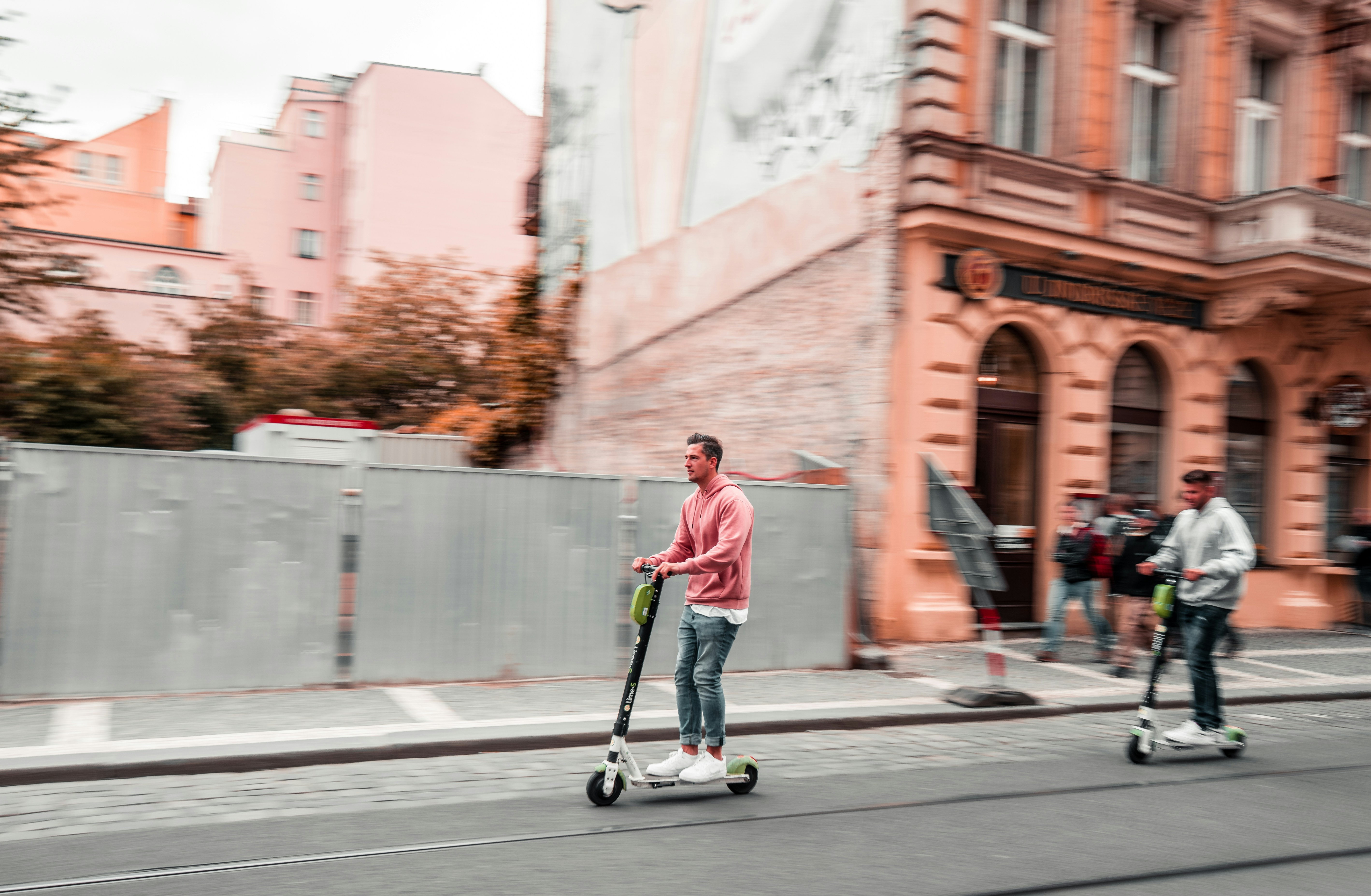
What’s the difference between a hoverboard and a Segway?
A hoverboard (or self-balancing scooter) is a compact, two-wheeled device controlled by shifting your body weight, with your feet placed on a flat platform. A Segway, on the other hand, typically refers to a larger, two-wheeled personal transporter with a handlebar for steering and balance assistance. Segways are generally designed for longer distances and more stability, while hoverboards are more portable and maneuverable. The Segway Ninebot S blurs this line by combining a hoverboard base with a knee-control bar.
Should I buy a hoverboard or an electric scooter?
It depends on your needs and preferences. Hoverboards offer a unique, hands-free riding experience and are great for short distances, fun, and portability. Electric scooters usually have handlebars, can reach higher speeds, and often have longer ranges, making them better suited for commuting. If you want a compact, fun ride for smooth surfaces, hoverboards shine. For practical transportation over longer distances or rougher terrain, electric scooters may be preferable.
What is the difference between a hoverboard and a hoverboard scooter?
The terms are often used interchangeably. Technically, a hoverboard refers to the self-balancing two-wheeled device without handlebars. The phrase hoverboard scooter is sometimes used to emphasize its function as a personal electric scooter or to differentiate from other scooter types. Both refer to the same category of self-balancing electric rideables.
Are hoverboard scooters safe for kids to use?
Yes, provided they use appropriate models designed for their age and weight, and always wear protective gear. Many hoverboards have learning modes with limited speed and enhanced stability, ideal for children. Always choose a UL 2272 certified hoverboard and supervise young riders. Brands like Jetson Flash and Gotrax Hoverfly ION are popular kid-friendly options.
How fast can a hoverboard scooter go?
Most hoverboard scooters have top speeds between 6 to 15 mph (9.7–24 km/h). Entry-level models tend to be slower for safety, while off-road or premium models can reach the higher end of this range. Always ride within your comfort and safety limits.
What is the best hoverboard scooter for beginners?
Look for models with self-balancing modes, lower top speeds, and good safety certifications. The Segway Ninebot S, Hover-1 H1, and Gotrax Hoverfly ION are excellent beginner-friendly options, offering stability, ease of use, and safety features.
Can hoverboard scooters be used on rough terrain?
Some models, known as off-road hoverboards, are designed with larger, rugged tires and more powerful motors to handle grass, gravel, dirt paths, and uneven surfaces. Examples include the Swagtron T6 Outlaw and Gyroor Warrior. However, standard hoverboards with smaller wheels are best kept to smooth pavements.
How long does the battery last on a hoverboard scooter?
Battery life varies by model and usage but typically ranges from 6 to 15 miles (10 to 24 km) per charge. Charging times are usually between 2 to 4 hours. Battery longevity depends on proper charging habits, rider weight, terrain, and riding style.
What accessories are available for hoverboard scooters?
Popular accessories include:
- Hoverboard go-kart attachments to convert your board into a seated kart.
- Protective gear like helmets, knee/elbow pads, and wrist guards.
- LED light kits and skins for customization.
- Carrying cases and backpacks for transport.
- Replacement tires and footpads.
Explore our Hoverboard Accessories section for a full lineup.
Reference Links and Resources
- Self-balancing scooter – Wikipedia
- Hover-1 Hoverboards and E-Scooters
- Instructables DIY Electric Scooter Conversion
- Swagtron Official Website
- Segway Official Website
- Gotrax Official Website
- Razor Official Website
- Jetson Official Website
- Tomoloo Official Website
- Gyroor Official Website
- StreetSaw Official Website
- UL 2272 Certification Information
- Hoverboarding™ Hoverboard Buying Guide
- Hoverboarding™ Hoverboard Accessories
- Hoverboarding™ Hoverboard Reviews
- Hoverboarding™ Hoverboard Maintenance
- Hoverboarding™ Hoverboard Laws and Regulations
Ready to take your hoverboard adventures to the next level? We’re here to help you glide safely and stylishly into the future!