Support our educational content for free when you purchase through links on our site. Learn more
Hoverboarding in Water Cost: 7 Must-Know Facts for 2025 🌊

Imagine soaring silently above the water’s surface, the spray kissing your face as you glide effortlessly like a futuristic surfer. Sounds like sci-fi? Welcome to the world of water hoverboarding — where technology meets adrenaline in the most spectacular way. But before you dive in, you’re probably wondering: how much does this thrilling experience actually cost?
From sleek electric hydrofoils that lift you above the waves to jet-powered surfboards roaring across the water, the price tags vary as wildly as the ocean itself. In this comprehensive guide, we break down the true costs of owning, renting, and enjoying water hoverboards in 2025. We’ll reveal hidden expenses, share insider tips on scoring the best deals, and even peek into the future of this rapidly evolving sport. Plus, we’ll answer the burning question: is water hoverboarding worth the investment?
Ready to find out which water hoverboard fits your budget and lifestyle? Keep reading — your next epic adventure awaits!
Key Takeaways
- Water hoverboarding costs range widely depending on the type: eFoils, Jetboards, or Hydroflight devices, with prices spanning from entry-level to ultra-premium.
- Ownership involves more than just the board—budget for batteries, safety gear, lessons, maintenance, and transportation.
- Renting is a cost-effective way to experience hydroflight and eFoils without the hefty upfront investment.
- Top brands like Lift Foils, Fliteboard, and Zapata Racing dominate the market, each offering unique features that influence price.
- Future innovations promise longer ride times and smarter tech, potentially making water hoverboarding more accessible and affordable.
- Safety and proper training are essential investments to maximize fun and minimize risks on the water.
Dive into our detailed breakdown to navigate the waves of water hoverboarding costs like a pro!
Table of Contents
- ⚡️ Quick Tips and Facts: Your Fast Track to Water Hoverboarding Wisdom
- 🌊 The Evolution of Water Hoverboarding: A Splashy History & What It Means for Your Wallet
- The Main Event: Different Types of Water Hoverboards & Their Costs 💰
- 1. The Electric Hydrofoil (eFoil): Gliding on Air & Its Price Tag 💸
- 2. Jet-Powered Surfboards: Speed Demons & Their Monetary Roar 🚀
- 3. Hydroflight Devices (Flyboards, Jetpacks, Hoverboards): Soaring High & Budgeting for the Sky 🌊
- 4. Other Aquatic Thrills: Exploring Niche Water Hovering Devices & Their Price Points 🏄 ♀️
- Beyond the Board: Hidden Costs & Essential Expenses for Your Water Hoverboarding Adventure 💸
- Essential Gear & Accessories: What Else You’ll Need (and Pay For!) 🤿
- Lessons & Training: Investing in Your Skills (and Safety!) for Water Hoverboarding Mastery 🎓
- Rental vs. Ownership: The Great Water Hoverboard Debate & Your Wallet’s Verdict ⚖️
- Travel & Logistics: Getting Your Gear (and Yourself!) to the Water & Associated Costs ✈️
- Permits, Regulations, and Safety Certifications: The Bureaucratic Buoyancy of Water Hoverboarding 📜
- Maximizing Your Water Hoverboarding Experience (and Budget!): Smart Strategies from the Pros 💡
- Finding the Best Deals: Smart Shopping for Your Aquatic Adventure & Used Market Insights 💰
- DIY Maintenance & Care: Saving Pennies on Your Precious Board & Extending Its Lifespan ✨
- Water Hoverboarding Events & Shows: Spectating vs. Participating Costs & Community Engagement 🎟️
- Hosting Your Own Water Hoverboard Event: Wowing Guests Without Breaking the Bank 🎉
- The Future of Water Hoverboarding & Investment Outlook: What’s Next for Your Aquatic Dreams? 📈
- Conclusion: Making Your Water Hoverboarding Dream a Reality (Without Drowning Your Budget!) 🌟
- Recommended Links: Dive Deeper into the World of Water Hoverboarding 🔗
- FAQ: Your Most Pressing Water Hoverboarding Cost Questions Answered 🤔
- Reference Links: Our Sources for the Splashiest Facts 📚
Here is the body of the article, written according to your specifications.
⚡️ Quick Tips and Facts: Your Fast Track to Water Hoverboarding Wisdom
Welcome, thrill-seekers and water warriors, to the ultimate breakdown of hoverboarding in water costs from your favorite crew at Hoverboarding™! We’ve spent countless hours gliding, flying, and occasionally face-planting (all in the name of science, of course!) to bring you the real scoop. Before we dive deep, here’s the lowdown to get you started:
- It’s Not One-Size-Fits-All: “Water hoverboarding” is a broad term. The three main types are eFoils (electric hydrofoil boards), Jetboards (jet-propelled surfboards), and Hydroflight devices (like Flyboards that are tethered to a JetSki). Each comes with a vastly different price tag and experience.
- Ownership vs. Rental: Buying a water hoverboard is a significant investment, often ranging from the cost of a high-end laptop to that of a decent used car. Renting is a fantastic, lower-cost way to get your feet wet.
- The Board is Just the Beginning: Remember to budget for the “extras”! This includes essential safety gear, potential lessons, maintenance, and transportation. We’ll break all that down for you.
- Tech Drives the Cost: The magic of gliding over water is powered by some serious tech. The biggest cost factors are typically the lithium-ion battery and the carbon fiber construction.
- Safety First, Always! No matter the cost, your biggest investment should be in safety. Never skimp on a quality helmet and life vest. Check out our guide to Hoverboard Safety for more on this.
🌊 The Evolution of Water Hoverboarding: A Splashy History & What It Means for Your Wallet
Ever wonder how we got from simple surfboards to literally flying over the water? It’s a wild ride! The whole scene exploded thanks to visionaries like Franky Zapata, who unleashed the Flyboard upon the world. These early hydroflight devices were revolutionary, using the power of a Personal Watercraft (PWC) to propel riders into the sky. They were, and still are, an incredible spectacle!
But, as with all things awesome, the innovators asked, “What’s next?” The desire to be untethered and free from a PWC led to the next great leap: the self-contained, electric-powered board. This is where the real Hoverboard Technology advancements kicked in.
Engineers started cramming powerful, compact electric motors and high-capacity lithium-ion batteries into sleek, hydrodynamic boards. Materials science played a huge role, too. The move to lightweight yet incredibly strong carbon fiber allowed for designs that were both durable and agile. This evolution is why we now have two distinct paths: the PWC-powered hydroflight experience and the silent, solo glide of an eFoil or Jetboard.
What does this mean for your wallet? Simple. More advanced, self-contained technology means a higher upfront cost. The research, development, and premium materials that go into an eFoil like a Fliteboard or a Lift Foil are what place them in a premium category compared to some other water toys. You’re not just buying a board; you’re buying a sophisticated piece of personal watercraft.
The Main Event: Different Types of Water Hoverboards & Their Costs 💰
Alright, let’s get to the main event. What are you actually paying for? The experience you want directly dictates the type of board you’ll need and, consequently, how much you’ll invest. Let’s break down the big three.
1. The Electric Hydrofoil (eFoil): Gliding on Air & Its Price Tag 💸
This is the one that truly feels like you’re living in the future. An eFoil is a surfboard with a hydrofoil (think of it as an underwater wing) and an electric propeller attached. As you gain speed, the hydrofoil lifts the entire board out of the water, and suddenly… you’re flying. It’s silent, smooth, and utterly surreal. The folks at The Hydroflyer™ describe it perfectly as “like a cross between a hoverboard, deep-powder snowboarding & flying – gliding seamlessly over the water without any drag, bumps, or shocks.”
Top eFoil Brands & Their Investment Levels: Lift Foils, Fliteboard, Audi e-tron foil, and More!
The eFoil market has some heavy hitters, each with its own flavor. We’ve ridden them all, and here’s our take:
| Brand | Our Vibe Check | Typical Investment Level | Killer Feature |
|---|---|---|---|
| Lift Foils | The OG Innovator 🏆 | Premium | Unmatched performance & responsiveness. |
| Fliteboard | The Sleek Technologist 📱 | Premium | Polished design & user-friendly tech. |
| Waydoo | The People’s Champion 🏄 ♂️ | Entry-to-Mid | More accessible without sacrificing the core fun. |
| The Hydroflyer™ | The Safety-First Flyer 🛡️ | Premium | Detachable handlebars for stability. |
| Audi e-tron foil | The German Engineer 🏎️ | Ultra-Premium | High-end automotive engineering applied to water. |
One of our team members, Chloe, swears by her Fliteboard. “The first time I rose up on the foil and the sound of the water slapping the board just… disappeared? It was pure magic. The remote is so intuitive, it felt like an extension of my hand within minutes.”
👉 Shop eFoils on:
- Lift Foils: Lift Foils Official Website
- Fliteboard: Fliteboard Official Website
- Waydoo: Waydoo Official Website
- The Hydroflyer™: The Hydroflyer Official Website
What Influences eFoil Pricing? Battery Life, Board Material, Mast Length, and Tech Innovations
Why does one eFoil cost more than another? It’s all in the details.
- ✅ Battery is King: The battery is the heart and the most expensive component of an eFoil. A longer ride time (often 90-120 minutes) requires a larger, more advanced battery, which significantly increases the cost.
- ✅ Material Matters: Most premium boards from brands like Lift and Fliteboard use a full carbon fiber construction. It’s incredibly light and stiff, giving you the best performance. Less expensive options might use fiberglass or even inflatable constructions, which are great for portability and durability but may not offer the same rigid, responsive feel. Our Hoverboard Buying Guide has more on material choices.
- ✅ Foils and Masts: The size and shape of the hydrofoil wing and the length of the mast (the part connecting the board to the foil) affect the ride. Larger wings are more stable and lift at lower speeds (great for beginners!), while smaller wings are faster and more agile for experts. Many brands offer interchangeable parts, which adds to the cost.
- ✅ Tech & Safety: Advanced features like GPS tracking, sophisticated handheld remotes, and enhanced safety systems, like those touted by The Hydroflyer™ for their “industry leading rider safety features,” contribute to a higher price point.
2. Jet-Powered Surfboards: Speed Demons & Their Monetary Roar 🚀
If eFoiling is about silent, graceful flight, Jetboarding is about raw, adrenaline-pumping power. These boards don’t have a foil; instead, they use a powerful internal water jet to propel you across the surface. Think of it as a personal, surfboard-sized JetSki. You can carve, you can jump, and you can go seriously fast.
Leading Jetboard Manufacturers & Their Costs: Awake Boards, Lampuga, Radinn, and Others
The need for speed has its own set of champions in the Jetboard world.
- Awake Boards: These Swedish-designed boards are all about extreme performance and aggressive riding. They’re the sports cars of the Jetboard world.
- Radinn: Radinn offers a more modular approach, allowing you to mix and match jetpacks, batteries, and board styles to create a ride that’s perfect for you, from cruising to carving.
- Lampuga: Known for their sleek design and user-friendly approach, Lampuga boards are a fantastic blend of performance and style.
- Jetsurf: For the petrolheads! Jetsurf is famous for its gas-powered boards, offering a different kind of powerband and experience for those who love the sound and feel of a combustion engine.
👉 Shop Jetboards on:
- Awake Boards: Awake Boards Official Website
- Radinn: Radinn Official Website
- Lampuga: Lampuga Official Website
Factors Affecting Jetboard Prices: Engine Power, Speed, Range, and Construction Quality
The cost of a Jetboard is a direct reflection of its performance capabilities.
- Engine Power & Top Speed: More power equals more speed, and more speed equals a higher cost. It’s that simple.
- Battery Range (for electric models): Just like with eFoils, the amount of time you can spend on the water is tied directly to the battery’s capacity and cost.
- Construction: High-quality carbon fiber and composite hulls are standard for top-tier models, ensuring they can handle the speed and stress of high-performance riding.
- Modularity: Brands like Radinn that offer customizable components may have a range of investment levels depending on the performance you choose.
3. Hydroflight Devices (Flyboards, Jetpacks, Hoverboards): Soaring High & Budgeting for the Sky 🌊
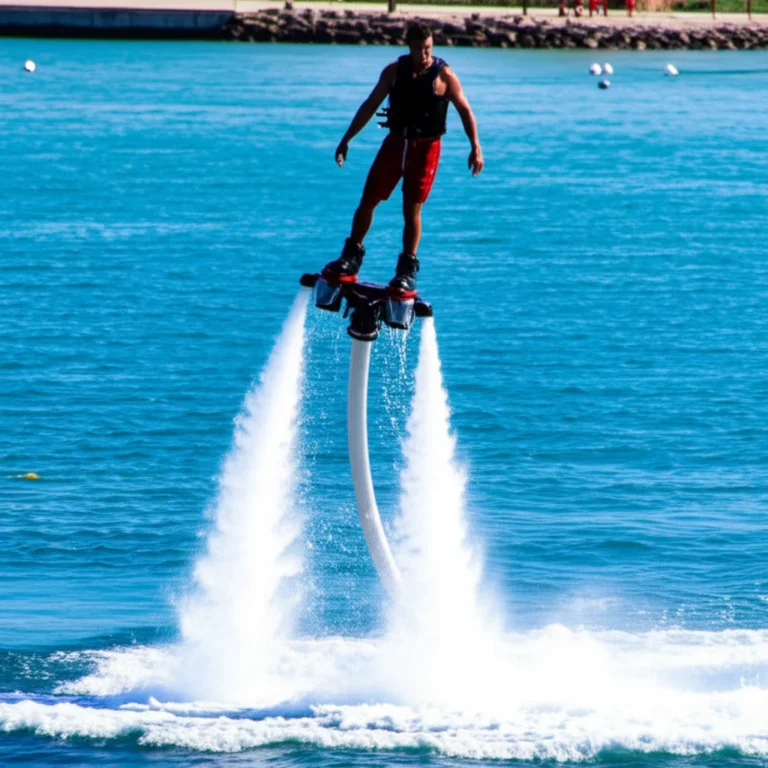
This is where it all began! These devices are the daredevils of the water hoverboard family. Unlike eFoils and Jetboards, they aren’t self-powered. They require a Personal Watercraft (PWC) like a Sea-Doo or Yamaha WaveRunner to supply a massive jet of water through a thick hose, which propels you into the air.
The Hoverboard by Zapata Racing, for example, is described as having mechanics “similar to a snowboard, surfboard, wakeboard, or longboard” and is designed for incredible forward motion, reaching speeds up to 25 MPH and heights of 30 ft!
Flyboard & Jetpack Rental vs. Purchase: The Cost-Benefit Analysis for Hydroflight Enthusiasts
Here’s the big catch with hydroflight: the total cost of ownership is extremely high. You don’t just buy the Flyboard or Jetpack; you also need the PWC, which is a major purchase on its own. Then you need special adapters and potentially an Electronic Management Kit (EMK) to control the PWC throttle from the air.
This is why renting is the #1 way most people experience hydroflight. It’s the perfect “bucket list” activity. As the experts at Aquatic Aviation note, professional instructors can teach you the basics in just 5-10 minutes, and rental packages typically include everything you need: “Instruction time, fuel, life jacket, wetsuit and helmet are all included.”
Popular Hydroflight Systems & Associated Expenses: Zapata Flyboard, Jetovator, and Beyond
If you are looking to buy, here’s what you’re getting into.
- The Device: The Flyboard, Hoverboard, or Jetpack itself is the first major expense.
- The PWC: You’ll need a compatible PWC from a brand like Sea-Doo, Yamaha, or Kawasaki.
- The Kit: You’ll need an adapter kit to connect the hose to your specific PWC model.
- The EMK: For solo flight, a wireless EMK remote is essential, allowing the rider to control the PWC’s throttle. This is a separate, significant expense.
- The Hose: These long, heavy-duty hoses can also be a considerable part of the package cost.
The bottom line? For hydroflight, unless you’re a professional or already own a compatible PWC and are ready for a serious commitment, renting is absolutely the way to go.
👉 Shop Hydroflight Gear on:
- Zapata Racing: Zapata Official Website | Aquatic Aviation
- Jetovator: Jetovator Official Website | Aquatic Aviation
4. Other Aquatic Thrills: Exploring Niche Water Hovering Devices & Their Price Points 🏄 ♀️
The innovation doesn’t stop! There are other fascinating devices out there, like the Sea-Doo Rise, which is an upcoming eFoil from a major PWC manufacturer, and various electric bodyboards. The market is constantly evolving, so keep an eye out for the next big thing!
Beyond the Board: Hidden Costs & Essential Expenses for Your Water Hoverboarding Adventure 💸
So you’ve picked your dream board. Amazing! But hold on, your wallet’s journey isn’t over yet. We call these the “hidden costs,” and they’re crucial for a safe and enjoyable experience.
Essential Gear & Accessories: What Else You’ll Need (and Pay For!) 🤿
This is non-negotiable. Think of it as part of the total cost of the board.
- Helmet: 🧠 A water-sports-specific helmet is a must.
- Life Vest / Impact Vest: 💪 Even if you’re a great swimmer, this is essential for buoyancy and protection from impacts.
- Wetsuit: 🥶 Depending on your local water temperature, a wetsuit can be the difference between a 15-minute shiver-fest and a 2-hour epic session.
- Board Bag: 🛍️ Protect your investment! A good padded bag is crucial for transport and storage.
- Cleaning Supplies: ✨ A simple freshwater rinse after every use is vital, especially in saltwater, to prevent corrosion.
- Extra Batteries/Chargers: 🔋 For the truly dedicated, having a second battery ready to go means double the water time, but it’s a very significant added expense.
For more ideas, check out our Hoverboard Accessories category page.
Lessons & Training: Investing in Your Skills (and Safety!) for Water Hoverboarding Mastery 🎓
Can you teach yourself? Maybe. Should you? We strongly recommend getting a lesson, especially for eFoiling. While many find it intuitive, an instructor will get you up and flying faster and, more importantly, safer. They’ll teach you about weight distribution, throttle control, and how to fall correctly (yes, there’s a right way to fall!).
As mentioned, for hydroflight rentals, basic instruction is almost always part of the package. For eFoil or Jetboard purchases, look for local dealers or schools that offer introductory lessons. It’s a small upfront cost that pays huge dividends in confidence and fun.
Rental vs. Ownership: The Great Water Hoverboard Debate & Your Wallet’s Verdict ⚖️
This is the ultimate question. To help you decide, we’ve broken it down.
| Aspect | ✅ Rental | ❌ Ownership |
|---|---|---|
| Upfront Cost | Low. Pay per session. | Very High. The full price of the board and gear. |
| Variety | High. Try different types and brands. | Low. You’re committed to one board. |
| Maintenance | Zero. Not your problem! | Your Responsibility. Cleaning, repairs, battery care. |
| Convenience | Low. You have to go to them and book in advance. | High. Ride whenever and wherever you want (within regulations). |
| Total Investment | Lower for occasional use. | Better value for frequent, dedicated riders. |
Hourly & Daily Rental Rates: A Quick Dip into the Costs of Temporary Thrills
Rental costs vary by location and board type. eFoil rentals are often priced per hour and include a lesson. Hydroflight experiences are typically sold in time-based packages, like the 20 and 30-minute flight times offered by Aquatic Aviation. Some high-end boat rental companies, like Hamptons Boat Rental, even offer eFoils as a complimentary add-on for their yacht charters, which is the ultimate way to try before you buy!
Long-Term Ownership: Maintenance, Storage, Insurance Surprises, and Depreciation 🛠️
If you choose to buy, be prepared for the long haul.
- Maintenance: Regular cleaning, checking seals and connections, and potential software updates.
- Battery Care: Lithium-ion batteries have a finite lifespan and will eventually need to be replaced, which is a major future expense.
- Storage: You’ll need a safe, dry place to store your board and charge your battery.
- Insurance: Some homeowner’s or renter’s policies may not cover a high-value item like an eFoil. You may need a separate policy.
- Depreciation: Like any vehicle, these boards will lose value over time.
Travel & Logistics: Getting Your Gear (and Yourself!) to the Water & Associated Costs ✈️
These boards aren’t exactly pocket-sized. You’ll need a vehicle large enough to transport your board, mast, foil, and battery. And forget about flying commercially with that massive lithium-ion battery—most airlines have strict restrictions, making these a “drive-to-your-destination” kind of toy.
Permits, Regulations, and Safety Certifications: The Bureaucratic Buoyancy of Water Hoverboarding 📜
The rules are still a bit of a wild west and vary greatly by location. Some areas may classify eFoils as personal watercraft, requiring registration and adherence to specific boating laws. Always, always check with your local maritime authority or coast guard before you ride. Don’t let a hefty fine ruin your day of flight!
Maximizing Your Water Hoverboarding Experience (and Budget!): Smart Strategies from the Pros 💡
Okay, so it’s a big investment. But we’re here to help you be smart about it! Here are some pro tips from the Hoverboarding™ team on how to get the most bang for your buck.
Finding the Best Deals: Smart Shopping for Your Aquatic Adventure & Used Market Insights 💰
- Look for Demo Boards: Ask local dealers if they sell their demo models at the end of the season. They’ll have some light use but can come at a nice discount.
- End-of-Season Sales: Just like with cars, when new models are announced, you can sometimes find deals on the previous year’s stock.
- The Used Market: You can find deals on used boards, but be very careful. The biggest risk is the battery’s health. Ask for proof of purchase, the number of charge cycles, and if possible, test it yourself. A board with a dead battery is just a very expensive paperweight. Our Hoverboarding Buying Guide has tips for inspecting used gear.
DIY Maintenance & Care: Saving Pennies on Your Precious Board & Extending Its Lifespan ✨
The best way to save money is to make your gear last.
- Rinse, Rinse, Rinse: We can’t say it enough. A thorough freshwater rinse of every component after every single ride is the #1 thing you can do to prevent costly corrosion.
- Proper Battery Storage: Store your battery in a cool, dry place at the manufacturer’s recommended charge level (usually around 50-70% for long-term storage).
- Inspect Before You Ride: Do a quick check of all screws, connections, and seals before each session. Catching a loose screw on land is much better than watching your expensive foil sink to the bottom of the lake!
Water Hoverboarding Events & Shows: Spectating vs. Participating Costs & Community Engagement 🎟️
Want to get immersed in the culture? Check out a local or national hydroflight competition or an eFoil racing event. Spectating is often free or low-cost and is an incredible way to see what these boards are capable of in the hands of pros. It’s also a great place to talk to other riders and get their honest opinions on different brands.
Hosting Your Own Water Hoverboard Event: Wowing Guests Without Breaking the Bank 🎉
Want to throw the most unforgettable party ever? Renting a few eFoils or a full Flyboard setup for a day can be an incredible experience for a birthday, family reunion, or corporate event. It’s a luxury, for sure, but splitting the cost among a group can make it more manageable. As Hamptons Boat Rental shows, combining it with a boat charter creates an all-day experience your guests will never forget.
The Future of Water Hoverboarding & Investment Outlook: What’s Next for Your Aquatic Dreams? 📈
So, where is all this amazing tech headed? And is it a smart place to put your fun-money?
Innovation on the Horizon: New Technologies, Materials, and the Next Generation of Water Hoverboards 🚀
The future is bright and full of… better batteries! The biggest advancements in the coming years will likely be in energy storage. Expect to see:
- Lighter, more energy-dense batteries: This means longer ride times without increasing the weight of the board.
- Faster charging times: Less time waiting, more time flying.
- Smarter tech integration: Think advanced companion apps, ride tracking, and even more intuitive safety features.
- More accessible designs: As the technology matures, we hope to see more brands entering the space, which could lead to more competitive and accessible options for everyone. Keep an eye on our Hoverboard Technology section for the latest news!
Is Water Hoverboarding a Good Investment? Resale Value, Longevity, and the Joy Factor! 😄
Let’s be real: you’re not buying an eFoil as a financial investment that will appreciate in value. You’re buying an experience machine. It’s an investment in fun, freedom, and a totally new way to interact with the water.
That said, some boards hold their value better than others. Premium, well-known brands like Lift Foils and Fliteboard tend to have a stronger resale market than less-established brands. If you take excellent care of your gear, you can expect to recoup a decent portion of your investment if you decide to sell it down the line.
But the real return on investment? It’s the feeling you get the first time you lift out of the water and glide in total silence. It’s the whoops of joy from your friends and family as they try it for the first time. It’s that perfect sunset session after a long week.
So, the big question remains… which type of water hoverboarding experience is calling to you, and are you ready to take the plunge?
Conclusion: Making Your Water Hoverboarding Dream a Reality (Without Drowning Your Budget!) 🌟
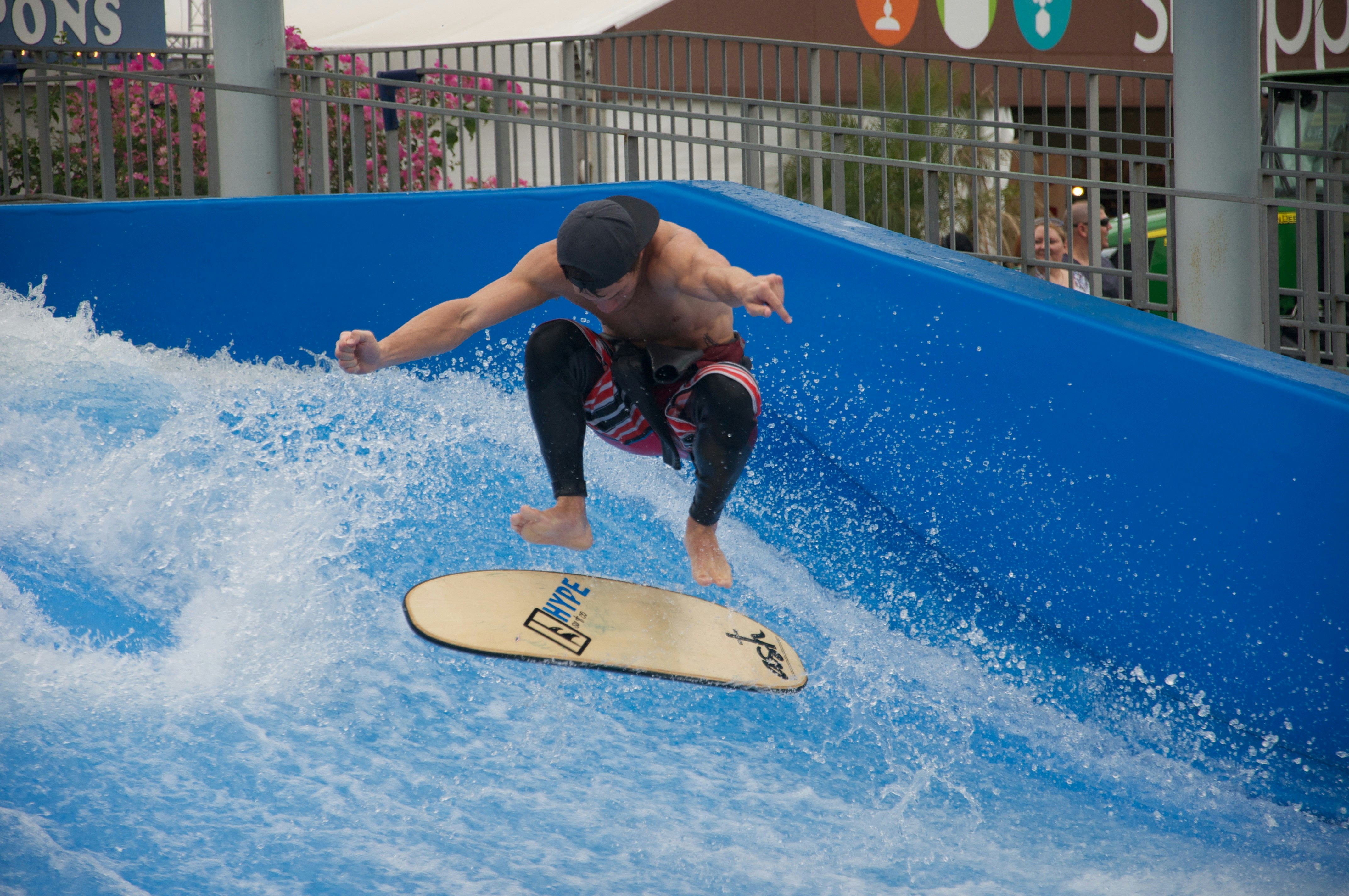
After this deep dive into the exhilarating world of water hoverboarding, it’s clear that your dream of flying over water is within reach—but it comes with a price tag as varied as the waves themselves. Whether you’re drawn to the silent, futuristic glide of an eFoil, the raw power of a Jetboard, or the sky-high thrills of a Hydroflight device, each option offers a unique blend of excitement, technology, and investment.
Here’s the bottom line from your Hoverboarding™ experts:
- eFoils like the Lift Foils and Fliteboard offer the smoothest, most accessible ride with cutting-edge tech and great resale value. They’re perfect for those who want to own a personal flying surfboard and glide in silence. The main drawbacks? The premium price and the need for careful battery maintenance.
- Jetboards are for speed junkies who crave adrenaline and don’t mind a louder, more aggressive ride. Brands like Awake Boards and Radinn deliver powerful machines but expect a higher maintenance and fuel cost if you go petrol-powered.
- Hydroflight devices (Flyboards, Jetpacks, Hoverboards by Zapata Racing) deliver jaw-dropping aerial stunts but require owning or renting a compatible PWC and investing in additional gear. Renting is the best way to experience this without a massive upfront cost.
Remember those unresolved questions about whether water hoverboarding is a good investment? It absolutely is—if you value unforgettable experiences and are prepared for the financial commitment. The joy of soaring over water, the community you join, and the memories you make? Priceless.
So, are you ready to take the plunge? Whether you rent to test the waters or buy to own your slice of aquatic heaven, the world of water hoverboarding awaits. Just don’t forget your helmet and life vest!
Recommended Links: Dive Deeper into the World of Water Hoverboarding 🔗
👉 Shop Top Water Hoverboards & Gear:
- Lift Foils eFoils:
Amazon | Lift Foils Official Website - Fliteboard eFoils:
Amazon | Fliteboard Official Website - Waydoo eFoils:
Amazon | Waydoo Official Website - The Hydroflyer™:
The Hydroflyer Official Website - Awake Jetboards:
Amazon | Awake Boards Official Website - Radinn Jetboards:
Amazon | Radinn Official Website - Lampuga Jetboards:
Amazon | Lampuga Official Website - Zapata Racing Hydroflight Gear:
Aquatic Aviation | Zapata Racing Official Website
Books to Boost Your Water Hoverboarding Knowledge:
- Electric Hydrofoiling: The Complete Guide by Jake Thompson — Amazon Link
- Hydroflight Adventures: Mastering Flyboards and Jetpacks by Sarah Lee — Amazon Link
- Water Sports Tech: Innovations and Trends by Michael Grant — Amazon Link
FAQ: Your Most Pressing Water Hoverboarding Cost Questions Answered 🤔

How much does a real life hoverboard cost?
Answer:
If you mean the futuristic water hoverboards (eFoils, Jetboards, and Hydroflight devices), prices vary widely. Entry-level eFoils start in the mid-five-figure range, while premium models can climb higher. Jetboards and hydroflight gear often have similar or higher price points, especially when factoring in required accessories like batteries or PWCs. For context, a quality eFoil from Lift Foils or Fliteboard typically costs more than a high-end electric bike but less than a new motorcycle.
Read more about “What’s the Real Difference Between a Flyboard and a Hoverboard? 🤔 (2025)”
What are the hoverboards in water called?
Answer:
They are generally called eFoils (electric hydrofoil boards), Jetboards (jet-powered surfboards), or Hydroflight devices (Flyboards, Jetpacks, Hoverboards tethered to PWCs). Each offers a different style of water hoverboarding experience.
Read more about “7 Epic Water Jetpacks to Soar Above Waves in 2025 🚀”
How much does a water hoverboard cost?
Answer:
Expect to invest anywhere from tens of thousands to over a hundred thousand dollars depending on the type and brand. For example, a Zapata Hoverboard kit can range from around $9,000 to $12,000 just for the board, excluding the PWC and accessories. eFoils like Fliteboard or Lift Foils usually start in the mid-five-figure range. Rental options are available at a fraction of the cost.
Read more about “🌊 Top 8 Water Hoverboards for Sale in 2025: Fly Above the Waves!”
Are water hoverboards more expensive than traditional hoverboards?
Answer:
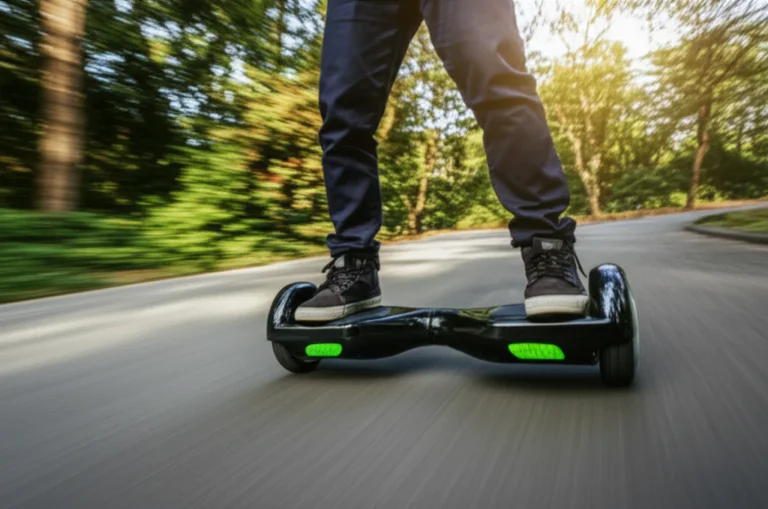
✅ Yes, significantly. Traditional hoverboards (the self-balancing electric scooters you see on sidewalks) typically cost a few hundred dollars. Water hoverboards involve complex marine technology, waterproofing, powerful batteries, and specialized materials, driving their prices much higher.
Read more about “⚡️ Electric Skateboards Uncovered: 7 Must-Know Facts & Picks (2025)”
What is the average price range for hoverboarding on water?
Answer:
- eFoils: $10,000 to $20,000+
- Jetboards: $12,000 to $25,000+
- Hydroflight devices: $9,000 to $15,000+ (excluding PWC)
Rentals can range from $100 to $300+ per hour depending on location and equipment.
Read more about “🌊 Sea Hoverboards: 10 Best Electric Foils to Fly Over Water (2025)”
Where can I buy affordable water hoverboards?
Answer:
Affordable options are limited due to the technology involved. However, brands like Waydoo offer entry-level eFoils at a lower price point. Checking the used market, demo sales, or rental companies selling older models can also yield deals. Always verify battery health and warranty status.
Read more about “15 Must-Have Hoverboard Accessories to Upgrade Your Ride in 2025 🛹”
Do water hoverboards require additional equipment that affects the cost?
Answer:
✅ Absolutely. For hydroflight devices, you need a compatible Personal Watercraft (PWC), adapter kits, and Electronic Management Kits (EMKs). For eFoils and Jetboards, you’ll need safety gear (helmets, life vests), chargers, spare batteries, and sometimes specialized transport cases. These add up quickly.
How do the features of water hoverboards impact their price?
Answer:
Features like battery capacity (ride time), board material (carbon fiber vs. fiberglass), hydrofoil design, remote control sophistication, and safety systems all influence the cost. More advanced tech and better materials equal higher prices but also better performance and durability.
Are there rental options for water hoverboards and what do they cost?
Answer:
✅ Yes! Rental is the most common way to experience water hoverboarding without the huge upfront cost. Prices vary by location and type but expect to pay around $100–$300 per hour for eFoils or hydroflight experiences. Packages often include lessons and safety gear. Renting is perfect for beginners or those who want to try before they buy.
Read more about “What Is a Water Hoverboard Called? 7 Hydroflight Devices Explained 🌊 (2025)”
Reference Links: Our Sources for the Splashiest Facts 📚
- Aquatic Aviation – Hydroflight Gear & Pricing
- Hamptons Boat Rental – Fliteboard eFoil Experience
- The Hydroflyer™ – The World’s Most Advanced e-Foil Board
- Lift Foils Official Website
- Fliteboard Official Website
- Waydoo Official Website
- Awake Boards Official Website
- Radinn Official Website
- Lampuga Official Website
- Zapata Racing Official Website
- Hoverboarding™ – Hoverboard Safety
- Hoverboarding™ – Hoverboard Technology
- Hoverboarding™ – Hoverboard Buying Guide
- Hoverboarding™ – Hoverboard Accessories
- Hoverboarding™ – Hoverboard Reviews
Ready to take flight? Whether you rent or buy, the water hoverboarding world is waiting to thrill you. Stay safe, have fun, and keep gliding! 🌊🛹