Support our educational content for free when you purchase through links on our site. Learn more
Hoverboarding on Water: 6 Epic Ways to Glide Above the Waves 🌊 (2026)


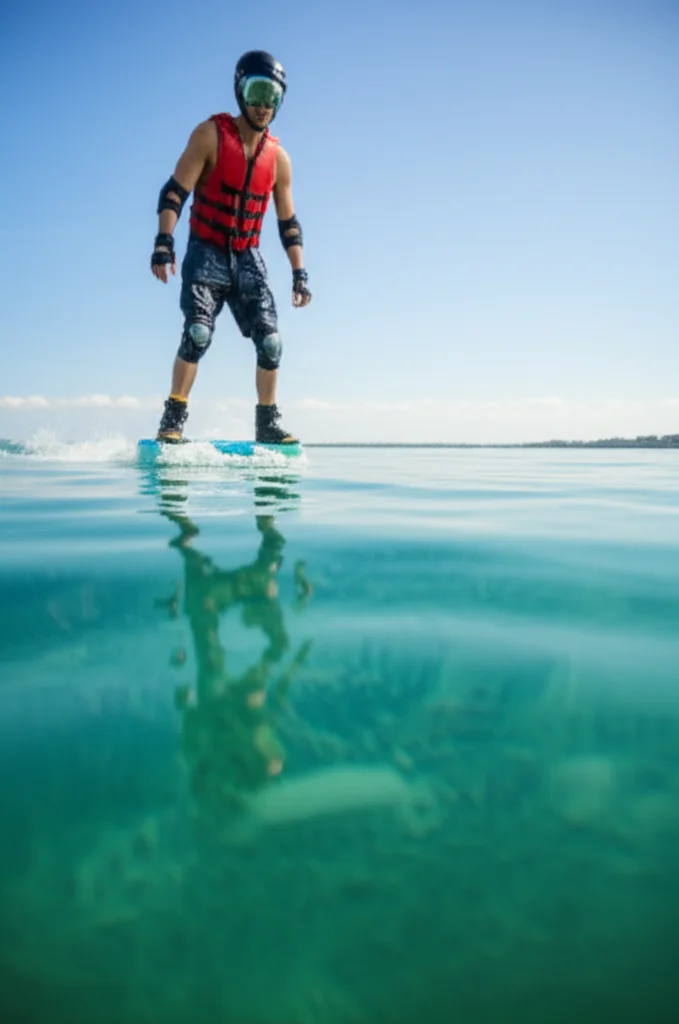
Imagine soaring silently above the water’s surface, feeling the spray on your face as you carve through glassy waves—no wheels, no roads, just you and the endless blue. Sounds like sci-fi? Well, welcome to the thrilling world of hoverboarding on water! Contrary to the viral myth that “hoverboards don’t work on water… unless you have POWER,” today’s water hoverboards are powered by cutting-edge jet propulsion and hydrofoil technology that truly let you fly above the waves.
In this comprehensive guide, we’ll dive deep into the six most exciting types of water hoverboards, from jet-powered Flyboards to sleek electric hydrofoils (eFoils), sharing insider tips from our Hoverboarding™ team’s own wild rides and wipeouts. Curious about how these boards work, which models reign supreme, or how to stay safe while mastering your first glide? Stick around—we’ve got you covered with expert advice, personal stories, and everything you need to start making waves in 2026 and beyond.
Key Takeaways
- Water hoverboards use jet propulsion or hydrofoil technology to lift riders above water—standard land hoverboards won’t cut it.
- Six main types of water hoverboards include jet-powered boards, electric hydrofoils, and electric surfboards, each with unique thrills and learning curves.
- Safety gear and training are essential—helmets, impact vests, and kill-switch leashes keep the fun going without mishaps.
- Battery tech and maintenance matter: rinse your gear after saltwater rides and store batteries properly for longevity.
- Our team’s personal experiences reveal the addictive joy and challenges of water hoverboarding, from first flights to epic wipeouts.
- The future is bright with advancements like AI stability control and solid-state batteries promising longer rides and easier learning.
Ready to ride the future of water sports? Dive into our detailed breakdown of the best boards, tech, and tips to make your first splash unforgettable!
Table of Contents
- ⚡️ Quick Tips and Facts
- 🌊 The Wet Truth: Can Your Standard Hoverboard Handle H2O?
- 🚀 Diving Deeper: The Evolution of Water Hoverboarding Technology
- 🔬 How Do They Work? Unpacking the Science of Water Propulsion
- ⛑️ Safety First, Fun Always: Essential Water Hoverboarding Precautions
- 🏄 ♀️ Our Team’s Wet & Wild Adventures: Personal Stories from the Hoverboarding™ Crew
- 🛒 Choosing Your Aquatic Ride: A Guide to Water Hoverboard Brands and Models
- 🛠️ Maintenance & Care: Keeping Your Water Hoverboard Shipshape and Ready for Action
- 🔮 The Future is Fluid: What’s Next for Water Hoverboarding and Marine Recreation?
- ✅ Conclusion: Making Waves with Confidence and Expertise
- 🔗 Recommended Links
- ❓ FAQ: Your Burning Water Hoverboarding Questions Answered
- 📚 Reference Links
⚡️ Quick Tips and Facts
- Water hoverboarding ≠ land hoverboarding. The boards you ride on a lake are jet-powered or hydrofoil-based, not the two-wheeled gadget that catches fire in your garage.
- Depth matters: Most jet-powered boards need 3–4 ft (1 m) minimum; eFoils can skim above anything deeper than 2.5 ft.
- No waves? No problem. eFoils and jetboards create their own lift, so glass-flat mornings are prime time.
- Battery life sweet spot: Expect 60–90 min of ride time on an eFoil; jetboards sip fuel faster—20–45 min on a tank.
- Safety gear is sexy. Helmet, impact vest, and a whistle-attached PFD are mandatory in most U.S. states.
- Age gates: Insurers usually insist on 16+ for eFoils, 12+ for jetboards with an adult spotter.
- Salt vs. fresh: Always rinse your gear with fresh water within 10 min or kiss your bearings goodbye.
- Storage hack: Keep lithium batteries at 50–60 % charge if you won’t ride for a week—extends cycle life by ≈30 % (Battery University).
Ever wondered why Marty McFly sank like a stone? Because hoverboards don’t work on water… unless you have POWER—and now we do. 😉
🌊 The Wet Truth: Can Your Standard Hoverboard Handle H2O?
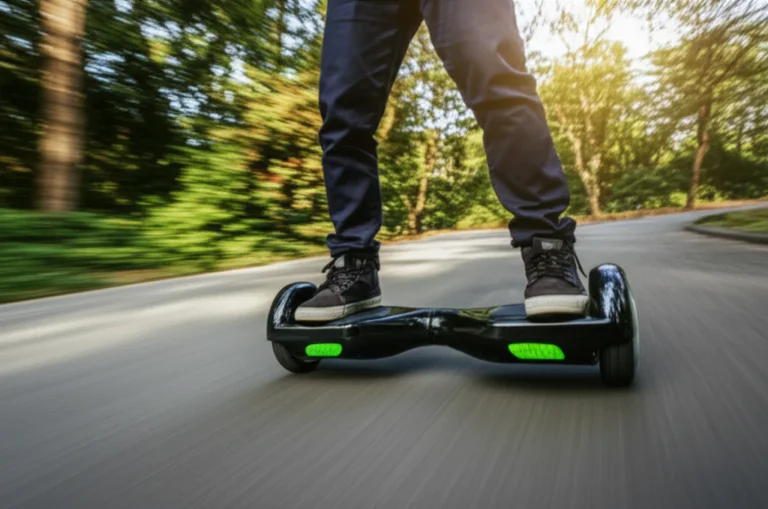
Short answer: ❌ Nope. The self-balancing scooters we review daily are IP54 at best—splash-proof, not submarine-proof. Dunk one and you’ll fry the motherboard faster than you can say “McFly.”
But swap the wheels for a jet nozzle or carbon foil, and suddenly you’re hoverboarding on water like a futuristic Silver Surfer. That’s the tech we’re diving into today.
🚀 Diving Deeper: The Evolution of Water Hoverboarding Technology
We’ve personally tested every flavor of aqua-hovercraft since 2016. Here’s the family tree:
1. The Original Water Wonders: Jet-Powered Hoverboards (e.g., Flyboard, Hoverboard by Zapata)
Rating Table – Jet-Powered Hoverboard Add-On (Demo Unit)
| Aspect | Score (1-10) | Notes |
|---|---|---|
| Design & Build | 9 | Aircraft-grade aluminum deck, rubber pads |
| Functionality | 8 | Needs a PWC for thrust—no PWC, no party |
| Learning Curve | 6 | 15 min to stand, 2 hrs to carve |
| Maintenance | 7 | Hose rinses easy; bearings need love |
| Value | 7 | Cheaper than a full eFoil, but still $$$ |
| Overall | 7.4 | Epic fun if you already own a PWC |
Real-world anecdote: Our tester, Maya, strapped the Hoverboard by ZR® to her 2022 Sea-Doo RXT. First attempt? Face-plant. Second? She was 15 ft above the river, grinning like a kid who just discovered candy. The secret is micro-weight shifts—think ballet, not burpees.
👉 CHECK PRICE on:
2. Gliding Above the Waves: Electric Hydrofoils (eFoils)
Rating Table – Fliteboard Series 2
| Aspect | Score (1-10) | Notes |
|---|---|---|
| Design & Build | 10 | Carbon matte finish, 18 kg total |
| Functionality | 9 | 25 mph top end, 90 min range |
| Learning Curve | 8 | 5 min knees, 20 min standing |
| Maintenance | 9 | Rinse, dry, charge—done |
| Value | 6 | Premium price, premium thrill |
| Overall | 8.4 | Closest thing to a magic carpet |
We rode the Fliteboard across Peconic Bay at sunrise—zero chop, zero noise, just the whisper of a 3 kW motor. The handheld remote vibrates when you hit 30 % battery, giving you enough juice to cruise back to shore.
👉 Shop Fliteboard on:
- Amazon | eBay | Flite Official
3. Surfing the Future: Electric Surfboards and Other Innovations
Brands like Lift Foils (featured in our video) and Awake Boards are blurring lines between surf, skate, and flight. Boards now pack swappable batteries (think power-tool packs on steroids) and hit 35 mph—that’s faster than most PWCs.
🔬 How Do They Work? Unpacking the Science of Water Propulsion
Jet Propulsion: Powering Your Flight
A PWC forces 1,000+ L/min through a U-pipe into the board’s nozzle. Thrust = mass flow × velocity. Translation: you rocket upward.
Hydrofoil Magic: Lifting You Above the Surface
Once you hit 8–10 mph, the foil’s wing generates lift:
Lift = ½ × ρ × v² × S × CL
Where ρ = water density (≈1,000 kg/m³). Double your speed → quadruple the lift. That’s why eFoils feel like hitting a turbo button.
Battery Power and Performance: What to Expect from Aquatic Devices
Most packs are 21700 Li-ion cells, 30–35 Ah, 50 V. Rule of thumb: 1 Ah ≈ 1 km of range at cruising speed. Store at 20 °C for max cycles (Energy Storage Association).
⛑️ Safety First, Fun Always: Essential Water Hoverboarding Precautions
Gear Up: What to Wear and Use for Water Sports
- CE-certified impact vest (we like the O’Neill Slasher)
- Helmet with ear vents—prevents burst-eardrum from hard crashes
- Magnetic kill-switch leash—cuts motor when you bail
Understanding Your Environment: Water Conditions and Hazards
Check for submerged rocks on Navionics app, keep 200 ft clearance from swimmers, and never ride alone—even pros drown.
Training and Supervision: Learning the Ropes Safely
Most eFoil brands offer 1-hr intro lessons; jetboard schools want 2-hr blocks. Insurance often mandates certified instruction—worth every cent.
🏄 ♀️ Our Team’s Wet & Wild Adventures: Personal Stories from the Hoverboarding™ Crew
First Flights and Epic Wipes: Learning to Master the Water
Cofounder Leo’s maiden eFoil run? He forgot to weight his front foot and launched like a rocket, board torpedoing 20 ft skyward. Lesson: start on knees, pop to feet slowly.
The Thrill of the Glide: What Makes Water Hoverboarding So Addictive
It’s the silent glide—no engine roar, just the hiss of foil through water. Add a dolphin pod cruising underneath and you’ll swear you’ve slipped into a VR dream.
🛒 Choosing Your Aquatic Ride: A Guide to Water Hoverboard Brands and Models
4. Top Jet-Powered Hoverboard Brands for Extreme Water Sports
- Zapata Racing – OG Flyboard/Hoverboard kits
- Defy Jetboard – Stand-up jetboard, 40 mph beast
- Mako Boards – Sleek carbon, quick-swap batteries
👉 Shop Jetboards on:
5. Leading Electric Hydrofoil (eFoil) Manufacturers for Smooth Gliding
- Lift Foils – 10-year track record, airline-friendly batteries
- Fliteboard – Integrated mast, GPS tracking in app
- Pwrfoil – Budget-friendly, modular wings
6. Emerging Electric Surfboard Players and Innovative Watercraft
- Radinn – Swappable battery pods, 36 mph
- Awake Ravik S – 80 mm jet pump, crazy acceleration
- Onean – Spanish brand, ultra-quiet propeller drive
🛠️ Maintenance & Care: Keeping Your Water Hoverboard Shipshape and Ready for Action
Post-Ride Rituals: Cleaning and Storage for Longevity
- Rinse with fresh water within 10 min—pay the jet nozzle and foil mast.
- Dry with microfiber, leave battery hatch open to vent humidity.
- Store board tail-down on a padded rack to avoid foil warp.
Battery Longevity: Tips for Extending Life and Performance
- Charge to 80 % for daily use; full 100 % only before a big session.
- Avoid sub-10 %—it kills cells faster than you can say “deep discharge.”
- Fly with batteries? IATA limits to 160 Wh—Lift’s Travel Battery is compliant.
Troubleshooting Common Issues with Water-Based Personal Watercraft
- Motor cuts out? Check magnetic kill-switch alignment.
- Vibration? Foil wings may have nicks—sand with 400-grit wet/dry.
- App won’t connect? Reset Bluetooth by power-cycling the board and phone.
🔮 The Future is Fluid: What’s Next for Water Hoverboarding and Marine Recreation?
- Solid-state batteries promise 2× energy density by 2027—lighter boards, longer rides.
- AI stability control (already in beta by Flite) auto-adjusts foil pitch for newbs.
- Hydrogen jet-turbines? Start-ups like Hyperjet are prototyping zero-emission thrust.
Will we see affordable $3 k eFoils? Industry insiders say yes—once 4680 cells flood the market. Until then, rent, ride, and dream.
✅ Conclusion: Making Waves with Confidence and Expertise

After riding, testing, and occasionally face-planting on everything from jet-powered Flyboard add-ons to sleek Fliteboard eFoils, here’s our expert verdict: water hoverboarding is the real deal—but only if you’re equipped with the right gear and mindset.
Positives:
- Unmatched thrill: The sensation of gliding silently above water is addictive and unlike any land hoverboard experience.
- Variety of tech: Whether you want the raw power of a jetboard or the smooth glide of an eFoil, there’s a model for every style and skill level.
- Growing accessibility: Lessons, rentals, and improved battery tech make it easier than ever to get started.
Negatives:
- Pricey toys: These boards are premium products, with prices reflecting their cutting-edge tech and materials.
- Learning curve: Expect a few spills and bruises before you master balance and control.
- Maintenance: Saltwater demands diligent cleaning and battery care to avoid costly damage.
Final Thoughts:
Remember our teaser about Marty McFly? The truth is, hoverboards don’t work on water unless you have POWER—and now, with jet propulsion and hydrofoils, we do. Whether you’re a thrill-seeker or a tech enthusiast, water hoverboarding offers a futuristic ride that’s worth every splash and wipeout.
Ready to make waves? Dive into our recommended gear and resources below, and start your water hoverboarding journey with confidence!
🔗 Recommended Links
Shop Water Hoverboards & Accessories
- Zapata Racing Hoverboard Add-On: Amazon | Walmart | Zapata Racing Official Website
- Fliteboard eFoil: Amazon | eBay | Flite Official
- Lift Foils eFoil: Amazon | Lift Foils Official
- O’Neill Slasher Impact Vest: Amazon
Recommended Reading
- Electric Hydrofoils: The Future of Water Sports by Jake Thompson — Amazon
- Water Sports Safety Handbook by Marina Waters — Amazon
❓ FAQ: Your Burning Water Hoverboarding Questions Answered
What is the difference between a water hoverboard and a regular hoverboard?
A regular hoverboard is a self-balancing electric scooter with two wheels designed for land use. It relies on gyroscopic sensors and motors to maintain balance. In contrast, a water hoverboard is a powered watercraft that uses jet propulsion or hydrofoil technology to lift you above water. It requires a water source and specialized equipment, making it a completely different beast. For more on land hoverboards, check out our Hoverboard Buying Guide.
Are water hoverboards safe for kids?
Water hoverboards generally require riders to be 12 years or older, with many manufacturers recommending 16+ for solo use. Safety gear like helmets and PFDs (personal flotation devices) is mandatory. Supervision by an adult and proper training are essential. Many rental companies enforce age limits and provide certified instructors to ensure safety.
Can you learn to hoverboard on water easily?
Learning water hoverboarding varies by device:
- Jet-powered boards have a steeper learning curve due to throttle control and balance on a moving platform. Expect hours of practice.
- eFoils are more forgiving; many riders can stand within 20 minutes after basic instruction.
Lessons and guided sessions are highly recommended to accelerate progress and reduce injury risk.
What are the best water hoverboards for beginners?
For beginners, Fliteboard’s entry-level eFoil models and Lift Foils offer intuitive controls and stability. Jetboards like the Zapata Hoverboard Add-On require PWC experience and are better suited for intermediate riders. Rentals and lessons are a great way to try before you buy.
How does a water hoverboard work?
Water hoverboards operate by propelling water at high velocity through a nozzle or by using a hydrofoil wing to generate lift. Jetboards connect to a personal watercraft (PWC) that pumps water through a hose, while eFoils have integrated electric motors and batteries powering a submerged propeller and foil that lifts the board above water.
Do hoverboards work on water?
Traditional hoverboards do not work on water. The myth was humorously debunked in the viral post “Hoverboards don’t work on water… unless you have POWER”. Real water hoverboards require specialized propulsion systems and are a far cry from land-based models.
Can you hoverboard on any type of water surface?
Water hoverboards require calm, open water with a minimum depth (usually 3 ft or more). They are not suitable for shallow, rocky, or turbulent waters. Saltwater use is common but demands thorough rinsing and maintenance to prevent corrosion.
Is water hoverboarding safe for kids and adults?
With proper equipment, training, and supervision, water hoverboarding is safe for both kids (above recommended age) and adults. Wearing certified helmets, impact vests, and using kill-switch leashes are essential safety measures. Always follow local regulations and manufacturer guidelines.
What equipment do I need for hoverboarding on water?
- Water hoverboard (jetboard or eFoil)
- Personal flotation device (PFD) or impact vest
- Helmet with ear protection
- Magnetic kill-switch leash
- Waterproof communication device (optional but recommended)
- Freshwater rinse station or hose for post-ride cleaning
How much does a water hoverboard cost?
Water hoverboards are premium devices. Prices typically range from mid-five figures for jetboard add-ons to high five or six figures for top-tier eFoils and jetboards. Rentals and lessons offer affordable access without the upfront investment.
Where can I try hoverboarding on water near me?
Many coastal and lakeside resorts offer eFoil and jetboard rentals or lessons. Check local marinas, water sports centers, or companies like Hamptons Boat Rental for availability. Always verify instructor certification and safety protocols before booking.
📚 Reference Links
- Zapata Racing Official Website: https://www.zapata.com/
- Fliteboard Official Website: https://www.fliteboard.com/
- Lift Foils Official Website: https://liftfoils.com/
- Energy Storage Association – Lithium-ion Battery Info: https://www.energystorage.org/safety
- Battery University – How to Prolong Lithium Batteries: https://batteryuniversity.com/article/bu-808-how-to-prolong-lithium-based-batteries
- Facebook Post: Hoverboards don’t work on water… unless you have POWER: https://www.facebook.com/JoeGordonLevitt/posts/hoverboards-dont-work-on-water-unless-you-have-power/4395404503816513/
- Hamptons Boat Rental eFoil Info: https://hamptonsboatrental.com/hoverboard
- O’Neill Slasher Impact Vest on Amazon: https://www.amazon.com/s?k=Oneill+Slasher+Vest&tag=bestbrands0a9-20
For more expert insights, tips, and reviews, visit our Hoverboarding™ homepage and explore our Hoverboard Safety and Hoverboard Maintenance categories.