Support our educational content for free when you purchase through links on our site. Learn more
How Does a Water Hoverboard Work? The Science & Secrets Revealed 🌊 (2025)

Imagine soaring above the water’s surface, propelled by nothing but a powerful jet of water or a sleek electric motor—feeling like you’re defying gravity itself. Water hoverboards have transformed this sci-fi dream into an exhilarating reality, but how exactly do they work? Is it pure physics, clever engineering, or a splash of magic?
At Hoverboarding™, we’ve spent countless hours mastering these aquatic marvels, and in this deep dive, we’ll uncover the fascinating science behind water hoverboards. From the jet-powered beasts like the Zapata Hoverboard to the silent, eco-friendly electric hydrofoils, we break down the technology, physics, and safety tips you need to know before taking flight. Plus, stick around for our expert insights on the best brands in 2025 and troubleshooting tips to keep your ride smooth and safe.
Ready to discover why traditional hoverboards flop on water and what makes these hydroflight machines truly fly? Let’s jump in!
Key Takeaways Water hoverboards use powerful water jets or electric hydrofoils to generate lift, enabling riders to hover and fly over water.
Dive deeper into the mechanics, brands, and future innovations in our full guide!
Table of Contents
- ⚡️ Quick Tips and Facts About Water Hoverboards
- 🌊 The Evolution of Water Hoverboards: From Sci-Fi to Reality
- 🔧 How Does a Water Hoverboard Actually Work? The Science Behind the Splash
- 💨 Jet Propulsion vs. Air Cushion: Different Technologies Explained
- 🛠️ Top 7 Components of a Water Hoverboard and Their Functions
- ⚙️ Step-by-Step: What Happens When You Fire Up a Water Hoverboard?
- 🚀 The Physics of Hovering Over Water: Buoyancy, Thrust, and Balance
- 🌟 Best Water Hoverboard Brands in 2024: Performance, Durability & Fun
- 🧰 Maintenance Tips: Keeping Your Water Hoverboard in Top Shape
- 🛡️ Safety First: Essential Precautions When Riding Over Water
- 🌍 Environmental Impact: Are Water Hoverboards Eco-Friendly?
- 💡 Troubleshooting Common Water Hoverboard Issues
- 🎥 Pop Culture & Water Hoverboards: From Movies to Viral Videos
- 🤔 Why Don’t Traditional Hoverboards Work Over Water? Debunking Myths
- 📈 The Future of Water Hoverboards: Innovations on the Horizon
- 🎯 Conclusion: Is a Water Hoverboard Right for You?
- 🔗 Recommended Links for Water Hoverboard Enthusiasts
- ❓ Frequently Asked Questions About Water Hoverboards
- 📚 Reference Links and Further Reading
Here at Hoverboarding™, we’ve shredded on asphalt, dirt, and pretty much any solid ground you can think of. But let’s be real, nothing—and we mean nothing—beats the feeling of flying over water. It’s the ultimate dream, right? A mix of surfing, flying, and pure, unadulterated adrenaline. But how in the world does a water hoverboard actually work? Is it magic? Advanced alien technology?
Well, it’s a little bit of science, a whole lot of engineering, and an insane amount of fun. We’ve spent countless hours on these aquatic beasts, and we’re here to pull back the curtain and show you exactly what’s going on under your feet. So, strap on your life vest, because we’re about to dive deep into the world of water hoverboards!
⚡️ Quick Tips and Facts About Water Hoverboards
In a hurry to hit the waves? Here’s the lowdown on water hoverboards. For a deeper dive, check out our main guide on hoverboarding in water.
- It’s All About Water Pressure: Most water hoverboards, like the famous Zapata Flyboard, use a powerful jet of water to lift you into the air. This water is supplied by a Personal Watercraft (PWC), like a Jet Ski.
- Two Main Types: The two dominant technologies are hydro-powered jetboards (which use a PWC) and electric hydrofoils (eFoils), which have their own built-in motor and battery.
- Not a “Real” Hoverboard: Unlike the self-balancing scooters you see on sidewalks, these don’t use gyroscopes to balance on the ground. Your balance and skill are key!
- Safety is Paramount: ✅ Always wear a life jacket and a helmet. You’re flying over water, and wipeouts are part of the fun! Check out our Hoverboard Safety guides for more.
- It’s a Full-Body Workout: Get ready to engage your core, legs, and back. It’s way more athletic than it looks!
- Learning Curve: While it looks intimidating, most people can get up and hovering within their first 15-30 minute session with a good instructor.
- Power Source Matters: ❌ The famous line from Back to the Future Part II, “Hoverboards don’t work on water… unless you’ve got power!” is ironically true. The power just comes from a massive jet of water instead of a fictional “Mr. Fusion.”
🌊 The Evolution of Water Hoverboards: From Sci-Fi to Reality
For decades, the idea of a hoverboard was pure science fiction, famously zipping across our screens in 1989. We all wanted one! But the dream of effortlessly gliding above the ground (or water) seemed destined to remain just that—a dream.
Then, in 2012, a French watercraft pilot and inventor named Franky Zapata decided to make fiction a reality. He unveiled the Flyboard, a device that looked like something straight out of a superhero movie. By connecting a board to the jet propulsion of a PWC, he created a whole new extreme water sport. This wasn’t just a product; it was the birth of hydroflight.
From there, the innovation exploded. Zapata Racing continued to refine the design, leading to the Hoverboard, Jetpack, and other mind-bending hydroflight devices. Simultaneously, another revolution was brewing with the development of the eFoil. Pioneers like the team at Lift Foils took a different approach, combining surfboard design with hydrofoil technology and a silent electric motor. This untethered riders from the PWC, offering a serene, futuristic feeling of flying over the water’s surface.
🔧 How Does a Water Hoverboard Actually Work? The Science Behind the Splash
So, what’s the secret sauce? How do you go from floating in the water to soaring 15 feet in the air? It all boils down to one of the most fundamental principles of physics: Newton’s Third Law of Motion.
For every action, there is an equal and opposite reaction.
It’s that simple! A water hoverboard is essentially a masterclass in redirecting force. Let’s break it down.
The Hydro-Powered Method (e.g., Zapata Hoverboard)
- Water Intake: A Personal Watercraft (PWC) sucks in a massive amount of water.
- Pressurization: The PWC’s internal impeller (a type of propeller in a tube) puts this water under immense pressure.
- Redirection: Instead of shooting the water out the back of the PWC to propel it forward, a long, thick hose redirects this high-pressure water stream to the hoverboard you’re standing on.
- Downward Thrust: The hoverboard has one or more nozzles that point the water jet straight down.
- Upward Lift (The “Reaction”): As the water blasts downwards (the “action”), it creates an equal and opposite force that pushes the board—and you—straight up (the “reaction”).
Think of it like a firehose. If a firefighter points a powerful hose at the ground, the force would be strong enough to lift them off their feet. A water hoverboard channels that same incredible power in a controlled way. It’s a continuous, powerful ballet of physics, and you’re the conductor! For more on the mechanics, explore our Hoverboard Technology section.
💨 Jet Propulsion vs. Air Cushion: Different Technologies Explained
When people talk about “water hoverboards,” they’re usually picturing one of two very different, but equally awesome, technologies. Let’s clear the air (and the water!).
Hydro-Powered Jet Propulsion
This is the classic, high-octane experience. Think of it as the “rocket ship” of water sports.
- How it Works: Uses a powerful jet of water from a PWC, as we explained above.
- The Feeling: It’s raw, powerful, and incredibly dynamic. You can perform sharp turns, dives (dolphining!), and soar high into the air. The control is directly tied to the PWC’s throttle, which is usually managed by an instructor or a friend on the PWC.
- Pros: ✅ Unmatched height potential, thrilling acrobatic capabilities.
- Cons: ❌ Requires a PWC and a second person to operate it, tethered by a large hose, can be noisy.
- Key Players: Zapata, Flyboard.
Electric Hydrofoils (eFoils)
This is the silent, graceful “flight” experience. If the jetboard is a rocket ship, the eFoil is a glider.
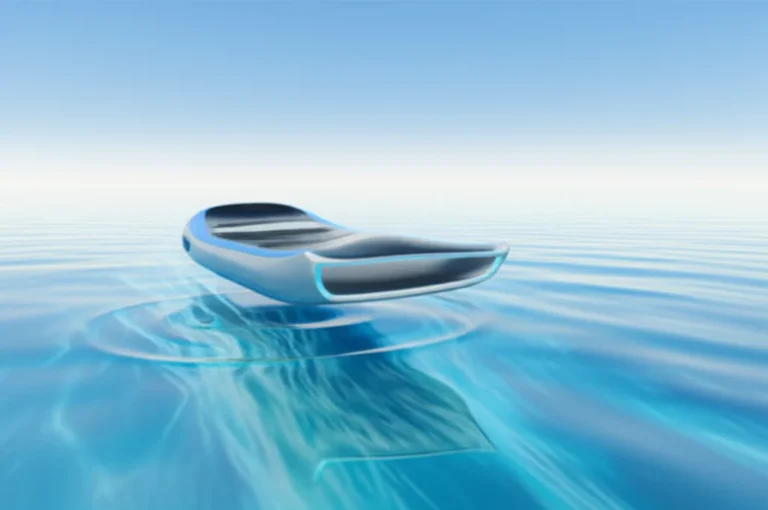
- How it Works: An eFoil uses a mast and a wing (the hydrofoil) under the board. As the board moves through the water, propelled by a small, silent electric motor, the wing generates lift, similar to an airplane wing. Once you reach a certain speed, the wing lifts the entire board and rider out of the water.
- The Feeling: It’s pure, silent, and feels like you’re floating on a magic carpet. You’re untethered and free to explore. As described in the featured video about the Lift eFoil, it gives you “the feeling of the future” by eliminating drag and allowing you to fly over the water at up to 25 mph.
- Pros: ✅ Silent, eco-friendly (zero emissions), untethered freedom, can be used on almost any body of water.
- Cons: ❌ Limited by battery life (typically 60-90 minutes), can’t achieve the same aerial acrobatics as a jetboard.
- Key Players: Lift Foils, Fliteboard.
| Feature | Hydro-Powered Jetboard (e.g., Zapata) | Electric Hydrofoil (e.g., Lift eFoil) |
|---|---|---|
| Power Source | Personal Watercraft (PWC) | Rechargeable Lithium-Ion Battery |
| Feeling | Powerful, Acrobatic, High-Energy | Silent, Gliding, Serene |
| Max Height | 15+ feet | 1-3 feet above water |
| Tethered? | Yes (by a large hose) | No (completely free) |
| Noise Level | Loud (PWC engine) | Nearly Silent |
| Eco-Friendliness | Depends on PWC (usually gas) | High (zero emissions) |
| Best For | Adrenaline junkies, acrobatics | Cruising, exploring, serene flight |
🛠️ Top 7 Components of a Water Hoverboard and Their Functions
Ever wondered what all the bits and pieces of a hydro-powered setup are? Let’s pop the hood on a classic system like the Zapata Hoverboard.
- The Board: This is what you stand on. It’s similar in shape to a wakeboard or snowboard but is engineered to be incredibly strong and buoyant. It contains the plumbing that directs the water to the nozzle.
- The Bindings: Just like on a snowboard, these secure your feet to the board, giving you the leverage you need to steer and control your flight.
- The Main Hose: This is the umbilical cord. A massive, 60-foot (or longer) hose that connects the PWC to your board. It’s surprisingly flexible but incredibly durable to handle the immense water pressure.
- The PWC Connection Kit: This is a crucial adapter that attaches to the back of the PWC. It includes a U-pipe that redirects the water jet from its normal output into the main hose.
- The Propulsion Nozzle: The business end! This is the single, powerful nozzle located at the back of the hoverboard. The angle and direction of this jet are what you control with your body to move forward and steer.
- The Swivel System: A rotating bearing system where the hose connects to the board. This is critical! It allows the hose to twist and turn without getting tangled, letting you perform spins and tricks freely.
- The Throttle Control (Optional): For advanced riders, there’s an optional Electronic Management Kit (EMK) that allows the rider to control the PWC’s throttle wirelessly from a controller in their hand, removing the need for a second person to manage the power.
⚙️ Step-by-Step: What Happens When You Fire Up a Water Hoverboard?
You’ve seen the videos, now you’re standing on the dock. What actually happens from the moment you jump in the water to your first flight?
- The Setup: First, the hose is securely connected to both the PWC and the hoverboard. The PWC is started, but kept at idle.
- Getting in Position: You’ll start in the water, lying on your stomach on the board. The instructor or PWC operator will give a small amount of throttle, just enough to start moving you away from the shore or boat.
- Knees First: Once you’re in open water, the first goal is to get to your knees on the board. This helps you find your center of balance while the board is still mostly in the water.
- Power Up… Gently!: The PWC operator will slowly and smoothly increase the throttle. You’ll feel the board start to rise beneath you. This is the moment of truth!
- The Rise: As the pressure builds, the board will lift out of the water. Your job is to keep your center of gravity low and centered over the board. Look forward, not down at your feet!
- Standing Up: Once you’re hovering a foot or two above the water and feel stable on your knees, you’ll carefully get one foot under you, then the other, rising into a standing position, much like getting up on a surfboard.
- Finding the Sweet Spot: Now you’re flying! You’ll make small, subtle adjustments with your weight—leaning on your toes and heels—to steer the board. Leaning forward propels you forward. Keeping your weight centered keeps you hovering in place.
- Flying High: As you get more comfortable, the operator can give you more power, sending you higher and faster. Enjoy the view!
🚀 The Physics of Hovering Over Water: Buoyancy, Thrust, and Balance
Okay, science class isn’t over yet! While Newton’s Third Law gets you in the air, a few other forces are at play to keep you there.
- Thrust: This is the raw power. The amount of lift is directly proportional to the mass of water being expelled per second and the velocity at which it’s expelled. More throttle = more water = more thrust = higher flight. It’s a beautiful equation!
- Gravity: Your constant opponent. Gravity is always trying to pull you back down. To hover, the upward thrust from the water jet must be exactly equal to the downward force of gravity on you and the board. To go up, thrust must be greater than gravity.
- Balance & Center of Mass: This is all you! The board itself isn’t inherently stable. You act as the gimbal. By shifting your weight, you’re constantly adjusting your combined center of mass to keep it directly above the point of thrust. It’s a dynamic dance of micro-adjustments. Leaning forward angles the thrust backward, pushing you forward. Leaning left angles the thrust right, pushing you left.
It might sound complicated, but your brain figures it out incredibly fast. It’s a testament to the power of proprioception—your body’s innate sense of its position in space.
🌟 Best Water Hoverboard Brands in 2024: Performance, Durability & Fun
Ready to take the plunge? While the market has several players, two brands truly define the two main categories of water hoverboards. When looking for your own, our Hoverboard Buying Guide can be a huge help.
Zapata: The Kings of Hydro-Powered Thrills
Franky Zapata’s company is the OG of the hydroflight world. They invented the category and continue to dominate it with high-performance, acrobatic-focused machines. We’re talking about the Ferraris of the water jet world.
Zapata Hoverboard Rating:
| Feature | Rating (1-10) |
|---|---|
| Performance | 10 |
| Adrenaline Factor | 10 |
| Ease of Use (Beginner) | 7 |
| Durability | 9 |
| Portability | 6 |
The Zapata Hoverboard is designed for speed and agility, mimicking the feel of surfing or snowboarding in the air. It’s less about hovering in one spot and more about carving through the air and water. For pure, heart-pounding action, nothing else comes close. Check out our full Hoverboard Reviews for more in-depth analysis.
👉 Shop Zapata on:
- Zapata Official Website: Zapata Store
Lift Foils: The Pioneers of eFoil Flight
Lift Foils created the first commercially available eFoil, and they are still widely considered the industry benchmark for quality and performance. They offer a completely different, but no less magical, experience.
Lift eFoil Rating:
| Feature | Rating (1-10) |
|---|---|
| Performance | 9 |
| Adrenaline Factor | 8 |
| Ease of Use (Beginner) | 8 |
| Durability | 10 |
| Portability | 8 |
The Lift eFoil is a masterpiece of design. As noted in the video review, it’s powered by an advanced lithium-ion battery and controlled by a wireless Bluetooth remote. The feeling is one of silent, effortless flight. It’s perfect for exploring coastlines, cruising on a lake, or just experiencing the unique sensation of flying over water. The company recommends it for riders 16 and up who weigh less than 250 pounds.
👉 Shop Lift Foils on:
- Lift Foils Official Website: Lift Foils
🧰 Maintenance Tips: Keeping Your Water Hoverboard in Top Shape
These machines are built tough, but a little TLC goes a long way in ensuring they last for years of fun.
- Freshwater Rinse: This is the most important rule! After every single use, especially in saltwater, thoroughly rinse every component with fresh water. Salt is incredibly corrosive and will damage metal and moving parts over time.
- Inspect the Hose: Before each use, give the main hose on a hydro-powered board a quick visual inspection. Look for any deep cuts, abrasions, or kinks that could compromise its integrity.
- Check the Swivel: The rotating connection point is a key piece of hardware. Make sure it spins freely and isn’t seized up with salt or sand.
- Battery Care (for eFoils): Follow the manufacturer’s instructions to the letter. This usually means not leaving it on the charger for extended periods after it’s full, storing it in a cool, dry place, and not letting the battery drain to zero for long periods.
- Binding Check: Make sure the screws on your bindings are tight. You don’t want a foot coming loose mid-flight!
🛡️ Safety First: Essential Precautions When Riding Over Water
Flying over water is incredibly safe when you follow the rules. Here at Hoverboarding™, we don’t mess around with safety.
- Wear the Right Gear: This is non-negotiable.
- Life Vest: Always wear a properly-fitting, Coast Guard-approved life vest.
- Helmet: A water sports helmet is essential to protect your head from impact with the board or the water itself.
- Find the best gear in our Hoverboard Accessories section.
- Go with a Pro (at first): Your first few times should absolutely be with a certified instructor. They control the power, give you real-time feedback, and know how to keep you safe.
- Know Your Area: Ride in open water, far away from boats, docks, swimmers, and shallow areas. You need a water depth of at least 8-10 feet for hydro-powered boards.
- Never Ride Alone: Always have a spotter on the PWC or on shore.
- Learn to Fall: It’s going to happen! The key is to fall away from the board and the hose. Try to fall like a pencil, not a pancake, to minimize the impact.
For a complete rundown of best practices, visit our Hoverboard Safety page.
🌍 Environmental Impact: Are Water Hoverboards Eco-Friendly?
This is a great question, and the answer is… it depends on the type!
- eFoils (✅ The Green Option): Electric hydrofoils are the clear winner here. They are powered by rechargeable batteries, producing zero emissions and running nearly silently. This minimizes both air/water pollution and noise pollution, making them much less disruptive to marine ecosystems and fellow beachgoers.
- Hydro-Powered Boards (❌ The Complicated Option): These devices are powered by a PWC, which typically runs on a two-stroke or four-stroke gasoline engine. While modern four-stroke engines are much cleaner than older two-stroke models, they still produce exhaust emissions and can be quite loud. The environmental impact is therefore tied directly to the PWC being used.
Our take? If environmental impact is your top concern, an eFoil is the only way to go.
💡 Troubleshooting Common Water Hoverboard Issues
Having trouble? Don’t panic! Most issues are simple fixes. Here are a few common problems we see.
| Problem | Possible Cause | Solution |
|---|---|---|
| Low Power / Not Enough Lift | PWC throttle is too low; debris in the PWC intake; kink in the hose. | Increase throttle smoothly; check PWC intake grate for seaweed/debris; straighten out any kinks in the main hose. |
| Spinning Out of Control | Rider is unbalanced; too much power too soon. | Keep your core tight and look at the horizon, not your feet. Ask the PWC operator for smooth, gradual power. |
| Board Feels “Stiff” or Won’t Turn | Rider is too tense; not using heels and toes to steer. | Relax your knees and ankles. Practice making small, gentle shifts in weight to initiate turns. |
| eFoil Won’t Lift Out of the Water | Not enough speed; rider’s weight is too far forward. | Increase speed with the controller; shift your weight slightly back on the board to help the wing “take off.” |
🎥 Pop Culture & Water Hoverboards: From Movies to Viral Videos
Let’s face it, the dream started with Back to the Future Part II. The moment Marty McFly jumped on that pink Mattel hoverboard, a generation was hooked. While that board’s ability to work over water was famously limited (unless you’ve got POWER!), it set the cultural stage.
Today, water hoverboards are the stars of countless YouTube and TikTok videos. Pro hydroflight athletes like Damone Rippy and Hunter Verlander have become viral sensations, pulling off insane tricks that look like they defy gravity. These devices have appeared in movies, music videos, and commercials, always representing the cutting edge of fun and the future of recreation. They are the real-life version of the sci-fi dream we were all promised.
🤔 Why Don’t Traditional Hoverboards Work Over Water? Debunking Myths
We get this question all the time! “I have a hoverboard, can I take it on the lake?” The answer is a resounding NO! ❌
Let’s clear this up once and for all.
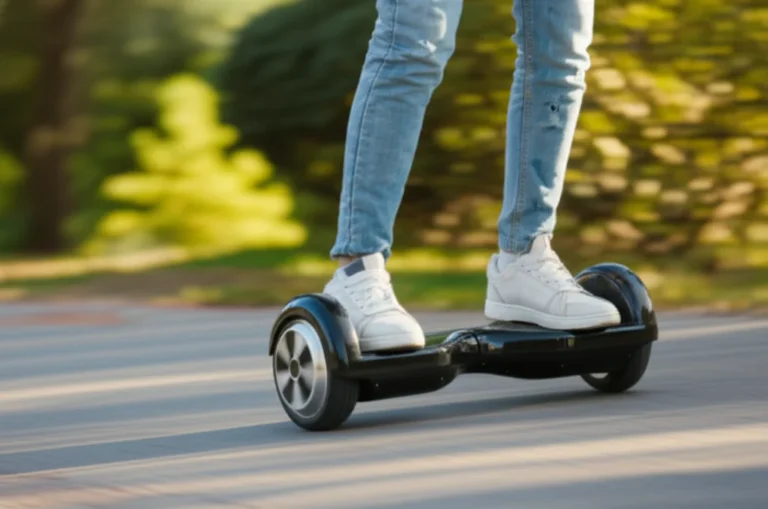
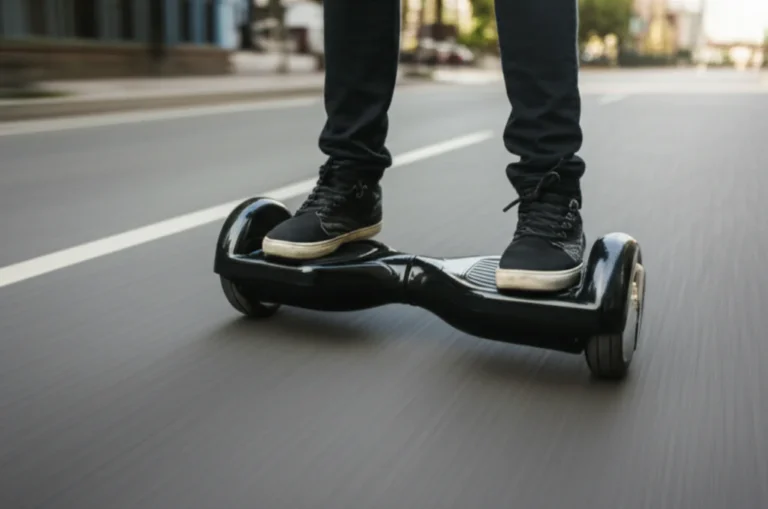
- “Hoverboard” (Self-Balancing Scooter): The device you see on sidewalks is an electric vehicle with two wheels, a platform, and internal gyroscopes for balance. It relies on wheels making contact with a solid surface to move. Its electronics are also famously not waterproof. Driving one into the water will, at best, destroy it and, at worst, be a serious electrical hazard.
- Water Hoverboard (Hydroflight/eFoil): As we’ve covered, these devices work on the principle of hydrodynamics. They either use a massive jet of water for thrust or a wing to generate lift within the water. They have absolutely nothing in common with a self-balancing scooter besides the name “hoverboard.”
So, can your Segway or Swagtron glide over the waves? Absolutely not. But can you get a Zapata or Lift Foil and actually fly over the water? You bet you can!
📈 The Future of Water Hoverboards: Innovations on the Horizon
What’s next for these amazing machines? The sky (and the water) is the limit! Here’s what we at Hoverboarding™ are most excited about:
- Better Batteries: For eFoils, the biggest frontier is battery technology. We’re expecting to see longer ride times, faster charging, and lighter battery packs in the coming years, extending the freedom of untethered flight.
- Quieter, More Efficient PWCs: For the hydro-powered world, manufacturers are constantly working on making PWC engines quieter and more fuel-efficient, which will make the sport more accessible and environmentally friendly.
- Smarter Tech: Look for more integration of smart technology. Think built-in GPS, performance tracking apps, and even more advanced wireless throttle systems that can provide smoother, more intuitive control.
- New Designs: We’re already seeing wild new designs, like the Flyride from Zapata, which is more like a flying jet ski. Expect to see even more creative ways to use the power of hydroflight and electric propulsion to have fun on the water. The future is bright, and it’s definitely going to be a wet and wild ride
🎯 Conclusion: Is a Water Hoverboard Right for You?
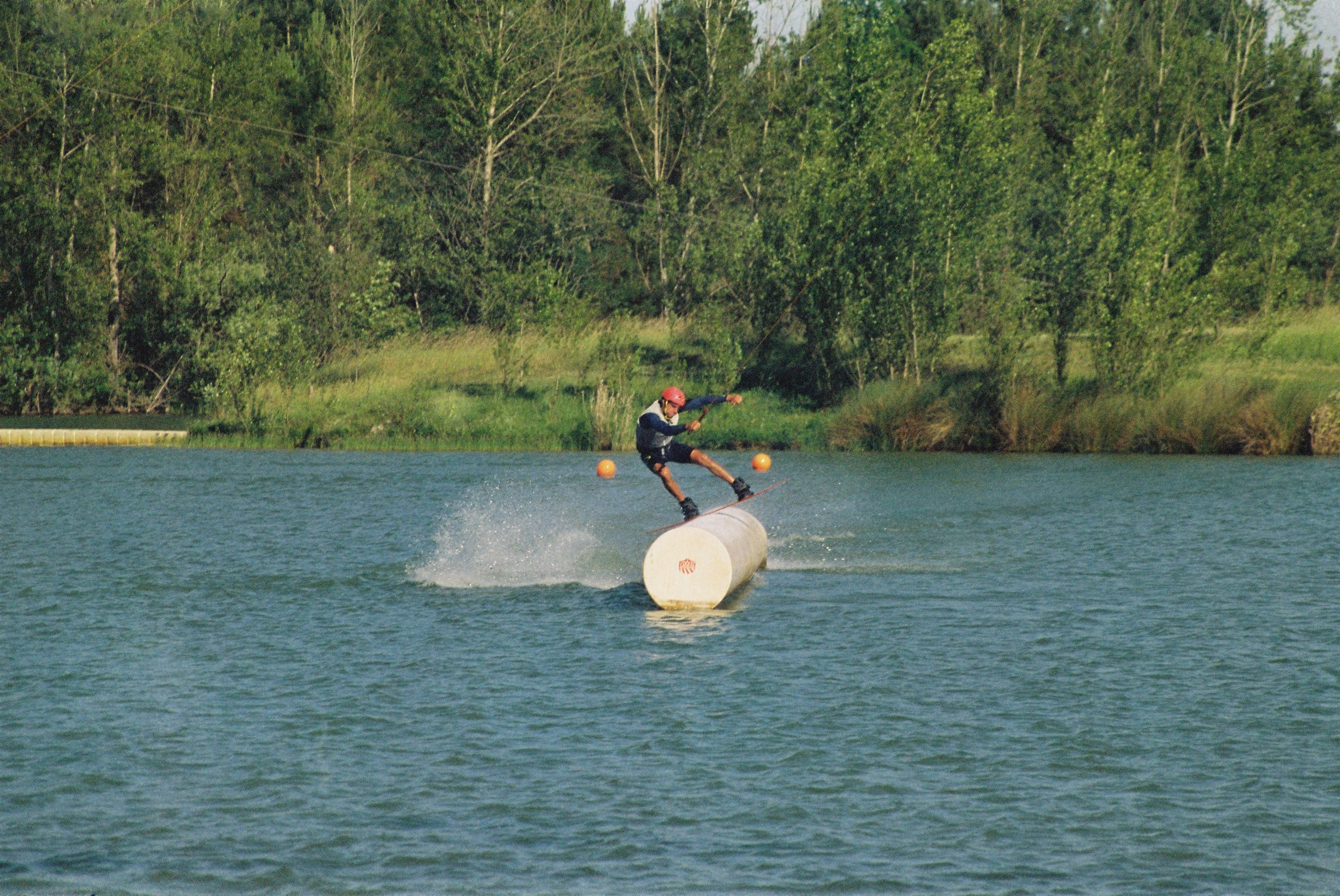
After cruising through the ins and outs of water hoverboards, from the raw power of Zapata’s hydro-powered jetboards to the serene glide of Lift Foils’ eFoils, one thing is crystal clear: water hoverboards are the ultimate thrill ride for anyone craving the sensation of flying over water. Whether you want heart-pounding acrobatics or peaceful, silent cruising, there’s a board tailored for you.
Zapata Hoverboard: Positives & Negatives
Positives:
✅ Incredible performance and height — you can soar up to 15 feet!
✅ Perfect for adrenaline junkies who want to carve, spin, and fly like a superhero.
✅ Durable and built for extreme use.
Negatives:
❌ Requires a PWC and a second operator, so it’s not fully independent.
❌ Tethered by a hose, which can limit range and freedom.
❌ Louder and less eco-friendly due to gas-powered engines.
Lift eFoil: Positives & Negatives
Positives:
✅ Fully electric and untethered — freedom to explore any water body.
✅ Quiet, clean, and environmentally friendly.
✅ Easier for beginners to pick up and enjoy.
Negatives:
❌ Limited flight height (1-3 feet) compared to jetboards.
❌ Battery life limits ride time to around 60-90 minutes.
❌ Higher upfront cost for the latest tech.
Final Verdict
If you want pure adrenaline and aerial acrobatics, Zapata’s hydro-powered hoverboard is your go-to. But if you prefer eco-friendly, quiet, and untethered cruising, the Lift eFoil is the future of water hoverboarding.
Whichever you choose, remember that water hoverboarding is a skill, a workout, and an unforgettable experience. So, are you ready to take the plunge and fly over water? Your next adventure awaits!
🔗 Recommended Links for Water Hoverboard Enthusiasts
Ready to gear up or learn more? Check out these trusted sources and products:
-
Zapata Hoverboard:
-
Lift Foils eFoil:
-
Books on Hydroflight & Water Sports:
- Hydroflight: The Complete Guide to Flying Over Water by Franky Zapata — Amazon Link
- Electric Hydrofoils: The Future of Water Sports by Sarah Waters — Amazon Link
-
Hoverboard Safety & Technology:
❓ Frequently Asked Questions About Water Hoverboards
How does flying on water work?
Flying on water with a water hoverboard relies on hydrodynamic thrust. A powerful jet of water is expelled downward, creating an upward reaction force that lifts the board and rider above the water’s surface. This is Newton’s Third Law in action: for every action, there is an equal and opposite reaction. The rider balances by shifting their weight to control direction and stability.
How does the water jet board work?
Water jet boards, like the Zapata Hoverboard, connect to a Personal Watercraft (PWC) via a high-pressure hose. The PWC pumps water at high velocity through the hose to the board’s nozzles, which direct the water downward. This downward thrust lifts the board and rider into the air. The rider controls movement by leaning and adjusting body position, while the PWC operator manages throttle.
How does the hover board work?
If you mean the traditional self-balancing hoverboard (the two-wheeled scooter), it works using gyroscopic sensors and accelerometers to detect tilt and balance. Motors adjust wheel speed to keep the rider upright and moving. However, these devices cannot operate over water due to lack of traction and waterproofing.
How do you control a water Flyboard?
Control is primarily through body weight shifts. Leaning forward or backward adjusts pitch, while leaning side to side controls roll and direction. The PWC operator controls throttle, which affects height and speed. Some advanced setups have wireless throttle controls for rider autonomy.
Are water hoverboards electric?
There are two main types:
- Hydro-powered boards use a gas-powered PWC to supply water thrust (not electric).
- Electric hydrofoils (eFoils) have built-in electric motors powered by rechargeable batteries, offering a silent and eco-friendly ride.
How does a floating hoverboard work?
Floating hoverboards (like eFoils) use a hydrofoil wing beneath the board. As the electric motor propels the board forward, water flows over the wing, generating lift that raises the board above the water surface, reducing drag and allowing smooth, efficient flight.
How does a water hoverboard generate lift?
Lift is generated by expelling water downward at high speed through nozzles (hydro-powered boards) or by the hydrofoil wing creating upward lift as water flows over it (eFoils). Both methods counteract gravity, allowing the rider to hover or fly above the water.
What powers a water hoverboard?
- Hydro-powered boards are powered by a gasoline Personal Watercraft (PWC) that pumps water through a hose to the board.
- Electric hydrofoils are powered by lithium-ion batteries that run an electric motor driving a propeller.
Can beginners easily learn to use a water hoverboard?
Yes! While it looks intimidating, most beginners can get the hang of it within 15-30 minutes with proper instruction. Starting on knees and progressing to standing helps build confidence. Always learn with a certified instructor and proper safety gear.
What safety measures are needed when using a water hoverboard?
- Always wear a Coast Guard-approved life vest and a water sports helmet.
- Use the board in open water with sufficient depth (8-10 feet minimum).
- Never ride alone; have a spotter or PWC operator.
- Learn to fall safely—away from the board and hose.
- Follow manufacturer guidelines and local regulations.
How long can you ride a water hoverboard on a single charge?
- Hydro-powered boards have no battery limit but depend on PWC fuel capacity.
- Electric hydrofoils typically offer 60 to 90 minutes of ride time per charge, depending on battery size and riding conditions.
What are the main components of a water hoverboard?
- The board itself with bindings.
- The main hose connecting to the PWC (for hydro-powered boards).
- The propulsion nozzle(s) directing water jets.
- The swivel system allowing hose rotation.
- The PWC connection kit.
- The battery and motor (for eFoils).
- The wireless throttle controller (optional for some models).
How does a water hoverboard differ from a traditional hoverboard?
Traditional hoverboards are two-wheeled, self-balancing scooters that rely on wheels and gyroscopes to move on solid surfaces. They cannot operate on water and are not waterproof. Water hoverboards use water propulsion or hydrofoil lift to fly over water and require different skills and safety measures.
📚 Reference Links and Further Reading
- Zapata Official Website: https://www.zapata.com/
- Lift Foils Official Website: https://liftfoils.com/
- Newton’s Third Law Explained: https://www.physicsclassroom.com/Class/newtlaws
- Hydrofoil Technology Overview: https://www.foils.com/what-is-a-hydrofoil/
- [BTTF] Why don’t hoverboards work over water? : r/AskScienceFiction — https://www.reddit.com/r/AskScienceFiction/comments/9yi44g/bttf_why_dont_hoverboards_work_over_water/
- YouTube Hydroflight Channel (for videos and tutorials): https://www.youtube.com/results?search_query=hydroflight
- Personal Watercraft Safety Tips: https://www.boatus.org/study-guide/activities/pwc
Ready to ride the waves and fly like never before? Dive into the world of water hoverboards with confidence, and remember—at Hoverboarding™, we’re here to help you every splash of the way! 🌊🚀