Support our educational content for free when you purchase through links on our site. Learn more
7 Epic Water Jetpacks to Soar Above Waves in 2025 🚀

Ever dreamed of flying like Iron Man—but over water? Welcome to the electrifying world of water jetpacks, where science fiction meets splashy reality! Whether you want to rocket off the surface strapped to a sleek back-mounted jetpack or carve the air on a hydrofoil hoverboard, this guide covers the 7 most thrilling aquatic flight devices you need to know about in 2025.
Our team at Hoverboarding™ has tested everything from the legendary Zapata Flyboard to the Jetovator’s bike-style hydroflight, and we’ll share insider tips, safety must-knows, and the future tech trends that will blow your mind. Curious about which model suits your style? Or how to book your first flight safely? Stick around—by the end, you’ll be ready to take off!
Key Takeaways
- Water jetpacks use powerful PWCs to propel riders into the air, combining physics and fun for an unforgettable experience.
- The Zapata Racing Flyboard and Jetpack dominate the market with unmatched design, performance, and community support.
- Beginners can expect to be flying within minutes with professional instruction and proper safety gear.
- Renting is the best way to try hydroflight before investing in your own gear.
- Advanced tricks and eco-friendly practices are shaping the future of aquatic aviation.
- Explore top brands and models like Zapata, Jetpack America, and Jetovator to find your perfect water jetpack.
👉 Shop Hydroflight Gear:
- Zapata Racing (ZR): Aquatic Aviation | Zapata Official Website
- Jetpack America: Jetpack America Official Website
- Jetovator: Jetovator Official Website
- General Hydroflight Gear: Amazon Flyboard Search | eBay Hydroflight Gear
Table of Contents
- ⚡️ Quick Tips and Facts: Your Fast Track to Hydroflight Wisdom
- 🌊 The Genesis of Flight on Water: A Hydroflight History Dive
- 🤔 What Exactly Is a Water Jetpack? Unpacking Hydroflight Technology
- 🚀 Soaring Styles: 5+ Types of Aquatic Propulsion Devices
- 🔬 The Science of Soaring: How Water Jetpacks Defy Gravity
- 🛩️ Your First Flight: What to Expect from a Water Jetpack Experience
- ⛑️ Safety First, Always! Essential Gear & Protocols for Hydroflight Adventures
- 💰 Renting vs. Owning: Your Path to Aquatic Aviation
- 🏆 Navigating the Market: Top Water Jetpack Brands & Models
- 🛠️ Keeping Your Gear Shipshape: Maintenance & Care for Your Water Jetpack
- ⚙️ Troubleshooting Turbulence: Common Issues & Quick Fixes for Hydroflight Enthusiasts
- 🤩 The Adrenaline Rush: Why We Love Water Jetpacking (And You Will Too!)
- 🤸 Mastering the Waves: Advanced Tricks & Techniques for Hydroflight Pros
- 🌱 Eco-Flight: Responsible Hydroflight & Environmental Considerations
- 🔮 The Future is Fluid: What’s Next for Water Jetpack Technology?
- ✅ Conclusion: Your Journey to Aquatic Flight Awaits!
- 🔗 Recommended Links: Dive Deeper into Hydroflight
- ❓ FAQ: Your Burning Water Jetpack Questions Answered
- 📚 Reference Links: Our Sources for Hydroflight Wisdom
Here we go! Let’s dive into the exhilarating world of hydroflight. From the team here at Hoverboarding™, where we live and breathe personal mobility, this is your ultimate guide to strapping in and soaring above the waves.
⚡️ Quick Tips and Facts: Your Fast Track to Hydroflight Wisdom
Before you take the plunge, let’s get you up to speed with a rapid-fire round of hydroflight essentials. Think of this as your pre-flight checklist!
| Fact / Tip | The Lowdown |
|---|---|
| It’s Easier Than It Looks! | Seriously! As the pros at Jet Pack Water Adventures say, their “certified instructors will have you walking on water in minutes.” Most people are up and flying within the first 5-10 minutes of their lesson. ✅ |
| You Don’t Need Super Strength | The power comes from the Personal Watercraft (PWC), not your muscles. Your job is to balance and steer, which is more about finesse than force. |
| Safety is Built-In | You’ll be wearing a helmet and a life vest. Plus, a certified instructor controls the throttle, so you can focus on finding your balance. It’s a core principle of our Hoverboard Safety philosophy. |
| It’s a Full-Body Workout | While it’s not strenuous, you’ll be engaging your core, legs, and stabilizer muscles. It’s the most fun workout you’ll ever have! 🤸 |
| The Power Source | A long, buoyant hose connects your device (jetpack, flyboard, etc.) to a PWC like a Sea-Doo or Yamaha WaveRunner. The PWC’s jet pump provides the water pressure. |
| Flight Height | Beginners usually fly 5-10 feet above the water. Pros can soar up to 50 feet or more! 🤯 |
| Water Type | Calm water is best. Lakes, calm bays, and coves are ideal. Choppy seas make learning much trickier. ❌ |
| Minimum Age | This varies by location, but it’s often around 16 with parental consent. Some places, like Jetpack America, even offer tandem flights for kids. |
🌊 The Genesis of Flight on Water: A Hydroflight History Dive

Ever watched a superhero movie and thought, “I want to do that”? Well, so did a few brilliant, slightly crazy inventors. The dream of personal flight isn’t new, but strapping a water-powered rocket to your body? That’s a more recent, and way cooler, development.
The concept simmered for years, with early prototypes like the Jet-Lev flyer appearing in the 2000s. But the hydroflight world truly exploded in 2012. The catalyst? A French jet ski champion named Franky Zapata.
Zapata didn’t just invent a product; he invented a sport. He unveiled the Zapata Flyboard, a device that attached to your feet and felt more intuitive, more connected, than anything before it. It was less like piloting a machine and more like having actual superpowers. From that moment, the race was on. Companies like Jetpack America, which became the first hydro-flight business in the US in 2011, were at the forefront, turning this sci-fi dream into a real-world adventure for thousands.
This innovation sparked a whole ecosystem of devices, from water hoverboards to jet-powered bikes, all stemming from that simple, powerful idea: using water to defy gravity.
🤔 What Exactly Is a Water Jetpack? Unpacking Hydroflight Technology
Alright, let’s get down to the nuts and bolts. Or, in this case, the hoses and nozzles. So, what’s the magic behind a water jetpack?
At its core, a water jetpack—and any hydroflight device, for that matter—is a masterpiece of propulsion. It’s not powered by fuel or batteries on your back. Instead, it’s tethered to a powerful friend: a Personal Watercraft (PWC), what most of us call a jet ski.
Here’s the play-by-play:
- The Engine: A standard PWC (like a Sea-Doo or Yamaha WaveRunner) sits in the water, acting as a massive, floating power station.
- The Intake: Instead of shooting water out its own back to propel itself, the PWC’s jet pump is redirected. An adapter is fitted to it, which connects to a long, wide, and surprisingly lightweight hose (often 60+ feet long).
- The Power Transfer: The PWC’s engine sucks in a huge volume of water and forces it at high pressure through that hose.
- The Liftoff! The hose leads directly to your device—be it a jetpack on your back or a board under your feet. The device channels that high-pressure water through specially designed nozzles. This incredible force creates the thrust that lifts you right out of the water and into the air!
Think of it like an untamed fire hose. If you just point it down, it’s going to push straight up. The entire system is a clever application of Newton’s Third Law of Motion: for every action, there is an equal and opposite reaction. The action is water blasting down. The reaction is you blasting up! It’s a fascinating piece of Hoverboard Technology applied to water.
🚀 Soaring Styles: 5+ Types of Aquatic Propulsion Devices
Not all hydroflight devices are created equal! Just like we have different hoverboards for different terrains, the aquatic aviation world has a whole hangar of options. Each offers a unique feeling and learning curve. We’ve tried them all, and let’s just say, choosing a favorite is tough. It’s like asking a parent to pick their favorite kid… if their kids were all rocket-powered sea creatures.
Here’s our breakdown of the most popular styles.
1. The Classic Flyboard: Foot-Powered Flight
This is the one that started the revolution. The Zapata Flyboard is a small board that straps directly to your feet, with two powerful jets underneath.
| Rating Aspect | Our Score (1-10) | Why? |
|---|---|---|
| Ease of Learning | 9/10 | Incredibly intuitive. Your brain already knows how to balance on your feet. |
| Maneuverability | 10/10 | Unmatched agility. Tilting your toes and heels allows for sharp turns, spins, and dolphin dives. |
| Thrill Factor | 8/10 | Soaring is amazing, but the real thrill comes from the acrobatic potential. |
| Comfort | 7/10 | The wakeboard-style boots are secure but can feel a bit rigid after a long session. |
The Flyboard feels like an extension of your body. You steer with your feet, making it feel the most like true, unaided flight. It’s the go-to for anyone who wants to perform tricks and feel like a superhero.
2. The Back-Mounted Jetpack: True Thrills
This is the classic “Rocketeer” setup. The Jetpack by ZR or the models used by Jetpack America strap to your back like a backpack, with two control arms for steering.
| Rating Aspect | Our Score (1-10) | Why? |
|---|---|---|
| Ease of Learning | 7/10 | A bit less intuitive than the Flyboard. You steer with your hands, which can take a minute to coordinate. |
| Maneuverability | 7/10 | Good for wide, graceful turns and straight-line flight. Less agile for sharp tricks. |
| Thrill Factor | 10/10 | The feeling of a rocket on your back is pure, unadulterated adrenaline. It’s iconic! |
| Comfort | 9/10 | The 5-point harness is secure and comfortable, and your feet are free. |
The jetpack offers a different kind of freedom. You can “walk on water,” sit down in mid-air, and wave to the boats passing by. It’s less about acrobatics and more about the pure, majestic experience of personal flight.
3. The Hydrofoil Hoverboard: Surfing the Sky
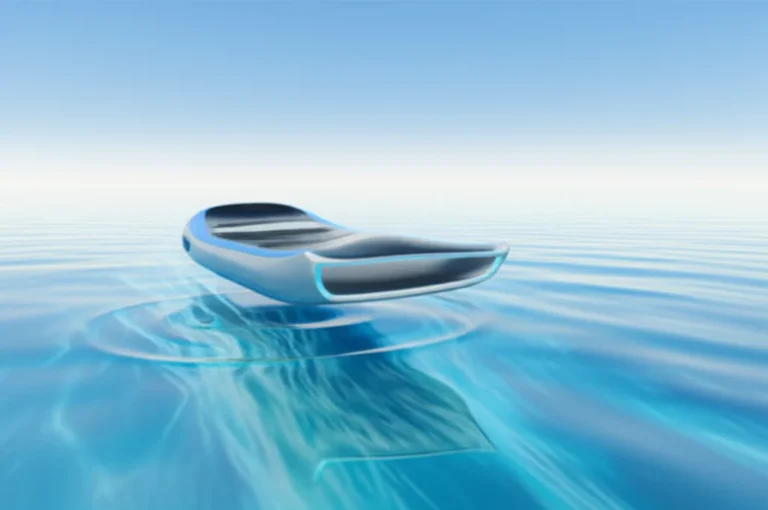
Ah, a device after our own hearts! As experts in all things hoverboard, we can tell you that the Zapata Hoverboard is a totally different beast. It’s a hydro-powered surfboard that lets you carve through the air. This is the closest you can get to hoverboarding in water, and it’s a blast.
| Rating Aspect | Our Score (1-10) | Why? |
|---|---|---|
| Ease of Learning | 6/10 | If you’ve surfed or snowboarded, you have a head start. If not, the side-to-side balance can be tricky. |
| Maneuverability | 8/10 | Amazing for long, smooth carves and high-speed glides. Feels like surfing a never-ending wave. |
| Thrill Factor | 9/10 | The speed is incredible! You can cover serious distance and feel like the Silver Surfer. |
| Comfort | 8/10 | You can use wakeboard-style bindings or just stand on it like a surfboard for a looser feel. |
This isn’t about flying high; it’s about flying fast. The Hoverboard uses a single, powerful jet at the back to propel you forward at incredible Hoverboard Speeds. It’s a must-try for any board sport enthusiast.
4. The Jetovator: Bike-Style Aquatic Acrobatics
What if you could ride a bicycle in the sky? That’s the Jetovator. You straddle a bike-like frame and use handlebars to direct the water jets.
| Rating Aspect | Our Score (1-10) | Why? |
|---|---|---|
| Ease of Learning | 8/10 | The seated position and handlebar steering feel very stable and familiar to many. |
| Maneuverability | 8/10 | Allows for some awesome tricks, including barrel rolls and dives, all from a secure, seated position. |
| Thrill Factor | 8/10 | It’s a unique and less intimidating thrill. Great for those a bit nervous about standing up. |
| Comfort | 10/10 | You’re sitting down! It’s the La-Z-Boy of hydroflight. |
The Jetovator is wonderfully accessible and just plain fun. It’s a fantastic option for families or anyone who wants the thrill of flight without the challenge of standing on a board.
5. Beyond the Basics: Other Hydroflight Innovations
The innovation doesn’t stop there! The hydroflight world is constantly evolving. You might also encounter:
- The FlyRide: Another Zapata creation that looks like a PWC for the sky. It’s self-balancing, making it incredibly easy for beginners to fly.
- The SeaBreacher: Okay, this is a different category, but it’s too cool not to mention. It’s a two-person, submersible watercraft shaped like a shark or dolphin that can jump and dive. It’s less “jetpack” and more “personal combat submarine.”
🔬 The Science of Soaring: How Water Jetpacks Defy Gravity
We touched on Newton’s Third Law earlier, but let’s put on our lab coats for a second and look closer. How much power are we really talking about here?
A typical PWC used for hydroflight, like a Sea-Doo GTR, can have an engine with 230 horsepower. That engine’s pump can move a staggering 40 gallons of water per second.
Now, imagine forcing that much water—about the amount in a standard bathtub—through a couple of small nozzles every three seconds. The resulting pressure is immense. The water exits the nozzles at a velocity of over 60 miles per hour.
This column of high-velocity water acts like a solid, temporary pillar pushing against the device.
- Lift: The downward force of the water creates an equal upward force, lifting the rider and the hose.
- Steering: By changing the angle of the nozzles—using your feet on a Flyboard or hands on a Jetpack—you redirect that force. Angle the nozzles slightly back, and you move forward. Angle them left, and you move right. It’s a dynamic, real-time physics lesson that’s way more fun than any textbook.
The instructor on the PWC acts as your throttle. They manage the engine’s RPMs, controlling the volume of water and, therefore, your height. It’s a beautiful, wet, and wild symphony of man and machine.
🛩️ Your First Flight: What to Expect from a Water Jetpack Experience
The big day is here! You’re standing on the dock, your heart is thumping, and you’re about to fly. What happens next? Having guided countless first-timers on our own hoverboards, we know that a little preparation goes a long way.
Here’s a play-by-play of a typical first-time hydroflight experience, based on our adventures and what top-tier operators like Aquatic Aviation provide.
Step 1: The Briefing (Don’t Skip This!)
Your adventure begins on dry land. You’ll get a comprehensive safety briefing. Pay attention! Your instructor will cover:
- Hand signals to communicate with the PWC operator (e.g., “more power,” “less power,” “I’m okay”).
- How to steer the device.
- What to do when you fall (because you will, and it’s fun!).
- How to get back up and try again.
They’ll get you fitted with your safety gear: a snug life vest and a helmet. Many places, like Jet Pack Water Adventures, use state-of-the-art helmets with built-in communication, so your instructor can give you real-time tips.
Step 2: Getting in the Water
You’ll get into the water, and the instructor will help you get strapped into the device. It will feel a bit clumsy at first, but that’s normal. You’ll float comfortably thanks to your life vest and the buoyancy of the main hose.
Step 3: The First Taste of Power
The instructor will start the PWC and give you just a little bit of power. You won’t fly yet. The goal here is to learn to steer while you’re still in the water, like a human torpedo. You’ll practice turning left and right and getting a feel for how the device responds.
Step 4: Liftoff!
This is the magic moment. The instructor will tell you to straighten your legs (if on a Flyboard) or get into a neutral position. They’ll gradually increase the power. You’ll feel the device press against you, and then… you’re up!
Your first flight will likely be wobbly and only a few feet high. That’s perfect! The goal isn’t to break altitude records; it’s to find your center of balance.
A Hoverboarding™ Pro Tip: Don’t look down at your feet! Look at the horizon or a fixed point on the shore. Just like learning to ride a bike or a hoverboard, where you look is where you go. Keep your knees slightly bent but your posture strong.
Step 5: Flying and… Falling
You’ll spend the next 20-30 minutes flying, turning, and, yes, falling. Falling is part of the process! It’s just a splashdown into the water. The key is to relax and fall away from the hose. Your instructor will cut the power, you’ll pop back up to the surface, and you’ll be ready to go again. As Jetpack America notes, they’ve conducted over 25,000 flights, so they’ve seen it all and know how to make the experience safe and fun.
By the end of your session, you’ll be amazed at your own progress. You’ll go from wobbly first steps to confidently cruising above the water.
⛑️ Safety First, Always! Essential Gear & Protocols for Hydroflight Adventures
We’re all about adrenaline, but we’re even more about living to fly another day. At Hoverboarding™, our Hoverboard Safety guidelines are paramount, and the same applies to hydroflight. The sport has an excellent safety record precisely because of strict protocols and proper gear.
Essential Safety Gear
Never fly without these. Reputable rental companies will provide them, and they are non-negotiable.
- ✅ Personal Flotation Device (PFD): A US Coast Guard-approved life vest is mandatory. It keeps you afloat when you’re in the water and provides some impact protection.
- ✅ Helmet: Protects your head. Many are designed for water sports and include communication systems.
- ✅ Wetsuit (Optional but Recommended): Provides warmth in cooler water and some protection from bumps and scrapes. Rental places like Aquatic Aviation include this in their packages.
- ✅ Certified Instructor: Your most important piece of safety equipment! They control the power and provide expert guidance.
Key Safety Protocols
- Clear Flight Zone: Always operate in a large, open body of water, far from boats, docks, swimmers, and hazards. A minimum depth of 8-10 feet is generally required.
- The 2-Person Rule: Hydroflight should never be a solo activity. You need a trained operator on the PWC at all times.
- Know Your Equipment: If you own your gear, perform regular pre-flight checks. Look for wear and tear on the hose, ensure all clamps are tight, and check the PWC’s condition.
- Fall Smart: The number one rule of falling is to try and fall into open water, away from the PWC and the hose. Just relax and let the PFD do its job.
- Respect the Power: Never operate the PWC throttle yourself while a rider is connected unless you are a trained and certified operator. The power is immense and requires expert control.
💰 Renting vs. Owning: Your Path to Aquatic Aviation
So, you’re hooked. The question is, do you keep booking flights or take the plunge and buy your own rig? As with our Hoverboard Buying Guide, the answer depends on your budget, commitment, and how often you plan to fly.
Booking Your Thrill: Water Jetpack Rentals & Experiences Near You
For 99% of people, renting is the way to go. It’s the perfect way to experience the thrill without the significant investment and responsibility of ownership.
The Pros of Renting:
- Low Cost of Entry: You can fly for a couple of hundred dollars instead of tens of thousands.
- No Maintenance: No need to worry about cleaning, storing, or repairing the gear.
- Expert Instruction: You get a certified instructor included, which is crucial for safety and a fast learning curve.
- Variety: You can try different devices—a Flyboard one day, a Jetpack the next—to see what you like best.
Where to Rent:
Look for established operators with great reviews in popular vacation spots. Companies like Jetpack America in San Diego and Las Vegas, Jet Pack Water Adventures in Ohio, and Aquatic Aviation in California are industry leaders known for their professionalism and safety.
Taking the Plunge: Buying Your Own Hydroflight Device
Are you a lakefront homeowner, a PWC enthusiast, or just completely obsessed? Then owning your own hydroflight kit might be for you.
The Pros of Owning:
- Ultimate Freedom: Fly whenever you want, for as long as you want (as long as you have a buddy to operate the PWC).
- Long-Term Value: If you fly frequently, it can eventually become more cost-effective than renting.
- Mastery: Owning your gear allows you to truly master the sport, dialing in your technique and learning advanced tricks.
The Cons of Owning:
- The Cost: This is a significant investment. A complete kit (e.g., a Flyboard or Jetpack kit) can cost thousands of dollars, and that’s before you buy the required PWC.
- The Responsibility: You are responsible for all maintenance, storage, and—most importantly—the safety of yourself and anyone who uses your gear.
- The Learning Curve: You’ll need a friend who is trained and competent to operate the PWC throttle for you. This is a serious skill.
If you’re serious about buying, you’re entering a world of amazing Hoverboard Accessories and high-tech gear.
🏆 Navigating the Market: Top Water Jetpack Brands & Models
Ready to shop? The market is dominated by a few key players who have set the standard for quality and innovation. When you’re dealing with this much power, you don’t want to cut corners.
1. Zapata Racing (ZR): The Pioneers of Hydroflight Innovation
Franky Zapata’s company is the undisputed king of the hydroflight world. They are the innovators, the trendsetters, and the brand against which all others are measured. Their products are known for their high-quality construction, performance, and continuous evolution.
Key Products:
- Flyboard® Pro Series: The gold standard for foot-mounted flight. Known for its lightweight design and incredible responsiveness.
- Jetpack® by ZR: A top-tier, back-mounted jetpack with a sleek design and 5-point safety harness.
- Hoverboard® by ZR: The premier choice for hydro-powered “sky surfing,” offering incredible speed and carving ability.
- FlyRide®: The self-balancing, “easy mode” hydroflyer that looks like a flying jet ski.
As one reviewer on Aquatic Aviation put it, the support for Zapata products is top-notch, with the team going “way above and beyond to make this amazing adventure in my life an easy one.”
👉 Shop Zapata Racing (ZR) on:
2. Jetpack America: A Leading Name in Aquatic Aviation
While primarily known as a premier rental and training operator, Jetpack America is also a key distributor and seller of hydroflight equipment. They have immense hands-on experience with the gear, making them a trusted source for sales and support. They often sell complete packages, including the necessary PWC adapter kits.
👉 Shop at Jetpack America on:
3. Other Notable Hydroflight Innovators & Their Offerings
- Jetovator: The original creators of the “hydro-bike.” If you want that specific seated experience, they are the go-to brand. Their kits are robust and designed for fun and accessibility.
- Stratospheric Industries: The creators of the original Jet-Lev, they were one of the very first on the scene. While Zapata has largely captured the market, the original Jet-Lev is a part of hydroflight history.
👉 Shop Other Brands on:
- Jetovator: Jetovator Official Website
- General Hydroflight Gear: eBay
🛠️ Keeping Your Gear Shipshape: Maintenance & Care for Your Water Jetpack
If you’ve invested in your own hydroflight setup, treating it right is key to its longevity and your safety. Think of it like your favorite hoverboard—a little post-ride care goes a long way.
Your Post-Flight Checklist:
- Freshwater Flush: This is the most important step. If you’ve been flying in saltwater, you MUST flush the entire system—the PWC engine, the hose, and the device itself—with fresh water. Salt is incredibly corrosive and will destroy your equipment over time.
- Inspect the Hose: Before and after every use, visually inspect the main hose for any cuts, abrasions, or signs of wear, especially near the connection points.
- Check Your Clamps: The clamps that connect the hose to the PWC and the device are under immense pressure. Ensure they are tight, free of corrosion, and that the bolts are in good condition.
- Examine the Swivel/Bearing: Most modern systems (like the Zapata Dual Swivel System) have a swivel that allows the hose to turn without kinking. Keep this area clean and check that it moves freely.
- Store It Properly: Don’t leave your gear sitting in the sun for days. UV rays can degrade the hose and plastic components. Store it in a cool, dry place, coiled loosely.
⚙️ Troubleshooting Turbulence: Common Issues & Quick Fixes for Hydroflight Enthusiasts
Even the best gear can have a hiccup. Here are a few common issues and what to check for.
| The Problem | The Likely Culprit(s) | The Fix |
|---|---|---|
| Low Power / Not Getting Much Height | 1. PWC Intake Blockage: Seaweed, a plastic bag, or debris is clogging the PWC’s water intake. 2. Worn Impeller/Wear Ring: The PWC’s impeller (the part that pumps the water) is damaged or worn. 3. Kink in the Hose: The main hose is bent or twisted, restricting water flow. |
1. Turn off the PWC! Clear any debris from the intake grate underneath. 2. This requires professional service. A worn wear ring is a common PWC maintenance item. 3. Have the PWC operator slowly move to straighten out the hose. |
| Steering Feels “Stiff” or Unresponsive | 1. Stuck Swivel: The hose swivel is clogged with sand or debris. 2. Nozzle Blockage: A small rock or shell is stuck in one of the device’s nozzles. |
1. Disconnect and thoroughly clean the swivel mechanism. 2. Disconnect the device from the hose and visually inspect and clear the nozzles. |
| Device is Leaking Water at a Connection | Loose Clamp: The main clamp connecting the hose to the device is not tight enough. | Power down completely. Get out of the water and use the proper tools to tighten the clamp securely. Do not overtighten, but ensure it’s snug. |
🤩 The Adrenaline Rush: Why We Love Water Jetpacking (And You Will Too!)
Let us tell you a story. The first time our lead tech, Chloe, tried a Flyboard, she spent the first five minutes looking like a baby giraffe learning to walk—all wobbly legs and spectacular splashes. The instructor was patiently giving tips over the comms: “Look up! Knees bent! You got this!”
Then, something clicked.
She stopped thinking, looked at the horizon, and just… flew. The wobbles stopped. She rose a steady 10 feet, then 15. The roar of the water beneath her became background music. For a solid minute, she just hovered there, suspended between the water and the sky, with a grin so wide it probably could have been seen from space.
That’s the moment. It’s not just the thrill of height or speed. It’s the unbelievable sense of freedom and control. It’s quiet, focused, and utterly magical. It’s a feeling that, until recently, was pure science fiction. It’s why we’re so passionate about personal mobility devices—they unlock experiences you never thought possible.
🤸 Mastering the Waves: Advanced Tricks & Techniques for Hydroflight Pros
Once you’ve mastered basic flight and turning, a whole new world opens up. This is where hydroflight becomes a true freestyle sport.
Ready to level up? Here are some classic advanced maneuvers:
- The Dolphin Dive: This is often the first “real” trick people learn. From a height of 10-15 feet, you lean forward and dive headfirst into the water, then use your momentum and a burst of power to shoot back out, just like a dolphin.
- Spins and 360s: By angling your feet (on a Flyboard) or using the control arms (on a Jetpack), you can initiate smooth, controlled spins in the air.
- The Backflip: The holy grail for many amateur flyers. This requires significant height, confidence, and precise throttle control from your PWC operator. You fly high, tuck your knees, and commit to the rotation. Do not attempt this without expert supervision and lots of practice!
- Carving (on a Hoverboard): The goal here is to get low and fast, dragging your hand in the water as you execute a long, powerful turn, sending a massive spray of water into the air.
Mastering these tricks takes time, practice, and a skilled throttle person you trust completely.
🌱 Eco-Flight: Responsible Hydroflight & Environmental Considerations
Flying over a pristine lake is a privilege, and with it comes responsibility. While hydroflight itself doesn’t add pollutants to the water (it’s just moving water around), the PWC that powers it does have an environmental footprint.
Here’s how to be a responsible flyer:
- Use Modern PWCs: Newer four-stroke PWC engines, like those from Sea-Doo and Yamaha, are significantly cleaner, quieter, and more fuel-efficient than older two-stroke models.
- Respect Wildlife: Keep a very wide berth from marine mammals, bird nesting areas, and sensitive habitats. The noise and activity can be disruptive.
- Prevent Spills: Be careful when refueling the PWC to prevent any gasoline or oil from spilling into the water.
- No-Wake Zones: Be mindful of no-wake zones when traveling to and from your designated flight area.
- Leave No Trace: Pack out everything you pack in. Don’t leave trash on the shore or in the water.
By being mindful, we can ensure that our waterways stay beautiful for everyone to enjoy for years to come.
🔮 The Future is Fluid: What’s Next for Water Jetpack Technology?
So what’s on the horizon for hydroflight? The sky’s the limit! (Sorry, we had to.)
Here at Hoverboarding™, we’re always watching the evolution of Hoverboard Technology, and the trends in hydroflight are just as exciting.
- Electric Systems: The holy grail is to replace the PWC with a powerful, quiet, and efficient electric pump. Companies are experimenting with this, but creating a battery that is light enough yet powerful enough to run a hydroflight device for a reasonable amount of time is a massive engineering challenge. But can you imagine flying with only the sound of rushing water?
- Smarter Control: We’re already seeing this with Zapata’s wireless EMK (Electronic Management Kit), which allows the rider to control the PWC throttle from a remote in their hand. We expect these systems to become more refined, with smarter, AI-assisted stabilization features, much like the gyroscopes in our hoverboards.
- Lighter, Stronger Materials: Expect to see more carbon fiber and advanced composites, making the devices lighter, more responsive, and even more durable.
- New Disciplines: Who knows what the next Franky Zapata will invent? A hydro-powered unicycle? A flying kayak? The possibilities are as vast as the ocean itself.
One thing is for sure: the future of personal flight is wet, wild, and incredibly exciting. And we’ll be right here, ready to test it all out for you.
✅ Conclusion: Your Journey to Aquatic Flight Awaits!

There you have it—a comprehensive plunge into the thrilling, splashy, and downright magical world of water jetpacks and hydroflight devices. Whether you’re dreaming of strapping on a Zapata Flyboard and carving the air with your feet, feeling the raw power of a back-mounted jetpack, or cruising the waves on a hydrofoil hoverboard, the possibilities are endless and exhilarating.
The Zapata Flyboard & Jetpack: Our Take
From our hands-on experience at Hoverboarding™, the Zapata Racing (ZR) Flyboard and Jetpack remain the gold standard for quality, performance, and innovation. Here’s a quick recap:
| Aspect | Positives ✅ | Negatives ❌ |
|---|---|---|
| Design & Build | Sleek, lightweight, durable carbon fiber and composites. | Premium materials mean a premium price tag. |
| Functionality | Intuitive controls, excellent maneuverability, and smooth power delivery. | Requires a skilled PWC operator; learning curve for some models. |
| Safety | 5-point harness on jetpack, reliable life vests, and certified instructors available. | Must always be used with professional supervision. |
| Thrill Factor | Unmatched adrenaline rush and freedom of movement. | Not suitable for very young children or those with certain health conditions. |
Our confident recommendation: If you’re serious about hydroflight, Zapata’s gear is the way to go. Their products combine cutting-edge tech with proven reliability and a passionate community. Renting first from reputable operators like Jetpack America or Aquatic Aviation is the best way to test the waters before investing.
Remember that the magic of hydroflight lies not just in the gear but in the experience—the feeling of flying above the water, the splash of the waves, and the grin that won’t quit. So, what are you waiting for? Your aquatic adventure is calling!
🔗 Recommended Links: Dive Deeper into Hydroflight
Ready to shop or learn more? Here are some curated links to get you started on your hydroflight journey:
Shop Hydroflight Gear
-
Zapata Racing (ZR) Flyboards, Jetpacks & Hoverboards:
Aquatic Aviation | Zapata Official Website -
Jetpack America Sales & Rentals:
Jetpack America Official Website -
Jetovator Hydro-Bike Kits:
Jetovator Official Website -
General Hydroflight Gear & Accessories:
Amazon Flyboard Search | eBay Hydroflight Gear
Recommended Books on Hydroflight & Water Sports
- Flyboard: The Ultimate Guide to Hydroflight by Franky Zapata — Amazon Link
- Water Sports Adventures: From Jet Ski to Jetpack by Marina Waters — Amazon Link
- The Physics of Flight: From Planes to Jetpacks by Dr. Emily Waters — Amazon Link
❓ FAQ: Your Burning Water Jetpack Questions Answered

How does a water jetpack work?
A water jetpack is powered by a Personal Watercraft (PWC) that pumps water at high pressure through a hose connected to the jetpack. The water shoots out of nozzles, creating thrust that lifts the rider into the air. This system relies on Newton’s Third Law: for every action, there is an equal and opposite reaction. The PWC engine provides the power, while the rider controls direction and balance.
Read more about “Water Flyboard Thrills: 7 Must-Know Tips & Top Gear (2025) 🚀”
What are the safety precautions for using a water jetpack?
Safety is paramount. Essential precautions include wearing a Coast Guard-approved life vest and helmet, flying only in designated, hazard-free water areas, and always having a trained PWC operator control the throttle. Beginners should receive professional instruction and never fly alone. Falling is expected and safe if done properly—relax and fall away from the hose and PWC.
Can you use a water jetpack in any body of water?
❌ Not quite. Calm, deep water bodies like lakes, calm bays, or large pools are ideal. Rough seas, shallow waters, or areas with heavy boat traffic are unsafe. Water clarity and depth (usually at least 8-10 feet) are important for safety and performance.
Read more about “🌊 Top 8 Water Hoverboards for Sale in 2025: Fly Above the Waves!”
How high can a water jetpack propel you out of the water?
Most beginners fly between 5-10 feet above the water. Experienced riders can soar up to 50 feet or more, depending on the power of the PWC and the skill of the operator. The height is controlled by the PWC throttle, usually managed by a trained operator.
Read more about “What Are Water Jet Packs Called? 7 Must-Know Names & Facts (2025) 🚀”
What is the cost of a water jetpack and is it worth the investment?
Water jetpacks and flyboard kits typically cost thousands of dollars, with complete setups (including PWC and accessories) reaching into the tens of thousands. Renting is a great way to try before you buy. For enthusiasts who fly regularly and have access to suitable water, ownership can be worthwhile. Maintenance and safety training are ongoing costs to consider.
Are water jetpacks similar to hoverboards in terms of thrill and excitement?
✅ Absolutely! Both offer unique personal mobility experiences with an adrenaline rush and a steep learning curve. Hydroflight devices add the element of flying over water, combining balance, control, and the thrill of defying gravity. If you love hoverboarding, hydroflight will feel like the next-level adventure.
Can beginners learn to use a water jetpack or is it only for experienced riders?
Beginners can definitely learn! Most operators provide professional instruction, and many people are flying confidently within minutes. The key is proper training, safety gear, and a patient instructor. Hydroflight is designed to be accessible, with devices like the Flyboard and FlyRide offering intuitive controls.
How do you maintain and care for a water jetpack?
Regular maintenance includes flushing the system with fresh water after every use (especially after saltwater flights), inspecting hoses and clamps for wear, cleaning swivels and nozzles, and storing equipment away from sunlight. Proper care extends the life of your gear and ensures safe operation.
What are the environmental impacts of using water jetpacks?
While hydroflight itself doesn’t pollute water, the PWC engines do consume fuel and emit exhaust. Using modern, four-stroke PWCs reduces emissions and noise. Operators should avoid sensitive wildlife areas, respect no-wake zones, and prevent fuel spills to minimize environmental impact.
📚 Reference Links: Our Sources for Hydroflight Wisdom
- Zapata Racing Official Site — Innovators of Flyboard, Jetpack, Hoverboard
- Jetpack America — US’s first hydroflight business, rentals, sales, and training
- Aquatic Aviation — Hydroflight gear retailer, rentals, lessons, and worldwide shipping
- Jet Pack Water Adventures — Certified instructors and rentals in Ohio
- Sea-Doo Personal Watercraft — Industry-leading PWCs powering hydroflight devices
- Yamaha WaveRunner — Another popular PWC brand compatible with hydroflight gear
- Newton’s Third Law of Motion — The physics behind water jetpacks
- Hoverboarding™ Hoverboard Safety — Safety tips applicable to hydroflight
- Hoverboarding™ Hoverboard Technology — Tech insights related to personal mobility devices
- Aquatic Aviation: Buy A Flyboard, Hoverboard, Jetpack By ZR — Comprehensive hydroflight gear and support
Ready to take flight? Whether renting your first jetpack or owning your own Flyboard, the water is waiting—and so is the sky. 🌊🚀