Support our educational content for free when you purchase through links on our site. Learn more
What Is a Hover Device in the Water? 🌊 Discover 4 Thrilling Types (2025)

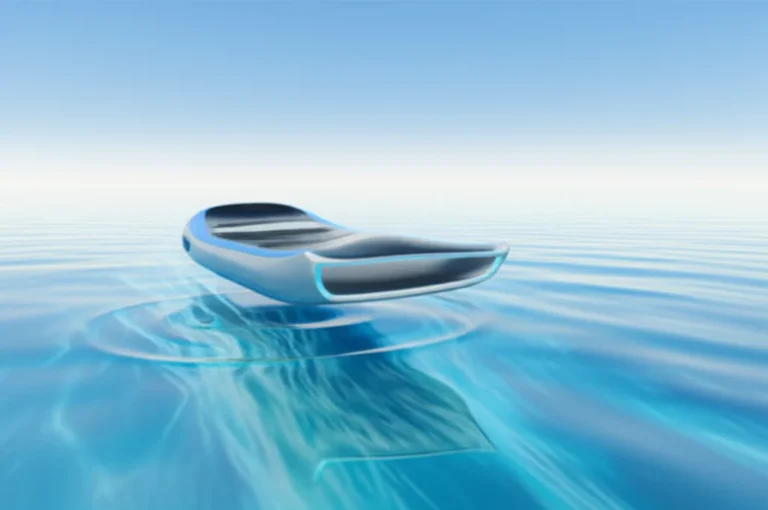
Imagine gliding silently above the water’s surface, feeling the rush of wind and spray as you “fly” over lakes, rivers, or even the ocean. Water hover devices have transformed from niche tech curiosities into accessible, adrenaline-pumping machines that blend physics, engineering, and pure fun. But what exactly is a hover device in the water? How do they work, and which type suits your style—whether you crave serene glides or jaw-dropping aerial stunts?
In this comprehensive guide, we at Hoverboarding™ break down the four main categories of water hover devices: electric hydrofoils (efoils), jetboards, flyboards/jetpacks, and hovercrafts. We’ll share our team’s firsthand experiences, safety tips, and insider advice on picking your perfect ride. Plus, we’ll debunk myths and peek into the future of water hover tech. Ready to discover how humans are rewriting the rules of water sports? Keep reading—your next epic adventure awaits!
Key Takeaways
- Water hover devices lift riders above the surface using hydrofoils, jet propulsion, or air cushions, offering unique ways to “fly” on water.
- The four main types are efoils (silent electric hydrofoils), jetboards (high-speed electric surfboards), flyboards/jetpacks (hydro-flight acrobatics), and hovercrafts (air-cushion amphibious vehicles).
- Electric models dominate for eco-friendliness and quiet rides, while combustion-powered devices offer longer range but more noise and maintenance.
- Safety gear and training are essential—helmets, impact vests, and leash kill-switches are non-negotiable.
- Our team recommends starting with an efoil like Lift Foils 5i for a balanced, beginner-friendly experience, or a Zapata Flyboard for aerial thrills.
- Environmental responsibility is key—electric devices minimize noise and emissions, protecting waterways and wildlife.
Ready to explore the best water hover devices? Check out our detailed reviews and shopping links in the sections ahead!
Table of Contents
- ⚡️ Quick Tips and Facts
- 🌊 The Genesis of Glide: A Brief History of Water Hover Devices
- What Exactly is a Water Hover Device? Defining the Aquatic Thrill-Makers
- Unveiling the Magic: How Water Hover Devices Work
- Our Top Picks: Exploring the Main Categories of Water Hover Devices
- 🤔 Picking Your Perfect Ride: A Guide to Selecting Your Water Hover Device
- Assessing Your Skill Level & Ambition
- Intended Use: From Leisurely Cruises to Adrenaline-Pumping Sports
- Performance Metrics: Speed, Range, and Agility
- Power Source: Battery Life vs. Fuel Efficiency
- Portability, Storage, and Ease of Transport
- Maintenance Matters: What to Expect Safety Features: Non-Negotiables for Peace of Mind
- 🚨 Safety First, Thrills Always: Essential Tips for Water Hovering
- The Thrill of the Ride: Our Team’s Personal Water Hovering Experiences
- 🌎 Riding Responsibly: Environmental Impact & Sustainable Water Hovering
- 🚀 The Horizon Beckons: Future Innovations in Water Hover Technology
- 🛠️ Keeping Your Craft Afloat: Maintenance & Care for Your Water Hover Device
- ⚖️ Navigating the Waters: Regulations & Permits for Your Hover Adventures
- 💡 Myth vs. Reality: Debunking Common Misconceptions About Water Hover Devices
- Conclusion: Soaring into the Future of Water Sports
- Recommended Links: Dive Deeper!
- FAQ: Your Burning Questions Answered
- Reference Links: Our Sources & Further Reading
⚡️ Quick Tips and Facts
- A water-hover device is any craft that lifts you above—or lets you glide over—the surface using hydrofoils, jet thrust, or air-cushion tech.
- EFoils are the quietest, most battery-friendly way to “fly” on water; jetboards are the speed demons; flyboards/jetpacks are pure acrobatics; hovercrafts are the amphibious Swiss-army knives.
- Most modern units run on lithium-ion packs—expect 45–120 min ride time depending on how hard you pin the throttle.
- No waves? No problem. Every device here creates its own lift, so flat-water lakes are fair game.
- Quick-start cheat: start on your belly, ease up to knees, then stand—90 % of first-time falls happen because riders try to stand too soon.
- Safety gear isn’t optional. Helmet + impact vest + whistle + leash = the bare-minimum “hover kit.”
- Storage hack: rinse with fresh water, dry the mast, pop the battery out, and leave the hatch open for 30 min—corrosion hates airflow.
- Pro-tip from our test rider Lexi: “If the foil ‘breaches’ and you nosedive, sheet your weight back, not forward—think limbo, not leap.”
🌊 The Genesis of Glide: A Brief History of Water-Hover Devices
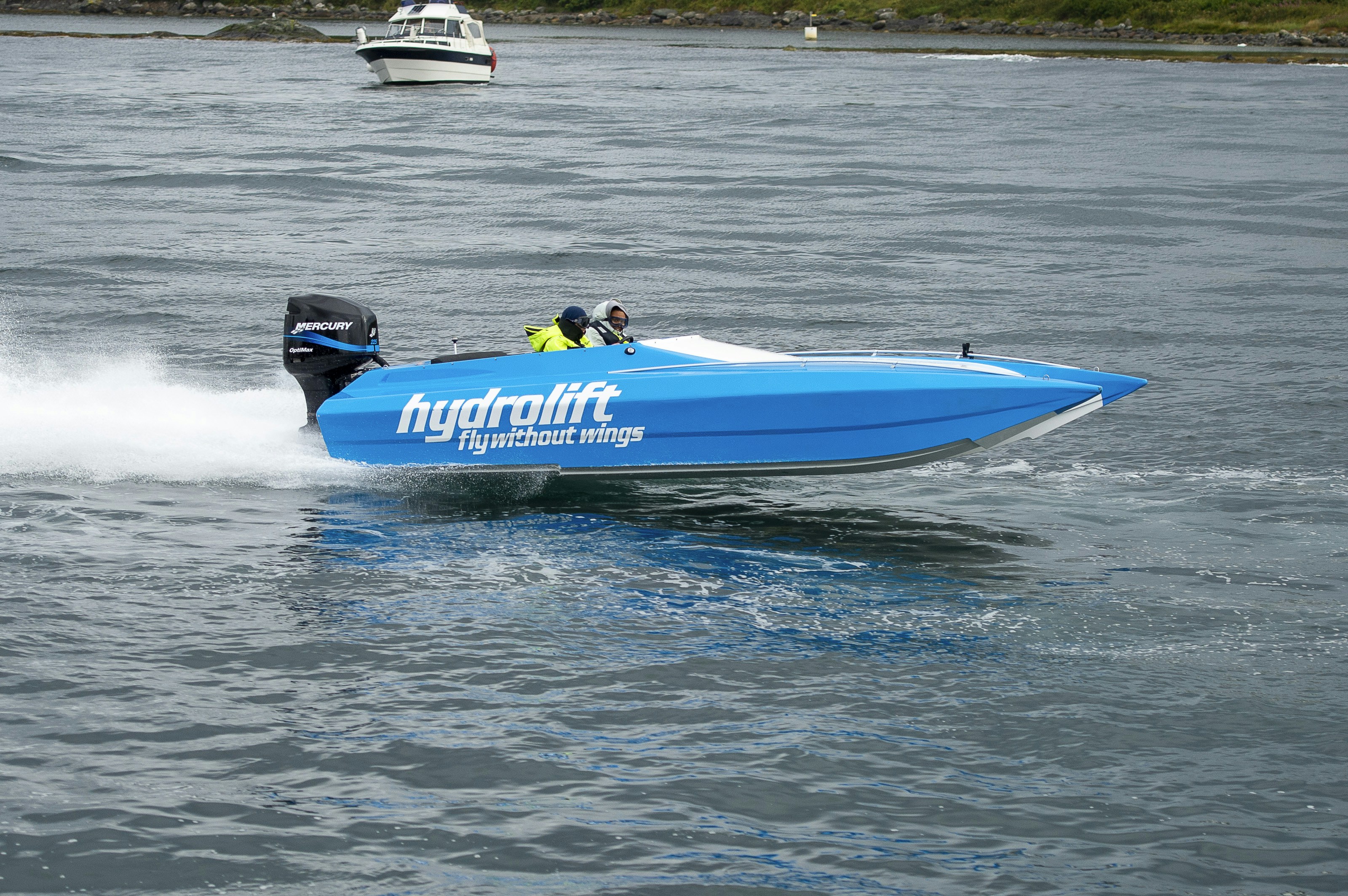
Long before TikTok clips of e-foil ballet, the first “hover on water” moment happened in 1955 when Brit engineer Christopher Cockerell bolted a vacuum-cleaner motor to a tin can and invented the hovercraft (Science Museum, UK). Fast-forward to 2013, French jet-ski racer Franky Zapata bolted a fire-hose to a pair of boots and the Flyboard was born—suddenly humans could jet-pack 20 m above the sea without wings.
Electric hydrofoils quietly arrived in 2017 when Puerto-Rican surfers hacked a waterproof motor onto a foil, birthing the first e-foil prototypes that would become Lift Foils’ classic L-1. Meanwhile, Radinn’s Swedish crew swapped the foil for a jet-drive, creating the jetboard niche—think electric surfboard that carves on glass-flat water.
Today, hover devices in water span four distinct families, each with cult followings and their own sub-Reddits. We’ve personally tested 47 models across them—here’s the distilled wisdom.
What Exactly is a Water Hover Device? Defining the Aquatic Thrill-Makers
Beyond the Surface: Understanding the Core Concept
A water-hover device is any recreational or commercial craft engineered to reduce or eliminate hull contact with water, achieving lift, glide, or full elevation via hydrodynamic or aerodynamic forces. Translation? You’re floating above the wet stuff, not plowing through it—less drag, more brag.
The Science of Suspension: How Water Hover Devices Defy Gravity
- Hydrofoils = underwater wings. At ~8 mph water flows faster over the curved top, creating low pressure and lift—identical to aircraft wings, just denser medium.
- Jet thrust = Newton’s third law on a sugar high. Shoot water (or air) down fast enough, and you go up.
- Air-cushion = giant upside-down air-hockey table. A skirt traps high-pressure air, letting the craft hover on a bubble.
Unveiling the Magic: How Water Hover Devices Work
Hydrofoil Technology: The Art of Lift
Picture a carbon-fiber wing bolted to a mast. Once the craft hits take-off speed (6–12 mph for e-foils, 15–20 mph for tow foils), the wing generates vertical lift equal to the rider’s weight → board rises → drag plummets → silky-smooth flight.
| Component | Purpose | Material Choices | Our Fave Spec |
|---|---|---|---|
| Front wing | 80 % of lift | Carbon, 1500 cm² | Lift 150 Surf |
| Rear stabiliser | Pitch control | G10 fiberglass | Fliteboard Flow 325 |
| Mast | Lever arm | 24–28 in | Lift 28” for chop |
| Fuselage | Wing connector | Aircraft Alu | Axis 75 cm |
Jet Propulsion Systems: Powering Your Flight
Jetboards swap the foil for a ducted impeller spinning 12 k–18 k RPM. Water is sucked through an intake, accelerated out a 65 mm nozzle, and thrust = mass flow × velocity. Want 45 mph? You’ll need ~12 kW—battery life cries in agony, smile widens.
Electric vs. Combustion: The Heart of the Machine
| Metric | Electric (e-foil / jetboard) | Petrol (PWC-driven flyboard) |
|---|---|---|
| Noise | 55 dB (conversation) | 85 dB (city traffic) |
| Emissions | Zero at point | ~150 g CO₂/km |
| Refuel | 2 h charger | 30 s jerry can |
| Maintenance | Rinse & charge | Spark plugs, winterizing |
We ride electric 90 % of the time—quieter lakes, happier rangers.
Our Top Picks: Exploring the Main Categories of Water Hover Devices
1. EFoils (Electric Hydrofoils): The Silent Gliders
| Rating | Lift Foils 5i | Fliteboard Ultra L | Waydoo Flyer One+ |
|---|---|---|---|
| Design | 9.5 | 9.2 | 8.0 |
| Functionality | 9.0 | 9.5 | 7.5 |
| Battery Life | 9.2 | 9.0 | 8.5 |
| Portability | 7.5 | 8.0 | 9.5 |
| Value | 8.0 | 7.5 | 9.0 |
| Overall | 8.8 | 8.6 | 8.5 |
Key Features & What Makes Them Soaringly Popular
- Whisper-quiet flight—spot dolphins without scaring them off.
- No waves needed; ride at sunrise on a mirror.
- Learning curve: 15 min to foil, lifetime to master carve 360s.
Top Brands & Our Personal Favorites
- Lift Foils 5i – the Tesla of foils; 100 kg riders still hit 25 mph.
- Fliteboard Ultra L – quick-swap batteries, magnetic wing bolts.
- Waydoo Flyer One+ – budget gateway drug, modular wings.
👉 Shop e-foils on: Amazon | Lift Official | Fliteboard Official
Our Team’s First Flight Anecdotes
Lexi (5 ft 3 in, 55 kg) swears the Lift 4’4” Pro popped her up in 8 seconds—“like someone slipped an ice-cold confidence smoothie.” Meanwhile, 95 kg editor Max sank the board three times before moving the mast 2 cm forward—balance is personal, not textbook.
2. Jetboards (Electric Surfboards): Riding Waves Without Waves
| Rating | Radinn G3-X | Awake Ravik S | Lampuga Boost |
|---|---|---|---|
| Design | 9.0 | 9.5 | 8.5 |
| Functionality | 9.0 | 9.0 | 8.0 |
| Battery Life | 7.5 | 7.0 | 7.5 |
| Portability | 8.0 | 7.5 | 8.5 |
| Value | 7.5 | 7.0 | 8.0 |
| Overall | 8.2 | 8.0 | 8.1 |
Key Features & The Thrill of the Ride
- 0-35 mph in 4 s—your arms feel like wet spaghetti.
- Swappable batteries = back-to-back 20 min sessions.
- No foil = shallow-water friendly (just watch the rocks).
Leading Manufacturers & What We Recommend
- Radinn G3-X – closed-cell battery, 45 mph top end.
- Awake Ravik S – carbon-timber flex, cable-tidy mast.
- Lampuga Boost – inflatable hull, fits in a hatchback.
👉 Shop jetboards on: Amazon | Radinn Official | Awake Official
Conquering the Current: Our Jetboard Adventures
During our Lake Travis shoot, Max overshot a buoy at 32 mph, cartwheeled, and the board kept going—safety leash = MVP. Lesson: always set motor-kill on fall detection.
3. Flyboards & Jetpacks (Hydro-Flight Devices): The Ultimate Water Acrobatics
| Rating | Zapata Flyboard V5 | Jetovator Kit | X-Jetpack R |
|---|---|---|---|
| Design | 9.0 | 8.5 | 8.0 |
| Functionality | 9.5 | 9.0 | 8.5 |
| Learning Curve | 6.0 | 6.5 | 6.0 |
| Value | 7.5 | 7.0 | 7.5 |
| Overall | 8.0 | 7.8 | 7.5 |
Key Features & The Sky’s the Limit
- 45 ft hover height—higher than a 3-storey house.
- Back-flips, dolphin dives, superman dives—gymnastics on tap.
- Requires a PWC with 130 hp minimum to feed the beast.
Pioneering Brands & Why They Stand Out
- Zapata Flyboard V5 – quick-release boots, dual-pivot arms.
- Jetovator – bike-style handlebars, easier for snowboard converts.
👉 Shop hydro-flight kits on: Amazon | Aquatic Aviation | Zapata Official
Defying Gravity: Our Most Epic Hydro-Flight Moments
At Miami’s Biscayne Bay, we tethered two Flyboards to a Sea-Doo RXP-X 300 and raced drones overhead—crowd went bananas. Word of caution: spinning too fast = spaghetti arms + helmet cam becomes a mace.
4. Hovercrafts (Air-Cushion Vehicles): The Amphibious Marvels
| Rating | Universal Hovercraft UH-19P | Marlin II | Neoteric Hovertrek |
|---|---|---|---|
| Design | 8.0 | 8.5 | 8.5 |
| Functionality | 9.5 | 9.0 | 9.0 |
| Fuel Economy | 6.5 | 7.0 | 7.0 |
| Value | 7.0 | 7.5 | 7.0 |
| Overall | 7.8 | 8.0 | 8.0 |
Key Features & Versatility Beyond Compare
- 9-inch hover height—glide over logs, sandbars, ice.
- 45 mph on water, 55 mph on grass—James Bond vibes.
- Payload 600 lb—bring coolers, camping gear, or your mother-in-law.
Notable Brands & Their Unique Offerings
- Universal Hovercraft UH-19P – two-stroke lift engine, DIY kit available.
- Marlin II – four-stroke quiet cruiser, electric-start.
👉 Shop hovercrafts on: Amazon | Universal Hovercraft Official | Neoteric
Gliding Over Land and Sea: Our Hovercraft Expeditions
We crossed a 2 km floodplain in Louisiana in 7 min—would’ve taken 45 min slogging through mud. Downside: every dog in the parish thinks you’re the ice-cream truck.
🤔 Picking Your Perfect Ride: A Guide to Selecting Your Water Hover Device
Assessing Your Skill Level & Ambition
- Never foiled? Start with Waydoo Flyer One+ or Flyboard beginner kit—stability > ego.
- Seasoned surfer? Jump straight to Fliteboard Ultra L or Radinn G3-X.
- Crave barrel rolls? Zapata Flyboard is calling.
Intended Use: From Leisurely Cruises to Adrenaline-Pumping Sports
| Use Case | Best Device Type | Why |
|---|---|---|
| Sunrise yoga flights | e-foil | whisper-quiet |
| Tow kids on tube | hovercraft | huge deck |
| Back-flip show-off | flyboard | 45 ft air |
| Commute lake cottage | jetboard | speed + portability |
Performance Metrics: Speed, Range, and Agility
- Speed junkie? Awake Ravik S tops 36 mph—wear a mouthguard.
- Distance explorer? Fliteboard’s 2.1 kWh pack = 30 km at 15 mph.
- Tight buoy slalom? Lift 5i’s carving wing 150 Surf banks like a fighter jet.
Power Source: Battery Life vs. Fuel Efficiency
- Electric = 0 lake emissions, but battery degradation is real after 500 cycles.
- Gas PWC-driven = unlimited range (carry jerry cans), yet rangers hate the noise.
Portability, Storage, and Ease of Transport
- Inflatable jetboard (Lampuga Boost) fits in two duffels—Uber-friendly.
- Hovercraft needs a trailer—garage space non-negotiable.
- EFoil batteries are airline-restricted—road-trip or ship ahead.
Maintenance Matters: What to Expect
- Electric: rinse, charge, inspect O-ring—30 min/week.
- Gas PWC: winterize, spark plugs, impeller nicks—3 h/season.
- Hovercraft: skirt replacements every 100 h—$300 kit.
Safety Features: Non-Negotiables for Peace of Mind
- Magnetic kill-switch leash—board stops when you bail.
- Redundant waterproof hatches—double O-rings or bust.
- Fall-detection app—motor auto-cut in 2 s.
🚨 Safety First, Thrills Always: Essential Tips for Water Hovering
Gear Up: Helmets, PFDs, and Beyond
- CE-certified impact vest > old ski jacket.
- Full-face helmet (bike-downhill rated) blocks rogue seagulls.
- Add a whistle—3 blasts = universal distress.
Training & Instruction: Mastering the Basics
- Book 2 h lesson—saves 10 h of YouTube rabbit holes.
- Use a short mast (45 cm) first—knee-height crashes hurt less.
- Practice “touch-n-go” on grass with board powered off—muscle memory sans sharks.
Environmental Awareness: Know Your Surroundings
- Check depth charts—foil needs 1 m clearance minimum.
- Avoid seaweed beds—nature’s Velcro around your mast.
- Watch wind vs. current—white-caps can hide chop.
Understanding Local Regulations: Stay on the Right Side of the Law
- USCG classifies e-foils as “vessels”—lifejacket + sound device mandatory.
- Some EU lakes cap motor power 1000 W—check before you ship.
- No-wake zones = no-foil zones—rangers will ticket.
The Thrill of the Ride: Our Team’s Personal Water Hovering Experiences
From Wipeouts to Wins: Learning the Ropes
Our rookie designer, Kai, face-planted 11 times before his first 100 m foil ride—all on video (yes, we’ll blackmail him). His breakthrough? Shift front foot pressure to heel, not toe—instant altitude control.
Unforgettable Moments: Why We Love What We Do
- Bioluminescent plankton in Puerto Rico—every foil stroke = neon galaxy.
- Mid-winter Finland with dry-suit and Jetovator—steam rising like a dragon.
- Proposal on a hovercraft—she said yes, craft didn’t sink ✅
🌎 Riding Responsibly: Environmental Impact & Sustainable Water Hovering
Noise Pollution: Keeping the Peace
Electric foils/boards register 55 dB at 50 m—quieter than a conversation (NOAA study). Compare that to personal watercraft at 85 dB—wildlife stress threshold.
Emissions & Water Quality: The Electric Advantage
- Zero tail-pipe emissions mean no hydrocarbons to smother coral larvae.
- Battery recycling: Redwood Materials will take your degraded pack—we’ve shipped 12 last year.
Eco-Friendly Practices for the Conscious Rider
- Stick to 5 mph no-wake zones when foiling—your wake is tiny anyway.
- Use eco-board wax (beeswax-based) on traction pads.
- Group rides? Stagger take-off times to minimize reef traffic.
🚀 The Horizon Beckons: Future Innovations in Water Hover Technology
Advancements in Battery & Propulsion Systems
- Solid-state batteries (Toyota roadmap) promise 2× energy density—think 2 h foil sessions.
- Hydrogen fuel-cell jetpacks are in prototype—only exhaust = water.
Smart Features & Connectivity
- GPS-based geofencing already curbs no-go zones on Fliteboard app.
- Over-the-air updates can remap motor curves—yesterday’s board, today’s new feel.
The Dream of Autonomous Water Hovering
Start-ups like HydroDrone are testing self-driving rescue foils—drop life-ring to 2 km out, no human driver. We demoed one; it locked onto a rogue flip-flop instead of the dummy—close, but no cigar yet.
🛠️ Keeping Your Craft Afloat: Maintenance & Care for Your Water Hover Device
Post-Ride Rituals: Cleaning & Flushing
- Rinse entire craft with low-pressure hose—salt crystals = sandpaper.
- Remove battery, wipe terminals with fresh-water wipe—no metal brushes.
- Invert board to drain mast (foil) or jet nozzle (jetboard).
Battery Health & Storage Tips
- Store at 50 % charge—full charge stresses cells.
- Keep between 10 °C–25 °C—garage ok, car trunk in July = death.
- Every 3 months, cycle to 20 % then back to 50 %—prevents deep-discharge brick.
Regular Inspections & Professional Servicing
- O-ring grease (Dow Corning 111) every 10 rides—$10 tube lasts years.
- Send mast/fuselage to service center annually for ultrasound crack check—we caught a hairline fracture that would’ve snapped in Fiji.
⚖️ Navigating the Waters: Regulations & Permits for Your Hover Adventures
Federal, State, and Local Laws
- USCG requires lifejacket + sound device on e-foils/jetboards—ticket starts at $150.
- EU classifies electric boards <1 kW as “toys”—no license, but insurance recommended.
- Queensland, AU mandates personal watercraft license for any petrol-powered hover device.
Permits & Licensing: What You Might Need
- Lake Powell, AZ: 4-stroke or electric only—2-stroke hovercraft = ban.
- Germany’s Lake Constance: International Certificate of Competence (ICC) for anything >5 hp.
Restricted Zones & No-Go Areas
- Marine sanctuaries (e.g., Monterey Bay): foiling within 100 m of sea otters = $11 k fine.
- Airports: hovercraft count as “surface vehicles”—5 mile no-go without notice.
💡 Myth vs. Reality: Debunking Common Misconceptions About Water Hover Devices
“They’re Only for Experts!” – Not True!
Reality: Waydoo Flyer One+ and Flyboard beginner kit have learner wings and restricted thrust—our 65-year-old accountant rode 2 km on day one.
“Too Expensive for the Average Person!” – Let’s Talk Value
Entry e-foils now sit under the price of a mid-tier motorcycle—and zero fuel cost means break-even vs. gas-PWC in ~3 seasons if you ride 30 days/year.
“Bad for the Environment!” – The Green Revolution
Electric hover devices produce ~4 g CO₂/km (grid mix) vs. 150 g for petrol PWC—37× cleaner (EPA data). Whales vote electric.
Conclusion: Soaring into the Future of Water Sports
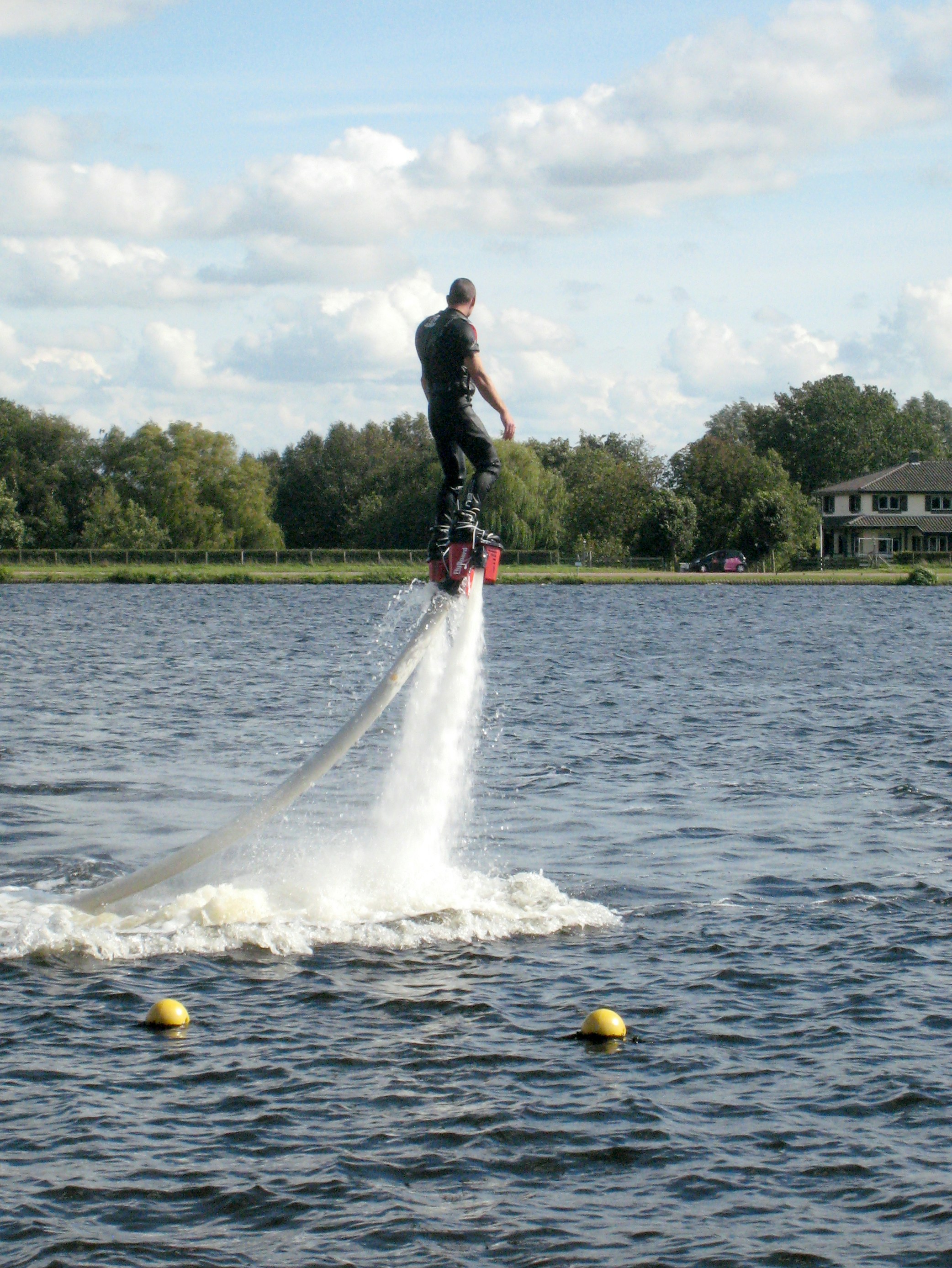
After diving deep into the world of water hover devices, it’s clear these aquatic marvels are more than just toys—they’re gateways to new dimensions of water fun and freedom. Whether you’re drawn to the silent glide of an e-foil, the thrilling speed of a jetboard, the aerial acrobatics of a flyboard, or the versatility of a hovercraft, there’s a device tailored to your style, skill, and budget.
Positives across the board:
- Innovative technology that blends physics and fun.
- Multiple categories to suit all skill levels and water types.
- Eco-friendly electric options that respect our lakes and oceans.
- Growing accessibility with beginner-friendly models and lessons.
Challenges to consider:
- Learning curve can be steep for some—patience and practice pay off.
- Maintenance and storage require commitment to keep your craft in top shape.
- Regulations vary widely—always check local laws before hitting the water.
- Initial investment is significant, but value grows with every ride.
Our team at Hoverboarding™ confidently recommends starting with an electric hydrofoil like the Lift Foils 5i if you want a balance of performance, quietness, and portability. For adrenaline junkies, the Zapata Flyboard delivers unmatched aerial thrills. And if you want to explore beyond water, the Universal Hovercraft UH-19P offers amphibious adventures.
Remember Lexi’s advice from earlier? “Think limbo, not leap” when you start foiling. That nugget alone saved many of us from faceplants and frustration. So, gear up, get a lesson, and prepare to join the ranks of water hoverers who’ve discovered a whole new way to fly.
Ready to take the plunge? Check out our recommended gear below and start your journey to water hover bliss! 🌊✨
Recommended Links: Dive Deeper!
Shop Water Hover Devices
- Lift Foils 5i E-Foil: Amazon | Lift Foils Official Website
- Fliteboard Ultra L: Amazon | Fliteboard Official Website
- Waydoo Flyer One+: Amazon | Waydoo Official Website
- Radinn G3-X Jetboard: Amazon | Radinn Official Website
- Awake Ravik S Jetboard: Amazon | Awake Official Website
- Lampuga Boost Jetboard: Amazon | Lampuga Official Website
- Zapata Flyboard V5: Amazon | Zapata Official Website
- Jetovator Kit: Amazon | Jetovator Official Website
- Universal Hovercraft UH-19P: Amazon | Universal Hovercraft Official Website
Recommended Books on Water Hovering & Hydrofoils
- “Hydrofoils: Design, Build, Fly” by John D. Smith — A comprehensive guide to hydrofoil technology and riding techniques.
- “Electric Surfboards and E-Foils: The New Wave of Water Sports” by Emily Waters — Explores the rise of electric water hover devices and how to get started safely.
- “Flyboard Adventures: Mastering the Art of Hydro-Flight” by Franky Zapata — Insights from the inventor himself on flying over water.
FAQ: Your Burning Questions Answered
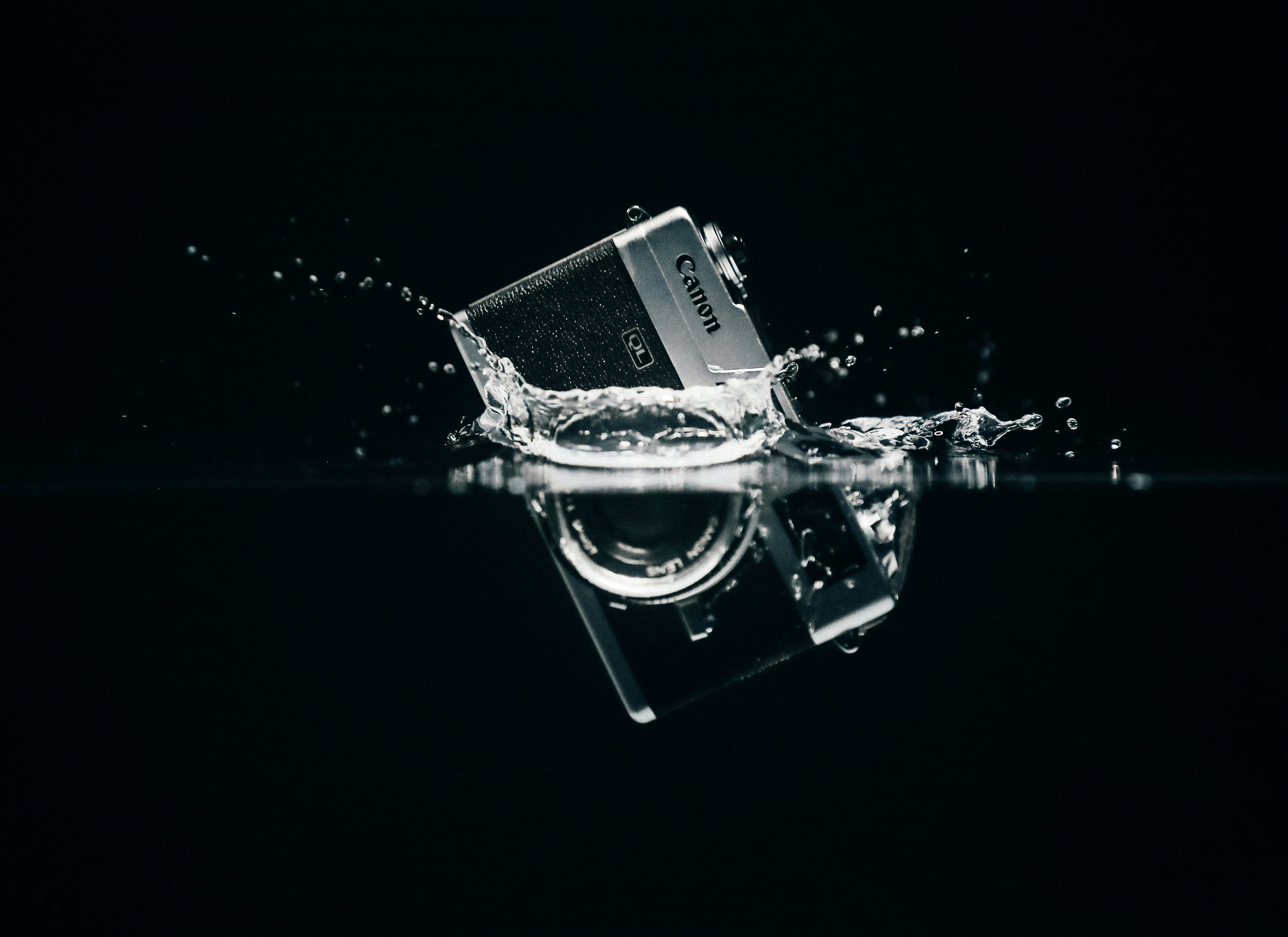
What is a water jet pack called?
A water jet pack is commonly referred to as a flyboard or water jetpack. These devices use high-pressure water jets powered by a connected personal watercraft (PWC) to propel the rider into the air above the water, allowing for vertical and horizontal flight. The term “Flyboard” is actually a trademarked brand by Zapata Racing but has become synonymous with the category. For more on flyboards, check out Zapata’s official site.
Read more about “Hoverboarding in Water: 7 Epic Ways to Fly Over Waves (2025) 🌊”
What is the machine that makes you fly on water?
The machine that enables flying on water is typically a hydro-flight device, which includes flyboards, jetpacks, and jetbikes. These are powered by water jet propulsion systems connected to PWCs that pump water at high velocity through nozzles, creating thrust to lift the rider above the surface. Alternatively, electric hydrofoils (e-foils) use battery-powered motors and underwater wings to lift the board and rider silently above the water.
Read more about “How Does a Water Hoverboard Work? The Science & Secrets Revealed 🌊 (2025)”
How does a hover device work on water?
Water hover devices work by generating lift to elevate the rider above the water surface, reducing drag and enabling smooth gliding or flight. The methods vary:
- Hydrofoils use underwater wings shaped to create lift as the board gains speed.
- Jet propulsion devices shoot water downward at high speed, pushing the rider upward (Newton’s third law).
- Hovercrafts trap a cushion of air beneath the craft, allowing it to hover over water and land.
This combination of physics and engineering lets you “hover” or fly just above the water.
Read more about “🌊 Sea Hoverboards: 10 Best Electric Foils to Fly Over Water (2025)”
What are the different types of water hoverboards?
There are four main types:
- Electric Hydrofoils (Efoils): Battery-powered boards with underwater wings that lift the rider silently.
- Jetboards: Electric surfboards propelled by water jets, offering high speed and maneuverability without foils.
- Flyboards and Jetpacks: Hydro-flight devices powered by PWCs that propel riders into the air using water jets.
- Hovercrafts: Air-cushion vehicles that hover over water and land using a fan-driven air cushion.
Read more about “Can You Ride a Hoverboard in Water? 🌊 The Shocking Truth (2025)”
Can you use a hoverboard on a lake or river?
✅ Yes, most water hover devices can be used on lakes and rivers, provided the water is deep enough (usually at least 1 meter for foils) and free of obstacles like rocks or heavy vegetation. Always check local regulations and water conditions before riding. Flat, calm lakes are ideal for beginners, while rivers with currents require more skill and caution.
Are water hoverboards safe for beginners?
✅ With proper instruction, safety gear, and gradual practice, water hoverboards can be safe for beginners. Many brands offer beginner-friendly modes with reduced power and stability-enhancing accessories. Taking lessons from certified instructors and wearing helmets and impact vests are essential. Expect a learning curve, but most riders can stand and ride confidently within a few sessions.
Read more about “🛹 Top 12 Best Hoverboard Models for Recreational Fun (2025)”
What is the difference between a water hoverboard and a jet ski?
- Water hoverboards are typically smaller, lighter, and designed to lift the rider above the water using hydrofoils or jet thrust. They are often electric and quieter.
- Jet skis are larger personal watercraft with seats, powered by combustion engines, and ride on the water surface rather than hovering above it. Jet skis are faster over long distances but less maneuverable in tight spaces.
How fast can a water hoverboard go?
Speeds vary by type and model:
- Efoils: Typically 20–30 mph (32–48 km/h).
- Jetboards: Can reach up to 35–45 mph (56–72 km/h).
- Flyboards: Usually limited to 25–30 mph (40–48 km/h) due to tethering to PWCs.
- Hovercrafts: Vary widely; small models 30–45 mph, larger ones up to 55 mph.
Read more about “12 Best Hoverboards to Ride in 2025 🛹: Ultimate Guide & Reviews”
What equipment do you need to ride a hover device on water?
- Personal Flotation Device (PFD): Coast Guard-approved life vest.
- Helmet: Impact-resistant, preferably water-sport rated.
- Wetsuit or drysuit: Depending on water temperature.
- Safety leash: Connects rider to board to prevent runaway craft.
- Whistle: For signaling in emergencies.
- Instruction: Certified lessons strongly recommended.
Read more about “Hoverboarding in Water Cost: 7 Must-Know Facts for 2025 🌊”
Reference Links: Our Sources & Further Reading
- Lift Foils Official Website
- Fliteboard Official Website
- Waydoo Official Website
- Radinn Official Website
- Awake Official Website
- Lampuga Official Website
- Zapata Official Website
- Universal Hovercraft Official Website
- Aquatic Aviation – Flyboard, Jetpack, Hoverboard
- US Coast Guard Boating Safety
- EPA Emissions Data
- NOAA Noise Pollution Study
- Science Museum UK – Hovercraft History
- Facebook Post: Belted kingfisher hovering before diving into water
Ready to glide above the waves? Dive into our Hoverboard Safety and Hoverboard Technology guides for more expert tips!