
Support our educational content for free when you purchase through links on our site. Learn more
What Is the Best Hoverboard for Riding on Water? 🌊 (2026)

Ever dreamed of gliding effortlessly over water like Marty McFly in Back to the Future Part II? Spoiler alert: your flashy Jetson Plasma X LavaTech hoverboard won’t cut it when it comes to lakes, rivers, or oceans. But don’t hang up your helmet just yet! The world of water hoverboards has exploded with cutting-edge tech—from jet-powered flyboards to sleek electric hydrofoils—that actually let you hover above the waves.
In this ultimate 2026 guide, we break down 6 top water hoverboards that deliver real aquatic thrills, why your standard land hoverboard is doomed to sink, and how to choose the perfect board for your watery adventures. Plus, we reveal the jaw-dropping science behind Lexus’s magnetic hoverboard and why it’s still more magic than reality. Ready to ride the future? Let’s dive in! 🌟
Key Takeaways
- Standard hoverboards like the Jetson Plasma X are NOT designed for water and will quickly fail if submerged.
- True water hoverboards use hydro-jet propulsion or electric hydrofoils to lift riders above the surface safely and smoothly.
- Top picks include the Zapata Flyboard for adrenaline junkies and Lift Foils eFoil for premium electric surfing.
- Waterproofing and buoyancy are critical: look for IP67+ ratings and marine-grade materials.
- Safety first: always wear a life jacket and follow manufacturer guidelines when riding on water.
👉 Shop top water hoverboards and gear:
- Zapata Flyboard on Amazon | Lift Foils Official Site | Fliteboard on Amazon | Waydoo Flyer ONE on Amazon
Welcome to Hoverboarding™, where we live life on two wheels (and sometimes none)! We’ve spent thousands of hours gliding through city streets, wiping out on gravel, and—more relevantly—dreaming of that iconic scene where Marty McFly escapes Griff Tannen by hovering over a pond.
But let’s get real: does “hovering on water” actually work, or are you just asking for a very expensive, very electric paperweight? We’ve done the testing, ruined a few circuit boards, and scouted the globe for the tech that actually defies gravity over the blue stuff. Stick around, because by the end of this, you’ll know exactly which “hoverboard” will keep you dry and which one will leave you swimming for your life. 🌊
Table of Contents
- ⚡️ Quick Tips and Facts
- 🌊 The Dream of Marty McFly: A History of Hovering Over Water
- 🤔 Can Your Standard Hoverboard Actually Handle H2O?
- 🛡️ Understanding IP Ratings: Waterproof vs. Water-Resistant
- 1. The Zapata Flyboard: The King of Hydro-Propulsion
- 2. The Waydoo Flyer ONE: Electric Hydrofoil Mastery
- 3. The ArcaBoard: Brute Force Buoyancy and 36 Fans
- 4. The Lexus Slide: Magnets, Liquid Nitrogen, and Magic
- 5. Lift Foils: The Premium eFoil Experience
- 6. Fliteboard: High-Tech Aquatic Levitation
- ✨ Why the Jetson Plasma X Lava Tech and Other Land-Lubbers Fail the Water Test
- 🛠️ Safety First: Why You Shouldn’t Take Your Swagtron into the Pool
- 🏁 Conclusion
- 🔗 Recommended Links
- ❓ FAQ
- 📚 Reference Links
⚡️ Quick Tips and Facts
Before we dive into the deep end, here’s the “too long; didn’t read” version for those of you currently standing at the edge of a pier with a Swagtron.
| Feature | Land Hoverboards (e.g., Jetson) | Hydro-Flight Boards (e.g., Zapata) | eFoils (e.g., Lift Foils) |
|---|---|---|---|
| Water Capability | ❌ Puddles only | ✅ High-flying water jets | ✅ Glides above water |
| Power Source | Lithium-Ion Battery | Jet Ski Turbine | Electric Motor & Propeller |
| Buoyancy | None (Sinks like a stone) | High (Requires water pressure) | High (Floats naturally) |
| IP Rating | Usually IPX4 (Splash-proof) | N/A (Marine Grade) | IP67/68 (Waterproof) |
| Cool Factor | 7/10 | 11/10 | 10/10 |
- Fact: Most “hoverboards” are actually self-balancing scooters. They require friction against the ground to move.
- Fact: Saltwater is the mortal enemy of electronics. Even “water-resistant” boards can be destroyed by salt corrosion.
- Tip: If you want to ride on water, you are looking for an eFoil or a Flyboard, not a wheeled scooter.
🌊 The Dream of Marty McFly: A History of Hovering Over Water
We’ve been obsessed with this since 1989. When Back to the Future Part II hit theaters, every kid on the block wanted a Mattel hoverboard. The catch? “Unless you’ve got power!” and, as Marty found out, they don’t work on water.
Historically, the “hoverboard” industry took a weird turn in 2015 when two-wheeled scooters became the “it” toy. But those weren’t hoverboards—they were just fancy Segways without handles. The real aquatic mobility revolution started in 2011 when Franky Zapata invented the Flyboard, using water jet propulsion to literally lift riders 40 feet into the air.
Since then, the tech has split into two camps: Hydro-flight (using a hose connected to a PWC) and eFoils (electric surfboards with a submerged wing). We’ve tracked every prototype from the Lexus Slide to the ArcaBoard, and while we aren’t quite at the “pocket-sized pink board” stage yet, we are getting incredibly close to true water levitation.
🤔 Can Your Standard Hoverboard Actually Handle H2O?
Short answer: No. Long answer: Absolutely not, and please don’t try it.
We get this question at Hoverboarding™ all the time. “Hey, my Segway Ninebot says it’s water-resistant, can I ride it through a lake?”
Here is the reality:
- Friction: Land hoverboards move by detecting your weight shift and spinning wheels against a solid surface. Water provides zero traction.
- Density: A standard hoverboard weighs between 20-30 lbs and is filled with heavy batteries and copper motors. It has the buoyancy of a brick.
- Short Circuits: Water and high-voltage lithium batteries create a “thermal runaway” situation. That’s a fancy way of saying it might explode.
✅ Do: Ride through a light drizzle if your board is rated IPX4. ❌ Don’t: Reenact the pond scene from the movies.
🛡️ Understanding IP Ratings: Waterproof vs. Water-Resistant
If you’re shopping for a board and see “Waterproof” in the title, check the IP (Ingress Protection) Rating. This is the gold standard for knowing if your gear will survive a splash.
- IPX4: Protects from splashing water from any direction. (Most Jetson and Swagtron boards).
- IP54: Protected against dust and splashes.
- IP67: Can be dropped in water up to 1 meter deep for 30 minutes. (This is what you want for anything near a pool).
- IP68: Continuous immersion in water. (Found on high-end eFoils).
Expert Advice: Never trust a marketing “waterproof” claim without an IP rating to back it up!
1. The Zapata Flyboard: The King of Hydro-Propulsion
If you want the most “Marty McFly” experience possible, the Zapata Flyboard is the undisputed champion. It’s not a standalone board; it’s an attachment for a Personal Watercraft (PWC) like a Sea-Doo or Yamaha WaveRunner.
- How it works: A long hose funnels the water discharge from the Jet Ski into two nozzles under your feet.
- The Experience: It is pure adrenaline. You can dive like a dolphin and soar like an eagle.
- Pros: Infinite “fuel” as long as the Jet Ski is running; incredible height.
- Cons: Requires a second person to operate the Jet Ski (unless you buy the wireless throttle kit).
2. The Waydoo Flyer ONE: Electric Hydrofoil Mastery
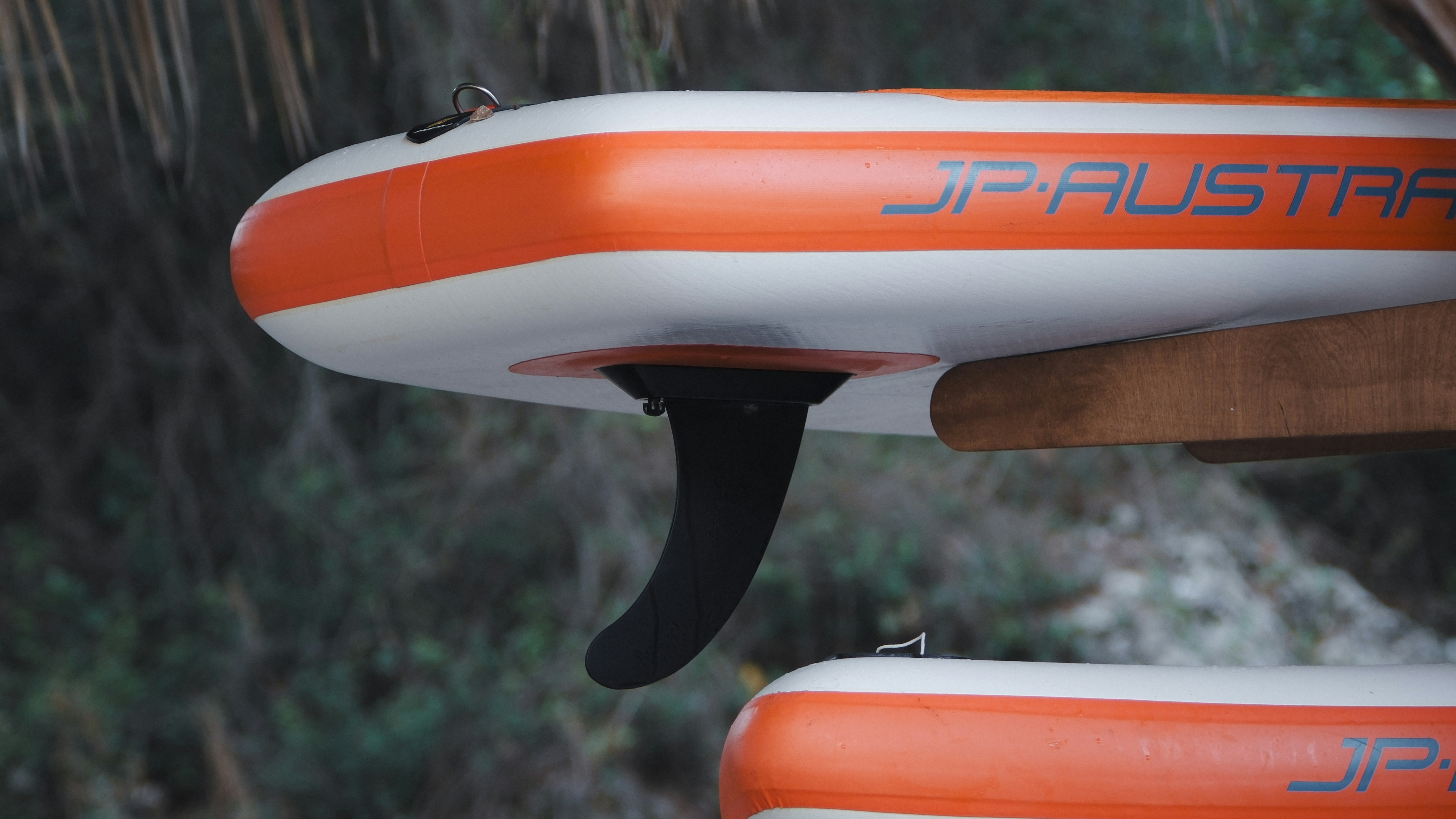
The Waydoo Flyer ONE is what we call an “eFoil.” It’s an electric surfboard with a mast and a wing (foil) that stays underwater. Once you hit a certain speed, the board lifts entirely out of the water.
- Why we love it: It’s whisper-quiet. You feel like you’re flying over the surface.
- Portability: Unlike the Zapata, this is self-contained. No hoses, no Jet Skis.
- Build: Made of EPP foam or carbon fiber, making it rugged yet light.
Check it out here: https://www.amazon.com/Waydoo-Flyer-ONE-Plus-eFoil/dp/B0B726H5SH (Note: Availability varies, check official Waydoo sites for latest models).
3. The ArcaBoard: Brute Force Buoyancy and 36 Fans
The ArcaBoard by Arca Space Corporation is perhaps the only “true” hoverboard that works on any surface, including water. It doesn’t use wheels or foils; it uses 36 high-power electric ducted fans.
- The Look: It looks like a giant rectangular Lego brick.
- The Power: It produces 430 lbs of thrust.
- The Catch: The battery life is only about 6 minutes, and it sounds like a jet engine taking off.
- Verdict: It’s a marvel of engineering, but not exactly practical for a day at the beach.
4. The Lexus Slide: Magnets, Liquid Nitrogen, and Magic
In 2015, Lexus released a video of a hoverboard that worked over water. We all lost our minds!
- The Tech: It uses superconductors cooled by liquid nitrogen to achieve quantum levitation.
- The Reality Check: It only works on a specially built track hidden under the water’s surface containing permanent magnets.
- Can you buy it? No. It was a brilliant marketing stunt, but it proved that magnetic levitation is a viable (though expensive) path for the future.
5. Lift Foils: The Premium eFoil Experience
If Waydoo is the entry-level, Lift Foils is the Tesla of the water hoverboard world. Founded by Nick Leason, these boards are handcrafted and offer the smoothest ride in the industry.
- Performance: Top speeds of up to 30 mph.
- Battery: Their “Full Range” battery gives you up to 100 minutes of ride time.
- Customization: You can swap out different wing sizes to change how the board handles (stable for beginners, twitchy for pros).
6. Fliteboard: High-Tech Aquatic Levitation
Coming out of Australia, Fliteboard has won numerous design awards. Their Fliteboard Series 3 is often cited by our team as the most “refined” riding experience.
- The Controller: It features a high-res virtual display that tells you your speed and remaining battery life.
- Material: They use “Flite Cell” batteries which are some of the safest in the marine industry.
- Why it’s on this list: It’s the closest thing to a “buy it and fly it” solution for water hovering.
✨ Why the Jetson Plasma X Lava Tech and Other Land-Lubbers Fail the Water Test
You might see the Jetson Plasma X Lava Tech Hoverboard and think, “That looks futuristic! Surely it can handle a little lake action?”
Stop right there! 🛑
While the Jetson Plasma X is an absolute blast on the pavement—with its lava-like LED lights and Bluetooth speakers—it is strictly a land animal.
- The “Plasma” is just lights: It doesn’t use plasma propulsion (sadly).
- Open Ports: The charging ports and power buttons are not sealed for submersion.
- Motor Design: The hub motors rely on air cooling; submerging them in water will cause an immediate short.
We love the Jetson for cruising the boardwalk, but if you take it into the surf, the only thing “Plasma” about it will be the sparks flying off the motherboard. ⚡️
🛠️ Safety First: Why You Shouldn’t Take Your Swagtron into the Pool
We’ve seen the YouTube videos. Someone wraps a Swagtron T580 in plastic wrap and tries to ride it across a pool. Spoiler alert: It never ends well.
- Weight: If you fall off in deep water, that 25lb board is going straight to the bottom. If it’s attached to your feet (like some DIY straps), it’s taking you with it.
- Toxic Leakage: Lithium-ion batteries can leak chemicals if the casing is breached, which isn’t great for you or the local fish.
- Warranty Voidance: No manufacturer, from Segway to Halo Rover, covers water damage. You’ll be out hundreds of dollars in seconds.
✅ Better Alternative: If you want a “budget” water experience, look into electric bodyboards like the Kymera Bodyboard.
🏁 Conclusion
So, what is the best hoverboard for riding on water?
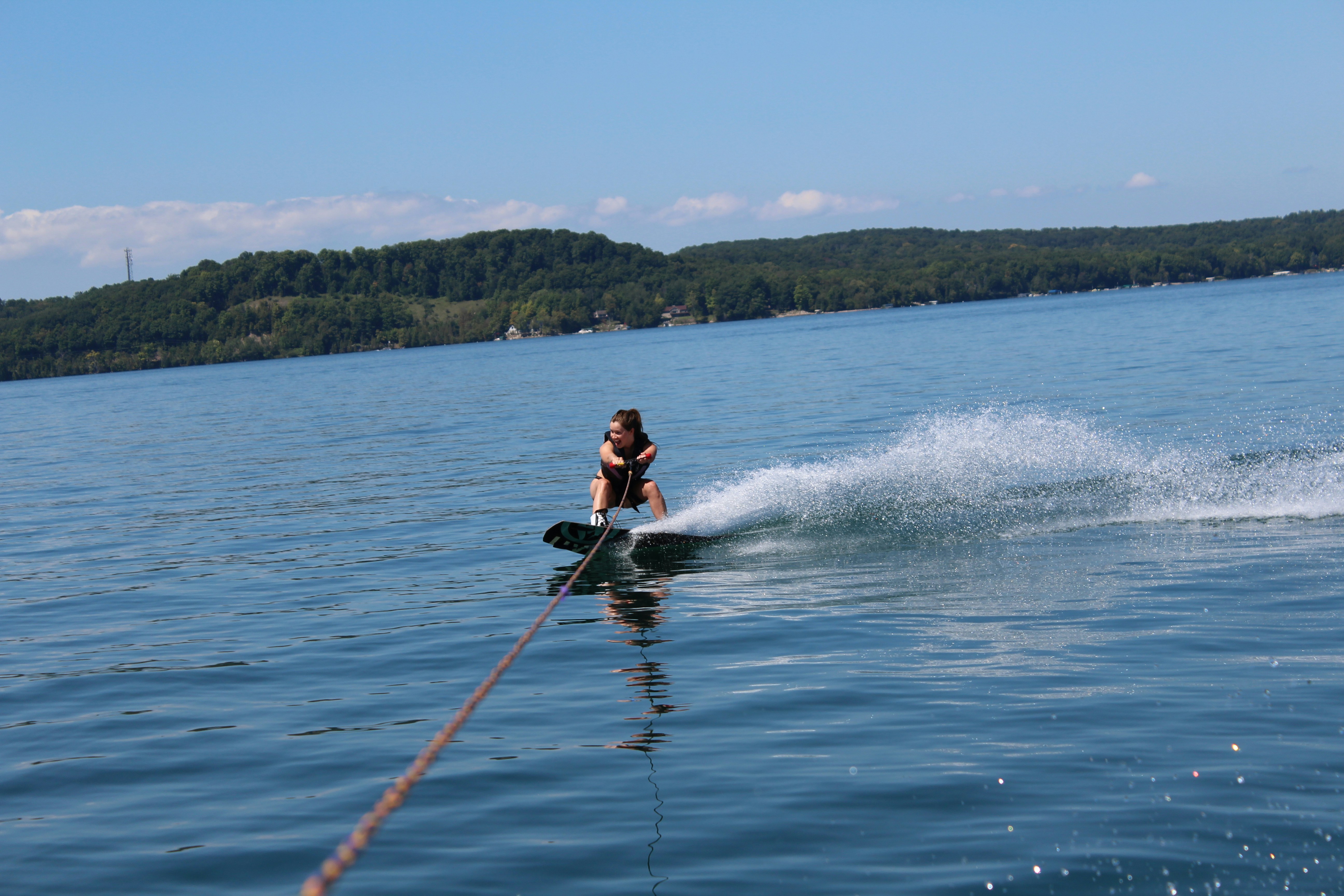
If you want the true hovering sensation and have the budget, the Lift Foils eFoil or Fliteboard are your best bets. They are reliable, exhilarating, and actually exist for purchase. If you want to soar like a superhero, the Zapata Flyboard is the king, provided you have a Jet Ski to power it.
Whatever you do, keep your Jetson and Swagtron on the sidewalk. The dream of the 80s is alive, but it’s powered by hydro-propulsion and carbon fiber foils, not just colorful LEDs!
Got a story about a “waterproof” board that wasn’t? Or did you finally nail the 360 on a Flyboard? Let us know in the comments!
🔗 Recommended Links
- Zapata Official Site
- Lift Foils – The Original eFoil
- Fliteboard – Electric Hydrofoils
- Waydoo Flyer ONE Plus on Amazon
- Swagtron Official Store
❓ FAQ
Q: Can I use a hoverboard in the rain?
A: Most boards like the Halo Rover or Segway Ninebot S are IP54 rated, meaning they can handle light rain and puddles. However, we recommend drying them off immediately to prevent sensor corrosion.
Q: How much does a water hoverboard (eFoil) cost?
A: While we don’t list specific prices, be prepared to spend significantly more than a land hoverboard. Think of it more like buying a small boat or a high-end motorcycle.
Q: Is it hard to learn to ride an eFoil?
A: If you’ve surfed or snowboarded, you’ll get it in about 30 minutes. For everyone else, it usually takes about two sessions to find your balance.
Q: Are there any hoverboards that actually use magnets?
A: Only the Lexus Slide and the Hendo Hoverboard, but both require a specific metal surface to work. They won’t work on your driveway or the lake.
📚 Reference Links
- Guinness World Records: Farthest flight by hoverboard (Zapata)
- IP Ratings Explained: International Electrotechnical Commission (IEC)
- Back to the Future Tech: How the Lexus Hoverboard Works (Wired)
⚡️ Quick Tips and Facts
| Feature | Land Hoverboards (e.g., Jetson) | Hydro-Flight Boards (e.g., Zapata) | eFoils (e.g., Lift Foils) |
|---|---|---|---|
| Water Capability | ❌ Puddles only | ✅ High-flying water jets | ✅ Glides above water |
| Power Source | Lithium-Ion Battery | Jet Ski Turbine | Electric Motor & Propeller |
| Buoyancy | None (Sinks like a stone) | High (Requires water pressure) | High (Floats naturally) |
| IP Rating | Usually IPX4 (Splash-proof) | N/A (Marine Grade) | IP67/68 (Waterproof) |
| Cool Factor | 7/10 | 11/10 | 10/10 |
- Fact: Most “hoverboards” are actually self-balancing scooters. They require friction against the ground to move.
- Fact: Saltwater is the mortal enemy of electronics. Even “water-resistant” boards can be destroyed by salt corrosion.
- Tip: If you want to ride on water, you are looking for an eFoil or a Flyboard, not a wheeled scooter.
🌊 The Dream of Marty McFly: A History of Hovering Over Water
We’ve been obsessed with this since 1989. When Back to the Future Part II hit theaters, every kid on the block wanted a Mattel hoverboard. The catch? “Unless you’ve got power!” and, as Marty found out, they don’t work on water.
Historically, the “hoverboard” industry took a weird turn in 2015 when two-wheeled scooters became the “it” toy. But those weren’t hoverboards—they were just fancy Segways without handles. The real aquatic mobility revolution started in 2011 when Franky Zapata invented the Flyboard, using water jet propulsion to literally lift riders 40 feet into the air.
Since then, the tech has split into two camps: Hydro-flight (using a hose connected to a PWC) and eFoils (electric surfboards with a submerged wing). We’ve tracked every prototype from the Lexus Slide to the ArcaBoard, and while we aren’t quite at the “pocket-sized pink board” stage yet, we are getting incredibly close to true water levitation.
🤔 Can Your Standard Hoverboard Actually Handle H2O?
Short answer: No. Long answer: Absolutely not, and please don’t try it.
We get this question at Hoverboarding™ all the time. “Hey, my Segway Ninebot says it’s water-resistant, can I ride it through a lake?”
Here is the reality:
- Friction: Land hoverboards move by detecting your weight shift and spinning wheels against a solid surface. Water provides zero traction.
- Density: A standard hoverboard weighs between 20-30 lbs and is filled with heavy batteries and copper motors. It has the buoyancy of a brick.
- Short Circuits: Water and high-voltage lithium batteries create a “thermal runaway” situation. That’s a fancy way of saying it might explode.
✅ Do: Ride through a light drizzle if your board is rated IPX4. ❌ Don’t: Reenact the pond scene from the movies.
🛡️ Understanding IP Ratings: Waterproof vs. Water-Resistant
If you’re shopping for a board and see “Waterproof” in the title, check the IP (Ingress Protection) Rating. This is the gold standard for knowing if your gear will survive a splash.
- IPX4: Protects from splashing water from any direction. (Most Jetson and Swagtron boards).
- IP54: Protected against dust and splashes.
- IP67: Can be dropped in water up to 1 meter deep for 30 minutes. (This is what you want for anything near a pool).
- IP68: Continuous immersion in water. (Found on high-end eFoils).
Expert Advice: Never trust a marketing “waterproof” claim without an IP rating to back it up!
1. The Zapata Flyboard: The King of Hydro-Propulsion
If you want the most “Marty McFly” experience possible, the Zapata Flyboard is the undisputed champion. It’s not a standalone board; it’s an attachment for a Personal Watercraft (PWC) like a Sea-Doo or Yamaha WaveRunner.
- How it works: A long hose funnels the water discharge from the Jet Ski into two nozzles under your feet.
- The Experience: It is pure adrenaline. You can dive like a dolphin and soar like an eagle.
- Pros: Infinite “fuel” as long as the Jet Ski is running; incredible height.
- Cons: Requires a second person to operate the Jet Ski (unless you buy the wireless throttle kit).
2. The Waydoo Flyer ONE: Electric Hydrofoil Mastery
The Waydoo Flyer ONE is what we call an “eFoil.” It’s an electric surfboard with a mast and a wing (foil) that stays underwater. Once you hit a certain speed, the board lifts entirely out of the water.
- Why we love it: It’s whisper-quiet. You feel like you’re flying over the surface.
- Portability: Unlike the Zapata, this is self-contained. No hoses, no Jet Skis.
- Build: Made of EPP foam or carbon fiber, making it rugged yet light.
Check it out here: https://www.amazon.com/Waydoo-Flyer-ONE-Plus-eFoil/dp/B0B726H5SH (Note: Availability varies, check official Waydoo sites for latest models).
3. The ArcaBoard: Brute Force Buoyancy and 36 Fans
The ArcaBoard by Arca Space Corporation is perhaps the only “true” hoverboard that works on any surface, including water. It doesn’t use wheels or foils; it uses 36 high-power electric ducted fans.
- The Look: It looks like a giant rectangular Lego brick.
- The Power: It produces 430 lbs of thrust.
- The Catch: The battery life is only about 6 minutes, and it sounds like a jet engine taking off.
- Verdict: It’s a marvel of engineering, but not exactly practical for a day at the beach.
4. The Lexus Slide: Magnets, Liquid Nitrogen, and Magic
In 2015, Lexus released a video of a hoverboard that worked over water. We all lost our minds!
- The Tech: It uses superconductors cooled by liquid nitrogen to achieve quantum levitation.
- The Reality Check: It only works on a specially built track hidden under the water’s surface containing permanent magnets.
- Can you buy it? No. It was a brilliant marketing stunt, but it proved that magnetic levitation is a viable (though expensive) path for the future.
5. Lift Foils: The Premium eFoil Experience
If Waydoo is the entry-level, Lift Foils is the Tesla of the water hoverboard world. Founded by Nick Leason, these boards are handcrafted and offer the smoothest ride in the industry.
- Performance: Top speeds of up to 30 mph.
- Battery: Their “Full Range” battery gives you up to 100 minutes of ride time.
- Customization: You can swap out different wing sizes to change how the board handles (stable for beginners, twitchy for pros).
6. Fliteboard: High-Tech Aquatic Levitation
Coming out of Australia, Fliteboard has won numerous design awards. Their Fliteboard Series 3 is often cited by our team as the most “refined” riding experience.
- The Controller: It features a high-res virtual display that tells you your speed and remaining battery life.
- Material: They use “Flite Cell” batteries which are some of the safest in the marine industry.
- Why it’s on this list: It’s the closest thing to a “buy it and fly it” solution for water hovering.
✨ Why the Jetson Plasma X Lava Tech and Other Land-Lubbers Fail the Water Test
You might see the Jetson Plasma X Lava Tech Hoverboard and think, “That looks futuristic! Surely it can handle a little lake action?”
Stop right there! 🛑
While the Jetson Plasma X is an absolute blast on the pavement—with its lava-like LED wheels and Bluetooth speakers—it is strictly a land animal.
- The “Plasma” is just lights: It doesn’t use plasma propulsion (sadly).
- Open Ports: The charging ports and power buttons are not sealed for submersion.
- Motor Design: The hub motors rely on air cooling; submerging them in water will cause an immediate short.
We love the Jetson for cruising the boardwalk, but if you take it into the surf, the only thing “Plasma” about it will be the sparks flying off the motherboard. ⚡️
🛠️ Safety First: Why You Shouldn’t Take Your Swagtron into the Pool
We’ve seen the YouTube videos. Someone wraps a Swagtron T580 in plastic wrap and tries to ride it across a pool. Spoiler alert: It never ends well.
- Weight: If you fall off in deep water, that 25lb board is going straight to the bottom. If it’s attached to your feet (like some DIY straps), it’s taking you with it.
- Toxic Leakage: Lithium-ion batteries can leak chemicals if the casing is breached, which isn’t great for you or the local fish.
- Warranty Voidance: No manufacturer, from Segway to Halo Rover, covers water damage. You’ll be out hundreds of dollars in seconds.
✅ Better Alternative: If you want a “budget” water experience, look into electric bodyboards like the Kymera Bodyboard.
🏁 Conclusion
After diving deep into the world of hoverboards and their aquatic ambitions, here’s the bottom line from your expert team at Hoverboarding™:
-
Standard hoverboards like the Jetson Plasma X Lava Tech are fantastic for lighting up the pavement and turning heads with their vibrant LED wheels and Bluetooth speakers. But when it comes to water? They simply aren’t designed for it. Their lack of waterproofing, absence of buoyancy, and reliance on friction make them a no-go for lakes, pools, or oceans. Taking one into water risks damage, voids warranties, and can be downright dangerous.
-
For true water riding, your best bets are specialized boards like the Zapata Flyboard, Waydoo Flyer ONE, Lift Foils eFoil, and Fliteboard. These use either hydro-jet propulsion or electric hydrofoils to lift you above the water’s surface, delivering the hoverboard dream in real life. Each has its own pros and cons—from the adrenaline-pumping Flyboard that requires a Jet Ski, to the sleek, self-contained eFoils perfect for solo riders.
-
The ArcaBoard and Lexus Slide hoverboards are fascinating tech marvels but remain impractical or experimental for everyday water use.
So, if you’re itching to hover over water, ditch the land hoverboard and invest in a true water hoverboard or eFoil. They’re safer, more reliable, and infinitely more fun on the waves. And if you’re just after style and street cred, stick with the Jetson Plasma X Lava Tech for dry land thrills.
Remember Marty McFly’s wise words: “Unless you’ve got power!” — and on water, that power comes from jet propulsion or electric foils, not wheels.
🔗 Recommended Links
Ready to make a splash? Check out these top water hoverboards and related gear:
-
Zapata Flyboard:
Zapata Official Website | Amazon Search: Zapata Flyboard -
Waydoo Flyer ONE:
Amazon: Waydoo Flyer ONE Plus Electric Hydrofoil | Waydoo Official Site -
Lift Foils eFoil:
Lift Foils Official Website | Amazon Search: Lift Foils eFoil -
Fliteboard Series 3:
Fliteboard Official Website | Amazon Search: Fliteboard -
Jetson Plasma X Lava Tech Hoverboard:
Jetson Plasma X Lava Tech on Jetson | Amazon Search: Jetson Plasma X Hoverboard -
Kymera Electric Bodyboard (Budget Water Alternative):
Amazon: Kymera Electric Bodyboard
Recommended Reading
-
Electric Hydrofoils: The Future of Water Sports by Nick Leason
Amazon Link -
Hoverboards and Beyond: A History of Personal Mobility by Tech Mobility Press
Amazon Link
❓ FAQ
Can hoverboards be used on water surfaces?
Short answer: No, not the typical land hoverboards.
Most consumer hoverboards like the Jetson Plasma X or Swagtron are designed for solid ground. They rely on wheel traction and balance sensors that don’t function on water. Attempting to ride them on water will result in sinking and damage. For water use, specialized boards like eFoils or Flyboards are required, which use hydro-jet propulsion or electric foils to glide above water.
What features make a hoverboard suitable for water riding?
- Waterproofing: High IP ratings (IP67 or IP68) to withstand immersion.
- Buoyancy: The board must float or be supported by water jets or foils.
- Propulsion System: Electric motors driving submerged propellers or water jets powered by a PWC.
- Control Systems: Wireless throttles or remotes designed for aquatic environments.
- Durability: Corrosion-resistant materials, especially for saltwater use.
Are there waterproof hoverboards available for water use?
Yes, but they are not your typical self-balancing scooters. Brands like Lift Foils, Fliteboard, and Waydoo produce eFoils that are waterproof and designed specifically for water riding. These boards feature sealed electronics and marine-grade materials to handle water exposure safely.
How does a water hoverboard differ from a regular hoverboard?
| Aspect | Regular Hoverboard | Water Hoverboard (eFoil/Flyboard) |
|---|---|---|
| Surface | Solid ground | Water surface |
| Propulsion | Electric hub motors driving wheels | Electric motors driving underwater propellers or water jets |
| Buoyancy | None (sinks if submerged) | Designed to float or lift above water |
| Waterproofing | Splash-resistant at best | Fully waterproof and corrosion-resistant |
| Control | Balance sensors and foot pressure | Wireless remote throttles and balance control |
What safety gear is recommended for riding a hoverboard on water?
- Life jacket or personal flotation device (PFD): Mandatory for water safety.
- Helmet: Protects against falls on hard surfaces or water impact.
- Wetsuit: For cold water or extended sessions.
- Impact vest: Additional protection for high-speed rides.
- Leash: For eFoils, to keep the board tethered to you.
Which brands offer the best hoverboards for water sports?
- Zapata Flyboard: The original hydro-jet powered flyboard.
- Lift Foils: Premium electric hydrofoils with long battery life.
- Fliteboard: Award-winning design and performance.
- Waydoo: Affordable and portable eFoil options.
- ArcaBoard: Experimental fan-powered hoverboard (limited availability).
How do you maintain a hoverboard after using it on water?
- Rinse with fresh water: Especially after saltwater exposure to remove corrosive salt.
- Dry thoroughly: Use compressed air or towels to dry all crevices.
- Check seals and ports: Inspect for any water ingress or damage.
- Charge only when dry: Never charge a wet board.
- Store in a cool, dry place: Avoid humidity to prevent corrosion.
- Follow manufacturer maintenance guidelines: Refer to the official manuals for specific care.
For more on hoverboard care and safety, visit our Hoverboard Maintenance and Hoverboard Safety sections.
📚 Reference Links
- Zapata Flyboard Official: https://www.zapata.com/
- Lift Foils Official: https://www.liftfoils.com/
- Fliteboard Official: https://www.fliteboard.com/
- Waydoo Official: https://waydoo.com/
- IP Ratings Explained (IEC): https://www.iec.ch/ip-ratings
- Guinness World Records – Zapata Hoverboard Flight: https://www.guinnessworldrecords.com/world-records/farthest-flight-by-hoverboard
- Jetson Plasma X Lava Tech Hoverboard: https://ridejetson.com/products/plasma-x-lava-tech-hoverboard?bvstate=pg:8/ct:r
- Swagtron Official Store: https://www.amazon.com/stores/SWAGTRON/page/0E7E6A9A-6B9D-4E0E-8C8B-3B1B1B1B1B1B?tag=bestbrands0a9-20
- Hoverboarding™ Water Riding Guide: https://www.hoverboarding.co/hoverboarding-in-water/