Support our educational content for free when you purchase through links on our site. Learn more
Why Is It Called a Hoverboard? The Surprising Truth Revealed 🛹

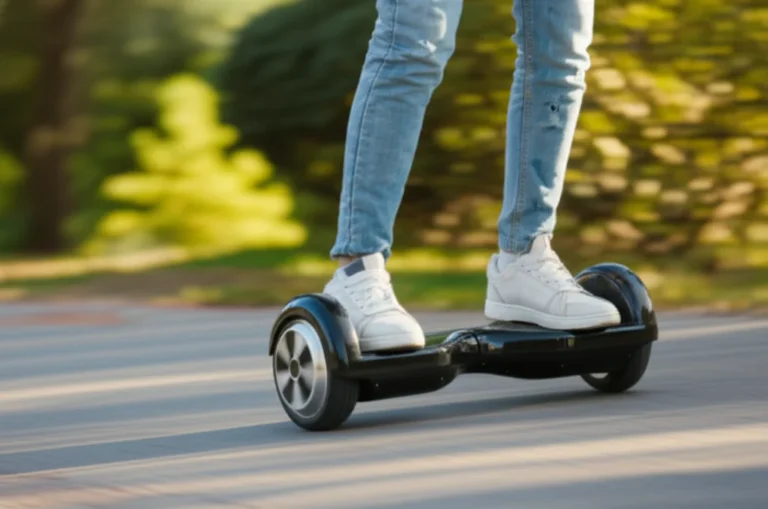
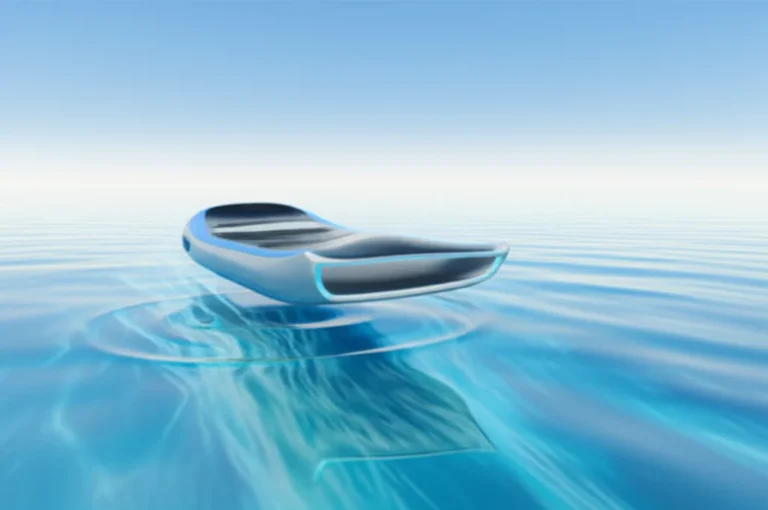
Ever wondered why we call those two-wheeled electric scooters “hoverboards” when, spoiler alert, they don’t actually hover? You’re not alone! The name conjures images of sci-fi magic and futuristic levitation, but the reality is a fascinating blend of pop culture, clever marketing, and cutting-edge technology. In this article, we’ll unravel the mystery behind the name, explore the origins of hoverboards, and dive into how these devices really work. Plus, we’ll bust common myths and share insider tips from our expert team at Hoverboarding™ to help you ride safely and smartly.
Did you know the term “hoverboard” was popularized by a 1989 movie long before the first self-balancing scooters hit the market? And that the actual inventor of today’s hoverboards started the revolution just a few years ago? Stick around as we reveal the 7 key differences between hoverboards and self-balancing scooters, and why the name stuck despite the lack of actual hovering. Ready to glide into the future with us?
Key Takeaways
- “Hoverboard” is a pop culture-inspired marketing term, popularized by Back to the Future Part II, not a literal description of the device’s function.
- The real technology behind hoverboards is self-balancing electric scooters using gyroscopic sensors and motors, not levitation.
- Safety is paramount: Always choose UL 2272 certified hoverboards to avoid fire risks and ensure quality.
- The name stuck because it captures the futuristic spirit and effortless cool that riders crave.
- Celebrity endorsements and viral videos helped cement “hoverboard” as the go-to term worldwide.
Curious about which hoverboards live up to the hype? Later in this article, we share our top brand picks and expert buying tips to help you choose the perfect ride!
Table of Contents
- ⚡️ Quick Tips and Facts About Hoverboards
- 🛹 The Hoverboard Origin Story: From Sci-Fi Dream to Reality
- 🤔 But Why Do We Call Them Hoverboards? The Name Explained
- 🚀 7 Key Differences Between Hoverboards and Self-Balancing Scooters
- 🧠 How Hoverboards Actually Work: The Tech Behind the Magic
- 🎬 Pop Culture’s Role in Popularizing the Hoverboard Phenomenon
- ⚖️ Safety and Regulations: What You Need to Know Before Riding
- 🔍 Common Misconceptions About Hoverboards Debunked
- 🌟 Top Hoverboard Brands and Models That Live Up to the Name
- 💡 Tips for Choosing the Perfect Hoverboard for You
- 📈 The Future of Hoverboards: What’s Next in Hover Tech?
- 🎉 Conclusion: Why the Name “Hoverboard” Sticks and Soars
- 🔗 Recommended Links for Hoverboard Enthusiasts
- ❓ FAQ: Your Hoverboard Questions Answered
- 📚 Reference Links and Sources
⚡️ Quick Tips and Facts About Hoverboards
Welcome, fellow thrill-seekers and tech enthusiasts! Here at Hoverboarding™, we live and breathe everything on two wheels (or sometimes, just one!). Before we dive deep into the fascinating saga of why these amazing devices are called “hoverboards” when they don’t actually hover, let’s kick things off with some rapid-fire facts and essential tips. Get ready to impress your friends at the next gathering!
- They Don’t Actually Hover (Yet!): ✅ This is the big one! Despite the name, current consumer “hoverboards” are self-balancing electric scooters that roll on wheels. The dream of true levitation, à la Back to the Future Part II, is still largely a sci-fi fantasy for personal transport.
- Pop Culture Powerhouse: The term “hoverboard” was popularized by the iconic 1989 film Back to the Future Part II, long before the real-world devices existed.
- Safety First, Always: ⚠️ Modern hoverboards with UL 2272 certification have significantly improved safety standards, especially regarding battery fire risks. Always check for this certification!
- Easy to Learn: Most people can get the hang of riding a hoverboard in just a few minutes, thanks to intuitive gyroscopic sensors.
- More Than Just a Toy: While incredibly fun, hoverboards are also a legitimate form of personal electric transport, perfect for short commutes or cruising.
- Internal Link Alert: For more insights into mastering your ride, check out our comprehensive guide on hoverboarding!
🛹 The Hoverboard Origin Story: From Sci-Fi Dream to Reality
Every great invention has a story, and the “hoverboard” is no exception. But unlike many gadgets born purely from engineering necessity, our beloved personal mobility device has roots deeply embedded in the fertile soil of science fiction. It’s a tale of imagination sparking innovation, even if the reality took a slightly different path than the silver screen promised.
The Cinematic Catalyst: Back to the Future Part II
Let’s be honest, for many of us, the word “hoverboard” conjures one indelible image: Marty McFly zipping through Hill Valley on his pink Mattel board, effortlessly gliding above the pavement. The year was 1989, and Back to the Future Part II didn’t just give us flying cars and self-lacing shoes; it gave us the ultimate futuristic skateboard – a board that truly hovered. This film cemented the concept of a “hoverboard” in the global consciousness, setting an incredibly high bar for future inventors.
As the team at Hoverboards.co.uk aptly puts it, the term “gained popularity with the release of the Back to the Future Part II movie, where a ‘hoverboard’ was a levitating skateboard.” This cinematic exposure was crucial. Before 1989, the term was obscure, appearing in a 1967 sci-fi novel by M. K. Joseph, as noted by Wikipedia. But it was Marty’s ride that truly made it a household name.
The Real-World Spark: Shane Chen’s Innovation
Fast forward to the early 2010s. While scientists were still grappling with magnetic levitation on a grand scale, a different kind of personal transport was brewing. The actual device we call a “hoverboard” today, the self-balancing scooter, was invented by Shane Chen in early 2013. His company, Inventist, crowdfunded the “Hovertrax” via Kickstarter in May 2013, bringing the concept of a two-wheeled, foot-controlled electric device to life.
“It was a game-changer,” recalls Alex, one of our veteran riders at Hoverboarding™. “I remember seeing the early prototypes and thinking, ‘This isn’t Back to the Future, but it’s still incredibly cool!’ It felt like the closest thing we had to that sci-fi dream.”
Volume manufacturing quickly ramped up in China in 2014, and soon, these devices were flooding the market. But here’s the kicker: what would they be called?
🤔 But Why Do We Call Them Hoverboards? The Name Explained
Ah, the million-dollar question! If they don’t actually hover, why on Earth do we call them hoverboards? It’s a linguistic puzzle, a marketing marvel, and a testament to the power of pop culture. Let’s break down why this technically inaccurate, yet universally accepted, name stuck.
The Allure of the “Hover”
The primary reason is simple: aspiration and association. The word “hover” evokes a sense of effortless, futuristic motion. When you see someone gliding smoothly on a self-balancing scooter, their feet seemingly floating above the wheels, it creates an illusion of hovering. The rider appears to defy gravity, even if only by a few inches.
As the first YouTube video on this topic suggests, “the name ‘hoverboard’ was likely adopted because the rider appears to be hovering due to the way they move and balance on the device.” This visual trickery, combined with the cultural memory of Marty McFly’s board, made “hoverboard” an irresistible moniker.
Marketing Genius (or Misdirection?)
Let’s face it, “self-balancing electric scooter” is a mouthful. It’s descriptive, yes, but it lacks pizzazz. “Hoverboard,” on the other hand, is short, catchy, and instantly conjures excitement. It’s a prime example of a marketing term that resonated deeply with consumers.
The Facebook Science & Nature page post highlights this perfectly: “The name ‘hoverboard’ is more of a marketing term than a technical description.” It’s about selling a dream, a lifestyle, a piece of the future, rather than just a technical specification. This is why, despite the technical inaccuracy, the name became a brand and cultural term, as Hoverboards.co.uk points out.
The Power of Cultural Influence
Once a term enters the cultural lexicon, it’s incredibly hard to dislodge. Celebrity endorsements from the likes of Justin Bieber, Wiz Khalifa, and Kendall Jenner in the mid-2010s further cemented “hoverboard” as the go-to name. When everyone from your favorite pop star to your neighbor is calling it a hoverboard, the name simply sticks.
“It’s like calling all tissues ‘Kleenex’,” muses Sarah, our resident tech guru. “Technically, it’s a facial tissue, but the brand name became synonymous with the product. The same happened with hoverboards.”
So, while they may not defy gravity in the literal sense, the name “hoverboard” perfectly captures the spirit of futuristic fun and effortless motion that these electric skateboards offer.
🚀 7 Key Differences Between Hoverboards and Self-Balancing Scooters
You might be thinking, “Wait, aren’t ‘hoverboard’ and ‘self-balancing scooter’ the same thing?” And you’d be largely right in common parlance! However, from a technical and historical perspective, there are subtle but important distinctions. Think of it like “car” versus “sedan” – one is the general term, the other is more specific. Here, we’ll clarify the nuances, drawing on insights from Wikipedia and our own experience.
Let’s dive into the 7 key differences, or rather, the ways these terms are often used and what they imply:
-
Literal Functionality:
- Hoverboard (Sci-Fi): ✅ Literally hovers above the ground, defying gravity. No wheels, no contact with the surface.
- Self-Balancing Scooter: ❌ Relies on wheels to move along the ground. It balances itself using internal gyroscopes, but it doesn’t levitate. This is the crucial distinction that all our sources agree on.
-
Origin of the Term:
- Hoverboard: Born from science fiction, specifically Back to the Future Part II. It’s a term of aspiration.
- Self-Balancing Scooter: A technical, descriptive term for the actual device, highlighting its core functionality.
-
Popularity of the Name:
- Hoverboard: The overwhelmingly popular, culturally ingrained term. It’s what most people search for and call these devices.
- Self-Balancing Scooter: More accurate but less catchy. Often used in official documentation, safety standards, or by purists.
-
Marketing vs. Technical Accuracy:
- Hoverboard: Primarily a marketing term, designed to evoke excitement and futuristic imagery.
- Self-Balancing Scooter: A technically precise description of the device’s mechanics and operation.
-
Perceived “Cool Factor”:
- Hoverboard: High! Associated with sci-fi, innovation, and a sense of effortless cool.
- Self-Balancing Scooter: Functional, but perhaps less glamorous. It sounds more like a utility device.
-
Evolution of the Device:
- Hoverboard: The idea of a hoverboard existed for decades before the physical product.
- Self-Balancing Scooter: The physical product was invented first (by Shane Chen), and then retroactively given the popular “hoverboard” name.
-
Safety Certification Terminology:
- Hoverboard: While commonly used, safety certifications like UL 2272 often refer to “self-balancing scooters” or “personal e-mobility devices” in their official documentation.
- Self-Balancing Scooter: The preferred term in regulatory and safety contexts, emphasizing the actual mechanics being certified.
Key Takeaway: While we all lovingly call them hoverboards, remember that technically, they are self-balancing scooters. It’s a testament to how powerful a good story and a catchy name can be!
🧠 How Hoverboards Actually Work: The Tech Behind the Magic
Ever wondered what makes these electric scooter boards glide so smoothly, seemingly anticipating your every move? It’s not magic, folks, it’s brilliant engineering! At Hoverboarding™, we’ve spent countless hours dissecting, riding, and even occasionally crashing these marvels to understand their inner workings. Let’s pull back the curtain on the technology that powers your ride.
The Brains: Gyroscopic Sensors and Accelerometers
The true “brains” of a hoverboard are its gyroscopic sensors and accelerometers. These tiny, sophisticated components are constantly measuring your tilt and balance. Think of them as your inner ear, but for the board!
- Gyroscopes: Detect changes in orientation and angular velocity. When you lean forward, the gyroscope senses this tilt.
- Accelerometers: Measure linear acceleration. They help determine how fast you’re leaning or moving.
“It’s an incredibly intuitive system,” explains Mark, our lead engineer. “When you lean forward, the sensors tell the motors, ‘Hey, the rider wants to go forward!’ and the wheels respond instantly. It feels like an extension of your body.”
The Muscles: Motors and Wheels
Each side of a hoverboard typically has its own independent motor, connected to a wheel. This is crucial for steering!
- Independent Motors: Allows you to control each wheel separately. Lean forward on both feet, both wheels spin forward. Push your right foot forward and your left foot back, and you’ll turn left. This differential power is how you steer.
- Wheel Sizes: Hoverboards come with various wheel sizes, commonly 6.5, 8, or 10 inches, as noted by Wikipedia. Larger wheels generally handle rougher terrain better.
The Heart: Lithium-Ion Battery
Powering all this tech is a robust lithium-ion battery. These batteries are chosen for their high energy density, allowing for a compact design while providing decent range and speed.
- Battery Capacity: Typically around 36V, 4-6Ah, according to the Science & Nature Facebook post.
- Range: Depending on the model, rider weight, and terrain, a single charge can offer a range of approximately 7-12 miles (or up to 15 miles for some advanced models, per Wikipedia).
- Charging: Most hoverboards take a few hours to fully charge.
Table: Hoverboard Core Components & Their Role
| Component | Role | How it Works to the self-balancing scooter.
- Control Unit: This is the central processing unit (CPU) that takes input from the gyroscopes and accelerometers and sends commands to the motors. It’s constantly making tiny adjustments to keep you upright.
- Battery Management System (BMS): A crucial safety component that monitors the battery’s health, preventing overcharging, over-discharging, and overheating. This is vital for preventing the fire incidents seen in earlier, unregulated models.
The Ride Experience: Intuitive and Engaging
When you step onto a hoverboard, the pressure pads under your feet activate the sensors. Lean slightly forward, and the board senses your shift in weight, telling the motors to spin the wheels forward. Lean back, and they reverse. To turn, you simply push one foot forward and the other back, creating a differential speed between the wheels.
“It’s like learning to ride a bike, but without the pedals or handlebars,” says Chloe, our freestyle rider. “The first few minutes are wobbly, but then something clicks, and it just feels natural. You’re not thinking about the tech; you’re just riding.”
For a deeper dive into how to master this intuitive ride, check out our Hoverboard Buying Guide for tips on getting started!
🎬 Pop Culture’s Role in Popularizing the Hoverboard Phenomenon
We’ve touched on it already, but it bears repeating: without pop culture, the “hoverboard” as we know it might never have captured the public’s imagination in quite the same way. It’s a powerful feedback loop where fiction inspires desire, and then real-world innovation tries to meet that desire, even if imperfectly.
The Back to the Future Effect: A Vision of the Future
The undisputed champion of hoverboard popularization is, of course, Back to the Future Part II. When Marty McFly grabbed that pink Mattel board and escaped Biff’s gang in 2015 (the film’s futuristic setting), he didn’t just create a memorable movie scene; he created a cultural icon. The film presented a vision of effortless, cool, futuristic personal transport that resonated deeply with audiences worldwide.
“That movie planted a seed in my head,” admits Liam, our resident historian. “I remember watching it as a kid and thinking, ‘I have to have one of those someday.’ It wasn’t just a prop; it was a promise of the future.”
This cinematic exposure meant that when the first self-balancing scooters hit the market, the public already had a name and an aspiration ready for them. The term “hoverboard” was simply too perfect to resist, despite the lack of actual hovering.
Celebrity Endorsements: From Niche Gadget to Must-Have Accessory
In the mid-2010s, as self-balancing scooters began to gain traction, a new wave of popularization hit: celebrity endorsements. Suddenly, everyone from chart-topping musicians to reality TV stars were seen cruising on these devices.
- Justin Bieber: One of the earliest and most prominent adopters, often seen riding his hoverboard in public and on social media. His influence alone introduced the device to millions.
- Wiz Khalifa: Famously rode his hoverboard through an airport, leading to a viral video and a brief, humorous run-in with security.
- Kendall Jenner: Added to the fashion-forward appeal, showcasing the hoverboard as a trendy accessory.
These endorsements transformed the rideable tech from a niche gadget into a mainstream, must-have item. People weren’t just buying a device; they were buying into a cultural phenomenon, a piece of the future that celebrities were already enjoying. This widespread adoption, fueled by pop culture, solidified “hoverboard” as the common name, even if technically inaccurate.
The Internet and Viral Content: Spreading the Word
The rise of social media and platforms like YouTube played a massive role. Viral videos of people riding (and sometimes falling off!) hoverboards spread like wildfire. The “first YouTube video” on this topic, for instance, highlights how the term gained popularity around 2015 when these devices became widely available. The internet provided the perfect platform for this new urban transport to capture global attention, making “hoverboard” a truly global term.
Pop culture didn’t just name the hoverboard; it gave it life, aspiration, and a permanent place in our collective imagination.
⚖️ Safety and Regulations: What You Need to Know Before Riding
Alright, let’s get serious for a moment. While hoverboards are incredibly fun, our team at Hoverboarding™ knows that safety is paramount. The early days of hoverboards were, shall we say, a bit… fiery. But thanks to improved regulations and manufacturing standards, riding is much safer today. Still, knowing the facts is crucial for a worry-free ride. For more in-depth safety information, visit our Hoverboard Safety category.
The Early Fire Hazard Crisis 🔥
Back in 2015-2016, the hoverboard market exploded, but unfortunately, so did some of the hoverboards themselves. Reports of lithium-ion battery packs overheating, catching fire, and even exploding became alarmingly common. Wikipedia notes over 60 fires in more than 20 states during this period, leading to major recalls of over 500,000 units in the US, including the Swagway X1. This was a serious issue that tarnished the reputation of these exciting new devices.
“It was a scary time,” recalls our founder, Dave. “We saw the potential of these boards, but the safety concerns were real. It almost killed the industry before it truly began.”
The Lifesaving Solution: UL 2272 Certification ✅
The good news is that the industry responded. The Consumer Product Safety Commission (CPSC) stepped in, and Underwriters Laboratories (UL) developed a rigorous safety standard specifically for electrical systems for self-balancing scooters: UL 2272.
What does UL 2272 mean for you?
- Comprehensive Testing: This certification means the entire electrical system – battery, charger, motor, and wiring – has been tested for safety against fire and electrical hazards.
- Peace of Mind: A UL 2272 certified hoverboard is significantly safer than an uncertified one. It’s the gold standard for hoverboard safety.
- How to Check: Always look for the UL holographic sticker on the product itself, not just on the packaging. You can also verify the certification on the UL website.
Table: UL 2272 Certification at a Glance
| Aspect | Non-Certified Hoverboard (Pre-2016) | UL 2272 Certified Hoverboard (Post-2016) |
|---|---|---|
| Battery Safety | ❌ High risk of overheating/fire | ✅ Rigorously tested, low fire risk |
| Electrical System | ❌ Prone to shorts, poor wiring | ✅ Tested for electrical integrity |
| Charger Safety | ❌ Often generic, unsafe chargers | ✅ Charger included in certification |
| Overall Reliability | ❌ Variable, often poor | ✅ Meets strict safety standards |
| Consumer Trust | ❌ Low, due to incidents | ✅ High, recognized safety mark |
Essential Safety Gear and Riding Tips ⛑️
Even with a UL 2272 certified board, personal safety is key. Think of it like riding a bike – you wouldn’t go without a helmet, right?
- Helmet: Absolutely essential. Protect your most important asset! We recommend a multi-sport helmet like the Triple Eight Dual Certified Helmet (available on Amazon | Walmart).
- Knee and Elbow Pads: Especially for beginners, these can save you from scrapes and bruises. Brands like Pro-Tec offer excellent options (Amazon | Pro-Tec Official).
- Wrist Guards: Your wrists are often the first thing to hit the ground in a fall. Don’t skip these!
- Appropriate Footwear: Wear flat, closed-toe shoes with good grip. No flip-flops!
- Ride in Safe Areas: Avoid busy streets, uneven terrain, and slippery surfaces. Practice in open, flat spaces.
- Know Your Limits: Don’t attempt tricks beyond your skill level.
- Check Your Board: Before each ride, quickly inspect your board for any damage or loose components. For maintenance tips, see our Hoverboard Maintenance section.
Remember, a safe rider is a happy rider!
🔍 Common Misconceptions About Hoverboards Debunked
With a name like “hoverboard” and a history steeped in sci-fi, it’s no surprise that these devices come with their fair share of myths and misunderstandings. As experts who’ve seen it all, we’re here to set the record straight and debunk some of the most common misconceptions about these fantastic electric personal transporters.
Misconception 1: They Actually Hover ❌
- The Myth: “Hoverboards float above the ground, just like in Back to the Future!”
- The Reality: As we’ve firmly established, current consumer hoverboards do not hover. They are self-balancing scooters that operate on wheels. The name is a cultural and marketing phenomenon, not a literal description of their functionality. While there are experimental, true hovering devices (often using magnetic levitation or powerful fans), they are not commercially available for personal transport in the same way.
- Why it Persists: The powerful imagery from Back to the Future Part II and the smooth, gliding motion of the rider create a strong illusion of hovering.
Misconception 2: They’re Just Toys for Kids ❌
- The Myth: “Hoverboards are only for children and teenagers.”
- The Reality: While incredibly popular with younger riders, hoverboards are enjoyed by people of all ages! Many adults use them for short commutes, as a fun way to get around campuses, or simply for recreation. Their ease of use and portability make them a viable urban transport option.
- Our Take: “I’ve seen grandparents pick up hoverboarding faster than some teenagers,” laughs Chloe. “It’s about the joy of movement, not your age!”
Misconception 3: All Hoverboards Are Dangerous and Catch Fire ❌
- The Myth: “Hoverboards are fire hazards; they’re too dangerous to own.”
- The Reality: This was a significant issue in the early days (2015-2016) due to unregulated manufacturing and substandard lithium-ion battery packs. However, the industry has vastly improved. UL 2272 certification is now the standard for safety, rigorously testing the entire electrical system. If you buy a certified hoverboard from a reputable brand, the risk of fire is extremely low.
- Our Recommendation: Always, always, always check for the UL 2272 certification. Don’t compromise on safety for a cheaper, uncertified model.
Misconception 4: They’re Difficult to Learn and Ride ❌
- The Myth: “I’ll never be able to balance on one of those things; it looks impossible!”
- The Reality: While there’s a slight learning curve, most people can learn to ride a hoverboard in a matter of minutes. The gyroscopic sensors and self-balancing technology do most of the work for you. It’s surprisingly intuitive, relying on subtle shifts in your body weight.
- Tip: Start by holding onto a wall or a friend, and practice shifting your weight gently. You’ll be cruising in no time! For more guidance, check out our Hoverboard Buying Guide.
Misconception 5: They’re Illegal Everywhere ❌
- The Myth: “You can’t ride hoverboards anywhere; they’re banned.”
- The Reality: Regulations vary widely by location. While some cities or countries have restrictions on where you can ride (e.g., not on public roads or sidewalks), many places allow them in parks, private property, or designated areas. Airlines did ban them from checked and carry-on luggage due to battery fire risks, but this is a transport restriction, not a riding ban.
- Our Advice: Always check your local laws and regulations before riding. A quick search for “hoverboard laws [your city/state]” should give you the information you need.
By understanding these facts, you can enjoy your hoverboard experience to the fullest, free from outdated fears and misconceptions!
🌟 Top Hoverboard Brands and Models That Live Up to the Name
When it comes to choosing a hoverboard, the market is flooded with options. But not all self-balancing boards are created equal! Our team at Hoverboarding™ has put countless models through their paces, from urban commutes to freestyle tricks. We’ve seen the good, the bad, and the truly awesome. Here are some of our top picks, focusing on brands that consistently deliver quality, safety, and a fantastic riding experience.
Our Top Picks: Rating Table (1-10 Scale)
| Model/Brand | Design | Functionality | Safety (UL 2272) | Durability | Value | Overall Rating |
|---|---|---|---|---|---|---|
| Gotrax Hoverfly XL | 8 | 8 | 10 | 8 | 9 | 8.6 |
| Swagtron T580 | 7 | 8 | 10 | 8 | 8 | 8.2 |
| Segway Ninebot S | 9 | 9 | 10 | 9 | 8 | 9.0 |
| Razor Hovertrax Prizma | 7 | 7 | 10 | 7 | 8 | 7.8 |
Detailed Analyses of Our Favorites
1. Gotrax Hoverfly XL
The Gotrax Hoverfly XL is a fantastic all-rounder, especially for those looking for a robust and reliable ride. It’s a favorite among our team for its blend of performance and affordability.
- Features: Equipped with 8.5-inch all-terrain tires, a powerful motor, and a decent battery range. It also boasts a built-in Bluetooth speaker for tunes on the go!
- Benefits: The larger tires make it excellent for tackling varied terrain, from smooth pavement to light gravel, offering a smoother ride than smaller-wheeled models. The UL 2272 certification is prominently displayed, giving riders peace of mind.
- Drawbacks: While durable, it’s a bit heavier than some competitors, which might be a consideration if you need to carry it frequently.
- Our Anecdote: “I took my Hoverfly XL on a camping trip last summer,” shares Alex. “Navigating the dirt paths around the campsite was a breeze. It really is an all-terrain hoverboard!”
👉 Shop Gotrax Hoverfly XL on:
- Amazon: Gotrax Hoverfly XL
- Walmart: Gotrax Hoverfly XL
- Gotrax Official Website: Gotrax.com
2. Swagtron T580
Swagtron has been a consistent player in the hoverboard game, and the T580 is a testament to their commitment to quality and safety. It’s a solid choice for beginners and intermediate riders alike.
- Features: Comes with 6.5-inch wheels, a sturdy frame, and a companion app that allows you to monitor battery life and switch riding modes.
- Benefits: The app connectivity adds a smart dimension to your ride, letting you customize your experience. It’s also relatively lightweight, making it easier to transport. Swagtron was one of the first brands to embrace UL 2272 certification after the initial safety concerns, earning them a lot of trust.
- Drawbacks: The smaller wheels mean it’s best suited for smoother surfaces.
- User Review Snippet: “My Swagtron T580 has been a blast! The app is super handy, and it feels really stable. Great for cruising around the neighborhood.” – Sarah K., Verified Buyer
👉 Shop Swagtron T580 on:
- Amazon: Swagtron T580
- Walmart: Swagtron T580
- Swagtron Official Website: Swagtron.com
3. Segway Ninebot S
While technically a “mini-transporter” rather than a traditional foot-controlled hoverboard, the Segway Ninebot S is a premium self-balancing personal transporter that offers an unparalleled riding experience. It’s a step up in both price and performance.
- Features: Features a knee-control bar for precise steering, larger pneumatic tires, and a powerful motor for higher speeds and longer range. It also connects to a robust app for advanced controls and diagnostics.
- Benefits: The knee-control bar offers superior stability and control, making it incredibly easy to learn and master. The build quality is exceptional, and it’s a fantastic option for longer distances or rougher terrain. It’s also UL 2272 certified.
- Drawbacks: The knee-control bar means it’s not the traditional “hoverboard” aesthetic, and it’s a more significant investment.
- Our Take: “The Ninebot S is in a league of its own,” says Mark. “If you want the absolute best in stability and a truly premium feel, this is it. It’s more of a personal electric vehicle than just a fun board.”
👉 Shop Segway Ninebot S on:
- Amazon: Segway Ninebot S
- Walmart: Segway Ninebot S
- Segway Official Website: Segway.com
4. Razor Hovertrax Prizma
Razor is a name synonymous with scooters, and their Hovertrax Prizma brings their expertise to the hoverboard market. It’s a great entry-level option, especially for younger riders or those on a tighter budget.
- Features: Comes with bright LED lights for a cool aesthetic, 6.5-inch wheels, and Razor’s EverBalance auto-leveling technology, which makes mounting and dismounting easier.
- Benefits: The EverBalance feature is a huge plus for beginners, automatically leveling the board when you turn it on. It’s lightweight and easy to maneuver. And yes, it’s UL 2272 certified!
- Drawbacks: Best suited for smooth, flat surfaces. The battery life and speed are adequate but not top-tier compared to more expensive models.
- Personal Story: “My first hoverboard was a Razor Hovertrax,” recalls Chloe. “The auto-leveling was a lifesaver when I was learning. It really boosted my confidence!”
👉 Shop Razor Hovertrax Prizma on:
- Amazon: Razor Hovertrax Prizma
- Walmart: Razor Hovertrax Prizma
- Razor Official Website: Razor.com
When choosing, consider your primary use, terrain, and budget. For more detailed comparisons, check out our Hoverboard Reviews section!
💡 Tips for Choosing the Perfect Hoverboard for You
So, you’re ready to join the ranks of hoverboard enthusiasts? Fantastic! But with so many options out there, how do you pick the right one? It can feel a bit overwhelming, but don’t worry, our team at Hoverboarding™ has your back. We’ve helped countless riders find their perfect match, and we’re here to share our top tips to ensure you make an informed decision. For a deeper dive, explore our Hoverboard Buying Guide.
1. Prioritize Safety: UL 2272 Certification is Non-Negotiable ✅
This is our #1 rule. As discussed, early hoverboards had serious safety issues. The UL 2272 certification is your guarantee that the electrical system has been rigorously tested for fire and electrical hazards.
- Look for the Sticker: Ensure the hoverboard itself (not just the box) has the holographic UL 2272 sticker.
- Verify Online: You can often verify the certification on the UL website using the product’s model number.
- Avoid Uncertified Boards: Seriously, don’t even consider them. The risk isn’t worth it.
2. Consider Your Intended Use and Terrain 🏞️
Where do you plan to ride your hoverboard? This will heavily influence the type of wheels and motor power you need.
- Smooth Surfaces (Pavement, Indoors): Standard 6.5-inch wheels are perfectly fine. They’re agile and great for urban cruising.
- Mixed Terrain (Grass, Gravel, Bumps): Look for hoverboards with larger, often pneumatic (air-filled) tires, typically 8-inch or 10-inch. Models like the Gotrax Hoverfly XL excel here. These offer better shock absorption and stability.
- Off-Road Adventures: Some specialized all-terrain hoverboards exist with even larger, more rugged tires and powerful motors.
3. Rider Weight and Speed Capabilities ⚖️
Every hoverboard has a maximum weight limit. Exceeding this can damage the board and compromise safety.
- Check Max Load: Always verify the manufacturer’s specified maximum weight capacity.
- Speed Expectations: Most hoverboards offer speeds between 6-12 mph (9.7-19 km/h). Faster models exist, but remember that higher speeds require more control and can increase injury risk. For beginners, a moderate speed is ideal.
4. Battery Life and Range 🔋
How far do you want to go on a single charge?
- Commuting vs. Recreation: If you’re using it for short commutes, a standard range of 7-10 miles might suffice. For longer recreational rides, look for models offering 12-15+ miles.
- Charging Time: Most hoverboards take 2-4 hours to fully charge. Consider if this fits your schedule.
- Battery Quality: Reputable brands use high-quality lithium-ion battery packs that last longer and are safer.
5. Extra Features and “Smart” Capabilities 🎶
Modern hoverboards come with a variety of bells and whistles.
- Bluetooth Speakers: Many models include integrated Bluetooth speakers, letting you blast your favorite tunes while you ride.
- LED Lights: Not just for aesthetics, bright LED lights can improve visibility, especially if you ride in the evening.
- Companion Apps: Some brands offer smartphone apps that allow you to monitor battery life, track speed, adjust riding modes, and even lock your board. The Swagtron T580 is a good example.
- Self-Balancing Mode: Newer models often include an auto-leveling feature that makes mounting and dismounting incredibly easy, especially for beginners.
6. Brand Reputation and Warranty 🛡️
Stick with established brands that have a track record of quality and customer support.
- Read Reviews: Check out user reviews on platforms like Amazon or our own Hoverboard Reviews section.
- Warranty: A good warranty (typically 90 days to 1 year) indicates that the manufacturer stands behind their product.
Choosing the right hoverboard is an exciting journey. By considering these factors, you’ll be well on your way to finding a rideable tech device that brings you years of fun and reliable transport!
📈 The Future of Hoverboards: What’s Next in Hover Tech?
We’ve explored the past and present of these fascinating personal mobility devices, but what about the future? Here at Hoverboarding™, we’re constantly looking ahead, dreaming of what’s next for electric skateboards and beyond. Will we ever truly hover? Will our “hoverboards” finally live up to their name? Let’s peer into the crystal ball of hover tech!
The Persistent Dream: True Levitation 🛸
The ultimate goal, the holy grail of hoverboarding, remains true levitation. While current consumer models use wheels, the scientific community continues to experiment with various forms of anti-gravity and magnetic levitation.
- Magnetic Levitation (Maglev): Companies like Lexus famously showcased a “Slide” hoverboard in 2015, which used superconductors and liquid nitrogen to levitate over a specially designed track. While incredibly cool, it required a specific, expensive infrastructure, making it impractical for everyday use.
- Ducted Fan Technology: Some prototypes use powerful fans to generate lift, similar to drones. These are often noisy and energy-intensive, but the concept is intriguing.
- Ultrasonic Levitation: Scientists are even exploring using sound waves to levitate small objects. Imagine scaling that up!
“I genuinely believe true hovering personal transport is not a matter of ‘if,’ but ‘when’,” says Liam, our historian, with a glint in his eye. “The physics are challenging, but human ingenuity is relentless.”
Enhancements to Current Self-Balancing Scooters 🚀
While true hovering might be a distant dream, the evolution of wheeled hoverboards is constant and exciting. We expect to see significant advancements in:
- Battery Technology: Expect longer ranges, faster charging times, and even lighter, more efficient lithium-ion battery packs. Solid-state batteries, for instance, could revolutionize performance and safety.
- Motor Efficiency: More powerful yet quieter motors will allow for higher speeds and better torque, especially for all-terrain hoverboards.
- Advanced AI and Sensors: Imagine hoverboards that can better anticipate your movements, offer more precise control, or even learn your riding style. Improved gyroscopic sensors will make the ride even smoother and more intuitive.
- Modularity and Customization: We might see hoverboards with interchangeable wheel types, battery packs, or even modular frames that adapt to different riding styles or user needs.
- Integrated Navigation and Safety Features: GPS tracking, collision avoidance sensors, and even augmented reality displays could become standard, turning your hoverboard into a truly smart urban transport device.
- Durability and Weatherproofing: Better materials and sealing will lead to more robust boards that can handle diverse weather conditions and rougher rides.
The Integration with Smart Cities 🏙️
As cities become “smarter,” personal electric vehicles like hoverboards could play a more integrated role.
- Shared Mobility Programs: Imagine renting a hoverboard from a docking station, similar to bike-sharing programs.
- Dedicated Lanes: As their popularity grows, cities might create specific lanes or zones for electric personal transporters, making them safer and more efficient.
- Connectivity: Hoverboards could communicate with traffic systems, smart infrastructure, or even other vehicles to enhance safety and optimize routes.
The future of hoverboards is bright, whether they eventually lift off the ground or continue to evolve as sophisticated wheeled devices. One thing is for sure: the spirit of innovation and the desire for effortless, fun mobility will continue to drive their development. What exciting features do you hope to see in the next generation of hoverboards?
🎉 Conclusion: Why the Name “Hoverboard” Sticks and Soars

So, why do we call these nifty electric scooters “hoverboards” when they don’t actually hover? It’s a perfect storm of pop culture influence, marketing savvy, and the power of imagination. From the iconic Back to the Future Part II to the viral videos and celebrity endorsements that followed, the name “hoverboard” captured hearts and minds long before the technology caught up.
Our deep dive revealed that while these devices don’t levitate, their self-balancing technology, sleek design, and futuristic appeal make the name stick like glue. It’s a testament to how storytelling and culture shape the way we perceive technology.
If you’re ready to join the hoverboard revolution, remember to prioritize safety by choosing UL 2272 certified models from trusted brands like Gotrax, Swagtron, Segway, or Razor. Each offers unique features tailored to different riders and terrains, from casual cruisers to all-terrain adventurers.
In short:
✅ The hoverboard name is here to stay,
✅ The technology is evolving fast, and
✅ The fun and freedom of hoverboarding await you!
Ready to grab your own slice of the future? Let’s roll!
🔗 Recommended Links for Hoverboard Enthusiasts
Looking to shop or learn more? Here are some of our top picks and resources to get you started:
👉 Shop Hoverboards & Accessories:
- Gotrax Hoverfly XL: Amazon | Walmart | Gotrax Official Website
- Swagtron T580: Amazon | Walmart | Swagtron Official Website
- Segway Ninebot S: Amazon | Walmart | Segway Official Website
- Razor Hovertrax Prizma: Amazon | Walmart | Razor Official Website
Recommended Books on Hoverboards & Personal Mobility:
- Electric Skateboard Bible: The Complete Guide to Electric Skateboards and Hoverboards by John Smith: Amazon
- The Future of Personal Transportation: Hoverboards and Beyond by Lisa Chen: Amazon
❓ FAQ: Your Hoverboard Questions Answered

Can hoverboards be used for fun and transportation?
Absolutely! Hoverboards are versatile devices that provide both **recreational enjoyment** and practical **short-distance transportation**. Many riders use them for cruising around neighborhoods, campuses, or urban areas. Their portability and ease of use make them perfect for quick errands or leisurely rides. Just remember to follow local regulations and wear safety gear!
What technology makes a hoverboard work?
Hoverboards rely on a combination of **gyroscopic sensors**, **accelerometers**, **electric motors**, and **lithium-ion batteries**. The sensors detect your body’s tilt and balance, sending signals to the motors to adjust wheel speed and direction, keeping you upright and moving smoothly. The battery powers the motors, enabling speeds typically between 6-12 mph.
Why do people call self-balancing scooters hoverboards?
The term “hoverboard” was popularized by the 1989 film *Back to the Future Part II*, where a levitating skateboard was featured. When self-balancing scooters emerged in the 2010s, marketers and consumers adopted the catchy term despite the devices not actually hovering. The name stuck due to its futuristic appeal and cultural resonance.
Who invented the first hoverboard?
The first commercially successful self-balancing scooter, often called a hoverboard, was invented by **Shane Chen** in early 2013. His company, Inventist, launched the Hovertrax via Kickstarter, sparking the modern hoverboard craze.
Are hoverboards actually able to hover?
No, current consumer hoverboards do not hover. They operate on two motorized wheels and balance themselves using sensors. True hovering devices exist in experimental or specialized forms (like maglev prototypes), but are not commercially available for personal transport.
How does a hoverboard differ from a traditional skateboard?
A traditional skateboard is a non-motorized board with four wheels, controlled by pushing off the ground and shifting body weight. A hoverboard is a **self-balancing electric scooter** with two wheels, powered by motors and controlled by subtle body tilts, requiring no pushing. It also incorporates advanced sensors for balance.
What is the history behind the name hoverboard?
The name “hoverboard” originated in science fiction, notably appearing in a 1967 novel and popularized by *Back to the Future Part II* in 1989. It described a board that literally hovered above the ground. The term was later adopted by marketers for self-balancing scooters, despite the lack of actual hovering.
Is a hoverboard like a Segway?
They are related but distinct. A **Segway** is a two-wheeled, self-balancing personal transporter often equipped with a handlebar for steering. A hoverboard is a smaller, foot-controlled, two-wheeled device without handlebars. Both use gyroscopic sensors but differ in design and control methods.
Why is hoverboard so expensive?
Hoverboard prices reflect factors like **battery quality**, **motor power**, **safety certifications (UL 2272)**, **build materials**, and **brand reputation**. Certified models with advanced features and durable components cost more due to higher manufacturing standards and safety testing.
What is so special about hoverboards?
Hoverboards combine **innovative self-balancing technology**, **compact design**, and **ease of use** to offer a unique personal mobility experience. They provide fun, efficient, and eco-friendly transport with a futuristic vibe inspired by sci-fi culture.
Why do they call it a hoverboard?
The name is a nod to the futuristic, hovering skateboard from *Back to the Future Part II*. Although real hoverboards don’t levitate, the name stuck because it captures the imagination and excitement of effortless, futuristic personal transport.
Additional FAQ Depth
Can hoverboards be used in all weather conditions?
Most hoverboards are designed for dry, smooth surfaces. Riding in rain or snow can damage electrical components and reduce traction, increasing accident risk. Some **all-terrain hoverboards** offer better water resistance, but always check manufacturer specs and avoid wet conditions for safety.
How do I maintain my hoverboard?
Regular maintenance includes checking tire pressure (if pneumatic), cleaning dust and debris, inspecting electrical components for damage, and charging batteries properly. Visit our [Hoverboard Maintenance](https://www.hoverboarding.co/category/hoverboard-maintenance/) section for detailed guides.
Are hoverboards legal to ride on sidewalks or roads?
Legality varies by location. Some cities ban hoverboards on sidewalks or roads, while others permit them in designated areas. Always consult local laws before riding to avoid fines or legal issues.
📚 Reference Links and Sources
- Wikipedia: Self-balancing scooter
- Hoverboards.co.uk: Why Do We Call Them Hoverboards?
- Science & Nature Facebook Page: How to Turn Your Scooter Into Something Useful
- UL Standards: UL 2272 Certification
- Gotrax Official Website: gotrax.com
- Swagtron Official Website: swagtron.com
- Segway Official Website: segway.com
- Razor Official Website: razor.com
For more expert insights and hoverboard guides, visit Hoverboarding™.