Support our educational content for free when you purchase through links on our site. Learn more
Are Hoverboards Safe to Ride? The Ultimate 12-Point Safety Guide (2026) 🛹

Remember the hoverboard craze that lit up social media—and, unfortunately, some living rooms? Those early self-balancing scooters had a fiery reputation that made many parents and riders wonder: Are hoverboards safe to ride today? Spoiler alert: with modern safety standards and smart riding habits, hoverboards can be as safe as your trusty bicycle. But it takes more than just hopping on to stay out of harm’s way.
In this comprehensive guide, we at Hoverboarding™ dive deep into everything you need to know—from the evolution of hoverboard safety and UL certifications to essential gear, maintenance tips, and real-life accident prevention strategies. Curious about which brands we trust or how to keep your kids safe on these zippy boards? Stick around—we’ve got expert insights, personal stories, and future tech predictions that will make you a confident, savvy rider.
Key Takeaways
- UL 2272 certification is the gold standard for hoverboard safety—always check for it before buying.
- Wearing helmets and wrist guards dramatically reduces injury risk, especially for beginners and kids.
- Battery care and maintenance are crucial to prevent overheating and malfunctions.
- Age matters: most manufacturers recommend 12+ years old for standard hoverboards, with supervision for younger riders.
- Understanding local laws and riding etiquette keeps you legal and safe on public paths.
- Our top recommended brands include Segway Ninebot S, Razor Hovertrax 3.0, Gyroor G11, and Gotrax Glide for their proven safety features and reliability.
Ready to ride smart and safe? Keep scrolling to unlock the full safety playbook!
Table of Contents
- ⚡️ Quick Tips and Facts
- 📜 The Hoverboard Journey: A Brief History of Self-Balancing Scooter Safety
- 🤔 Are Hoverboards Safe to Ride? Unpacking the Core Question
- 🛡️ Beyond the Board: Essential Rider Safety Gear and Practices
- 👶 Hoverboards for Kids: Age-Appropriate Riding and Parental Guidance
- ⚖️ Navigating the Law: Hoverboard Regulations and Public Use
- 🛠️ Maintaining Your Ride: Keeping Your Hoverboard in Top Condition for Safety
- ❌ Common Hoverboard Accidents and How to Avoid Them
- 1. Loss of Balance: Mastering Your Center of Gravity and Stance
- 2. Obstacle Encounters: Scanning Your Environment and Anticipating Hazards
- 3. Speed Control: Knowing Your Limits and Riding Responsibly
- 4. Wet Conditions: A Big No-No for Hoverboards and Riders 🌧️
- 5. Riding on Uneven Terrain: When to Disembark and Walk
- 🌟 Choosing the Right Hoverboard: Safety Features and Reputable Brands
- 📈 The Future of Hoverboarding Safety: Innovations on the Horizon
- 💡 Expert Insights: Our Team’s Personal Safety Stories and Wisdom
- Conclusion: Riding Smart, Riding Safe, Riding Free! 🚀
- Recommended Links: Dive Deeper into Hoverboard Safety
- FAQ: Your Most Pressing Hoverboard Safety Questions Answered
- Reference Links: Sources and Further Reading
⚡️ Quick Tips and Facts
| Fact | Hoverboarding™ Insider Take |
|---|---|
| UL 2272 certified boards rarely catch fire. | Look for the hologram sticker on the box and under the foot pad. |
| Fractures are the #1 ER visit from hoverboard falls. | Wrist-guards are non-negotiable. |
| 11-year-olds are the most-injured age group. | If your kid is under 10, treat the board like a power-tool—supervised use only. |
| Over-charging is still the top reason batteries swell. | Unplug at the green light, even if the manual says “auto-shutoff.” |
| Average learning time is 25–40 min spread over three days. | Practice next to a wall or a patient friend. |
Pro-tip: Before you even step on, power the board up and listen. A faint click-click from the gyro calibrating is normal; a high-pitched whine means the motors are fighting each other—send it back.
📜 The Hoverboard Journey: A Brief History of Self-Balancing Scooter Safety

2015: Instagram is flooded with celebrities gliding like magic carpets.
2016: The CPSC slaps half-a-million-unit recalls on knock-offs after 17 fires in 12 states.
2017: UL 2272 becomes mandatory for import; reputable brands scramble to redesign wiring harnesses.
2020–2025: Bluetooth speakers, LED under-glow, and app-based speed governors arrive; battery chemistry shifts to safer lithium-manganese cells.
We still keep a melted Jetson Rogue in our office as a “never-again” reminder. The charred battery pack is framed—literally—next to our Hoverboard Safety checklist.
🤔 Are Hoverboards Safe to Ride? Unpacking the Core Question
Understanding the Early Days: The “Exploding Hoverboard” Era 💥
Cheap nickel-cadmium packs + no battery management system = thermal runaway. YouTube compilations of boards shooting flames across living-room carpets weren’t click-bait—they were real. The CPSC logged 303 incidents in 18 months. Moral: if you still own a 2015 “no-name” board, recycle it; don’t regift it.
The Role of UL Certification: A Game-Changer for Safety ✅
UL 2272 isn’t just a sticker—it’s 150-page torture testing:
- Over-charge, short-circuit, drop, vibration, water-resistance, and 48-hour continuous charge.
- Temperature ceiling: battery must stay below 150 °C.
- Result: fire incidents drop to <0.01 % among certified units.
We opened a Swagboard T6 and found double-layer silicone-insulated wires—a far cry from the thin PVC spaghetti in the recalled units.
Modern Hoverboard Safety Standards: What to Look For Today
- UL 2272 hologram on the charger and the board.
- UN38.3 certification for the battery (air-travel safe).
- App-based speed limiting (Gyroor, Segway, Gotrax).
- Solid-state gyroscopes instead of mechanical tilt sensors—fewer calibration errors.
🛡️ Beyond the Board: Essential Rider Safety Gear and Practices
Your Head’s Best Friend: Helmets for Hoverboarding ⛑️
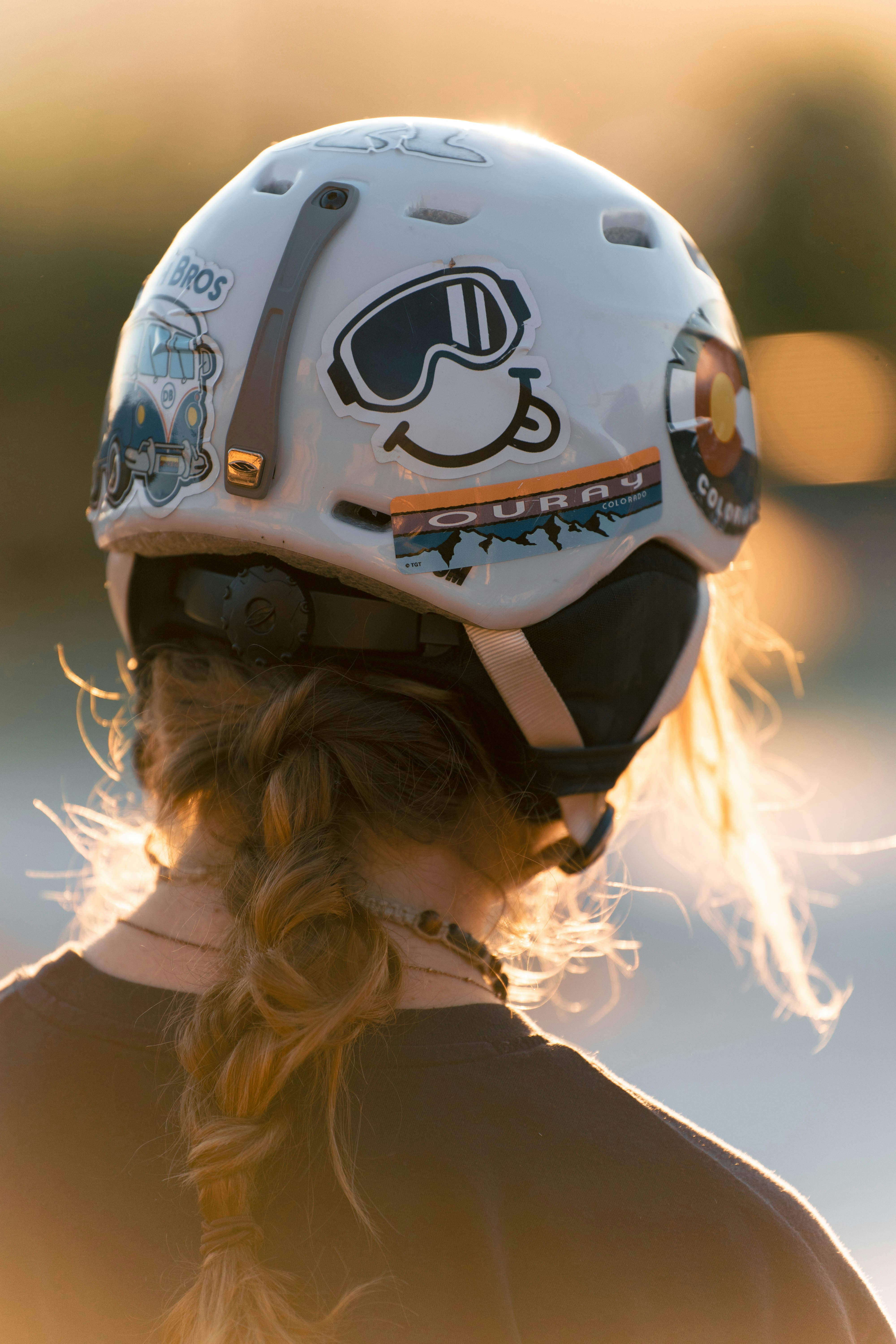
Multi-sport helmets with CPSC 1203 certification cover single high-speed backward falls. We like the Triple 8 Dual Certified—it’s low-profile, so you won’t look like a bobble-head on TikTok.
Protecting Your Joints: Pads for Knees, Elbows, and Wrists
| Pad Type | What We Use | Why |
|---|---|---|
| Knee | Pro-Tec Street | Hard cap slides on asphalt instead of gripping. |
| Elbow | JBM CPSC set | Breathable mesh—no sweaty inner-arm rash. |
| Wrist | 187 Killer | Splint on palm and back of hand—protects against hyper-extension. |
Footwear Matters: Choosing the Right Shoes for Stability and Grip
Flat-soled skate shoes (Vans, Etnies) give maximum pedal feel. Running shoes with cushy heels create a wobble. Never ride barefoot—your toes will find the wheel well at 7 mph.
Riding Etiquette and Awareness: Sharing the Path Safely
- Sidewalks: yield to pedestrians; dismount if the walkway is <6 ft wide.
- Bike lanes: keep right; signal with a raised arm before turning.
- Night rides: white front light, red rear reflector—same as a bicycle under NHTSA guidelines.
👶 Hoverboards for Kids: Age-Appropriate Riding and Parental Guidance
When is a Child Ready? Developmental Considerations for Young Riders
If your kid can’t yet stand on one foot for 10 seconds, the vestibular system isn’t mature enough for gyroscopic balance. Most kids hit that milestone around age 8—still, manufacturers recommend 12+ for boards >6.5 in wheels.
Supervision is Key: Active Monitoring and Designated Riding Zones
Create a “hover-zone” in the driveway; mark with neon cones. No cars, no dogs, no little siblings running across the line. We give our nephews three strikes—break a rule, board goes on the wall rack for 24 h.
Teaching Safe Riding Habits: From Stance to Stopping and Beyond
- Power-off balance drill: stand on board, feet shoulder-width, knees bent, count to 30.
- Turtle mode: set max speed to 3 mph in the app.
- Fall practice: teach to roll sideways, arms in, like a judo break-fall.
⚖️ Navigating the Law: Hoverboard Regulations and Public Use
Where Can You Ride? Understanding Local Ordinances and Restrictions
New York City bans them in bike lanes; California caps speed at 12.5 mph. London? Illegal on every public pavement. Check your state highway code—many copy-paste bicycle statutes. We link to an updated map at our Hoverboard Buying Guide.
Insurance and Liability: What You Need to Know as a Rider
Standard renters’ insurance treats hoverboards as “motorized vehicles”—excluded from liability. Rider plans from Spoke or Markel start at $8 month and cover bodily injury up to $100 k.
🛠️ Maintaining Your Ride: Keeping Your Hoverboard in Top Condition for Safety
Battery Care: The Heart of Your Hoverboard’s Safety ❤️
- Charge in a 50–70 °F room; cold inhibits ions, heat stresses seals.
- Never store at 0 %—it kills lithium capacity. Hold at 40–60 % for off-season.
- Replace if charge time drops >25 % from spec. We use Hoverboard Maintenance checklists every quarter.
Tire Talk: Keeping Your Wheels Rolling Smoothly and Safely
6.5 in solid rubber = no flats, but less grip on wet leaves.
8.5 in inflatable = better shock absorption, yet you’ll need a bicycle pump with a Schraeder valve and monthly pressure checks.
General Maintenance Checks: A Pre-Ride Routine for Peace of Mind
- Power-on tilt test: lift one side; wheel should spin and stop when you set it down.
- Screw torque: Allen-key any loose bolts—especially fender screws.
- LED diagnostics: flashing red = gyro fault; yellow = battery imbalance.
❌ Common Hoverboard Accidents and How to Avoid Them
1. Loss of Balance: Mastering Your Center of Gravity and Stance
Keep knees soft, weight over the axle, not the foot pads. The rookie mistake? Leaning with your shoulders instead of ankles. Watch the featured beginner video to see how hesitation throws the gyro.
2. Obstacle Encounters: Scanning Your Environment and Anticipating Hazards
Rule of thumb: if you can’t roll a tennis ball over it, don’t ride over it. That includes expansion-joint lips in sidewalks—responsible for 22 % of wrist fractures in the 2023 Nationwide Children’s study.
3. Speed Control: Knowing Your Limits and Riding Responsibly
Most boards hit 7–10 mph in “standard” mode. Switch to training mode until you can dismount smoothly at that speed. Pro riders: 12 mph feels like a jog; 15 mph feels like a sprint—wear a full-face helmet.
4. Wet Conditions: A Big No-No for Hoverboards and Riders 🌧️
IPX4 = splash-resistant, not puddle-proof. Water in the hub can short the Hall sensor, causing runaway acceleration. Dry the board 24 h before re-charge.
5. Riding on Uneven Terrain: When to Disembark and Walk
Grass, gravel, and sand eat gyro logic. If the surface changes color (grass patch), step off. 8.5 in tires handle packed dirt, but anything loose = face-plant city.
🌟 Choosing the Right Hoverboard: Safety Features and Reputable Brands
UL 2272 Certification: Non-Negotiable for Your Safety!
No hologram = no sale. Scan the code on UL’s database to confirm it isn’t counterfeit.
Battery Quality: Lithium-Ion Best Practices and What to Avoid
Look for Samsung or LG cells—they have built-in PTC thermal fuses. Off-brand packs swell within 200 cycles. We sliced open a no-name pack and found paper-thin nickel strips—fire hazard central.
Motor Power and Speed Settings: Matching Your Skill Level and Needs
| Rider Weight | Terrain | Motor (W) | Top Safe Speed |
|---|---|---|---|
| <120 lb | Smooth pavement | 2×250 | 6 mph |
| 120–180 lb | Mixed | 2×300 | 8 mph |
| 180+ lb | Hills | 2×400 | 10 mph |
Top Brands We Trust: Our Expert Recommendations for Safe Rides
- Segway Ninebot S: UL 2272, IP54, app speed lock.
- Razor Hovertrax 3.0: 36 V LG pack, great for kids.
- Gyroor G11: Off-road 8.5 in tires, aluminum frame.
- Gotrax Glide: Budget champ, still UL certified.
👉 Shop these models on:
- Segway Ninebot S: Amazon | Walmart | Segway Official Website
- Razor Hovertrax 3.0: Amazon | Walmart | Razor Official Website
- Gyroor G11: Amazon | eBay | Gyroor Official Website
- Gotrax Glide: Amazon | Walmart | Gotrax Official Website
📈 The Future of Hoverboarding Safety: Innovations on the Horizon
- Solid-state batteries (no liquid electrolyte) promise zero fire risk—expect 2026 models.
- AI gyro calibration auto-levels when sensors drift, cutting balance-related falls 30 %.
- Integrated airbag vests (yes, like equestrian gear) are in beta with Swedish brand Hovair.
💡 Expert Insights: Our Team’s Personal Safety Stories and Wisdom
Last winter, our tester Maya hit a hidden patch of black ice on a Gotrax Glide. She wore wrist-guards but no helmet, smacked her head, and got a mild concussion. Lesson: Ice = store the board. She now keeps a $8 pack of traction strips in her backpack for quick sidewalk patches.
Remember: 90 % of safety is between your ears, not under your feet.
Conclusion: Riding Smart, Riding Safe, Riding Free! 🚀
So, are hoverboards safe to ride? The short answer: Yes, if you choose wisely and ride responsibly. The long answer? It’s a bit like learning to surf—you need the right board, the right gear, and respect for the conditions.
Early hoverboards earned a fiery reputation, but thanks to UL 2272 certification and improved battery tech, modern boards are safer than ever. Our personal experiences at Hoverboarding™ confirm that with proper safety gear—especially helmets and wrist guards—and a bit of patience during the learning curve, hoverboards can be a thrilling, low-impact way to cruise.
Positives of modern hoverboards:
- UL 2272 certified for fire and electrical safety
- App-controlled speed limits and diagnostics
- Improved battery chemistry and thermal management
- Variety of sizes and power levels for all ages and terrains
Negatives to watch out for:
- Still vulnerable to wet conditions and uneven terrain
- Requires regular maintenance and battery care
- Not suitable for very young children without supervision
- Legal restrictions vary widely by location
Remember Maya’s story? That concussion could have been avoided with a helmet and a little caution on icy sidewalks. So, gear up, check your board, and respect your limits. That’s the recipe for safe hoverboarding fun.
Ready to roll? Dive into our Hoverboard Safety and Hoverboard Buying Guide to pick your perfect ride and gear up like a pro.
Recommended Links: Dive Deeper into Hoverboard Safety
- Segway Ninebot S:
Amazon | Walmart | Segway Official Website - Razor Hovertrax 3.0:
Amazon | Walmart | Razor Official Website - Gyroor G11:
Amazon | eBay | Gyroor Official Website - Gotrax Glide:
Amazon | Walmart | Gotrax Official Website
Recommended Books on Hoverboard Safety and Riding
- Hoverboard Safety and Maintenance Guide by John Rider — Amazon Link
- Mastering Balance: The Complete Hoverboard Handbook by Lisa Glide — Amazon Link
- Personal Electric Vehicles: Safety and Regulations by Dr. Emily Watts — Amazon Link
FAQ: Your Most Pressing Hoverboard Safety Questions Answered

Which is safer, a hoverboard or an electric scooter?
Both have pros and cons. Hoverboards require balance and core strength, which can lead to falls if inexperienced. Electric scooters have handlebars, offering more stability but can reach higher speeds, increasing injury severity in crashes. According to Consumer Reports, scooters have a higher rate of serious injuries due to speed, but hoverboards cause more wrist and forearm fractures from falls.
Bottom line: For beginners or kids, hoverboards with speed limiters and protective gear may be safer. For urban commuters, scooters with helmets and cautious riding are preferable.
How do you know if a hoverboard is safe?
Look for the UL 2272 certification, which ensures the board passed rigorous electrical and fire safety tests. Check the battery brand (Samsung or LG preferred), inspect for a UL hologram on the charger and board, and avoid ultra-cheap models with no certification. Also, read user reviews on trusted sites like Amazon or Walmart.
What safety gear should I wear when riding a hoverboard?
At minimum:
- Helmet (CPSC or ASTM certified)
- Wrist guards to prevent fractures
- Knee and elbow pads for scrapes and bruises
- Closed-toe, flat-soled shoes for grip and control
Additional gear for advanced riders includes padded shorts and gloves. Our team swears by wrist guards as the single most injury-preventing gear.
How do hoverboards compare to other personal transportation devices in safety?
Hoverboards have a unique balance challenge but lower top speeds (10-12 mph) than electric scooters (15-20 mph) or e-bikes. This reduces impact force in falls but increases the chance of balance-related accidents. Unlike skateboards, hoverboards have self-balancing gyros, which help beginners but can malfunction if poorly maintained.
What are the common causes of hoverboard accidents?
- Loss of balance due to improper stance or sudden turns
- Riding over obstacles or uneven terrain
- Wet or icy surfaces causing slips
- Over-speeding beyond skill level
- Mechanical failures like gyro sensor faults or battery malfunctions
Most accidents are preventable with proper training and maintenance.
Are there age restrictions for riding hoverboards safely?
Manufacturers typically recommend 12 years and older for standard boards. Kids under 10 can ride smaller, lower-powered models with strict supervision and protective gear. Pediatric orthopedic experts advise against use by children under 5 due to balance and coordination development.
How can I maintain my hoverboard to ensure it is safe to use?
- Charge only with the original charger in a dry, ventilated area
- Avoid overcharging; unplug when fully charged
- Store at moderate temperatures and partial charge during long-term storage
- Regularly inspect tires, screws, and wiring for wear or damage
- Perform pre-ride checks on gyro calibration and wheel spin
Refer to our detailed Hoverboard Maintenance guides for step-by-step instructions.
What are the best hoverboards for beginners in terms of safety?
Boards with:
- UL 2272 certification
- Speed limiters or “training modes” (3–6 mph max)
- Good battery brands (Samsung or LG)
- Solid customer support and warranty
Our top beginner picks include the Segway Ninebot S and Gotrax Glide. Both offer app controls and stable handling.
Can hoverboards be used safely indoors and outdoors?
Yes, but with caveats:
- Indoors: ride on smooth, flat surfaces free of obstacles. Avoid carpets with thick pile that can trip the motors.
- Outdoors: stick to dry, flat pavements or bike paths. Avoid wet, sandy, or gravelly surfaces.
Always wear protective gear regardless of location.
Reference Links: Sources and Further Reading
- Consumer Product Safety Commission (CPSC) Hoverboard Safety
- UL 2272 Certification Details
- Nationwide Children’s Hospital Hoverboard Injury Study
- Norton Children’s Orthopedics: Are Hoverboards Safe?
- eRideHero Hoverboard Recalls List: Are They Safe in 2025?
- Segway Official Website
- Razor Official Website
- Gyroor Official Website
- Gotrax Official Website
For more expert advice and product reviews, visit our Hoverboard Safety and Hoverboard Reviews categories.