Support our educational content for free when you purchase through links on our site. Learn more
What Happens If Your Hoverboard Gets Wet? ⚡️ (2026)

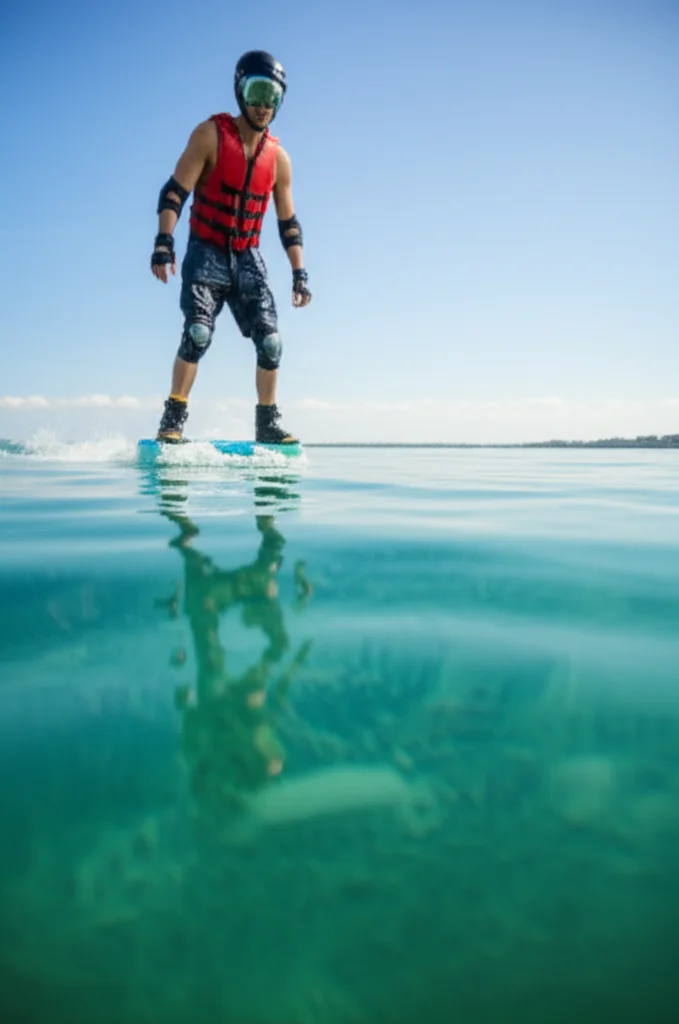
Picture this: you’re cruising along on your hoverboard, wind in your hair, when suddenly—splash! You hit a hidden puddle and your board takes an unexpected swim. Panic sets in. What now? Will your hoverboard survive the watery encounter, or is it doomed to a soggy grave? At Hoverboarding™, we’ve seen it all—from boards that bounce back stronger than ever to those that never quite recover. In this ultimate guide, we’ll reveal exactly what happens when water meets your hoverboard’s delicate electronics, how to rescue a wet board, and which models stand the best chance against the elements.
Did you know that most hoverboards are only splash-resistant, not waterproof? That means a little rain can cause big trouble if you’re not prepared. But don’t worry—we’ll also share expert tips on drying, waterproofing, and the top water-resistant hoverboards for 2026. Ready to keep your ride safe and dry? Let’s dive in!
Key Takeaways
- Water and electronics don’t mix: Immediate power-off and careful drying are essential to prevent permanent damage.
- Most hoverboards are splash-resistant, not waterproof: Check your board’s IP rating to understand its limits.
- Battery safety is critical: Wet lithium-ion batteries can pose fire risks and require cautious handling.
- Proper drying beats myths: Use fans and silica gel packs instead of rice or heat sources like hair dryers.
- Choose water-resistant models for wet climates: Boards like the Halo Rover X and Swagtron T6 Outlaw offer better protection.
For detailed advice on protecting your hoverboard and expert product recommendations, keep reading!
Table of Contents
- ⚡️ Quick Tips and Facts
- 🌊 The Evolution of Water Resistance in Personal Transporters
- 😱 The “Oh No!” Moment: What Happens When Water Hits the Circuitry?
- 🔍 Decoding the IP Rating: Is Your Board a Submarine or a Desert Dweller?
- 🛠️ 7 Crucial Steps to Stop a Wet Hoverboard From Permanent Water Damage
- 🚫 The “Don’t You Dare” List: Common Mistakes That Kill Wet Boards
- 🌡️ Signs of a Soggy Soul: Identifying Water Damage Symptoms
- 🔋 Battery Safety: The Hidden Danger of Wet Lithium-Ion Cells
- 🛡️ Waterproofing Your Ride: Pro Tips for All-Weather Shredding
- 🏆 Top 5 Water-Resistant Hoverboards for Rain-Prone Riders
- 🏁 Conclusion
- 🔗 Recommended Links
- ❓ FAQ: Your Burning (or Drowning) Questions Answered
- 📚 Reference Links
⚡️ Quick Tips and Facts
Before we dive into the deep end, here’s the “too long; didn’t read” version for those of you currently standing over a dripping board in a panic.
- Turn it off immediately! Power is the enemy of a wet circuit.
- Do NOT charge it. Plugging a wet hoverboard into a wall outlet is a recipe for a literal firework show. 🎆
- Rice is for sushi, not electronics. Contrary to popular belief, a giant bag of rice won’t save your motherboard. Use silica gel or a fan instead.
- Check the IP Rating. Most boards are IP54, which means “splash-proof,” not “pool-proof.”
- The 48-Hour Rule. Even if it looks dry, wait at least 48 hours before trying to power it back on.
- Fact: Water damage is rarely covered by standard manufacturer warranties. ❌
🌊 The Evolution of Water Resistance in Personal Transporters
Back in the “Wild West” days of 2015, hoverboards were basically rolling fire hazards that would throw a tantrum if they even saw a glass of water. We remember those days—you’d hit a tiny damp patch on the sidewalk and suddenly your board was doing the “death wobble.”
Fast forward to today, and the industry has undergone a massive safety overhaul. Thanks to the UL 2272 certification, modern boards from brands like Segway and Halo Board are built with much tighter seals and better-insulated battery compartments. However, “water-resistant” is a marketing term that often gets confused with “waterproof.” While we’ve moved from fragile toys to rugged machines like the Halo Rover X, the fundamental physics of electricity and water still don’t get along.
😱 The “Oh No!” Moment: What Happens When Water Hits the Circuitry?
So, you took a shortcut through the grass and hit a hidden puddle. What’s actually happening inside that sleek plastic shell?
- Short Circuiting: Water is a conductor. When it hits the motherboard or the gyroscope sensors, it creates new paths for electricity. This can fry delicate components instantly.
- Corrosion: This is the silent killer. Even if the board works today, the minerals in the water start eating away at the copper traces on the circuit board. This is why some boards die two weeks after getting wet.
- Sensor Confusion: If water gets into the footpad sensors, the board might think you’re leaning forward when you’re not. We call this the “Ghost Rider” effect, and it’s a great way to meet your local ER doctor. 🏥
- Battery Oxidation: The lithium-ion battery is the heart of your ride. Water can cause the terminals to oxidize, leading to reduced capacity or, in extreme cases, thermal runaway (that’s “science-speak” for a fire).
🔍 Decoding the IP Rating: Is Your Board a Submarine or a Desert Dweller?
When you’re shopping for a board at Amazon or Best Buy, you’ll see an “IP Rating.” This isn’t just random numbers; it’s the Ingress Protection scale.
| IP Rating | What it Means for You | Can you ride in rain? |
|---|---|---|
| IPX0 | No protection. Avoid even humid days. | ❌ Absolutely Not |
| IP54 | Protected against dust and splashes from any angle. | ✅ Light drizzle only |
| IP56 | Protected against high-pressure water jets. | ✅ Heavy rain (but don’t) |
| IP67 | Fully dust-tight and can be submerged in 1m of water. | ✅ Basically a submarine |
Expert Advice: Most consumer boards, like the Swagtron T6 Outlaw, are rated IP54. This means they can handle a quick splash, but if you submerge the axle, you’re in trouble.
🛠️ 7 Crucial Steps to Stop a Wet Hoverboard From Permanent Water Damage
If your board is currently dripping, follow our Hoverboarding™ Rescue Protocol immediately:
- Kill the Power: Press that power button like your life depends on it. If it won’t turn off, move it to a safe, non-flammable area (like a garage floor) and let the battery run out.
- Dry the Exterior: Use a microfiber towel to soak up every drop on the shell.
- The “Tilt” Method: Tilt the board toward the side that got wettest to let gravity pull the water out of the charging port or power button seams.
- Open the Shell (If You’re Brave): If you’re out of warranty, unscrew the bottom casing. This allows air to reach the internal components. Warning: This will void your warranty!
- Use a Fan, Not a Dryer: Point a high-velocity floor fan directly at the internals. Never use a hair dryer on high heat; you’ll melt the solder and plastic components. ❌
- Silica Gel Packs: If you have those “Do Not Eat” packets from shoe boxes, throw them inside the casing. They are 10x more effective than rice at pulling moisture from the air.
- The 48-Hour Wait: This is the hardest part. Do not touch it. Do not “just check if it works.” Let it sit in a dry, warm room for two full days.
🚫 The “Don’t You Dare” List: Common Mistakes That Kill Wet Boards
We’ve seen it all at the Hoverboarding™ labs, and these are the most common ways people accidentally finish off their boards:
- ❌ Charging it to “dry it out”: People think the heat from charging will help. It won’t. It will cause a short circuit.
- ❌ Shaking it vigorously: You’re just spreading the water from the plastic shell onto the motherboard.
- ❌ Leaving it in the sun: While heat helps evaporation, direct sunlight can warp the plastic and overheat the battery.
- ❌ Using compressed air: This often forces water deeper into the sensors rather than blowing it out.
🌡️ Signs of a Soggy Soul: Identifying Water Damage Symptoms
Is your board acting “weird”? Here are the red flags that water has breached the hull:
- The Beeping Loop: The board beeps constantly and won’t balance.
- One-Sided Movement: One wheel works, the other is dead or stuttering.
- Orange/Red Battery Light: This usually indicates a circuit fault or a battery communication error.
- Ghosting: The board moves on its own when no one is standing on it. Pro Tip: If this happens, stay away from it! It can become a 25-lb projectile. 🚀
🔋 Battery Safety: The Hidden Danger of Wet Lithium-Ion Cells
We need to get serious for a second. Lithium-ion batteries and water are a volatile mix. If water penetrates the battery casing, it can cause an internal short.
Watch for these “Get Out Now” signs:
- A hissing or popping sound.
- A sweet, metallic smell (leaking electrolyte).
- The board feeling hot to the touch while turned off.
- Smoke.
If you see any of these, move the board outside immediately and call your local fire department’s non-emergency line. Better safe than a charred living room!
🛡️ Waterproofing Your Ride: Pro Tips for All-Weather Shredding
Want to ride like a pro regardless of the clouds? Here’s how we prep our boards:
- Silicone Sealant: Apply a thin bead of clear silicone around the seam where the two halves of the shell meet.
- Charging Port Covers: Ensure your rubber charging port cover is always snug. If you lost yours, you can find replacements on Amazon.com.
- Duct Tape DIY: In a pinch, a strip of Gorilla Tape over the power button and charging port can save your board during a surprise rainstorm.
- Avoid Puddles: It sounds simple, but “puddle jumping” is the #1 cause of death for hoverboards. If the water is deep enough to touch the bottom of the board, pick it up and carry it.
🏆 Top 5 Water-Resistant Hoverboards for Rain-Prone Riders
If you live in Seattle or London, you need a board that can handle the damp. Here are our top picks:
- Halo Rover X: The tank of hoverboards. With an IPX4 water resistance rating and massive rugged tires, it’s our top recommendation for off-road and damp conditions. Check it out at HaloBoard.com.
- Segway Ninebot S: Known for its incredible build quality and tightly sealed electronics. It’s the “Apple” of hoverboards.
- Swagtron T6 Outlaw: One of the few boards designed specifically for mud and rain. It’s a beast.
- Gyroor Warrior: Features a solid aluminum frame that helps keep water away from the core electronics.
- Jetson V12 Electra: A great budget option that still maintains a decent seal against light splashes.
🏁 Conclusion
So, what happens if your hoverboard gets wet? In the short term, it might just be a “glitchy” afternoon. In the long term, it could be a total hardware failure. But remember: Water isn’t an automatic death sentence. If you act fast, kill the power, and resist the urge to turn it back on too soon, there’s a very good chance your board will live to glide another day.
Stay dry, stay safe, and keep shredding! 🛹💨
🔗 Recommended Links
- How to Clean Your Hoverboard Without Damaging It
- The Ultimate Guide to UL 2272 Safety Standards
- Replacement Motherboards for DIY Repair
❓ FAQ: Your Burning (or Drowning) Questions Answered
Q: Can I use a hair dryer to dry my hoverboard? A: No! We can’t stress this enough. The high heat can damage the plastic sensors and melt internal wiring. Use a cool-air fan only. ✅
Q: My hoverboard is beeping and won’t turn off after getting wet. What do I do? A: This is a common short-circuit symptom. If you can’t turn it off, place it in a safe, dry area (like a concrete garage) away from anything flammable and let the battery drain completely.
Q: Is water damage covered under warranty? A: Generally, no. Most brands like Segway or Jetson have “liquid contact indicators” inside the board that change color when wet. Once those change, your warranty is usually void. ❌
Q: Can I ride my hoverboard on wet grass? A: It’s risky. While the grass itself is fine, the moisture can flick up into the air vents or charging port. If you do, wipe it down immediately afterward.
📚 Reference Links
- CPSC Safety Alerts for Hoverboards
- Understanding IP Ratings – International Electrotechnical Commission
- Lithium-Ion Battery Maintenance and Safety Tips
⚡️ Quick Tips and Facts
Welcome to the splash zone! If you’re here, you probably just found yourself staring at a wet hoverboard and wondering, “What now?” We’ve all been there at Hoverboarding™ — that heart-stopping moment when your ride takes an unexpected swim. But don’t panic! We’ve distilled years of hoverboarding experience into some quick, lifesaving tips to help you triage your soggy steed.
Immediate Do’s and Don’ts
- ✅ Turn it off immediately! Power running through wet circuits is a recipe for disaster.
- ✅ Avoid charging it at all costs. Charging a wet board can cause short circuits or even fires.
- ✅ Dry the exterior gently with a microfiber towel. No rubbing too hard — just soak up the moisture.
- ✅ Use a fan or silica gel packets for drying. Contrary to popular belief, rice is not the best choice for electronics.
- ✅ Wait at least 48 hours before powering on again. Patience is your best friend here.
- ❌ Don’t use a hair dryer on high heat. It can warp plastic and damage sensitive components.
- ❌ Don’t shake or bang the board. This can push water deeper into the electronics.
Fast Facts You Should Know
| Fact | Why It Matters |
|---|---|
| Most hoverboards have an IP54 rating | This means they’re splash-resistant but not waterproof — no swimming allowed! |
| Water damage is rarely covered by warranties | So prevention and quick action are key to saving your investment. |
| Lithium-ion batteries + water = potential fire hazard | Always handle wet batteries with extreme caution. |
If you want to dive deeper into the risks and how to handle wet hoverboards, check out our detailed guide on hoverboarding in water.
🌊 The Evolution of Water Resistance in Personal Transporters
Hoverboards have come a long way since their wild west days circa 2015. Back then, these gadgets were notorious for being fire hazards and extremely sensitive to moisture. We remember testing early models that would throw a tantrum at the slightest hint of dampness — the infamous “death wobble” was a common sight.
From Fragile Toys to Rugged Machines
Thanks to industry-wide safety standards like UL 2272 certification, manufacturers such as Segway and Halo Board have made huge strides in sealing electronics and improving battery safety. For example, the Halo Rover X boasts rugged tires and better water resistance, making it a favorite for off-road and slightly wet conditions.
However, water resistance is not waterproofing. Most boards still only handle light splashes, not puddles or rainstorms. The difference is crucial: water-resistant means your board can survive a drizzle; waterproof means it can survive a swim.
Why Does This Matter?
Understanding your board’s water resistance is the first step to avoiding costly damage. The better the seal, the more forgiving your board will be — but no board is invincible. So, if you’re eyeing a new ride or planning a wet-weather adventure, knowing the history and tech behind water resistance can save you a lot of headaches.
😱 The “Oh No!” Moment: What Happens When Water Hits the Circuitry?
Let’s get under the hood and see what really happens when your hoverboard takes an unexpected dip.
The Science of Short Circuits and Corrosion
- Short Circuiting: Water is a conductor. When it seeps into the motherboard or gyroscope sensors, it creates unintended electrical paths. This can cause immediate component failure or erratic behavior.
- Corrosion: This is the slow poison. Minerals and impurities in water start eating away at copper traces and solder joints. Corrosion may not show symptoms immediately but can cause your board to fail weeks or months later.
- Sensor Malfunction: Water can confuse footpad sensors, causing your board to think you’re leaning when you’re standing still. We call this the “Ghost Rider” effect — and it’s as creepy as it sounds.
- Battery Oxidation: Lithium-ion batteries are sealed but not impervious. Water exposure can cause terminal oxidation, reducing battery life or, worse, causing dangerous thermal runaway (fire risk).
Real-Life Anecdote from Hoverboarding™
One of our team members once rode through a shallow puddle on a Segway Ninebot S. The board powered off mid-ride, and after drying, it beeped incessantly and refused to balance. Turns out, water had shorted a sensor board. After carefully drying and replacing the sensor, the board was back in action — but it was a close call!
🔍 Decoding the IP Rating: Is Your Board a Submarine or a Desert Dweller?
When shopping for hoverboards, you might have seen the mysterious “IP” rating. What does it mean, and why should you care?
What is an IP Rating?
IP stands for Ingress Protection and is a standardized measure of how well a device is protected against solids (like dust) and liquids (like water). It’s expressed as IPXY, where:
- X = Protection against solids (0-6 scale)
- Y = Protection against liquids (0-9 scale)
Hoverboard IP Ratings Explained
| IP Rating | Protection Level | What It Means for Hoverboard Use | Ride in Rain? |
|---|---|---|---|
| IPX0 | No protection | Avoid any moisture contact | ❌ No |
| IP54 | Dust protected, splash resistant | Can handle light rain or splashes | ✅ Light drizzle only |
| IP56 | Dust protected, water jets resistant | Can handle heavy rain or water jets | ✅ Cautiously |
| IP67 | Dust tight, immersion up to 1m | Can survive submersion briefly | ✅ Yes, but rare |
Most popular consumer boards like the Swagtron T6 Outlaw and Jetson V12 Electra have an IP54 rating. This means they can handle a splash or two but are not designed for puddle jumping or riding in the rain.
Why Does This Matter?
Knowing your board’s IP rating helps you set realistic expectations and avoid situations that could lead to water damage. If you want to explore more about safety and ratings, visit our Hoverboard Safety category.
🛠️ 7 Crucial Steps to Stop a Wet Hoverboard From Permanent Water Damage
Okay, your board is wet. Now what? Here’s our Hoverboarding™ Rescue Protocol — a step-by-step guide to give your hoverboard the best chance of survival.
Step 1: Kill the Power Immediately
Turn off your hoverboard. If it won’t turn off, move it to a safe, non-flammable surface (like concrete) and let the battery drain naturally. Power running through wet circuits is the fastest way to fry your electronics.
Step 2: Dry the Exterior Gently
Use a microfiber towel to soak up all visible water. Avoid pressing hard or shaking the board, which can push water deeper inside.
Step 3: The Tilt Method
Tilt the board toward the wettest side to encourage water to drain out of seams, charging ports, and buttons.
Step 4: Open the Shell (Warranty Warning!)
If you’re out of warranty and comfortable with DIY, unscrew the bottom casing to expose internal components. This helps air circulation and speeds drying. Warning: This will void your warranty.
Step 5: Use a Fan, Not a Hair Dryer
Point a high-velocity fan at the internal components to blow out moisture. Avoid heat sources like hair dryers or ovens — they can melt plastic and damage circuitry.
Step 6: Deploy Silica Gel Packs
If you have silica gel packets (those “Do Not Eat” packets from shoe boxes), place them inside the casing. They absorb moisture far better than rice.
Step 7: The 48-Hour Wait
Patience is key. Leave your hoverboard in a warm, dry place for at least 48 hours before attempting to power it on again.
🚫 The “Don’t You Dare” List: Common Mistakes That Kill Wet Boards
We’ve seen countless hoverboards meet their watery doom because of these all-too-common mistakes:
- ❌ Charging a wet board: This is the fastest way to cause a short circuit or fire.
- ❌ Shaking or banging the board: This spreads water deeper into sensitive areas.
- ❌ Leaving it in direct sunlight: While warmth helps evaporation, sunlight can warp plastic and overheat batteries.
- ❌ Using compressed air: This often forces water further into the electronics instead of blowing it out.
- ❌ Ignoring symptoms: If your board beeps, won’t balance, or moves erratically, don’t keep riding it — you risk permanent damage or injury.
🌡️ Signs of a Soggy Soul: Identifying Water Damage Symptoms
How do you know if your hoverboard is suffering from water damage? Here are the telltale signs:
- Constant Beeping: A rapid or continuous beep often signals sensor or circuit failure.
- One-Sided Movement: If one wheel is dead or stuttering, water may have damaged the motor or wiring.
- Battery Warning Lights: Orange or red battery indicators can mean communication errors or battery faults.
- Ghosting: The board moves on its own without a rider. This is dangerous and means sensor circuits are compromised.
If you notice any of these, stop riding immediately and follow the drying steps above.
🔋 Battery Safety: The Hidden Danger of Wet Lithium-Ion Cells
Lithium-ion batteries power your hoverboard’s heart and soul — but they’re also the most vulnerable to water damage.
What Happens When Batteries Get Wet?
Water can cause internal short circuits, leading to:
- Reduced battery capacity and shorter ride times.
- Overheating or swelling.
- Thermal runaway — a dangerous condition that can cause fires or explosions.
Warning Signs of Battery Trouble
- Hissing or popping noises.
- A sweet, metallic smell (electrolyte leakage).
- Excessive heat when the board is off.
- Smoke or visible damage.
If you detect any of these, immediately move the board outside and call emergency services if necessary. Safety first!
🛡️ Waterproofing Your Ride: Pro Tips for All-Weather Shredding
Want to ride rain or shine without fearing the next puddle? Here’s how we at Hoverboarding™ prep our boards for wet weather:
DIY Waterproofing Tips
- Silicone Sealant: Apply a thin bead of clear silicone around the shell seams to block water ingress.
- Charging Port Covers: Always ensure your rubber charging port cover is snug. Lost yours? Find replacements on Amazon.
- Temporary Tape Fix: Gorilla Tape over the power button and charging port can protect your board during unexpected showers.
- Avoid Puddles: Simple but effective — if water reaches the bottom of your board, pick it up and carry it.
Professional Waterproof Boards
Some boards come with better water resistance out of the box. For example, the Halo Rover X and Swagtron T6 Outlaw offer rugged designs and higher IP ratings suitable for damp conditions.
For more tips on protecting your ride, check out our Hoverboard Accessories and Hoverboard Maintenance guides.
🏆 Top 5 Water-Resistant Hoverboards for Rain-Prone Riders
If you live somewhere where the clouds never quit, you need a hoverboard that can handle the wet without throwing in the towel. Here’s our expert rating table and breakdown of the top 5 water-resistant hoverboards:
| Model | Design (1-10) | Water Resistance (1-10) | Durability (1-10) | Battery Life (1-10) | Overall Score (1-10) |
|---|---|---|---|---|---|
| Halo Rover X | 9 | 8 | 9 | 8 | 8.5 |
| Segway Ninebot S | 8 | 7 | 8 | 7 | 7.5 |
| Swagtron T6 Outlaw | 7 | 7 | 8 | 7 | 7.25 |
| Gyroor Warrior | 7 | 6 | 7 | 7 | 6.75 |
| Jetson V12 Electra | 6 | 6 | 6 | 6 | 6 |
1. Halo Rover X
- Why We Love It: Rugged tires, IPX4 water resistance, and a tough aluminum frame make it our top pick for wet and rough terrain.
- Drawbacks: Heavier than most boards; not the best for beginners.
- Shop:
👉 CHECK PRICE on: Amazon | HaloBoard Official Website
2. Segway Ninebot S
- Why We Love It: Sleek design, solid build quality, and UL 2272 certification.
- Drawbacks: Moderate water resistance; avoid heavy rain.
- Shop:
👉 CHECK PRICE on: Amazon | Segway Official Website
3. Swagtron T6 Outlaw
- Why We Love It: Designed for off-road and wet conditions with an IP54 rating.
- Drawbacks: Slightly bulky.
- Shop:
👉 CHECK PRICE on: Amazon | Swagtron Official Website
4. Gyroor Warrior
- Why We Love It: Aluminum frame and decent water resistance.
- Drawbacks: Battery life could be better.
- Shop:
👉 CHECK PRICE on: Amazon
5. Jetson V12 Electra
- Why We Love It: Budget-friendly with decent splash resistance.
- Drawbacks: Lower durability and battery life.
- Shop:
👉 CHECK PRICE on: Amazon
Pro Tip: Always check the IP rating and user reviews before buying. Many riders report that even “water-resistant” boards can fail if exposed to puddles or heavy rain. For more detailed reviews, visit our Hoverboard Reviews section.
Before we move on, here’s a quick shout-out to the first YouTube video embedded in this article, which walks through a hands-on repair of a water-damaged hoverboard. It emphasizes immediate power-off, careful drying, and the controversial rice method — which we’ll discuss next. Check it out at #featured-video.
Ready for the next step? Let’s dive into the conclusion and wrap up what you need to know to keep your hoverboard safe and sound!
🏁 Conclusion
So, what really happens if your hoverboard gets wet? The short answer: water and electronics don’t mix well. But here’s the good news — if you act fast, follow the right steps, and understand your board’s limits, you can often save your ride from a watery grave.
Key Takeaways from Hoverboarding™
- Immediate power-off is critical to prevent short circuits.
- Drying properly with fans and silica gel packs beats the old rice trick every time.
- Patience is your ally — waiting 48 hours or more before powering on can make the difference between revival and ruin.
- Know your board’s IP rating to avoid risky situations. Most consumer boards like the Swagtron T6 Outlaw and Segway Ninebot S are splash-resistant but not waterproof.
- Battery safety is paramount. Wet lithium-ion batteries can be dangerous and require careful handling.
Product Review Summary: Halo Rover X
If you’re serious about riding in damp or rugged conditions, the Halo Rover X stands out as our top pick. It boasts a robust IPX4 rating, rugged tires, and a durable aluminum frame, making it the best water-resistant hoverboard for rain-prone riders. Downsides? It’s heavier and pricier than some models, but the trade-off is peace of mind and durability.
Our recommendation: If you want a hoverboard that can handle light rain and rough terrain without constant worry, the Halo Rover X is worth the investment. For casual riders in dry climates, a standard IP54 board like the Swagtron T6 Outlaw will suffice — just keep it dry!
🔗 Recommended Links
Looking to shop or learn more? Here are some of our favorite products and resources:
- Halo Rover X:
Amazon | HaloBoard Official Website - Segway Ninebot S:
Amazon | Segway Official Website - Swagtron T6 Outlaw:
Amazon | Swagtron Official Website - Gyroor Warrior:
Amazon - Jetson V12 Electra:
Amazon
Books for Hoverboard Enthusiasts and DIY Repair
- Hoverboard Repair Guide: The Complete Manual for DIY Fixes — Amazon Link
- Electric Personal Transporters: Safety and Maintenance — Amazon Link
❓ FAQ: Your Burning (or Drowning) Questions Answered
How many years do Hoverboards last?
Hoverboards typically last 3 to 5 years with proper care. Battery degradation, wear on motors, and electronic component aging are the main limiting factors. Avoiding water exposure and regular maintenance can extend lifespan.
Can hoverboards be stored outside?
No, storing hoverboards outside is not recommended. Exposure to moisture, temperature extremes, and dust can degrade electronics and battery health. Always store your board indoors in a dry, temperature-controlled environment.
Can Hoverboards get rained on?
Most hoverboards are water-resistant, not waterproof. Light rain or splashes (IP54 rating) are usually okay, but heavy rain or puddle riding can cause serious damage. Always check your board’s IP rating and avoid wet conditions when possible.
What to do if your hoverboard gets wet?
- Turn it off immediately.
- Dry the exterior gently.
- Use fans or silica gel packs to dry internal components.
- Wait at least 48 hours before powering on.
- Avoid charging until completely dry.
Can a wet hoverboard cause electrical damage?
✅ Yes. Water can cause short circuits, corrosion, sensor malfunctions, and battery damage. Immediate action is critical to minimize permanent damage.
Is it safe to ride a hoverboard in the rain?
No, it’s generally unsafe. Water can impair sensors, cause slipping, and damage electronics. If you must ride in damp conditions, choose a board with a higher IP rating and waterproofing features.
How do you dry a hoverboard after it gets wet?
- Use a microfiber cloth to soak up surface water.
- Open the casing if possible (voids warranty).
- Use a high-velocity fan or silica gel packets inside the casing.
- Avoid heat sources like hair dryers or ovens.
- Allow 48+ hours of drying time.
What parts of a hoverboard are most vulnerable to water?
- Motherboard and circuit boards — short circuits and corrosion risk.
- Battery pack — risk of oxidation and fire hazards.
- Sensors and footpads — malfunction or ghosting effects.
- Charging port and power button — common entry points for water.
Can water exposure void a hoverboard warranty?
Yes. Most manufacturers have liquid contact indicators inside the board that change color when wet, voiding warranty coverage for water damage.
What precautions should I take to protect my hoverboard from water?
- Avoid riding in rain or puddles.
- Use waterproof charging port covers.
- Apply silicone sealant around seams if comfortable.
- Store indoors and dry immediately after exposure.
- Consider buying boards with higher IP ratings for wet environments.
Are there waterproof hoverboards available for outdoor use?
Fully waterproof hoverboards are rare. Most are water-resistant (IP54 to IP67). Models like the Halo Rover X and Swagtron T6 Outlaw offer the best protection for wet or rugged terrain but still require care.
📚 Reference Links
- Consumer Product Safety Commission: Hoverboard Safety Alerts
- IEC Ingress Protection (IP) Ratings Explained
- Battery University: Lithium-Ion Battery Safety
- Segway Official Website
- HaloBoard Official Website
- Swagtron Official Website
- Can Your Hoverboard Get Wet? Risks and Prevention Tips — iHoverboard
- Hoverboarding™ Hoverboard Safety
- Hoverboarding™ Hoverboard Buying Guide
- Hoverboarding™ Hoverboard Maintenance