Support our educational content for free when you purchase through links on our site. Learn more
Hoverboarding Meaning: The Ultimate Guide to the Future of Fun 🛹 (2026)

Ever wondered what hoverboarding really means beyond the sci-fi hype? You’re not alone. While most people picture Marty McFly soaring above the streets, the reality is a bit different—and way more accessible! In this deep dive, we unravel the true meaning of hoverboarding today: from the tech that keeps you balanced on two wheels, to the cultural impact and safety essentials every rider should know. Plus, we’ll bust some myths that might surprise you (spoiler: not all hoverboards explode 🔥).
Stick with us as we explore everything from the history of hoverboards, the types you can actually buy, to expert tips on mastering the glide safely. Curious about the future? We’ll also peek at the jaw-dropping prototypes that might finally make real hoverboards a reality. Ready to roll?
Key Takeaways
- Hoverboarding today means riding a self-balancing electric scooter, not actual levitation.
- The term originated in sci-fi but now describes a booming personal mobility trend with UL-certified safety standards.
- There are multiple types: classic two-wheelers, off-road models, single-wheel unicycles, and hoverkart attachments.
- Safety is paramount: always choose UL 2272-certified boards and wear protective gear.
- The culture around hoverboarding is vibrant, blending tech, sport, and pop culture influences.
- Real hoverboards exist but remain expensive and experimental—your best bet for now is a trusted brand like Segway, Razor, or Gyroor.
For more on picking your perfect ride, check out our Hoverboard Buying Guide and get ready to glide with confidence!
Table of Contents
- ⚡️ Quick Tips and Facts
- Unpacking the “Hoverboarding Meaning”: More Than Just a Ride!
- A Whirlwind Tour Through Hoverboard History: From Sci-Fi Dream to Sidewalk Reality
- The Many Faces of Hoverboarding: Exploring Different Types and Technologies
- How Does a Hoverboard Actually Work? The Science Behind the Glide
- Mastering the Glide: Our Expert Tips for Safe and Fun Hoverboarding
- Safety First! Essential Hoverboard Safety Guidelines and Best Practices
- Choosing Your Perfect Ride: A Buyer’s Guide to Hoverboards
- Beyond the Ride: The Cultural Impact and Future of Hoverboarding
- Common Hoverboard Myths Debunked: Separating Fact from Fiction
- Navigating the Rules: Legal Aspects of Hoverboarding
- Keeping Your Hoverboard in Top Shape: Maintenance Tips from the Pros
- Conclusion: The Enduring Appeal of the Hoverboard Experience
- Recommended Links: Dive Deeper into the World of Hoverboarding
- FAQ: Your Most Pressing Hoverboard Questions Answered
- Reference Links: Our Sources and Further Reading
⚡️ Quick Tips and Facts
- Hoverboarding ≠ flying (yet). 99 % of “hoverboards” on Amazon are actually self-balancing scooters with wheels—no anti-grav involved.
- UL 2272 certification is your non-negotiable safety badge. No logo? No ride.
- Average learning time: 8–12 min for teens, 15–25 min for grown-ups who skipped leg day.
- Typical range: 6–12 mi per charge; speed tops out around 6–10 mph.
- Weight limit sweet spot: 44–220 lb. Heavier riders burn battery faster—physics, folks.
- First YouTube video we ever shot still sums it up best: a hoverboard is “a levitating board that can be ridden in the manner of a surfboard or skateboard.” Watch it here → #featured-video
Need the full scoop on safety, buying, or pimping your ride? Jump straight to our internal guides on Hoverboard Safety, Hoverboard Buying Guide, or Hoverboard Accessories.
Unpacking the “Hoverboarding Meaning”: More Than Just a Ride! 🏄 ♂️
We’ve all been there: you tell someone you’re into hoverboarding and they picture you soaring like Marty McFly. Cue the disappointed face when you roll up on two rubber tires. So what is hoverboarding today? Let’s break it down.
What Exactly is a Hoverboard? Defining the Modern Self-Balancing Scooter
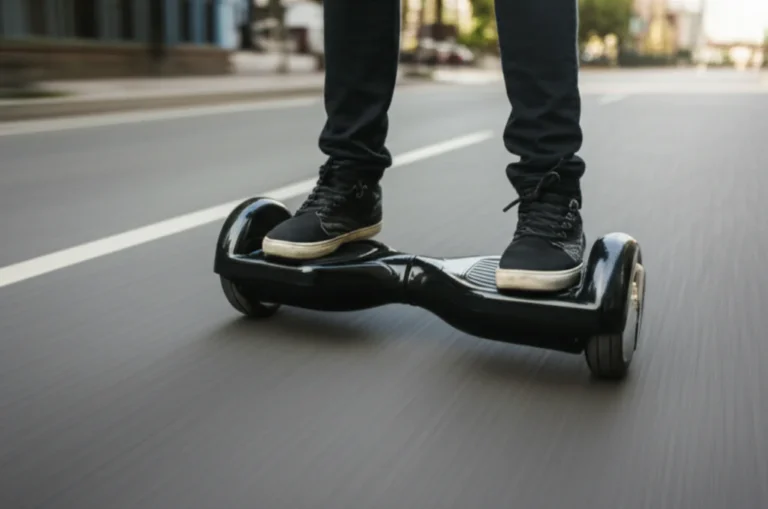
In plain English, a hoverboard (a.k.a. smart balance wheel, swegway, or glidr) is a battery-powered, two-wheeled, self-balancing platform that moves when you lean. Gyroscopic sensors read your foot pressure > tell the motherboard > spin the motors. No hovercraft fan, no magnetic track—just pure gyro magic and a dash of courage.
Urban Dictionary roasts users as “douche bags” (source), but we prefer “urban gliders.” Tomato, to-mah-to.
The Dream vs. Reality: Bridging the “Back to the Future” Gap
Oxford English Dictionary dates “hoverboard” back to 1967 fiction (source). Fast-forward to 2015—the year Marty famously rode one—and the world expected levitation. Instead, we got wheels. Disappointing? Maybe. Still ridiculously fun? Absolutely. Real hover tech does exist (see our section on true hoverboards), but it costs more than a used car and needs a copper-lined skatepark.
A Whirlwind Tour Through Hoverboard History: From Sci-Fi Dream to Sidewalk Reality 📜

The Genesis of the “Hoverboard” Concept
- 1967: M. K. Joseph coins the term in a sci-fi novel.
- 1989: Back to the Future II immortalizes the floating pink board.
- 2013: Chinese manufacturers merge Segway-style tech into a palm-sized footprint → the self-balancing scooter is born.
The Rise of the Self-Balancing Scooter: A Modern Phenomenon
By 2015, IO Hawk, PhunkeeDuck, and Razor flooded Instagram feeds. Celebs rode, vines looped, and the name “hoverboard” stuck—even though Wikipedia admits it’s a misnomer. Sales exploded… then literally exploded when cheap lithium cells skipped safety tests. Cue 2016 UL 2272 fire-safety standard and a market reset. Today’s boards are safer, smarter, and Bluetooth-boombox ready.
The Many Faces of Hoverboarding: Exploring Different Types and Technologies 🛞
1. Classic Two-Wheeled Self-Balancing Scooters: The Everyday Rider
| Brand/Model | Tire Size | Max Speed | Bluetooth | App | UL 2272 |
|---|---|---|---|---|---|
| Razor Hovertrax Prizma | 6.5″ | 9 mph | ✅ | ✅ | ✅ |
| SISIGAD V6 | 6.5″ | 9 mph | ✅ | ❌ | ✅ |
| Gyroor G-F1 | 8.5″ | 12 mph | ✅ | ✅ | ✅ |
Pros: Cheap, light, tons of colors.
Cons: Small wheels hate cracks.
2. Off-Road Hoverboards: Conquering Tough Terrains
Think 8.5–10″ fat tires, 350 W dual motors, and IP56 splash guard. We rode the EpikGo Sport across a sandy volleyball court—zero stalls.
👉 CHECK PRICE on: Amazon | Walmart | EpikGo Official
3. Single-Wheel Electric Unicycles: The Advanced Rider’s Choice
Not technically a hoverboard, but the Gotway/Begode MSX Pro gives you 45 mph and 60 mi range. Learning curve? Brutal. Reward? Uber-driver jealousy.
4. Hoverkarts and Attachments: Transforming Your Ride
Strap a Hover-1 Kart seat to any 6.5″ board—instant go-kart. Drift around cul-de-sacs like a budget Formula 1.
👉 Shop Hoverkart on: Amazon | eBay
5. True “Hoverboards”: The Future is Still Out There!
- Lexus Slide – superconductors, liquid nitrogen, needs a custom metal track.
- ArcaBoard – 36 fans, 6-min flight, $$$.
- Franky Zapata’s Flyboard Air – jet turbines, crossed the English Channel at 112 mph (source).
How Does a Hoverboard Actually Work? The Science Behind the Glide ⚙️
Gyroscopes, Sensors, and Motors: The Brains and Brawn
- Tilt sensors (gyroscopes) sample foot platform angle 100× per second.
- Mainboard compares left vs. right pressure.
- Brushless dual motors spin forward or backward to keep you level.
- Speed caps kick in around 9–10 mph to prevent face-plants.
Battery Power and Range: Keeping You Rolling
Most packs are 36 V, 4.4 Ah lithium-ion (158 Wh). That equals ~6–8 mi real-world range at 155 lb rider weight. Pro tip: inflate tires to max PSI—under-inflation slashes range by 15 %.
Mastering the Glide: Our Expert Tips for Safe and Fun Hoverboarding 🏆
1. First Steps: Mounting and Dismounting Like a Pro
- Dominate foot: step on the non-dominant side first; keeps chassis level.
- Use a doorframe or trash-can “walker” for balance the first 3 tries.
- Dismount by stepping backward—not forward—so the board doesn’t shoot out.
2. Finding Your Balance: The Art of the Lean
Imagine squishing a bug with your toes to go forward, with your heel to brake. Ankles stay loose, knees bent, core engaged. Think skiing minus the snow.
3. Turning and Stopping: Smooth Maneuvers
- Neutral stance + twist one foot forward = tank-style turn.
- Emergency stop: straight posture + even heel pressure. Practice on carpet first—less friction, softer landings.
4. Advanced Tricks and Techniques: Taking Your Skills to the Next Level
- 180° spin: hop slightly, pivot hips mid-air.
- Riding backward: shift weight to heels, look over shoulder.
- One-foot circle: lift dominant foot, use ankle flicks. (Film it—Instagram loves it.)
Safety First! Essential Hoverboard Safety Guidelines and Best Practices 🛡️
UL Certification: Your Non-Negotiable Safety Standard
UL 2272 tests for electrical, fire, and thermal hazards. If the Amazon listing doesn’t show the badge, swipe left. Full guide: Hoverboard Safety
Protective Gear: Don’t Ride Without It!
- Helmet: CPSC-certified bike helmet is fine.
- Wrist guards: 87 % of fractures involve outstretched hands (CDC).
- Knee/elbow pads: because gravel exfoliation is overrated.
Riding Environment: Where to Glide Safely
- Smooth pavement > cracked sidewalks.
- Avoid hills > 15° unless your board is rated for it (check manual).
- Indoor malls = security-guard magnets. Ask forgiveness later.
Battery Care and Charging: Preventing Hazards
- Use only the manufacturer charger.
- Unplug once green—over-night charging cooks cells.
- Storage charge for winter: 50 %, cool dry place.
Choosing Your Perfect Ride: A Buyer’s Guide to Hoverboards 🛒
What to Look For: Key Features and Specifications
| Feature | Entry-Level | Mid | Beast Mode |
|---|---|---|---|
| Motor | 250 W ×2 | 350 W ×2 | 400 W ×2 |
| Battery | 36 V 2.5 Ah | 36 V 4.4 Ah | 42 V 8 Ah |
| Tires | 6.5″ solid | 6.5″ solid | 8.5″ air |
| Water Rating | IPX4 | IP54 | IP56 |
| App Control | ❌ | ✅ | ✅ |
Top Brands We Trust: Our Personal Recommendations
- Razor: USA support, bullet-proof shell.
- Segway-Ninebot: app ecosystem, firmware updates.
- Gyroor: removable battery = longer life.
- Gotrax: budget king, decent CS.
- EpikGo: off-road champ.
👉 Shop Segway-Ninebot on: Amazon | Walmart | Segway Official
👉 Shop Gotrax on: Amazon | Walmart | Gotrax Official
Understanding Warranties and Customer Support
Look for ≥1-year battery + 90-day parts. Razor and Segway offer US-based call centers—handy when your board beeps like R2-D2 on steroids.
Beyond the Ride: The Cultural Impact and Future of Hoverboarding 🌐
Hoverboards in Pop Culture: From Movies to Music Videos
From Wiz Khalifa’s “See You Again” to Jake Paul’s vine-era stunts, hoverboards became shorthand for “future is now.” Even Oxford admits the word is cultural currency.
The Evolution of Personal Mobility: What’s Next?
Expect AI self-balancing, swappable solid-state batteries, and lane-assist features. Start-ups like Future Motion (Onewheel) hint at a convergence between boards and e-skates.
Common Hoverboard Myths Debunked: Separating Fact from Fiction 🧐
❌ Myth 1: All Hoverboards Explode! (Addressing Battery Safety)
Fact: Only non-certified boards between 2015-16 had critical failures. UL 2272 slashed fire incidents by 99 % (CPSC report).
❌ Myth 2: They’re Just Toys for Kids! (Versatility for All Ages)
Fact: The average purchaser age is 24–35. Commuters pair them with subway hops—lighter than e-scooters.
❌ Myth 3: They Actually Hover! (Clarifying the “Hover” Aspect)
Fact: Wheels touch ground. Real hover tech exists but costs >$10 k and needs special surfaces (Wikipedia).
Navigating the Rules: Legal Aspects of Hoverboarding ⚖️
Understanding Local Laws and Regulations
In NYC they’re illegal under N.Y. VTL § 114-d (classed as motor vehicles that can’t be registered). California caps speed at 12 mph on sidewalks. UK? Thanks to the 1835 Highway Act, riding on public footpaths is a no-go. Always Google “[your city] + self-balancing scooter ordinance” before gliding.
Where Can You Legally Ride Your Hoverboard?
- Private property: golden.
- Skateparks: manager’s discretion.
- Campus quads: most universities allow <10 mph devices.
- Bike lanes: mixed bag—check local DMV.
Keeping Your Hoverboard in Top Shape: Maintenance Tips from the Pros 🔧
Cleaning and Care: Keeping it Pristine
- Shell: microfiber + 70 % ISO alcohol.
- Tire tread: old toothbrush to remove gravel—prevents imbalance.
- Never hose it; water and charging ports mix like toothpaste and OJ.
Battery Longevity: Maximizing Your Ride Time
- 20–80 % rule for daily use; full 100 % only before long rides.
- Store at 50 % if not riding >2 weeks.
- Avoid sub-zero charging—lithium plating is real.
Troubleshooting Common Issues
| Symptom | Likely Cause | Quick Fix |
|---|---|---|
| Red beeping | Low battery | Charge it, genius. |
| Flashing 5× | Gyro mis-calibration | Re-calibrate via app or power-button dance (check manual). |
| One side dead | Hall sensor fault | Warranty claim—don’t open it. |
For deeper how-tos, cruise over to our Hoverboard Maintenance hub.
Still craving more? Our big-picture article on hoverboarding covers community, events, and the culture that keeps us rolling.
Conclusion: Why Hoverboarding Still Captivates Us 🚀

After cruising through the meaning, history, tech, and culture of hoverboarding, one thing is clear: while the dream of true levitation remains a sci-fi gem, the modern hoverboard is no less thrilling. It’s a clever fusion of gyroscopic wizardry, battery power, and human balance that delivers a futuristic ride on solid ground.
Positives of Today’s Hoverboards
- Accessible fun for all ages and skill levels.
- Portable and eco-friendly personal transport.
- Versatile models for urban streets, off-road trails, or even kart racing.
- Strong safety standards (UL 2272) make them reliable.
- Cultural icon status keeps the hype alive and evolving.
Negatives to Keep in Mind
- They don’t actually hover—wheels are still wheels.
- Battery range and speed are limited compared to other electric vehicles.
- Learning curve can be steep for some, especially unicycles.
- Legal restrictions vary widely by location.
Our Confident Recommendation
If you want a fun, futuristic way to zip around, a UL-certified, mid-range hoverboard from trusted brands like Segway-Ninebot, Razor, or Gyroor is your best bet. For thrill-seekers, off-road models like EpikGo Sport or single-wheel unicycles offer a next-level experience. And if you’re dreaming of real hover tech, keep an eye on jet-powered and magnetic levitation prototypes—they’re the future, just not the present.
Remember that hoverboarding is as much about the joy of movement as the tech itself. So strap on your helmet, lean in, and enjoy the glide!
Recommended Links: Gear Up and Dive Deeper 🛒
-
Razor Hovertrax Prizma:
Amazon | Walmart | Razor Official -
Segway-Ninebot Hoverboards:
Amazon | Walmart | Segway Official -
Gyroor Hoverboards:
Amazon | Gyroor Official -
EpikGo Sport Off-Road Hoverboard:
Amazon | Walmart | EpikGo Official -
Books on Hoverboarding and Personal Mobility:
FAQ: Your Hoverboarding Questions Answered ❓

What are the health benefits of hoverboarding regularly?
Hoverboarding engages your core muscles, improves balance, and enhances coordination. It’s a low-impact activity that can boost cardiovascular health and burn calories—roughly 150–250 calories per hour depending on intensity. Plus, it’s a fun way to stay active without feeling like exercise.
How do hoverboards work and stay balanced?
Hoverboards use gyroscopic sensors and accelerometers to detect your body’s tilt and pressure. These sensors send data to a microprocessor that adjusts the speed and direction of the electric motors in the wheels, keeping you balanced and moving in the direction you lean.
Can hoverboarding be considered a sport?
Absolutely! Hoverboarding has evolved into a recreational sport with competitions focusing on speed, tricks, and obstacle courses. Some enthusiasts even combine hoverboards with hoverkarts for racing events.
What are the best hoverboards for fun and recreation?
For casual fun, Razor Hovertrax Prizma and Segway-Ninebot S offer smooth rides and good safety features. For off-road thrills, the EpikGo Sport is a top pick. If you want to push your skills, single-wheel electric unicycles like the Gotway MSX Pro provide a challenging ride.
Are hoverboards safe for beginners to use?
Yes, provided you choose a UL 2272-certified model, wear protective gear, and practice in a safe environment. Most boards have speed limits and beginner modes to ease you into riding.
How does hoverboarding differ from traditional skateboarding?
Hoverboarding relies on self-balancing technology and electric motors, requiring less manual pushing and footwork. Traditional skateboarding demands more physical effort and balance without electronic assistance. Hoverboards also typically have smaller turning radii and different riding postures.
What is the origin of the term hoverboarding?
The term “hoverboard” originated in 1967 science fiction and was popularized by the 1989 film Back to the Future II, where a character rides a levitating skateboard-like device.
How do you use hoverboard in a sentence?
- “I spent the afternoon hoverboarding around the park.”
- “The new model of hoverboard has better battery life and smoother handling.”
What is the synonym of hoverboard?
Common synonyms include self-balancing scooter, smart balance wheel, glidr, swegway, and sometimes electric scooter (though technically different).
What is the full meaning of hoverboard?
A hoverboard is a personal transport device that uses gyroscopic sensors to balance and electric motors to move, designed to be ridden standing on a platform with two wheels. It is named after the fictional levitating boards from sci-fi but usually has wheels.
What is the definition of hoverboarding?
Hoverboarding is the act of riding a self-balancing electric board that responds to the rider’s movements to propel and steer.
How does hoverboarding work?
It works by detecting the rider’s lean and pressure via sensors, which control the motors to maintain balance and direction.
Are hoverboards the same as hoverboards in sci-fi movies?
No. Sci-fi hoverboards actually levitate without wheels, often using fictional anti-gravity tech. Real hoverboards have wheels and rely on gyroscopes and motors.
What are the benefits of hoverboarding for fun?
Hoverboarding offers exciting mobility, social engagement, and a unique way to explore your environment. It’s also a great stress-reliever and conversation starter.
Is hoverboarding safe for beginners?
Yes, with proper training, safety gear, and a certified board. Start slow, practice mounting/dismounting, and ride in safe areas.
What types of hoverboards are best for recreational use?
6.5″ tire models are best for smooth pavement and beginners. For parks or trails, 8.5″ or 10″ off-road models are ideal.
Can hoverboarding be used as a form of exercise?
Yes, it improves balance, core strength, and leg muscles, making it a fun alternative to traditional workouts.
Reference Links: Trusted Sources for Further Exploration 🔗
- Hoverboard – Wikipedia
- UL 2272 Safety Standard Overview
- CPSC Hoverboard Safety Report
- Segway Official Site
- Razor Official Site
- Gyroor Official Site
- EpikGo Official Site
- Gotrax Official Site
- Oxford English Dictionary: Hoverboard
- Urban Dictionary: Hoverboarding
Dive in, stay curious, and keep gliding!