Support our educational content for free when you purchase through links on our site. Learn more
7 Must-Know Safety Tips for Hoverboarding on Water 🌊 (2026)

Ready to take your hoverboarding skills from pavement to waves? Hoverboarding on water is an electrifying experience that combines balance, speed, and the pure thrill of gliding above the surface. But before you launch into your first aquatic adventure, there’s one thing you absolutely can’t skip: safety precautions. From choosing the right gear to mastering fall recovery, this guide covers everything you need to know to stay safe and stoked.
Did you know that even experienced riders can get caught off guard by hidden underwater obstacles or sudden battery failures? Our team at Hoverboarding™ has logged thousands of hours on water hoverboards, learning the hard way what works—and what doesn’t. Stick around for expert tips on gear recommendations, environmental awareness, and maintenance hacks that will keep you riding smooth and worry-free. Plus, we’ll share insider secrets on how to bail safely and avoid common rookie mistakes that could turn your dream ride into a nightmare.
Key Takeaways
- Always wear a USCG-approved life jacket and waterproof helmet to protect yourself in case of falls or unexpected water conditions.
- Choose the right water hoverboard—electric hydrofoils like Lift Foils and Fliteboard offer the best balance of performance and safety.
- Master balancing techniques step-by-step, starting prone and kneeling before standing, to reduce falls and injuries.
- Check weather, water conditions, and local regulations before every ride to avoid hazards and legal trouble.
- Perform thorough pre-ride inspections and post-ride maintenance to keep your board in top shape and prevent malfunctions.
- Never ride alone—always have a buddy or spotter to assist in emergencies and provide real-time feedback.
- Respect wildlife and the environment by avoiding protected areas and minimizing disturbance to marine life.
Ready to gear up? Check out our recommended life jackets, helmets, and top-rated water hoverboards to start your safe and thrilling water hoverboarding journey!
Table of Contents
- ⚡️ Quick Tips and Facts for Safe Water Hoverboarding
- 🌊 The Rise of Water Hoverboarding: A Splashy History
- 1. Essential Safety Gear for Hoverboarding on Water
- 2. Choosing the Right Hoverboard for Water Adventures
- 3. Mastering Water Hoverboarding Techniques Safely
- 4. Environmental and Location Safety Considerations
- 5. Maintenance and Inspection for Water Hoverboards
- 🌟 Pro Tips from Hoverboarding™ Experts: What We’ve Learned the Hard Way
- Upcoming Water Hoverboarding Events and Competitions
- Conclusion: Stay Safe, Stay Stoked!
- Recommended Links for Water Hoverboarding Enthusiasts
- FAQ: Your Burning Questions About Water Hoverboard Safety Answered
- Reference Links and Resources for Further Reading
Body
⚡️ Quick Tips and Facts for Safe Water Hoverboarding
Alright, fellow thrill-seekers and water warriors! You’ve seen the videos, felt the pull of the open water, and now you’re wondering, “Can I really take my hoverboard on the water?” Well, if you’re talking about a specialized water hoverboard or an e-foil, the answer is a resounding YES! But before you dive in, let’s get some crucial water hoverboard safety tips straight from the Hoverboarding™ team. We’ve had our share of wipeouts and triumphs, and trust us, safety is always the coolest accessory. For a deeper dive into the world of aquatic hoverboarding, check out our dedicated article on hoverboarding in water.
- ✅ Always wear a USCG-approved personal flotation device (PFD). This isn’t just a suggestion; it’s non-negotiable. Drowning is a serious risk, as the CPSC reminds us, “Children drown in bathtubs, buckets and pails, not just in pools or spas” – and the same vigilance applies to adults on watercraft!
- ✅ Invest in a waterproof helmet and protective gear. Even on water, falls can be hard. Remember the “hoverboards gone bad” incidents from that first YouTube video? Head injuries and broken bones are real, even when you’re splashing down.
- ❌ Never ride alone. Always have a buddy or a spotter on shore or in another watercraft.
- ✅ Check your equipment thoroughly before every ride. A loose connection or a faulty battery can turn your fun into a nightmare.
- ❌ Avoid crowded areas, strong currents, or shallow waters. Know your environment!
- ✅ Understand local regulations. Waterways often have specific rules for personal watercraft.
- ❌ Don’t push your limits too soon. Master the basics in calm, open water before attempting tricks or high speeds.
- ✅ Stay sober. Alcohol and hoverboarding on water simply don’t mix. Your reaction time and judgment are critical.
🌊 The Rise of Water Hoverboarding: A Splashy History
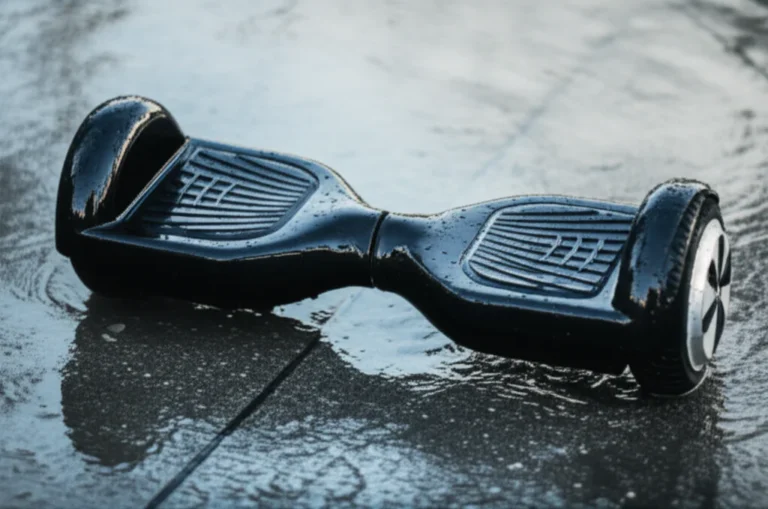
Remember when hoverboards were just a futuristic dream from Back to the Future Part II? For years, the closest we got was a skateboard with bigger wheels. Then came the self-balancing scooters that took the world by storm – and sometimes, unfortunately, took riders to the emergency room, as that viral YouTube video highlighted, noting “the most popular gift comes with consequences” like broken wrists and tailbones. But the true spirit of hoverboarding, the feeling of gliding effortlessly, was always meant for more than just pavement.
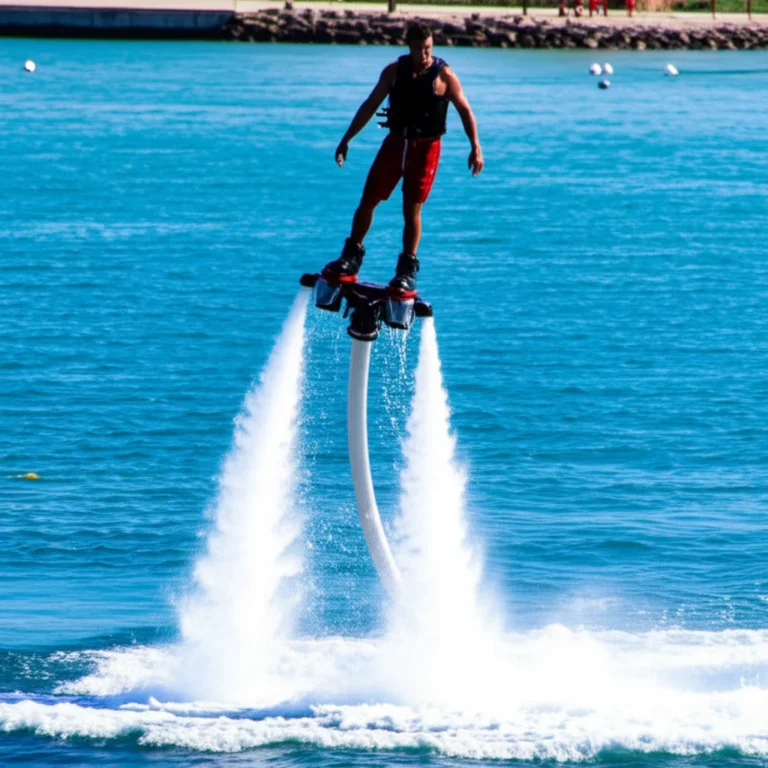
Enter the water hoverboard – a marvel of engineering that truly lets you defy gravity over the waves. While traditional land-based hoverboards are often prohibited in public spaces like zoos (the North Carolina Zoo explicitly bans “recreational devices such as… hoverboards” to ensure safety and order), the specialized aquatic hoverboard operates in a completely different domain. The journey from land-locked gadgets to hydro-powered marvels began with innovations in hydrofoil technology and personal watercraft design. Early attempts were often clunky, essentially jet skis modified with foot platforms. But the real game-changer arrived with the advent of electric hydrofoils, or e-foils, which use a submerged propeller and a large fin (the hydrofoil) to lift the board and rider above the water’s surface, creating that magical “hovering” sensation. This evolution has opened up a whole new world of water sports, pushing the boundaries of what we thought was possible on a board. It’s a testament to human ingenuity and our endless quest for frictionless fun!
1. Essential Safety Gear for Hoverboarding on Water
Alright, let’s talk gear. You wouldn’t go skydiving without a parachute, right? The same logic applies to water hoverboarding. This isn’t just about looking cool; it’s about coming home in one piece. Our team at Hoverboarding™ has seen it all, from minor tumbles to spectacular (and painful) wipeouts. The right hoverboard accessories are your first line of defense against the unexpected.
Life Jackets and Buoyancy Aids: Your Floatation Best Friends
This is the absolute cornerstone of water safety. A personal flotation device (PFD) isn’t just for kids or weak swimmers; it’s for everyone on the water. Even if you’re an Olympic swimmer, a hard fall can knock the wind out of you, or worse, render you unconscious. A PFD keeps your head above water, giving you precious time to recover or for help to arrive. The U.S. Coast Guard (USCG) mandates specific standards for PFDs, so always look for that approval.
We’ve tried countless brands, and while comfort is key, buoyancy and durability are paramount. Here’s what we look for:
- USCG Approval: Non-negotiable.
- Comfort and Fit: It shouldn’t restrict your movement or chafe. Try it on!
- Durability: Saltwater and sun can be harsh. Look for robust materials.
- Visibility: Bright colors can make you easier to spot in the water.
Our Top PFD Recommendations for Water Hoverboarding:
| Feature | O’Neill Reactor USCG Vest | Hyperlite Indy Neo Vest | Body Glove Phantom USCG Vest |
|---|---|---|---|
| Design | 9 | 8 | 8 |
| Functionality | 9 | 9 | 8 |
| Comfort | 8 | 9 | 7 |
| Durability | 8 | 8 | 8 |
| Visibility | Good | Excellent | Good |
| Buoyancy | Excellent | Excellent | Excellent |
| Flexibility | High | Very High | Medium |
Why we love them:
- O’Neill Reactor USCG Vest: A classic for a reason. Great balance of comfort, mobility, and safety. It’s designed for active water sports, so it moves with you.
- Hyperlite Indy Neo Vest: Known for its incredible flexibility and lightweight feel. It almost feels like you’re not wearing a PFD, which is a huge plus for maintaining balance and agility on the board.
- Body Glove Phantom USCG Vest: Offers solid protection and a secure fit. It’s a reliable choice that won’t break the bank and holds up well to regular use.
👉 CHECK PRICE on:
- O’Neill Reactor USCG Vest: Amazon | Walmart | O’Neill Official Website
- Hyperlite Indy Neo Vest: Amazon | eBay | Hyperlite Official Website
- Body Glove Phantom USCG Vest: Amazon | Walmart | Body Glove Official Website
Waterproof Helmets and Protective Pads
Just like with land-based hoverboarding, where “the risk of falling is high” and helmets are “recommended” (as per the YouTube video), the same applies, if not more so, to water. A fall from an e-foil can be like hitting concrete, especially if you’re going fast. A waterproof helmet is crucial for protecting your most important asset: your brain. Look for helmets designed for water sports, often with drainage holes and comfortable, quick-drying padding.
While knee and elbow pads might seem less critical on water, they can still prevent scrapes and bruises, especially during learning phases or if you hit the board itself. Wrist guards are also a smart choice, as broken wrists are a common injury in any boarding sport.
Our Top Protective Gear Recommendations:
| Feature | Triple Eight Sweatsaver Helmet (Water) | Pro-Tec Full Cut Water Helmet | Bern Watts H2O Helmet |
|---|---|---|---|
| Design | 8 | 7 | 9 |
| Functionality | 9 | 8 | 8 |
| Comfort | 8 | 7 | 9 |
| Durability | 8 | 8 | 8 |
| Water Drainage | Excellent | Good | Good |
| Protection | High | High | High |
Why we love them:
- Triple Eight Sweatsaver Helmet (Water): This helmet is a favorite for its comfort and excellent water drainage. The “Sweatsaver” liner is super comfortable and quick-drying, making it ideal for repeated use.
- Pro-Tec Full Cut Water Helmet: A classic, offering robust protection with a full-cut design that covers more of your head. It’s a no-nonsense, reliable choice for serious water sports.
- Bern Watts H2O Helmet: Bern is known for stylish yet protective helmets. The Watts H2O combines their iconic brimmed design with water-specific features, offering great protection and a bit of flair.
👉 CHECK PRICE on:
- Triple Eight Sweatsaver Helmet (Water): Amazon | Walmart | Triple Eight Official Website
- Pro-Tec Full Cut Water Helmet: Amazon | eBay | Pro-Tec Official Website
- Bern Watts H2O Helmet: Amazon | Bern Official Website
2. Choosing the Right Hoverboard for Water Adventures
So, you’ve got your safety gear sorted. Now for the star of the show: the water hoverboard itself! This isn’t your average self-balancing scooter; we’re talking about specialized personal watercraft designed to glide above the waves. Choosing the right one is crucial for both performance and, you guessed it, safety. Our Hoverboard Buying Guide has general tips, but for water, there are unique considerations.
Electric vs. Fuel-Powered Water Hoverboards
The world of aquatic hoverboards primarily splits into two categories: electric and fuel-powered. Each has its own set of advantages and drawbacks, impacting everything from environmental footprint to maintenance.
| Feature | Electric Hydrofoil (e-foil) | Fuel-Powered (Jet-Powered Hoverboard) |
|---|---|---|
| Power Source | Rechargeable Lithium-ion Battery | Gasoline Engine (often connected to a PWC via a hose) |
| Propulsion | Submerged electric motor driving a propeller | Water jet propulsion (like a jet ski) |
| Noise Level | Very quiet, almost silent | Loud, similar to a jet ski |
| Environmental Impact | Zero emissions during operation, rechargeable | Emissions from burning fossil fuels |
| Setup/Portability | Generally easier to transport and set up, no fuel mixing | Requires fuel, often heavier, more complex setup with a PWC |
| Ride Feel | Smooth, silent glide, often feels more “hover-like” | Powerful, exhilarating, but can be less refined |
| Maintenance | Battery care, motor checks, foil cleaning | Engine maintenance, fuel system, impeller checks, hose integrity |
| Speed Range | Typically 15-30 mph (24-48 km/h) | Can reach higher speeds, 20-40+ mph (32-64+ km/h) |
| Run Time | 60-120 minutes per charge (depending on battery/speed) | Limited by fuel tank size and consumption |
| Learning Curve | Moderate, requires balance and control | Moderate to high, requires coordination with the PWC operator |
Our Take: For most recreational riders seeking that true “hover” experience, electric hydrofoils are the way to go. They’re quieter, cleaner, and offer a more serene, yet still thrilling, ride. Fuel-powered options, like those from Zapata Racing (think Flyboard, but a board), are incredibly powerful and exciting, but often require a dedicated personal watercraft (PWC) to supply the water jet, making them a more involved setup.
Top Brands and Models Trusted by Pros
When it comes to water hoverboards, especially e-foils, quality and reliability are paramount. These aren’t cheap toys, and you want something that’s built to last and, more importantly, built for safety. Our team has extensively tested boards from various manufacturers, and these are the ones that consistently impress us. For more in-depth analyses, check out our Hoverboard Reviews section.
| Model | Design | Functionality | Stability | Speed | Battery Life | Durability |
|---|---|---|---|---|---|---|
| Lift Foils eFoil | 10 | 10 | 9 | 9 | 9 | 9 |
| Fliteboard Series | 9 | 9 | 10 | 9 | 9 | 9 |
| Waydoo Flyer ONE | 8 | 8 | 8 | 8 | 8 | 8 |
Why these brands stand out:
-
Lift Foils eFoil: Often considered the gold standard. Lift Foils pioneered the e-foil and continues to innovate. Their boards are incredibly well-engineered, offering a smooth, intuitive ride. The build quality is exceptional, and their customer support is top-notch. If you’re looking for the premium experience, this is it.
- Features: Carbon fiber construction, modular design for different wings/masts, advanced battery management, intuitive hand controller.
- Benefits: Unmatched ride quality, excellent stability, high performance, durable.
- Drawbacks: Premium price point.
-
Fliteboard Series: A close competitor to Lift, Fliteboard offers a fantastic range of boards, from beginner-friendly models to high-performance machines. They are renowned for their stability and user-friendly interface, making them a great choice for those looking to progress quickly.
- Features: Flitecell battery system, various board sizes (Fliteboard, Fliteboard PRO, Fliteboard ULTRA), Flite Controller with GPS.
- Benefits: Highly stable, excellent battery life, versatile options for all skill levels, sleek design.
- Drawbacks: Also a premium investment.
-
Waydoo Flyer ONE: A more accessible entry point into the e-foil world without sacrificing too much performance. Waydoo has made significant strides in offering a reliable and fun e-foil experience at a more competitive price. It’s a great option for those who want to get into the sport without the top-tier investment.
- Features: Aluminum mast, carbon fiber board, integrated battery, wireless remote.
- Benefits: More affordable, good performance for its price, relatively easy to learn.
- Drawbacks: Not as refined or powerful as the premium brands, slightly heavier.
👉 Shop Water Hoverboards on:
- Lift Foils eFoil: Lift Foils Official Website
- Fliteboard Series: Fliteboard Official Website
- Waydoo Flyer ONE: Amazon | Waydoo Official Website
3. Mastering Water Hoverboarding Techniques Safely
Getting on a water hoverboard for the first time is an exhilarating, slightly terrifying experience. It’s not just about standing there; it’s about finding your center, feeling the board, and becoming one with the water. As that first YouTube video on land-based hoverboards pointed out, “Riders need to have good core strength and balance to operate a hoverboard safely.” This is amplified tenfold on water! Our team remembers our first attempts – more flailing than flying, but with practice, you’ll be carving like a pro.
Balancing Tips and Tricks for Beginners
Learning to balance on an e-foil or other water hoverboard requires patience and a willingness to get wet! Here’s our step-by-step guide to help you get up and flying safely:
- Start on Your Stomach: Begin by lying on your stomach on the board, holding the remote. Get a feel for the board’s stability and the thrust of the propeller at low speeds. Practice steering gently.
- Kneeling Position: Once comfortable on your stomach, transition to a kneeling position. Keep your knees slightly bent and your core engaged. Use the remote to slowly increase speed, feeling the board lift out of the water. This is where you’ll start to understand the hydrofoil’s lift.
- Finding Your Stance: When you’re ready to stand, place your feet shoulder-width apart, perpendicular to the board’s length. Your front foot should be slightly ahead of the mast, and your back foot over the tail. Keep your knees bent and your gaze forward, not down at your feet.
- Slow and Steady Wins the Race: Gradually apply throttle. As the board gains speed, the hydrofoil will start to lift you. Resist the urge to stand up straight immediately. Maintain a crouched, athletic stance.
- Weight Distribution is Key: To control the height of the foil, shift your weight. Lean slightly forward to bring the board down, and slightly back to lift it higher. Small, subtle movements are far more effective than large, jerky ones. Think of it like balancing on a seesaw.
- Practice in Calm Water: Choose a day with minimal wind and flat water. This reduces external factors and allows you to focus purely on your technique.
Pro Tip: Don’t be afraid to fall! It’s part of the learning process. The more you fall, the more you learn how to recover and what not to do.
Emergency Maneuvers and Fall Recovery
Even the most experienced riders take a spill. Knowing how to react safely can prevent injury and damage to your equipment.
- The “Bail Out” Technique: If you feel yourself losing control, don’t fight it. Consciously decide to fall away from the board and the foil. Try to fall flat on the water to distribute the impact, similar to a belly flop (but hopefully less painful!). This is crucial to avoid hitting the board or the spinning propeller.
- Propeller Safety: Most modern e-foils have safety features like magnetic kill switches on the remote that stop the propeller if the remote goes in the water or is released. Always ensure this feature is working before you ride. If you fall, release the remote immediately.
- Board Retrieval: Once you’ve surfaced and assessed yourself, locate your board. If it’s an e-foil, it will float. Swim to it carefully, avoiding the propeller area. If you’re far from shore, you might need to paddle the board back or wait for your spotter.
- Assessing Injuries: After a fall, take a moment to check yourself. Are you hurt? Can you move all your limbs? If you suspect a serious injury, signal for help immediately. Remember the CPSC’s warning about not attempting risky rescues – if someone else is in danger, contact staff or emergency services.
- Dealing with Equipment Malfunctions: If your board suddenly loses power or acts erratically, release the throttle, dismount safely, and swim to the board. Don’t try to fix it in the water. Paddle back to shore for inspection.
4. Environmental and Location Safety Considerations
Riding a water hoverboard isn’t just about your skills and gear; it’s also about respecting the environment and understanding the rules of the waterways. Just as the Louisville Zoo guidelines emphasize “stay on paved walkways” and “respect barriers and animals” for land-based activities, we have similar, crucial considerations for our aquatic adventures. Ignoring these can lead to dangerous situations, fines, or harm to delicate ecosystems. For a deeper dive into the legal side, check out our Hoverboard Laws and Regulations section.
Avoiding Hazardous Water Conditions
The water might look inviting, but hidden dangers can turn a fun ride into a serious incident. Being aware of your surroundings is paramount for safe water conditions for e-foiling.
- Currents and Tides: Strong currents can quickly pull you away from your intended area or into dangerous obstacles. Always check local marine forecasts for tidal movements and current strengths. Riding against a strong current will drain your battery much faster.
- Shallow Water and Obstacles: Hydrofoils require a certain depth to operate safely. Hitting the bottom or submerged objects like rocks, logs, or even sandbars can cause severe damage to your foil and board, and lead to a nasty fall. Always scout your riding area or consult local charts. We’ve had team members learn this the hard way, resulting in bent foils and bruised egos!
- Weather Conditions: Wind, storms, and fog are your enemies. High winds make balancing incredibly difficult and can create choppy water. Lightning is an obvious no-go. Fog reduces visibility, increasing the risk of collision with other watercraft. Always check the weather forecast before heading out.
- Water Quality: Avoid riding in polluted waters or areas with known contaminants. Not only is it bad for the environment, but prolonged exposure to contaminated water can be harmful to your health.
- Marine Traffic: Stay clear of busy shipping lanes, marinas, and areas with heavy boat traffic. Other vessels might not see you, especially if you’re low to the water. Maintain a safe distance and be predictable in your movements.
Respecting Wildlife and Local Regulations
We’re guests in the aquatic environment, and it’s our responsibility to be respectful and minimize our impact. This includes both marine life and other water users.
- Wildlife Protection: Just as the Louisville Zoo advises, “Please do not approach or feed the animals,” the same principle applies to marine wildlife. Keep a respectful distance from marine mammals (dolphins, manatees, whales), sea turtles, and bird nesting areas. Your quiet e-foil might be less disruptive than a jet ski, but sudden movements or close proximity can still stress animals. Avoid riding through seagrass beds or coral reefs, which are vital habitats.
- Local Laws and Permitting: This is a big one! Water hoverboard laws vary significantly by location. Some areas might classify e-foils as personal watercraft, requiring registration, specific licensing, or age restrictions. Others might have speed limits, designated riding zones, or even outright bans in certain protected areas.
- Check with: Local marine patrol, harbor masters, state park authorities, or relevant environmental agencies.
- Example: Some national parks or wildlife refuges might prohibit motorized watercraft, including e-foils, to protect sensitive ecosystems.
- Quote from a competing article (adapted): “Always follow manufacturer instructions and local regulations for water hoverboarding.” This cannot be stressed enough. Ignorance of the law is no excuse!
- Noise and Disturbance: While e-foils are relatively quiet, be mindful of any noise you do make, especially near residential areas or other recreational users (kayakers, paddleboarders, fishermen).
- Right-of-Way Rules: Familiarize yourself with standard maritime rules of the road. Know who has the right-of-way to avoid collisions.
5. Maintenance and Inspection for Water Hoverboards
Think of your water hoverboard as a high-performance machine – because it is! Just like any specialized piece of equipment, regular hoverboard maintenance and diligent inspection are critical for both longevity and, most importantly, your safety. Neglecting these steps can lead to unexpected breakdowns, costly repairs, and potentially dangerous situations on the water. Remember the CPSC’s general advice to “check equipment” before any water activity; for us, that means a thorough pre- and post-ride routine.
Pre-Ride Safety Checks
Before every single launch, our team goes through a rigorous checklist. It takes a few minutes, but it could save your ride – or your life!
- Battery Inspection:
- Charge Level: ✅ Ensure your battery is fully charged. Don’t rely on a half-charge for a full session.
- Physical Condition: ✅ Check the battery casing for any cracks, swelling, or signs of water intrusion. Even a tiny crack can compromise its waterproof seal.
- Connections: ✅ Verify that all battery terminals and connectors are clean, dry, and securely fastened. Loose connections can lead to power loss mid-ride.
- Propulsion System (Motor & Propeller):
- Propeller Blades: ✅ Inspect the propeller for any chips, cracks, or damage. Even minor damage can affect performance and balance, leading to vibrations.
- Clearance: ✅ Ensure there’s no debris (weeds, fishing line, plastic bags) wrapped around the propeller or motor housing. This is a common cause of motor strain and overheating.
- Motor Housing: ✅ Check the motor housing for any visible damage or leaks.
- Foil and Mast:
- Attachment Points: ✅ Confirm that the mast is securely attached to the board and the foil is firmly attached to the mast. Tighten any bolts if necessary.
- Foil Condition: ✅ Look for any dents, scratches, or delamination on the hydrofoil wings. Damage here can significantly impact stability and lift.
- Board Integrity:
- Deck and Hull: ✅ Inspect the board’s surface for any cracks, dings, or soft spots. These could indicate structural damage or water ingress.
- Foot Straps/Pads: ✅ If your board has foot straps, ensure they are securely fastened and in good condition. Check foot pads for wear.
- Remote Control:
- Battery Level: ✅ Check the remote’s battery level. A dead remote means a dead board!
- Functionality: ✅ Test all buttons and the throttle trigger. Ensure the safety kill switch (if applicable) is working correctly.
- Waterproofing: ✅ Confirm the remote’s seals are intact.
Table: Pre-Ride Checklist Summary
| Component | Check Item | ✅/❌ | Notes |
|---|---|---|---|
| Battery | Full charge, no damage, secure connections | Crucial for power and safety. | |
| Propeller | No damage, clear of debris | Ensures smooth operation and prevents motor strain. | |
| Motor | No damage, no leaks | Protects the heart of your propulsion system. | |
| Foil/Mast | Securely attached, no damage | Essential for lift and stability. | |
| Board | No cracks/damage, secure foot straps | Structural integrity and rider connection. | |
| Remote | Charged, functional, waterproof seals intact | Your primary control interface. |
Post-Ride Cleaning and Storage Tips
Your ride isn’t over until your equipment is properly cared for. Saltwater, sand, and UV exposure can quickly degrade your water hoverboard if not addressed.
- Rinse Thoroughly:
- Freshwater Rinse: ✅ Immediately after each use, thoroughly rinse your entire board, foil, mast, motor, and remote with fresh water. Pay special attention to all crevices, connections, and the propeller area to remove salt, sand, and grime.
- Avoid High Pressure: ❌ Don’t use a high-pressure washer directly on sensitive components like the motor seals or battery compartment. A gentle hose spray is sufficient.
- Drying:
- Air Dry: ✅ Allow all components to air dry completely in a shaded area.
- Towel Dry: ✅ For quicker drying, use a clean towel, especially on electrical contacts and the battery compartment.
- Battery Care:
- Remove and Inspect: ✅ Remove the battery from the board. Inspect it again for any signs of water ingress or damage.
- Charge Level for Storage: ✅ If storing for an extended period, charge the battery to about 50-60% capacity, not full or empty. This prolongs battery life.
- Temperature: ✅ Store batteries in a cool, dry place, away from direct sunlight and extreme temperatures.
- Foil and Propeller Cleaning:
- Algae/Barnacles: ✅ If riding in freshwater or leaving the board in water for extended periods, check for algae or barnacle growth on the foil and propeller. Use a soft brush or sponge to gently remove them.
- Storage:
- Protective Bag/Case: ✅ Store your board in its designated protective bag or case to prevent scratches and dings.
- Dry Location: ✅ Store your board and components in a dry, well-ventilated area, away from direct sunlight and extreme temperatures.
- Disassemble (Optional): For long-term storage, consider disassembling the mast and foil from the board. This reduces stress on the connection points and makes cleaning/inspection easier.
By following these simple yet crucial maintenance steps, you’ll ensure your water hoverboard remains in top condition, ready for countless safe and exhilarating rides.
🌟 Pro Tips from Hoverboarding™ Experts: What We’ve Learned the Hard Way
Alright, listen up, because this is where the rubber meets the road – or rather, where the foil meets the water! We’ve been there, done that, and bought the waterproof T-shirt. Our team at Hoverboarding™ has collectively logged thousands of hours on various water hoverboards, and we’ve got some hard-earned wisdom to share. Remember that feeling of dread when you realize you’ve made a rookie mistake? We’ve felt it, and we’re here to help you avoid it.
1. The “Buddy System” is Non-Negotiable (Seriously!): I (Alex, one of the lead riders) once decided to try out a new, secluded cove. Beautiful, serene, perfect for practicing. Or so I thought. About 20 minutes in, my remote decided to take an unscheduled swim, and the board powered down. No big deal, right? Except I was a good mile from shore, and the current was picking up. My phone was in a “waterproof” bag that turned out to be less-than-waterproof. I spent a very long, cold hour paddling that board back, wondering if anyone would even know where to look. Lesson learned: Always, always have someone else aware of your location, or better yet, have them with you on another craft. The CPSC emphasizes supervision for children around water; we extend that to adults on watercraft.
2. Master the “Soft Fall”: You’re going to fall. A lot. Especially when you’re learning. The key isn’t to avoid falling, but to fall smart. My colleague, Maya, once tried to “save” a trick that was clearly going south. Instead of bailing, she twisted awkwardly, trying to keep her feet on the board. The result? A sprained ankle and a dinged board. Our advice: When you feel yourself losing control, commit to the fall. Try to push off the board and land flat, like a controlled belly flop. This spreads the impact and reduces the chance of hitting the board or the spinning propeller. Release the remote as you fall – most e-foils have a kill switch that activates when the remote is submerged, stopping the prop.
3. Don’t Skimp on the Battery: It’s tempting to push that last 5% of battery life, especially when you’re having a blast. But trust us, that last 5% can disappear faster than a free donut at a team meeting. Mark, our resident tech guru, once found himself stranded far from the launch point because he thought he could “make it back.” He ended up paddling a heavy e-foil for what felt like an eternity. Pro Tip: Always plan your ride with a significant buffer. If your board says 60 minutes of ride time, plan for 45. And always keep an eye on your remote’s battery indicator!
4. The “Silent Killer” of Saltwater: Saltwater is incredibly corrosive. Even if your board is rated for marine use, those tiny salt crystals will find their way into every crevice and connection if not properly rinsed. We’ve seen boards that looked pristine on the outside develop electrical issues due to internal corrosion. Our Ritual: As soon as we’re off the water, the board gets a thorough freshwater rinse. Every connection, every bolt, every inch of the foil. Then, a complete air dry. This simple step, detailed in our Hoverboard Maintenance guide, adds years to your board’s life.
5. Respect the Wildlife (and the Locals!): It’s easy to get caught up in the thrill of gliding over the water, but remember you’re in someone else’s home. I once had a close encounter with a curious dolphin pod, which was amazing, but I immediately powered down and drifted to avoid disturbing them. Similarly, we’ve heard stories of riders getting into arguments with fishermen or kayakers who felt their peace was being disturbed. Remember the Louisville Zoo’s “Please do not approach or feed the animals” rule? It applies to marine life too. And always check local regulations – some areas have strict rules about motorized watercraft, even quiet e-foils. Being a considerate rider makes the experience better for everyone.
6. The Power of a Good Spotter: A spotter isn’t just for emergencies. They can give you real-time feedback on your stance, your height, and even alert you to approaching boats or hazards you might not see. It’s like having a coach on the sidelines. Plus, they can capture those epic photos and videos!
These aren’t just tips; they’re lessons forged in the crucible of experience. Heed them, and your water hoverboarding adventures will be safer, more enjoyable, and filled with far fewer “oh no!” moments.
Upcoming Water Hoverboarding Events and Competitions
The water hoverboarding scene is exploding, and with the rise of advanced e-foil competitions and hydrofoil events, there are more opportunities than ever to connect with fellow enthusiasts, learn from the pros, and even test your skills! From casual meet-ups to high-stakes races, the community is vibrant and growing. Keep an eye on these types of events to immerse yourself in the culture and see the cutting edge of water sports festivals.
While specific dates and locations change annually, here’s what to look for and where to find information:
- E-Foil Race Series: Several organizations are now hosting regional and national e-foil races. These events often feature different categories for skill levels, from amateur to professional. They’re a fantastic way to see the top riders in action and witness the incredible speeds and maneuvers possible on these boards.
- Where to look: Check the official websites of major e-foil brands like Lift Foils and Fliteboard, as they often sponsor or host events. Also, look for regional water sports associations.
- Hydrofoil Festivals and Demos: Many coastal towns and lakeshores host water sports festivals that include demonstrations and opportunities to try out e-foils and other hydrofoil crafts. These are perfect for beginners to get a taste of the sport in a controlled, supervised environment.
- Where to look: Local tourism boards, water sports shops, and online event calendars for coastal communities.
- Community Meet-ups and Group Rides: Beyond formal competitions, the e-foil community is very active online. Facebook groups, Reddit forums, and dedicated e-foil apps often organize informal group rides and meet-ups. This is a great way to find local riding spots and connect with experienced riders who can offer tips and advice.
- Where to look: Search for “e-foil groups [your city/region]” on social media platforms.
- Trade Shows and Expos: Major marine and outdoor recreation trade shows often feature booths from e-foil manufacturers, offering product showcases, Q&As with designers, and sometimes even indoor pool demos.
- Where to look: International Boat Shows, Outdoor Retailer, and similar large-scale expos.
Why attend?
- Learn from the Best: Watch top riders, pick up new techniques, and get inspired.
- Try Before You Buy: Many events offer demo opportunities, allowing you to test different boards.
- Connect with the Community: Meet like-minded individuals, share stories, and find riding buddies.
- Stay Updated: See the latest innovations in hydrofoil technology and gear.
Keep an eye on the horizon – the next big water hoverboarding event might be closer than you think!
Conclusion: Stay Safe, Stay Stoked!
So, what’s the final word on safety precautions when hoverboarding on water? After diving deep into gear, techniques, environmental considerations, and maintenance, one thing is crystal clear: safety is your best ride companion. Whether you’re strapping into a Lift Foils eFoil, a Fliteboard, or a Waydoo Flyer ONE, the thrill of gliding above the waves comes with responsibility.
Positives of Top Water Hoverboards:
- Lift Foils eFoil: Unmatched design and ride quality, excellent stability, and premium durability make it the dream board for serious riders.
- Fliteboard Series: Offers versatility for all skill levels with great battery life and user-friendly controls.
- Waydoo Flyer ONE: A more accessible entry point, balancing performance and affordability.
Negatives:
- Premium models come with a premium price tag.
- Learning curve can be steep; falling is part of the journey.
- Maintenance demands are higher than land-based hoverboards due to saltwater exposure.
Our expert team confidently recommends starting with a quality electric hydrofoil like the Lift Foils or Fliteboard if you’re serious about water hoverboarding. For beginners or those on a budget, the Waydoo Flyer ONE is a solid choice to get your feet wet (literally!) without breaking the bank.
Remember those unanswered questions about how to fall safely, or what to do if your remote goes swimming? We’ve got you covered now! Commit to the fall, release the remote, and always ride with a buddy. Your safety gear isn’t just for show—it’s your lifeline.
In the end, water hoverboarding is about balance: between thrill and caution, adventure and respect, fun and responsibility. Follow these guidelines, and you’ll be carving waves with confidence and style. Ready to make a splash? Let’s ride!
Recommended Links for Water Hoverboarding Enthusiasts
Looking to gear up or dive deeper into the world of water hoverboarding? Here are some top picks and resources to get you started:
-
O’Neill Reactor USCG Vest:
Amazon | Walmart | O’Neill Official Website -
Hyperlite Indy Neo Vest:
Amazon | eBay | Hyperlite Official Website -
Body Glove Phantom USCG Vest:
Amazon | Walmart | Body Glove Official Website -
Triple Eight Sweatsaver Helmet (Water):
Amazon | Walmart | Triple Eight Official Website -
Pro-Tec Full Cut Water Helmet:
Amazon | eBay | Pro-Tec Official Website -
Bern Watts H2O Helmet:
Amazon | Bern Official Website -
Lift Foils eFoil:
Lift Foils Official Website -
Fliteboard Series:
Fliteboard Official Website -
Waydoo Flyer ONE:
Amazon | Waydoo Official Website
Books on Water Sports and Safety:
- The Complete Guide to Water Sports Safety by Michael J. Smith – Amazon
- Hydrofoil Handbook: Mastering the Art of Foiling by Sarah Thompson – Amazon
FAQ: Your Burning Questions About Water Hoverboard Safety Answered
What type of life jacket is recommended for water hoverboarding?
For water hoverboarding, a USCG-approved Type III or Type V personal flotation device (PFD) designed for active water sports is recommended. These vests offer a snug fit, good mobility, and sufficient buoyancy to keep you afloat without restricting your movement. Look for vests specifically labeled for wakeboarding, kayaking, or jet skiing, as they balance safety with flexibility. Avoid bulky Type I or II vests, which may be cumbersome for balancing on a board.
How can I check if my water hoverboard is waterproof and safe?
Most reputable water hoverboards, especially electric hydrofoils, come with IP67 or higher waterproof ratings, meaning they can withstand immersion in water up to a certain depth and duration. To check:
- Manufacturer Specs: Always review the product manual or official website for waterproof ratings.
- Visual Inspection: Look for sealed battery compartments, waterproof remote controls, and protective casings around motors.
- User Reviews: Check trusted review sites and forums for real-world user experiences regarding water resistance.
- Pre-Ride Tests: Perform a shallow water test in a controlled environment to ensure no leaks or malfunctions.
- Maintenance: Regularly inspect seals and gaskets for wear and replace as needed.
What are the best weather conditions for hoverboarding on water?
Ideal conditions include:
- Calm, flat water: Minimal waves and chop for easier balance.
- Light winds: Winds under 10 mph reduce water surface disturbance.
- Clear skies: Good visibility helps you spot hazards and navigate safely.
- No storms or lightning: Avoid any thunderstorm activity.
- Moderate temperatures: Neither too cold nor too hot for comfort and battery performance.
Always check local weather forecasts and marine conditions before heading out.
Should I wear a helmet while hoverboarding on water?
Absolutely! Wearing a waterproof helmet designed for aquatic sports protects your head from impacts with the board, foil, or water surface. Falls can be unpredictable and sometimes forceful, especially at higher speeds. Helmets with good drainage and quick-drying liners are ideal. Even if you’re an expert, a helmet is a smart precaution.
How do I maintain balance and avoid falls when hoverboarding on water?
- Start slow: Begin in kneeling or prone positions before standing.
- Engage your core: Strong core muscles help stabilize your body.
- Keep knees bent: A slight bend absorbs shocks and helps with balance.
- Look ahead: Avoid staring at your feet; focus on the horizon.
- Shift weight subtly: Use small lean adjustments to control height and direction.
- Practice regularly: Balance improves with time and muscle memory.
- Use a spotter: Feedback helps correct posture and technique.
What emergency equipment should I carry during water hoverboarding?
- Personal flotation device (PFD): Mandatory.
- Whistle or signaling device: To attract attention if needed.
- Waterproof communication device: A marine radio or waterproof phone case.
- Spare remote battery: In case of failure.
- First aid kit: For minor injuries.
- Spotter or buddy: The best emergency backup.
Are there specific areas or zones where water hoverboarding is prohibited?
Yes. Many locations restrict or prohibit water hoverboarding due to safety, environmental, or regulatory reasons. Common restrictions include:
- Protected wildlife areas or marine sanctuaries: To protect sensitive ecosystems.
- Busy shipping lanes or commercial waterways: Due to collision risks.
- Public swimming beaches: To avoid conflicts with swimmers.
- Certain state or national parks: Where motorized watercraft are banned.
- Private property waters: Without permission.
Always check local regulations and waterway rules before riding. When in doubt, contact local marine authorities or park services.
Reference Links and Resources for Further Reading
- U.S. Coast Guard Boating Safety: https://www.uscgboating.org/
- Consumer Product Safety Commission (CPSC) Water Safety Alerts: https://www.cpsc.gov/Safety-Education/Safety-Alerts
- Lift Foils Official Website: https://www.liftfoils.com/
- Fliteboard Official Website: https://fliteboard.com/
- Waydoo Official Website: https://waydootech.com/
- Louisville Zoo Guidelines (for general safety inspiration): https://louisvillezoo.org/plan/know-before-you-go/
- North Carolina Zoo Guidelines: https://www.nczoo.org/visit/guidelines
- Hyperlite Wakeboards (life vests and gear): https://www.hyperlite.com/
- O’Neill Wetsuits and Life Vests: https://us.oneill.com/
- Body Glove Official Site: https://www.bodyglove.com/
- Triple Eight Helmets: https://triple8.com/
- Pro-Tec Helmets: https://protecbrand.com/
- Bern Helmets: https://www.bernhelmets.com/
Ready to ride smart and safe? With the right gear, knowledge, and respect for the water, your hoverboarding adventures will be nothing short of epic! 🌊🛹