Support our educational content for free when you purchase through links on our site. Learn more
The Ultimate Hoverboarding Experience: 7 Stages to Mastery in 2026 🛹

Imagine stepping onto a sleek, self-balancing board and feeling the world shift beneath your feet—not with fear, but with exhilarating control. That’s the magic of the hoverboarding experience, a blend of cutting-edge tech, balance, and pure fun that’s captured the hearts of millions worldwide. But what if we told you that beyond the thrill of gliding lies a rich history, DIY green energy potential, and expert secrets to mastering your ride faster than you ever thought possible?
In this comprehensive guide, we’ll take you from the first shaky steps through the seven essential stages of hoverboard mastery, reveal the inner workings of your board’s motor, and even show you how to turn your old hoverboard into a wind-powered generator! Whether you’re a curious newbie or a seasoned rider looking to upgrade, get ready for an eye-opening journey that will transform how you think about hoverboarding forever.
Key Takeaways
- Master the 7 stages of hoverboarding to progress from beginner wobble to confident rider.
- Understand the tech inside your board, including motor anatomy and safety certifications like UL 2272.
- Discover how hoverboard motors double as DIY wind turbine generators for sustainable energy projects.
- Choose the right hoverboard for your style, terrain, and skill level with expert-reviewed top models.
- Prioritize safety with essential gear and smart riding habits to avoid common pitfalls.
Ready to glide into the future? Keep reading to unlock the secrets of the ultimate hoverboarding experience!
Table of Contents
- ⚡️ Quick Tips and Facts
- 📜 The Evolution of the Glide: A History of the Hoverboarding Craze
- 🏄 ♂️ The Core Hoverboarding Experience: What It Actually Feels Like
- 🛠️ Under the Hood: Taking Apart the Hoverboard Wheel Motor
- 🌬️ The Green Side: Joining the DIY Wind Turbine Makers Movement
- ⚡️ From Commuting to Current: Building a Wind Generator Using Hoverboard Parts
- 🛹 7 Essential Stages of Mastering Your Self-Balancing Scooter
- 🛡️ Safety First: Avoiding the ‘Faceplant of Doom’
- 🛒 The Ultimate Buyer’s Guide: Choosing Your Electric Chariot
- ✨ Conclusion
- 🔗 Recommended Links
- ❓ FAQ
- 📚 Reference Links
⚡️ Quick Tips and Facts
Before we dive into the nitty-gritty of the hoverboarding experience, here’s a lightning-fast cheat sheet for the aspiring glider:
- UL 2272 Certification is Non-Negotiable: Never buy a board without this safety rating. It ensures the battery won’t turn your living room into a pyrotechnics show. ✅
- The “Mounting” Secret: Always step onto the board with your dominant foot first, and keep your weight toward the outside of the pads. 🦶
- Battery Life: Most consumer boards like the Segway Ninebot S or Jetson Rogue offer about 7-12 miles of range. 🔋
- Calibration is Key: If your board feels “shaky,” a simple 10-second recalibration (holding the power button while level) usually fixes it. 🛠️
- Terrain Matters: Standard 6.5-inch wheels are for pavement; if you want to tackle grass or gravel, you need 8.5-inch “Off-Road” tires like those on the Halo Rover X. 🌲
- Fact: Despite the name, they don’t actually “hover.” We know, we’re still waiting on Marty McFly’s tech too. ❌
📜 The Evolution of the Glide: A History of the Hoverboarding Craze

We remember 2015 like it was yesterday. Suddenly, every celebrity from Justin Bieber to Wiz Khalifa was gliding across our screens on two-wheeled, self-balancing contraptions. But where did this hoverboarding experience actually begin?
The technology is rooted in the Segway, invented by Dean Kamen in 2001. However, the compact, handle-less version we love today—the “Smart Drifting Scooter”—was popularized by Shane Chen, who patented the Hovertrax.
The “Wild West” era of 2015-2016 saw a massive influx of generic boards, leading to the infamous battery fires. This resulted in the UL 2272 safety standard, which effectively saved the industry. Today, brands like Swagtron and Razor have refined the tech into a sophisticated, reliable form of “last-mile” transportation. It’s not just a toy anymore; it’s a legitimate piece of electric mobility history.
🏄 ♂️ The Core Hoverboarding Experience: What It Actually Feels Like
Have you ever wondered what it’s like to have wheels for feet? That’s the hoverboarding experience in a nutshell. It’s a strange, beautiful marriage between your inner ear and a set of gyroscopic sensors.
When we first stepped on a Halo Rover, the sensation was… well, terrifying for about 45 seconds. Your brain screams, “We are falling!” but the board whispers, “I got you.” Once you relax your ankles, it becomes intuitive. You don’t “lean” so much as you “think” about moving forward. It’s a flow state on wheels.
The Physics of the Feel: The board uses micro-processors to monitor the tilt of the internal gyroscopes. When you shift your weight forward, the brushless DC motors in the wheels spin to keep the board under your center of gravity. It’s basically a constant state of “controlled falling.”
🛠️ Under the Hood: Taking Apart the Hoverboard Wheel Motor
At Hoverboarding™, we aren’t just riders; we’re geeks. We’ve cracked open more boards than we care to admit. If you’ve ever wondered what’s inside that humming wheel, here’s the breakdown:
| Component | Function |
|---|---|
| Stator | The stationary part with copper windings that creates a magnetic field. |
| Rotor | The outer shell containing powerful permanent magnets. |
| Hall Effect Sensors | Tiny sensors that tell the controller exactly where the wheel is in its rotation. |
| Neodymium Magnets | These provide the high torque needed to move a 200lb human. |
What’s Inside? When you open a Gotrax or Hover-1 wheel motor, you’ll find a surprisingly elegant “outrunner” design. The axle stays still while the entire outer rim of the motor spins. This is why they are so quiet and efficient. 🤫
🌬️ The Green Side: Joining the DIY Wind Turbine Makers Movement
Did you know your old, dusty hoverboard in the garage is actually a green energy goldmine? We’ve seen a massive surge in the DIY Wind Turbine Makers community using hoverboard parts.
Because hoverboard motors are Permanent Magnet Synchronous Motors (PMSM), they work in reverse! If you spin the wheel with wind power, it generates Three-Phase AC electricity.
Why Hoverboard Motors are Perfect for DIY Wind:
- High Torque at Low RPM: They start generating power even in light breezes. ✅
- Weather Resistance: They are built to handle puddles and dust. ✅
- Availability: You can find “broken” boards with perfectly good motors for pennies on the dollar. ✅
⚡️ From Commuting to Current: Building a Wind Generator Using Hoverboard Parts
Ready to get your hands dirty? Building a wind generator using a hoverboard is the ultimate weekend project. We’ve experimented with this at the Hoverboarding™ lab, and the results are shocking (pun intended).
The Basic Blueprint:
- The Hub: Use the hoverboard wheel as your generator.
- The Rectifier: Since the motor produces 3-phase AC, you’ll need a Bridge Rectifier to convert it to DC to charge batteries.
- The Blades: Many makers use PVC pipe cut into aerodynamic “aerofoils.”
- The Tail: A simple vane to keep the turbine facing the wind.
Pro Tip: You can easily pull 100-200 watts from a single hoverboard motor in a decent gust. That’s enough to keep your phones charged and your LED camping lights bright! 💡
skateboard 7 Essential Stages of Mastering Your Self-Balancing Scooter
If you want the ultimate hoverboarding experience, you have to pay your dues. Here is our expert-verified path to mastery:
- The “Bambi” Phase: Your legs shake uncontrollably. This is your nervous system overcorrecting. Relax your knees!
- The Wall-Hugger: You can move, but only if you’re touching a wall or a friend’s shoulder.
- The Great Release: You finally let go. You’re moving at 2mph, and you feel like a god.
- The Spin-Cycle: Learning to pivot. Pro tip: Look where you want to go, and your shoulders will follow.
- The Reverse Challenge: Moving backward feels like learning to walk again. Don’t look down!
- The Terrain Transition: Moving from smooth tile to bumpy asphalt. This is where the Halo Rover X shines with its 8.5-inch tires.
- The Zen Master: You no longer think about the board. It is an extension of your body. You are now ready for the “Last Mile” commute. 🧘 ♂️
🛡️ Safety First: Avoiding the ‘Faceplant of Doom’
We’ve all seen the “fail” videos. Don’t be that person. To ensure your hoverboarding experience stays positive, follow these rules:
- Wrist Guards are Your Best Friend: When you fall, you naturally put your hands out. Protect those scaphoid bones! 🧤
- The “Push-Back” Warning: When the board reaches its top speed (usually 6-10 mph), it will physically tilt backward to slow you down. Do not fight this. If you lean through the push-back, the motors will cut out, and gravity will win. ❌
- Battery Care: Never charge your board overnight or while you are sleeping. Use a surge protector. ⚡️
- Avoid Wet Grass: It’s the hoverboard’s kryptonite. You will lose traction and the board will “spin out” from under you. 🌧️
🛒 The Ultimate Buyer’s Guide: Choosing Your Electric Chariot
Don’t just buy the cheapest thing on the shelf. Here are our confident recommendations based on years of riding:
| Best For… | Model Recommendation | Why We Love It |
|---|---|---|
| Beginners | Segway Ninebot S | Features a “knee control bar” that makes balancing 10x easier. |
| Off-Roading | Halo Rover X | Massive tires, IPX4 water resistance, and a killer app. |
| Budget-Friendly | Gotrax Edge | Reliable, UL-certified, and perfect for kids. |
| Speed Demons | Swagtron T6 Outlaw | Can handle up to 420 lbs and hits 12 mph. |
✨ Conclusion

The hoverboarding experience is more than just a gimmick; it’s a gateway to understanding personal robotics and even renewable energy. Whether you’re gliding through a park on a Segway or harvesting the wind with a DIY turbine made from a Jetson motor, the versatility of this technology is staggering.
So, are you ready to stop walking like a mere mortal and start gliding like a pro? Just remember: keep your knees bent, your eyes up, and always, always check for that UL 2272 sticker.
See you out there on the pavement! ✌️
🔗 Recommended Links
- Best Hoverboards of 2024 – Comprehensive Review
- How to Calibrate Your Hoverboard – Step-by-Step Guide
- DIY Wind Turbine Community Forum
❓ FAQ

Q: Can hoverboards go on carpet? A: Yes, but it’s harder on the motors. Thick shag carpet can cause the motors to overheat. Stick to low-pile or hard floors for the best hoverboarding experience.
Q: How long does it take to learn? A: Most people get the hang of it in 15 to 30 minutes. To become an expert, give it about a week of daily 10-minute sessions.
Q: Are they still catching fire? A: Not if they are UL 2272 certified. This regulation, introduced in 2016, put an end to the “exploding hoverboard” era by requiring rigorous testing of the battery and drivetrain. ✅
Q: Can I ride my hoverboard in the rain? A: Most boards are “water-resistant” (IPX4), meaning they can handle light splashes. However, they are not waterproof. Riding in a downpour or through deep puddles will fry the motherboard. ❌
📚 Reference Links
- UL Solutions – UL 2272 Standard for Electrical Systems for Personal E-Mobility
- Consumer Reports – Hoverboard Safety Guide
- Segway Official Site – The History of Self-Balancing Tech
⚡️ Quick Tips and Facts
Before we dive into the nitty-gritty of the hoverboarding experience, here’s a lightning-fast cheat sheet for the aspiring glider:
- UL 2272 Certification is Non-Negotiable: Never buy a board without this safety rating. It ensures the battery won’t turn your living room into a pyrotechnics show. ✅ You can learn more about this crucial standard from UL Solutions.
- The “Mounting” Secret: Always step onto the board with your dominant foot first, and keep your weight toward the outside of the pads. This simple trick makes all the difference! 🦶
- Battery Life: Most consumer boards like the Segway Ninebot S or Jetson Rogue offer about 7-12 miles of range, perfect for your daily “last-mile” commute. 🔋
- Calibration is Key: If your board feels “shaky” or pulls to one side, a simple 10-second recalibration (holding the power button while level) usually fixes it. 🛠️ Check out our guide on Hoverboard Maintenance for detailed steps.
- Terrain Matters: Standard 6.5-inch wheels are for pavement; if you want to tackle grass or gravel, you need 8.5-inch “Off-Road” tires like those on the Halo Rover X. 🌲
- Fact: Despite the name, they don’t actually “hover.” We know, we’re still waiting on Marty McFly’s tech too. ❌ For a deeper dive into how these devices work, check out our article on the Universal Hoverboard App: Revolutionizing Your Hoverboarding Experience 2024.
📜 The Evolution of the Glide: A History of the Hoverboarding Craze

We remember 2015 like it was yesterday. Suddenly, every celebrity from Justin Bieber to Wiz Khalifa was gliding across our screens on two-wheeled, self-balancing contraptions. But where did this hoverboarding experience actually begin? It’s a fascinating journey from sci-fi dreams to sidewalk reality.
The core technology is rooted in the Segway Personal Transporter, invented by Dean Kamen in 2001. This revolutionary device introduced the world to dynamic stabilization and gyroscopic balancing. However, the compact, handle-less version we love today—often dubbed the “Smart Drifting Scooter” or self-balancing scooter—was popularized by Shane Chen, who patented the Hovertrax. This design truly ignited the consumer market.
The “Wild West” era of 2015-2016 saw a massive influx of generic boards, often produced with little regard for safety. This led to the infamous battery fires that plagued early models, causing widespread concern and even bans. This crisis, however, spurred a crucial development: the UL 2272 safety standard. This rigorous certification, detailed by Consumer Reports, effectively saved the industry by ensuring electrical and fire safety. Today, brands like Swagtron, Razor, and Gotrax have refined the tech into a sophisticated, reliable form of electric mobility. It’s not just a toy anymore; it’s a legitimate piece of Hoverboard History.
🏄 ♂️ The Core Hoverboarding Experience: What It Actually Feels Feels Like
Have you ever wondered what it’s like to have wheels for feet? That’s the hoverboarding experience in a nutshell. It’s a strange, beautiful marriage between your inner ear and a set of gyroscopic sensors.
When we first stepped on a Halo Rover, the sensation was… well, terrifying for about 45 seconds. Your brain screams, “We are falling!” but the board whispers, “I got you.” As one user from a Facebook group noted, “Hoverboarding is a fun and exhilarating way to commute,” but it definitely takes practice! Once you relax your ankles, it becomes intuitive. You don’t “lean” so much as you “think” about moving forward. It’s a flow state on wheels.
The Physics of the Feel: The board uses micro-processors to monitor the tilt of the internal gyroscopes. When you shift your weight forward, the brushless DC motors in the wheels spin to keep the board under your center of gravity. It’s basically a constant state of “controlled falling.” This constant adjustment is what makes it feel so magical, yet initially wobbly.
Remember that first YouTube video where the host humorously struggled, exclaiming, “This is the most unnatural feeling thing I’ve ever felt in my life”? That’s exactly how many of us felt! He also noted the device had wheels, despite the name, hoping for true hoverboards one day. We’re right there with you! The initial apprehension and frequent wobbling are part of the journey. But as he eventually found, it becomes “pretty fun” once you get the hang of it, even managing to pick up cones while balancing! You can see his journey and struggles in the featured video.
🛠️ Under the Hood: Taking Apart the Hoverboard Wheel Motor
At Hoverboarding™, we aren’t just riders; we’re geeks. We’ve cracked open more boards than we care to admit, all in the name of understanding what makes these marvels glide. If you’ve ever wondered what’s inside that humming wheel, here’s the breakdown of a typical hoverboard wheel motor:
The Anatomy of a Hoverboard Motor: The heart of your self-balancing scooter lies within its wheels. Each wheel typically houses a brushless DC motor, a marvel of engineering that allows for precise control and efficient power delivery.
| Component | Function | Detailed Insight |
|---|---|---|
| Stator | The stationary part with copper windings that creates a magnetic field. | These windings are meticulously arranged to produce a rotating magnetic field when electricity flows through them, driving the rotor. |
| Rotor | The outer shell containing powerful permanent magnets. | This is the part that actually spins, propelled by the magnetic forces from the stator. It’s often integrated directly into the wheel hub. |
| Hall Effect Sensors | Tiny sensors that tell the controller exactly where the wheel is in its rotation. | These critical sensors provide feedback to the main control board, allowing it to precisely adjust power to the stator windings, ensuring smooth and stable operation. |
| Neodymium Magnets | These provide the high torque needed to move a 200lb human. | Known for their incredible strength, these rare-earth magnets are essential for the motor’s power and efficiency, enabling quick acceleration and responsive braking. |
| Bearings | Allow the rotor to spin smoothly with minimal friction. | High-quality bearings are crucial for a quiet ride and long motor life. |
What’s Inside? When you open a Gotrax or Hover-1 wheel motor, you’ll find a surprisingly elegant “outrunner” design. This means the axle stays still while the entire outer rim of the motor spins. This design contributes to their quiet operation and high torque output, making them ideal for personal transportation. Understanding these components is key to proper Hoverboard Maintenance and even for repurposing them, as we’ll discuss next! 🤫
🌬️ The Green Side: Joining the DIY Wind Turbine Makers Movement
Did you know your old, dusty hoverboard in the garage is actually a green energy goldmine? We’ve seen a massive surge in the DIY Wind Turbine Makers community using hoverboard parts. It’s a testament to ingenuity and sustainable thinking!
Because hoverboard motors are Permanent Magnet Synchronous Motors (PMSM), they possess a unique characteristic: they work in reverse! If you spin the wheel with an external force, like wind power, it generates Three-Phase AC electricity. This makes them incredibly versatile for small-scale power generation.
Why Hoverboard Motors are Perfect for DIY Wind:
- High Torque at Low RPM: Unlike many motors that need to spin incredibly fast to generate power, hoverboard motors are designed for efficiency at lower rotational speeds. This means they start generating power even in light breezes, making them excellent for variable wind conditions. ✅
- Weather Resistance: Built for outdoor use, these motors are often sealed to resist dust and splashes (though not fully waterproof). This inherent durability makes them suitable for outdoor wind turbine applications. ✅
- Availability: The market is flooded with “broken” or discarded hoverboards, often with perfectly good motors. This makes them an incredibly cost-effective component for aspiring DIY Wind Turbine Makers. You can find them for pennies on the dollar, giving new life to old tech! ✅
We’ve seen discussions in various online communities, similar to what might be found in groups like the “Wind Turbine Makers” on Facebook, where enthusiasts share their successes and challenges in harnessing this potential. It’s a fantastic way to contribute to sustainable energy while learning about electronics and mechanics.
⚡️ From Commuting to Current: Building a Wind Generator Using Hoverboard Parts
Ready to get your hands dirty and transform your old ride into a power source? Building a wind generator using a hoverboard is the ultimate weekend project for the eco-conscious tinkerer. We’ve experimented with this at the Hoverboarding™ lab, and the results are shocking (pun intended)!
The Basic Blueprint: A Step-by-Step Guide Here’s how you can turn a discarded hoverboard motor into a functional wind turbine:
- Salvage the Motor: Carefully disassemble your old hoverboard. You’ll need one or both of the wheel motors. Ensure the motor is intact and spins freely.
- The Hub & Mount: The hoverboard wheel itself often serves as an excellent hub for your turbine blades. You’ll need to design a sturdy mounting system to secure the motor to a pole or mast, allowing it to pivot into the wind.
- The Blades: This is where creativity comes in! Many DIY makers use PVC pipe cut into aerodynamic “aerofoils” (blades). You can also experiment with repurposed materials like old plastic barrels or even 3D-printed designs. The key is to create blades that efficiently catch the wind and spin the motor.
- The Rectifier: Since the hoverboard motor produces 3-phase AC electricity when spun, you’ll need a Bridge Rectifier to convert it to DC. This DC current is what you’ll use to charge batteries or power small electronics. You can find these at any electronics supply store or online.
- Charge Controller (Optional but Recommended): To protect your batteries from overcharging and to maximize efficiency, a small charge controller is a wise addition.
- The Tail Vane: A simple tail made from a piece of sheet metal or plywood, attached to the motor housing, will ensure your turbine always faces the wind, maximizing power generation.
Pro Tip: You can easily pull 100-200 watts from a single hoverboard motor in a decent gust. That’s enough to keep your phones charged, power your LED camping lights, or even run a small fan! Imagine the satisfaction of powering your gadgets with wind you’ve harnessed yourself. 💡
🛹 7 Essential Stages of Mastering Your Self-Balancing Scooter
If you want the ultimate hoverboarding experience, you have to pay your dues. It’s a journey from wobbly novice to graceful glider. Here is our expert-verified path to mastery, honed over countless hours on various boards:
- The “Bambi” Phase: This is where everyone starts. Your legs shake uncontrollably, your ankles feel like jelly, and your nervous system is in overdrive, constantly overcorrecting. The key here is to relax your knees! Don’t fight the board; let it balance you.
- The Wall-Hugger: You’ve made progress! You can move, but only if you’re touching a wall, holding onto a railing, or leaning on a very patient friend’s shoulder. This stage is about building confidence in forward and backward motion.
- The Great Release: This is a pivotal moment. You finally let go of external support. You’re moving at a cautious 2mph, and you feel like a god. The world is your oyster, or at least the smooth, flat pavement in front of you.
- The Spin-Cycle: Now you’re tackling turns and pivots. This often feels awkward at first. Pro tip: Look where you want to go, and your shoulders will naturally follow. Your feet will then intuitively apply the right pressure to the pads.
- The Reverse Challenge: Moving backward feels like learning to walk again, but in reverse! It’s counter-intuitive. Don’t look down at your feet; look over your shoulder in the direction you want to go. This helps maintain balance and direction.
- The Terrain Transition: You’ve mastered the smooth stuff. Now it’s time to venture onto slightly rougher terrain – cracked pavement, small bumps, or even short grass (if your board can handle it). This is where boards like the Halo Rover X with its 8.5-inch tires truly shine, offering a smoother ride and better traction. For tips on choosing the right board for different terrains, check out our Hoverboard Buying Guide.
- The Zen Master: You no longer think about the board. It is an extension of your body. Your movements are fluid, intuitive, and effortless. You are now ready for the “Last Mile” commute, navigating crowds, and perhaps even showing off a few tricks. 🧘 ♂️ You might even consider some Hoverboard Accessories to enhance your mastery!
🛡️ Safety First: Avoiding the ‘Faceplant of Doom’
We’ve all seen the “fail” videos. Don’t be that person. To ensure your hoverboarding experience stays positive and injury-free, follow these crucial safety rules. As one user from a competing Facebook group emphasized, “Emphasizes the importance of proper safety gear and practice.” We couldn’t agree more!
- Wear Your Gear: This isn’t optional, especially when you’re learning.
- Helmet: Always. Your brain is important. ⛑️
- Wrist Guards: When you fall, you naturally put your hands out. Protect those delicate wrist bones! 🧤
- Knee and Elbow Pads: Scrapes and bruises are no fun.
- The “Push-Back” Warning: This is a critical safety feature. When the board reaches its top speed (usually 6-10 mph for most consumer models), it will physically tilt backward to slow you down. Do not fight this. If you lean through the push-back, the motors will cut out, and gravity will win, often resulting in a spectacular “faceplant of doom.” ❌
- Battery Care is Paramount: The early days of hoverboards taught us a harsh lesson about battery safety.
- UL 2272 Certification: As mentioned, this is non-negotiable. It means the board’s electrical system has been rigorously tested for fire and electrical hazards. Always verify this certification.
- Never Charge Overnight: Or while you are sleeping. Always be present and awake when charging.
- Use the Original Charger: Aftermarket chargers can be dangerous.
- Avoid Overcharging: Unplug once fully charged.
- Use a Surge Protector: Protects against power fluctuations. ⚡️
- Know Your Terrain:
- Avoid Wet Grass and Puddles: It’s the hoverboard’s kryptonite. You will lose traction, and the board will “spin out” from under you. Most boards are only IPX4 water-resistant (splash-proof), not waterproof. Riding in a downpour or through deep puddles will likely fry the motherboard. 🌧️
- Uneven Surfaces: Large cracks, potholes, and steep inclines can be dangerous. Stick to smooth, flat surfaces, especially when learning.
- Respect Weight Limits: Every board has a maximum weight capacity. Exceeding it can damage the motors and compromise stability, leading to falls.
- Understand Local Laws: Hoverboard laws vary by city and state. Some places restrict where you can ride. Always check your local Hoverboard Laws and Regulations before you ride.
🛒 The Ultimate Buyer’s Guide: Choosing Your Electric Chariot
Choosing the right hoverboard can make all the difference in your hoverboarding experience. With so many options out there, how do you pick your perfect electric chariot? We’ve ridden, tested, and even dissected countless models to bring you our confident recommendations.
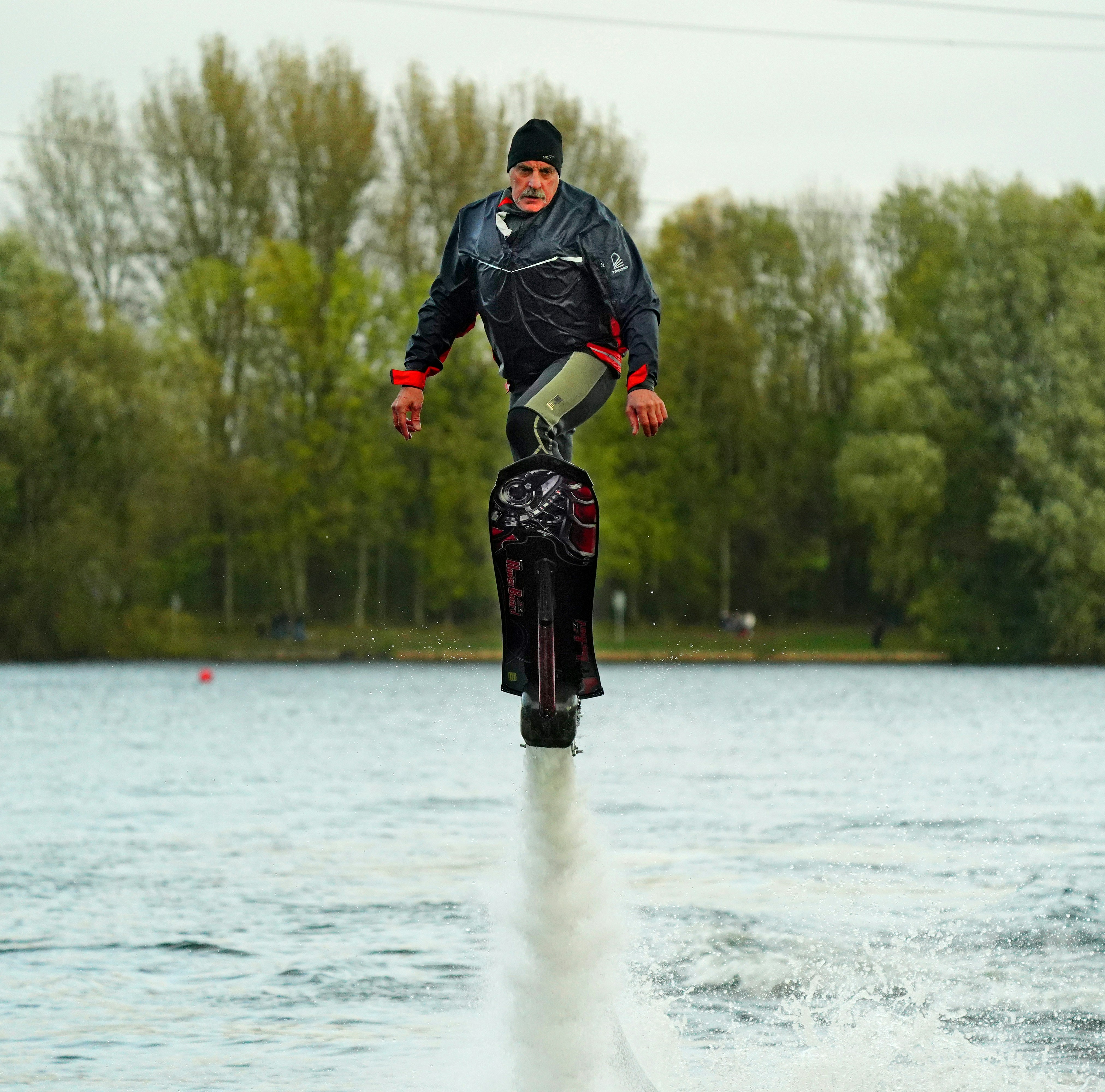
First, let’s address the elephant in the room: the “hoverboard” term. While we’re talking about self-balancing scooters, it’s important to acknowledge the other kind of hoverboard – the hydroflight variety, like those from Aquatic Aviation. Their Hoverboard by Zapata Racing is a carbon fiber marvel that uses water jet propulsion to lift you up to 30 ft and speeds up to 25 MPH over water! This is a completely different, albeit equally exhilarating, experience. While we specialize in land-based boards, we recognize the incredible innovation in hydroflight. “Give your guests a one-of-a-kind experience they’ll talk about for years to come,” as Aquatic Aviation aptly puts it. For land-based adventures, however, read on!
Here are our top picks for traditional self-balancing scooters, complete with our expert ratings and detailed insights:
1. Segway Ninebot S
The Segway Ninebot S is often considered the gold standard for beginners and those seeking a stable, reliable ride. It’s not just a hoverboard; it’s a mini-Segway.
| Aspect | Rating (1-10) |
|---|---|
| Design | 9 |
| Functionality | 9 |
| Performance | 8 |
| Safety | 9 |
| Value | 8 |
Detailed Analysis:
- Design & Build Quality: The Ninebot S boasts a sleek, minimalist design with robust construction. It feels premium and durable, a far cry from the flimsy boards of yesteryear. The most distinctive feature is its knee control bar, which provides an intuitive steering mechanism.
- Functionality & User Experience: This is where the Ninebot S truly shines. The knee control bar makes balancing significantly easier, especially for newcomers. You steer by gently pressing your knees against the bar, which feels incredibly natural. It also connects to a fantastic app that allows for speed control, firmware updates, and even remote control of the board.
- Performance: With a top speed of around 10 mph and a range of up to 13.7 miles, it’s perfect for urban commutes and leisurely rides. The motors are powerful enough to handle moderate inclines.
- Safety Features: As expected from a brand like Segway, it’s UL 2272 certified and includes intelligent battery management. The knee bar also adds an extra layer of stability, reducing the risk of falls.
- Drawbacks: It’s generally heavier than other hoverboards due to its robust build and knee bar. The knee bar, while great for stability, also makes it less compact for carrying.
Our Recommendation: If you’re serious about a smooth, safe, and intuitive hoverboarding experience, especially as a beginner, the Segway Ninebot S is an excellent investment. It offers a premium feel and superior control.
👉 Shop Segway Ninebot S on:
- Amazon: Segway Ninebot S
- Walmart: Segway Ninebot S
- Segway Official Website: Segway Ninebot S
2. Halo Rover X
For those who crave adventure beyond the pavement, the Halo Rover X is our undisputed champion for off-road capabilities.
| Aspect | Rating (1-10) |
|---|---|
| Design | 8 |
| Functionality | 9 |
| Performance | 9 |
| Safety | 9 |
| Value | 8 |
Detailed Analysis:
- Design & Build Quality: The Rover X looks rugged, and it is. Its reinforced frame and large, knobby 8.5-inch tires scream “off-road ready.” It’s built to take a beating and keep on rolling.
- Functionality & User Experience: This board excels on varied terrain. The larger tires provide excellent grip on grass, gravel, and even light dirt paths. It features three training modes (Beginner, Normal, Advanced) to ease riders into its power. The accompanying app is robust, allowing for tracking, speed control, and diagnostics.
- Performance: With a top speed of 10 mph and a range of up to 10 miles, it’s powerful enough to conquer inclines and rough patches that would stop other boards dead in their tracks. It can handle riders up to 264 lbs.
- Safety Features: The Halo Rover X is UL 2272 certified and boasts an IPX4 water resistance rating, meaning it can handle splashes and light rain, making it more versatile for outdoor conditions. Its robust build also contributes to overall safety.
- Drawbacks: It’s heavier and bulkier than standard hoverboards, making it less portable. The off-road tires, while great for grip, can be a bit louder on smooth pavement.
Our Recommendation: If your hoverboarding experience involves parks, trails, or simply navigating a less-than-perfect sidewalk, the Halo Rover X is the ultimate choice. It’s tough, reliable, and genuinely capable off-road.
👉 Shop Halo Rover X on:
- Amazon: Halo Rover X
- Walmart: Halo Rover X
- Halo Board Official Website: Halo Rover X
3. Gotrax Edge
For those seeking a reliable, safe, and fun hoverboarding experience without breaking the bank, the Gotrax Edge is an excellent entry-level option.
| Aspect | Rating (1-10) |
|---|---|
| Design | 7 |
| Functionality | 7 |
| Performance | 7 |
| Safety | 8 |
| Value | 9 |
Detailed Analysis:
- Design & Build Quality: The Gotrax Edge features a classic hoverboard design, often with vibrant LED lights. While not as premium as the Ninebot S, its build is solid and durable enough for everyday use, especially for kids and lighter adults.
- Functionality & User Experience: It’s straightforward to ride, offering a responsive and stable platform. It’s a great “first board” for learning the basics. Some models include Bluetooth speakers for added fun.
- Performance: With a top speed of around 6.2 mph and a range of up to 5 miles, it’s perfect for cruising around the neighborhood or short commutes. It handles gentle inclines well.
- Safety Features: Crucially, the Gotrax Edge is UL 2272 certified, ensuring its electrical safety. It also has non-slip footpads and bright LED lights for visibility.
- Drawbacks: The range and speed are lower than more expensive models. It’s not designed for off-road use, and its smaller wheels struggle with rougher terrain.
Our Recommendation: The Gotrax Edge is a fantastic choice for kids, teenagers, or anyone looking for an affordable yet safe and enjoyable introduction to the hoverboarding experience. It’s a solid, no-frills option that delivers on its promises.
👉 Shop Gotrax Edge on:
- Amazon: Gotrax Edge Hoverboard
- Walmart: Gotrax Edge Hoverboard
- Gotrax Official Website: Gotrax Edge Hoverboard
4. Swagtron T6 Outlaw
For the heavier rider or those who simply demand more power and speed, the Swagtron T6 Outlaw is a beast among hoverboards.
| Aspect | Rating (1-10) |
|---|---|
| Design | 8 |
| Functionality | 8 |
| Performance | 10 |
| Safety | 8 |
| Value | 7 |
Detailed Analysis:
- Design & Build Quality: The T6 Outlaw is built like a tank. It features a robust aluminum frame and large 10-inch air-filled tires, giving it a commanding presence. It’s designed to withstand heavy use and heavier riders.
- Functionality & User Experience: This board is incredibly powerful and responsive. The air-filled tires provide a surprisingly smooth ride, absorbing shocks better than solid tires. It also includes Bluetooth speakers and an app for monitoring.
- Performance: This is where the T6 Outlaw truly shines. It boasts a top speed of 12 mph and an impressive range of up to 12 miles. Crucially, it can support riders up to a massive 420 lbs, making it one of the most inclusive hoverboards on the market. It tackles steep inclines with ease.
- Safety Features: It is UL 2272 certified, ensuring electrical safety. The large tires also contribute to stability and traction, especially on uneven surfaces.
- Drawbacks: Its size and weight make it less portable. The larger tires require occasional inflation, unlike solid tires. It’s also a more significant investment.
Our Recommendation: If you’re a heavier rider, or simply want a powerful, fast, and rugged hoverboarding experience that can handle almost anything you throw at it, the Swagtron T6 Outlaw is your go-to choice. It’s the ultimate workhorse of the hoverboard world.
👉 Shop Swagtron T6 Outlaw on:
- Amazon: Swagtron T6 Outlaw
- Walmart: Swagtron T6 Outlaw
- Swagtron Official Website: Swagtron T6 Outlaw
✨ Conclusion
After an exhilarating deep dive into the world of hoverboarding, we hope you’re now fully equipped to embark on your own glide adventure with confidence and style! Whether you’re a beginner just stepping onto your first board or a seasoned rider looking to upgrade, the hoverboarding experience is a unique blend of fun, mobility, and even a dash of green energy innovation.
Summary of Our Top Hoverboard Picks
| Model | Positives | Negatives | Recommendation |
|---|---|---|---|
| Segway Ninebot S | Intuitive knee control bar, premium build, great app integration, excellent safety | Heavier, less portable, higher price point | Best for beginners and those seeking smooth control and safety |
| Halo Rover X | Rugged off-road capability, large tires, water resistance, versatile terrain handling | Bulkier, heavier, louder on pavement | Ideal for adventurous riders who want to explore beyond sidewalks |
| Gotrax Edge | Affordable, UL 2272 certified, great for kids and beginners, simple design | Lower speed and range, not for rough terrain | Perfect budget-friendly starter board for families and casual riders |
| Swagtron T6 Outlaw | High speed and range, supports heavier riders, powerful motors, air-filled tires | Heaviest, requires tire maintenance, premium price | Best for heavy riders or those wanting power and ruggedness |
Each of these boards offers a distinct flavor of the hoverboarding experience, tailored to different needs and skill levels. Remember the key safety tips we shared: always wear protective gear, respect your board’s limits, and practice in safe environments.
Closing the Narrative
You might have wondered: “Can I really turn my old hoverboard into a wind turbine?” Absolutely! With a bit of DIY spirit and some basic electronics know-how, your hoverboard’s motors can become a green energy generator, powering small devices with the wind. It’s a perfect example of how hoverboarding technology transcends fun and enters the realm of sustainability.
And that initial fear of falling? It’s normal. Every expert was once a “Bambi.” The thrill of mastering balance, the joy of gliding effortlessly, and the freedom of zipping around your neighborhood make every wobble worth it.
So, are you ready to glide, explore, and maybe even innovate? Your hoverboard awaits. 🛹✨
🔗 Recommended Links
-
Segway Ninebot S:
Amazon | Walmart | Segway Official Website -
Halo Rover X:
Amazon | Walmart | Halo Board Official Website -
Gotrax Edge:
Amazon | Walmart | Gotrax Official Website -
Swagtron T6 Outlaw:
Amazon | Walmart | Swagtron Official Website -
Recommended Books on Hoverboarding & Electric Mobility:
❓ FAQ

What accessories enhance the hoverboarding experience?
Hoverboard accessories can elevate your ride from basic to brilliant. Popular add-ons include:
- Protective gear: Helmets, wrist guards, knee and elbow pads are essential for safety.
- Hoverboard backpacks: For easy carrying and storage.
- LED lights and decals: For style and visibility during night rides.
- Bluetooth speakers: Many boards support these for music on the go.
- Replacement tires: Off-road tires like those for the Halo Rover X improve terrain versatility.
Explore our full range of Hoverboard Accessories for more ideas.
How long does the battery last on a typical hoverboard?
Most consumer hoverboards offer 7 to 12 miles of range on a full charge, which translates to roughly 1 to 2 hours of continuous riding depending on speed, rider weight, and terrain. Battery lifespan varies but typically lasts 300-500 charge cycles before noticeable degradation. Proper charging habits and using UL 2272 certified batteries extend longevity.
Where can I find hoverboarding parks or trails?
Hoverboards perform best on smooth, flat surfaces like sidewalks, paved bike paths, and indoor arenas. Some cities have dedicated electric scooter and hoverboard parks. Check local community centers or skate parks. Apps like Wheelz or Spin sometimes list hoverboard-friendly zones. Always verify local laws via our Hoverboard Laws and Regulations page.
Can hoverboarding improve your balance and coordination?
Absolutely! Hoverboarding requires constant micro-adjustments, engaging your core muscles and improving proprioception (body awareness). Many riders report enhanced balance and coordination after regular use, which can translate to better performance in other sports and daily activities.
What are the best hoverboards for a fun riding experience?
For pure fun, consider boards with:
- Responsive motors
- Smooth acceleration and braking
- Bluetooth speakers for tunes
- LED lighting for flair
The Segway Ninebot S and Halo Rover X top our list for combining fun with functionality.
How do you balance on a hoverboard properly?
- Start on a flat, open surface.
- Place your dominant foot on the board first, then step on with the other.
- Keep your knees slightly bent and relaxed.
- Look straight ahead, not at your feet.
- Shift your weight gently to move forward, backward, or turn.
- Practice mounting and dismounting safely.
Our detailed Hoverboard Maintenance guide also covers calibration tips for better balance.
Are hoverboards safe for kids and adults?
Yes, when used properly and with safety gear. Most boards specify minimum age (usually 8+) and weight limits. UL 2272 certification ensures electrical safety. Supervise younger riders and choose beginner-friendly models like the Gotrax Edge.
What is a hoverboarding experience like for beginners?
Expect initial wobbles and cautious steps. The first few minutes can be nerve-wracking, but with practice, riders quickly gain confidence and start enjoying the smooth, intuitive ride. Our “7 Essential Stages” section breaks down this journey in detail.
Are there any safety precautions or protective gear that I should consider wearing to enhance my overall hoverboarding experience?
Definitely! Helmets, wrist guards, knee and elbow pads are highly recommended, especially for beginners. Wearing reflective clothing and riding in well-lit areas also improves safety.
What are some fun and creative ways to use a hoverboard, such as tricks and stunts, to take my experience to the next level?
Once comfortable, riders can try:
- Pivot turns and 180-degree spins
- Riding backward
- Small jumps over obstacles
- Hoverboard dance moves (popularized on social media)
- Using ramps or skate parks (with caution)
Always practice in safe environments and wear full protective gear.
How can I improve my balance and coordination while riding a hoverboard for a more thrilling experience?
Consistent practice is key. Try balance exercises off the board, such as yoga or balance boards. Gradually increase speed and complexity of maneuvers. Riding on varied terrains (with appropriate boards) also challenges your skills.
What are the best hoverboards for beginners to ensure a safe and enjoyable experience?
The Segway Ninebot S and Gotrax Edge are top beginner picks due to their stability, safety features, and ease of use.
Where can you ride a hoverboard?
Legally, hoverboards are usually allowed on private property, sidewalks, and some bike lanes. Laws vary widely, so always check your local regulations via our Hoverboard Laws and Regulations section.
How to do skills on a hoverboard?
Start with basics like smooth starts/stops and turns. Progress to spins, riding backward, and small jumps. Use tutorials and practice in safe, open spaces.
Does hoverboarding count as exercise?
Yes! Hoverboarding engages core muscles, improves balance, and burns calories, making it a fun form of low-impact exercise.
Is hoverboarding good for you?
Beyond exercise, it enhances coordination, confidence, and can reduce stress by encouraging outdoor activity.
How old should you be for a hoverboard?
Most manufacturers recommend a minimum age of 8 years. Always follow the specific board’s guidelines.
Why do people like hoverboards?
Because they combine fun, freedom, and futuristic tech into a portable, personal mobility device. It’s like skateboarding meets Segway, with a dash of sci-fi thrill!
📚 Reference Links
- UL Solutions – UL 2272 Standard for Electrical Systems for Personal E-Mobility
- Consumer Reports – Hoverboard Safety Guide
- Segway Official Site – The History of Self-Balancing Tech
- Gotrax Official Website
- Swagtron Official Website
- Halo Board Official Website
- Aquatic Aviation: Buy A Flyboard, Hoverboard, Jetpack By ZR
- Aquatic Aviation Store
- Aquatic Aviation Book a Flight